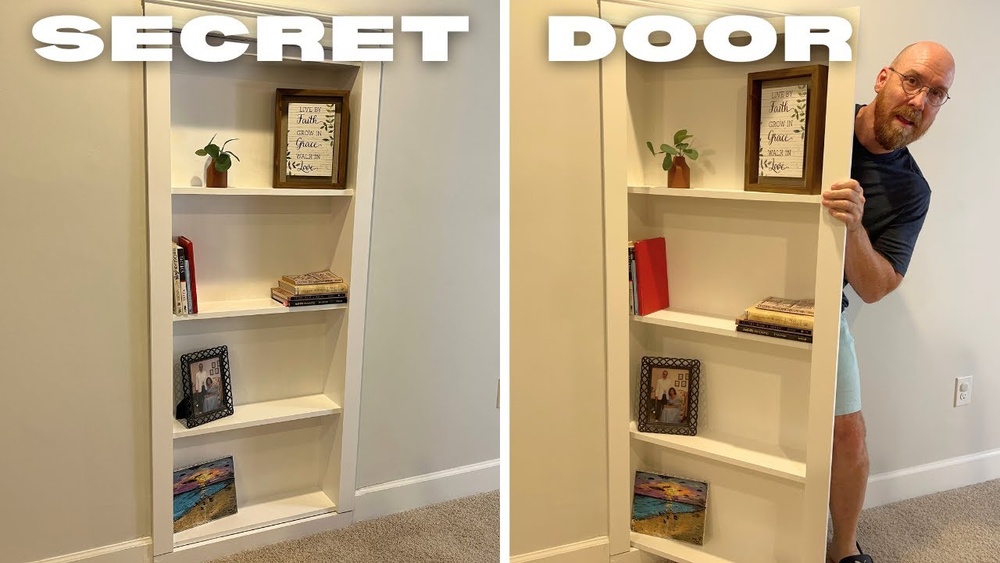
Are you tired of ordinary bookshelves that just sit there, barely holding your favorite reads? Imagine turning your bookshelf into a striking cage design that not only stores your books but also adds a bold statement to your room.
Making a bookshelf cage might sound tricky, but with the right steps, you can create one yourself—and it’s easier than you think. In this guide, you’ll discover simple tips and clear instructions to build a bookshelf cage that looks amazing and fits perfectly in your space.
Ready to transform your bookshelf into something unique and eye-catching? Let’s get started!
Materials And Tools Needed
Building a bookshelf cage requires the right materials and tools. Using good wood and proper equipment makes the project easier and safer. Preparing everything before you start saves time and effort. Below, find the key materials and tools needed for your bookshelf cage.
Wood Types And Sizes
Choose strong, durable wood for your bookshelf cage. Pine, oak, and cedar work well. Pine is affordable and easy to cut. Oak is harder but lasts longer. Cedar resists moisture and insects. Use wood boards that are 1 inch thick for stability. Common sizes include 1×4, 1×6, and 1×8 boards. Cut wood to fit your cage dimensions precisely.
Essential Tools
You need a few basic tools to build the cage. A saw helps cut wood to size. Use a drill for screws and holes. A screwdriver or power driver speeds up assembly. Measuring tape ensures correct wood lengths. A square tool helps keep corners right. Sandpaper smooths rough wood edges. Clamps hold pieces steady while you work.
Safety Gear
Protect yourself during construction with safety gear. Wear safety glasses to shield your eyes from dust. Use ear protection if you work with loud tools. Gloves protect hands from splinters and cuts. A dust mask keeps wood dust out of your lungs. Proper gear keeps you safe and comfortable.

Credit: hammyhappenings.wordpress.com
Planning Your Bookshelf Cage
Planning your bookshelf cage is the first step in creating a beautiful and functional piece. Careful planning saves time and helps avoid mistakes. This stage includes measuring your space, exploring design ideas, and choosing the right cage style.
Measuring Space
Measure the area where you want to place the bookshelf cage. Use a tape measure for accuracy. Note the height, width, and depth available. Allow extra space for doors or cages that open. Write down all measurements clearly. This helps in designing a cage that fits perfectly.
Design Ideas
Think about how you want your bookshelf cage to look. Do you prefer a modern or classic style? Consider materials like wood, metal, or a mix of both. Sketch simple designs on paper. Look at pictures online for inspiration. Decide on the number of shelves and cage bars. Balance style with function for the best result.
Choosing A Cage Style
Choose a cage style that matches your room and needs. Open cages show off your books and items well. Mesh or wire cages add a rustic or industrial feel. Solid panel cages offer more protection from dust. Decide if you want sliding or hinged doors. The right style keeps your books safe and looks great.
Cutting And Preparing Wood
Cutting and preparing wood is a key step in building your bookshelf cage. It shapes the wood pieces to fit perfectly. This step requires careful attention to detail. Proper preparation ensures strong and neat construction. Take your time and follow each step closely.
Marking Measurements
Start by measuring your wood pieces accurately. Use a tape measure and pencil. Mark each cut line clearly on the wood. Double-check every measurement before marking. Precise marks help avoid mistakes during cutting. Keep your marks visible but light enough to erase if needed.
Cutting Techniques
Choose the right saw for your wood type and thickness. A handsaw works well for small cuts. For longer or thicker pieces, use a circular saw or jigsaw. Cut slowly along the marked lines. Keep your hand steady to get straight edges. Always wear safety goggles and gloves while cutting.
Sanding For Smoothness
After cutting, sand all edges and surfaces. Use medium-grit sandpaper first to remove rough spots. Then switch to fine-grit paper for a smooth finish. Sand in the direction of the wood grain. This prevents splinters and sharp edges. Smooth wood looks better and is safer to handle.

Credit: hammyhappenings.wordpress.com
Assembling The Frame
Building a bookshelf cage starts with assembling the frame. This step forms the base and structure for the entire project. A strong frame ensures your bookshelf cage holds books safely and lasts long. Take your time to put the parts together carefully.
Joining Techniques
Use wood screws or nails to join the frame pieces. Drill pilot holes first to prevent wood from splitting. Butt joints or lap joints work well for connecting boards. Apply wood glue on edges for extra strength. Hold parts with clamps until glue dries.
Securing The Frame
Check that all screws or nails are tight and flush. Add corner brackets for more support at frame corners. Use a carpenter’s square to keep corners at 90 degrees. Make sure the frame sits flat on your workspace. Adjust parts if any side looks uneven.
Checking For Stability
Gently shake the frame to test its steadiness. No wobbling means the frame is solid and secure. Press down on different parts to see if anything moves. Reinforce weak spots with extra screws or glue. A stable frame keeps your bookshelf cage safe and durable.
Adding The Cage Elements
Adding the cage elements transforms a simple bookshelf into a unique storage piece. This step requires careful choices to blend style and function. The cage adds protection and gives your bookshelf a new look. Follow clear steps to select materials, attach panels, and ensure safety.
Selecting Cage Material
Choose materials that suit your room and style. Metal wire is strong and shows off books well. Wood slats offer a warm, classic feel. Plastic panels can be lightweight and easy to clean. Think about durability and how the material matches your existing furniture.
Attaching Cage Panels
Secure panels firmly to the bookshelf frame. Use screws or brackets designed for your chosen material. Align panels carefully to avoid gaps or uneven edges. Check the fit by gently pressing on panels before final tightening. Proper attachment prevents wobbling and keeps your cage stable.
Ensuring Safety And Durability
Round off sharp edges on metal or wood to avoid cuts. Test the cage strength by applying light pressure. Use rust-proof coatings if metal is exposed to moisture. Tighten all connections regularly to maintain sturdiness. A safe, durable cage protects your books and lasts longer.
Finishing Touches
Finishing touches make your bookshelf cage look complete and polished. These final steps bring out the beauty of the wood and add personality. They also ensure the structure is strong and ready to use. Pay close attention to these details to create a shelf you will love.
Painting And Staining
Choose paint or stain that matches your room’s style. Paint offers bright colors and hides wood grain. Stain highlights the natural texture and color of wood. Apply a primer before painting for better coverage. Use a brush or cloth to spread stain evenly. Let each coat dry fully before applying the next. This prevents smudges and uneven color. Finish with a clear sealant to protect the surface.
Installing Shelves
Measure the inside width of your bookshelf cage carefully. Cut shelves to fit snugly without gaps. Use brackets or cleats to support each shelf securely. Attach supports to the side panels with screws. Place shelves on supports and check for level. Adjust if shelves tilt or wobble. Secure shelves with small screws from underneath if needed. Strong shelves hold books safely and prevent sagging.
Adding Decorative Features
Decorative touches add charm and make your shelf unique. Add trim or molding around edges for a classic look. Attach metal corner brackets for an industrial style. Use stencils to paint patterns or designs on panels. Attach small hooks under shelves to hang plants or keys. Consider adding lighting strips inside for a warm glow. These small details bring personality and style to your bookshelf cage.
Maintenance Tips
Maintaining your bookshelf cage is important for long-lasting use. Regular care keeps it clean and strong. Small efforts prevent big problems later. Follow these simple tips to keep your bookshelf cage in top shape.
Cleaning Methods
Dust your bookshelf cage often. Use a soft cloth or feather duster. Avoid harsh chemicals that can damage the finish. For stubborn dirt, use mild soap and water. Dry the cage well after cleaning to stop rust or mold.
Preventing Wear And Tear
Place the cage away from direct sunlight and moisture. Avoid overloading shelves with heavy items. Check for loose screws and tighten them regularly. Use felt pads under objects to stop scratches. Keep pets and children from rough use.
Repairing Minor Damages
Fix small scratches with touch-up paint or markers. Fill tiny cracks with wood filler or glue. Replace damaged screws or bolts quickly. Sand rough edges to avoid splinters. Repairing early saves you from costly fixes later.

Credit: www.ccmontgri.cat
Frequently Asked Questions
What Materials Are Needed To Make A Bookshelf Cage?
To make a bookshelf cage, you need wood boards, metal mesh or bars, screws, hinges, and paint. Tools include a saw, drill, screwdriver, measuring tape, and sandpaper. These materials ensure durability and a stylish finish for your bookshelf cage project.
How Long Does It Take To Build A Bookshelf Cage?
Building a bookshelf cage usually takes 4 to 6 hours. Time varies based on skill level and design complexity. Proper planning and preparation can speed up the process. Allow extra time for drying paint or finishing touches.
Can I Customize The Size Of My Bookshelf Cage?
Yes, you can customize the size to fit your space. Measure your area carefully before cutting materials. Adjust height, width, and depth to hold your books securely. Custom sizes make your bookshelf cage practical and unique.
Is A Bookshelf Cage Suitable For All Book Types?
A bookshelf cage works well for most books, especially valuable or rare editions. It protects books from dust and damage. However, very large or unusually shaped books may need special adjustments or shelves.
Conclusion
Building a bookshelf cage is a fun and useful project. You only need some basic tools and materials. Follow the steps carefully, and take your time. This project helps you organize books and display items safely. You will enjoy the sturdy and stylish result.
Try customizing the design to fit your space. Simple projects like this boost your confidence in DIY work. Start today, and create a shelf that lasts.