Looking for a simple, budget-friendly way to organize your books? You don’t need fancy tools or expensive materials.
With just some cardboard and a little creativity, you can build a small bookshelf right at home. Imagine having a unique shelf that fits perfectly in your space, made by your own hands. In this guide, you’ll discover easy steps to create a sturdy, stylish bookshelf that will keep your favorite reads neat and within reach.
Ready to turn plain cardboard into something useful and beautiful? Let’s get started!
Materials Needed
Building a small bookshelf at home with cardboard is simple and fun. The right materials make the process easy and the shelf strong. Gather everything before you start to avoid interruptions.
Choosing The Right Cardboard
Select sturdy, thick cardboard for the best results. Look for double-walled or triple-walled boxes. Avoid thin or weak cardboard that bends easily. Size matters, so pick pieces large enough for your shelf design. Clean and dry cardboard works best to hold glue and paint.
Additional Tools And Supplies
Besides cardboard, some tools help with cutting and assembling. Use a sharp utility knife or box cutter for clean edges. A metal ruler helps make straight cuts. White glue or hot glue sticks hold the pieces firmly together. Sandpaper smooths rough edges. Paint, markers, or paper can decorate your shelf after building.
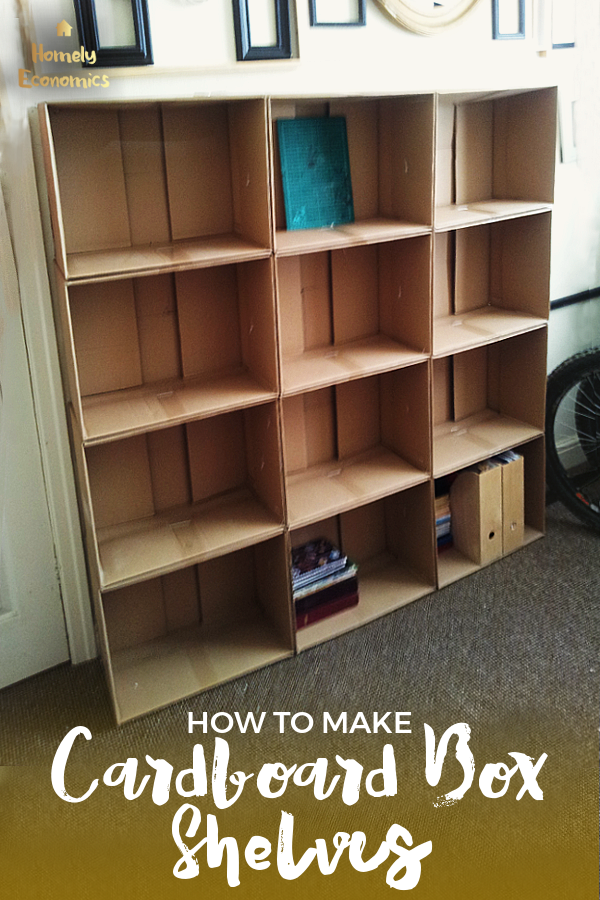
Credit: homelyeconomics.com
Planning Your Bookshelf
Planning your bookshelf is the first step to a successful DIY project. It helps you organize the materials and space effectively. Careful planning saves time and avoids mistakes. Think about where you want to place the bookshelf and how much space it can take.
Measuring Space And Dimensions
Start by measuring the area for your bookshelf. Use a tape measure for accuracy. Note the height, width, and depth available. Consider the size of the books you want to store. Leave some extra space for future books or decorations. Write down these measurements to guide your building process.
Design Ideas For Small Bookshelves
Choose a design that fits your space and style. Simple box shapes work well for beginners. Try a tiered design for more storage in less space. Use open shelves for easy access and display. Think about adding small compartments for organizing items. Keep the design practical and easy to build with cardboard.
Cutting Cardboard Pieces
Cutting cardboard pieces is the first step in making a small bookshelf at home. Accurate cuts help the pieces fit well together. This makes the bookshelf strong and neat. Take time to measure and cut carefully. It saves effort later.
Marking And Measuring Accurately
Use a ruler or measuring tape for exact measurements. Mark each piece with a pencil. Double-check the size before cutting. Mark straight lines to follow with your cutter. Measure twice, cut once. This helps avoid mistakes and wasted cardboard.
Tips For Clean Cuts
Use a sharp utility knife or box cutter for smooth edges. Cut on a flat, stable surface to keep control. Apply steady pressure without rushing. Change the blade if it becomes dull. Cut along the marked line carefully. Clean cuts give the bookshelf a tidy look and better fit.
Assembling The Frame
Assembling the frame is a crucial step in making your small cardboard bookshelf. This part gives the shelf its shape and strength. Taking time here helps your bookshelf hold books safely. Focus on creating a strong base and sides. These will support the shelves and keep everything steady. Use the right techniques for joining pieces and making the frame stable.
Joining Techniques
Start by cutting your cardboard pieces carefully. Use a ruler and sharp blade for straight edges. Join pieces using strong glue made for cardboard. Press firmly and hold until it sticks. Tape can help hold parts while glue dries. Fold and slot pieces for extra strength. Cut small tabs on edges to fit parts together. This method needs no extra tools and adds support.
Ensuring Stability
Check that all corners meet at right angles. Use a square or measure with a ruler. Add extra cardboard strips inside corners for support. These act like braces and stop wobbling. Avoid making pieces too thin. Thicker cardboard holds weight better. Place the frame on a flat surface to test balance. Adjust joints or add more glue if needed. Stability keeps your shelf safe and long-lasting.
Creating Shelves
Making a small bookshelf from cardboard is simple and fun. Cut and fold pieces to create strong shelves for your books. Use glue or tape to hold everything together securely.
Cutting Shelf Panels
Start by measuring the space where the shelves will go. Use a ruler and pencil to mark the cardboard. Cut the panels carefully with a sharp utility knife. Make sure the cuts are straight and clean. Cut extra panels if you want more shelves. Keep all panels the same size for balance.
Reinforcing For Strength
Cardboard alone can be weak. Add strength by gluing two or three layers together. Press them firmly until dry. Use strips of cardboard along the edges for more support. Tape the edges with strong packing tape. This stops the shelves from bending or breaking under weight.
Finishing Touches
Finishing touches give your cardboard bookshelf a complete look. They protect it and make it attractive. These final steps help your shelf last longer and fit your style. Take time to paint, decorate, and seal your creation well.
Painting And Decorating
Choose paint that works well on cardboard. Acrylic paint is a good option. It dries fast and covers well. Use bright or soft colors based on your room’s style.
Decorate with simple patterns or shapes. Use stencils for clean designs. Stick on paper or fabric for extra texture. Let each layer dry before the next.
Protecting The Bookshelf
Seal your bookshelf with a clear coat. This stops moisture and dirt from damaging it. Use a spray or brush-on sealant made for crafts.
Apply two thin layers for the best shield. Let it dry fully in between. This step makes your shelf strong and easier to clean.
Maintaining Your Cardboard Bookshelf
Maintaining your cardboard bookshelf is key to keeping it strong and useful. Cardboard can wear out over time. Proper care helps your shelf last longer and look neat.
Small efforts can prevent big damage. Regular cleaning and quick repairs keep the shelf stable. Let’s explore simple ways to care for your cardboard bookshelf.
Cleaning Tips
Dust the shelf gently with a soft cloth. Avoid using water or wet cleaners. Wet cardboard weakens and bends easily. Use a dry brush to reach corners and edges.
Remove stains with a dry eraser or light sanding. Keep the shelf away from direct sunlight. Sun can fade and dry out the cardboard. Clean often to stop dirt build-up.
Repairing Damages
Small tears or dents can be fixed fast. Use strong tape like duct tape to cover cracks. Apply glue designed for paper or cardboard for better hold.
Add extra cardboard pieces to weak spots. Press firmly and let glue dry fully. Check the shelf regularly for new damage. Quick fixes prevent bigger problems later.

Credit: www.youtube.com

Credit: www.youtube.com
Frequently Asked Questions
What Materials Do I Need To Make A Cardboard Bookshelf?
You need sturdy cardboard sheets, a ruler, a pencil, scissors or a craft knife, and strong glue or tape. Optional items include paint and decorative paper for finishing. These materials are affordable and easy to find at home or local stores.
How Can I Make A Small Bookshelf Sturdy With Cardboard?
Use multiple layers of cardboard glued together for strength. Reinforce corners with extra strips and ensure all joints are tightly secured. Allow glue to dry completely before use. Proper layering and reinforcement prevent sagging and increase durability.
How Long Does It Take To Build A Cardboard Bookshelf?
Building a small cardboard bookshelf typically takes 1 to 2 hours. Time varies based on design complexity and drying time of glue. Simple designs with fewer shelves are quicker to assemble, making it a great DIY weekend project.
Can I Customize The Size Of My Cardboard Bookshelf?
Yes, cardboard bookshelves are fully customizable. Measure your space and cut cardboard accordingly. Adjust shelf height and width to fit your books and room. Customizing ensures your bookshelf perfectly suits your needs and available space.
Conclusion
Building a small bookshelf from cardboard is simple and fun. It saves money and helps organize your space. You only need a few tools and some creativity. This project suits beginners and kids alike. Try different shapes and sizes to fit your needs.
Enjoy making something useful with your own hands. Start today and see how easy it is!