Are you looking for a unique way to add storage to your room? Imagine turning something unexpected—a gun case—into a stylish bookshelf.
It’s easier than you think, and the result is both practical and eye-catching. In this guide, you’ll learn simple steps to transform your old gun case into a one-of-a-kind shelf that showcases your favorite books or treasures. Ready to create a conversation piece that’s truly yours?
Let’s get started!

Credit: www.amazon.com
Choosing The Right Gun Case
Choosing the right gun case is the first step in making a sturdy and stylish bookshelf. The case acts as the main frame, so it must fit your space and style needs. Picking a case that matches your vision will make the building process easier and the final product better.
Size And Dimensions
Pick a gun case that fits your room size and shelf purpose. Measure the space where you want to place the bookshelf. Check the case’s length, width, and depth. A case too big or too small can make the shelf look odd or unstable. Choose one with enough space to hold your books comfortably.
Material Types
Gun cases come in different materials like wood, metal, and plastic. Wood cases offer a classic look and are easy to modify. Metal cases are strong but may need extra work to add shelves. Plastic cases are light but less sturdy. Choose a material that suits your style and the strength you need for your books.
Condition And Durability
Check the case for any damage or wear. A strong case lasts longer and holds weight better. Avoid cases with broken locks, cracks, or rust. A well-kept case needs less repair work. Durable cases provide a safe and lasting bookshelf for your collection.
Gathering Tools And Materials
Gathering the right tools and materials is the first step to making a bookshelf out of a gun case. This part of the project sets the foundation for smooth and safe work. Having everything ready saves time and avoids frustration during the building process.
Focus on basic tools and supplies. Pick items that fit your skill level and project size. Safety is important too. Use protective gear to prevent injuries.
Essential Tools
You will need a drill for making holes and driving screws. A screwdriver helps tighten screws easily. A tape measure measures the gun case and shelves. Sandpaper smooths rough edges and surfaces. A saw cuts wood pieces to size. Clamps hold parts in place while you work.
Additional Supplies
Wood screws are necessary to attach shelves inside the case. Wood glue adds extra strength to joints. Paint or stain improves the look of the bookshelf. Brushes or rags apply paint or stain. Felt pads protect surfaces from scratches. Hinges and handles can enhance the case’s usability.
Safety Equipment
Safety glasses protect your eyes from dust and debris. Work gloves keep your hands safe from splinters and cuts. A dust mask stops you from breathing sawdust. Ear protection reduces noise from power tools. Keep a first aid kit nearby for emergencies.
Preparing The Gun Case
Preparing the gun case is the first important step to turn it into a sturdy bookshelf. This stage helps to clean the case, fix any weak spots, and get the surface ready for painting or staining. Proper preparation ensures your bookshelf will last a long time and look great.
Cleaning And Removing Hardware
Start by taking out all the hardware from the gun case. This includes locks, handles, and hinges. Use a screwdriver to remove screws carefully. Clean the inside and outside with a mild soap and water solution. Wipe off dust, dirt, and grease. Let the case dry completely before moving to the next step.
Sanding And Surface Prep
Sand the entire surface of the gun case using medium-grit sandpaper. This removes old paint, scratches, and smooths rough spots. Focus on edges and corners to avoid splinters. Wipe the dust off with a damp cloth. This helps the paint or stain stick better to the surface.
Reinforcing Weak Areas
Check the case for any weak or damaged areas. Look for cracks, loose joints, or thin spots. Use wood glue to fix small cracks and clamps to hold pieces together. For bigger weak spots, add small wooden strips or metal brackets inside. This makes the case stronger and ready to hold books safely.
Designing The Bookshelf Layout
Designing the bookshelf layout is an important step in this DIY project. It helps you use the gun case space well and create a functional shelf. Careful planning makes sure your bookshelf holds your books safely and looks good.
Start by thinking about how many books or items you want to store. This will guide your measurements and placement. A clear plan saves time and avoids mistakes later.
Measuring Shelf Dimensions
Measure the inside width, height, and depth of the gun case. Use a tape measure for accuracy. Write down these numbers to help decide shelf sizes.
Consider the size of your books or objects. Leave a little space so items fit without being tight. This prevents damage and makes the shelf easy to use.
Planning Shelf Placement
Decide how many shelves you want inside the gun case. Think about spacing between shelves to fit different book heights. You can make some shelves taller for large books.
Balance the shelves evenly to keep the structure strong. Avoid placing too many shelves close together. Plan for easy access to all books and items.
Sketching The Design
Draw a simple sketch of the bookshelf layout on paper. Include all measurements and shelf positions. This visual guide helps during the building process.
Mark where you will attach shelves and supports. Check the sketch twice to avoid errors. A clear design reduces confusion and speeds up assembly.
Constructing Shelves Inside The Case
Constructing shelves inside a gun case turns it into a unique bookshelf. The process needs careful measuring and steady work. Each shelf must fit well and hold books safely. This section guides you through cutting, attaching, and supporting shelves inside the case.
Cutting Shelf Boards
Measure the inside width and depth of the gun case first. Cut wooden boards to match these measurements. Use a saw to make clean, straight cuts. Sand the edges smooth to avoid splinters. Make sure each board fits snugly inside the case.
Attaching Shelves Securely
Mark shelf positions inside the case with a pencil. Use wood glue on the edges for a strong hold. Nail or screw the shelves in place carefully. Check each shelf for level and adjust if needed. Secure shelves prevent shifting when books are placed.
Adding Support Brackets
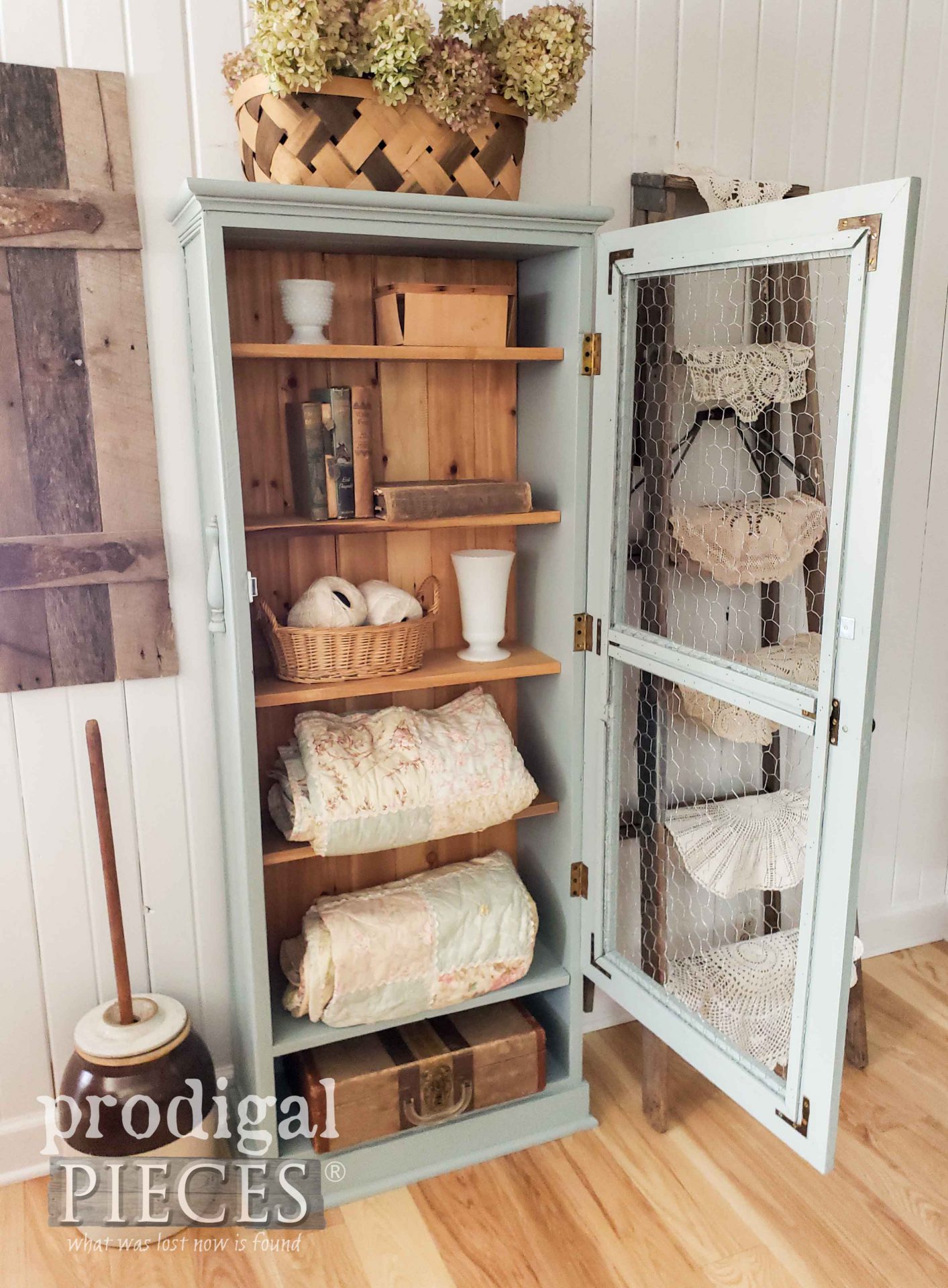
Support brackets add strength and stability to shelves. Attach small metal brackets under each shelf. Use screws to fix brackets to both shelf and case. Space brackets evenly to distribute weight well. This keeps shelves sturdy and safe for heavy books.
Credit: prodigalpieces.com
Finishing Touches
Finishing touches make your bookshelf unique and complete. They protect the wood and add style. Small details can change the whole look. This part is fun and lets you be creative. Focus on painting, adding decorations, and installing hardware. These steps give the gun case bookshelf a polished look.
Painting And Staining
Choose paint or stain based on your room’s style. Paint gives bright colors and a smooth finish. Stain shows the wood grain and looks natural. Use light coats for even coverage. Let each coat dry before the next. Sand lightly between coats for a smooth surface. Paint or stain protects the wood from damage.
Adding Decorative Elements
Add decorations to match your taste. Use stickers, decals, or stencils for patterns. Attach small shelves or hooks inside for extra storage. Place fabric or wallpaper on the back panel for color. Decorations make the shelf stand out. Keep it simple to avoid a cluttered look.
Installing Handles And Locks
Handles make opening the bookshelf easier. Choose handles that fit the gun case style. Attach them with screws on the outside. Locks add security and keep things safe. Pick simple locks that are easy to use. Installing handles and locks adds function and style to the shelf.
Placing And Styling The Bookshelf
Placing and styling your bookshelf made from a gun case brings charm and function to any room. Thoughtful placement creates a cozy reading spot and highlights your design. Styling the shelves with books and decor adds personality and balance. Proper care keeps the bookshelf looking great over time.
Choosing The Location
Pick a spot with enough light for reading. Near a window works well but avoid direct sunlight. Sunlight can damage books and the gun case material. Choose a place with enough space to open the case fully. The bookshelf should be easy to reach and not block pathways. A quiet corner or living room wall often fits perfectly.
Arranging Books And Decor
Organize books by size or color for a neat look. Mix vertical and horizontal stacks to add interest. Use small decor items like plants, candles, or photo frames. Keep decor pieces small to avoid crowding. Leave some empty space for a clean and airy feel. Balance books and decor evenly across the shelves.
Maintaining The Bookshelf
Dust the bookshelf regularly to keep it clean and fresh. Use a soft cloth to avoid scratching the surface. Check the hinges and locks for smooth opening and closing. Avoid placing heavy items that can damage the case. Protect the bookshelf from moisture to prevent damage. Regular care extends the life of your unique bookshelf.

Credit: americansecuritysafes.com
Frequently Asked Questions
How Do I Convert A Gun Case Into A Bookshelf?
To convert a gun case into a bookshelf, clean the case, add wooden shelves inside, and secure them properly. Use strong brackets or adhesive for stability. Finally, paint or finish the case for a polished look.
What Tools Are Needed To Make A Bookshelf From A Gun Case?
You need a drill, screws, measuring tape, wooden boards, sandpaper, brackets, and paint. These tools help cut, secure, and finish the shelves inside the gun case safely and efficiently.
Can I Customize The Size Of The Bookshelf Inside A Gun Case?
Yes, you can customize shelf size by measuring the gun case interior. Cut shelves to fit the width and depth. Adjust the number of shelves based on your storage needs and gun case dimensions.
Is It Safe To Use An Old Gun Case For Shelving?
Yes, it is safe if you clean the case thoroughly and remove any gun-related components. Ensure the case is sturdy, and shelves are well-installed to support books without risk.
Conclusion
Making a bookshelf from a gun case is a smart idea. It saves money and gives a unique look. You only need basic tools and simple steps. This project is perfect for anyone who likes DIY work. It also helps recycle old items.
Start with a clean gun case and plan your shelves. Take your time to measure and fit pieces well. The result is a sturdy and stylish bookshelf. Try this creative project to add charm to your room. You will enjoy the process and the final product.