Are you looking for a simple, affordable way to organize your books and add a personal touch to your space? Making a bookshelf out of cardboard might be the perfect solution for you.
Not only is it budget-friendly, but it also lets you get creative and build something unique with your own hands. Imagine having a custom shelf that fits your style and needs, without spending a fortune or needing special tools. Keep reading, and you’ll discover easy steps to turn plain cardboard into a sturdy, stylish bookshelf that you’ll be proud to show off.
Your next DIY project starts here!
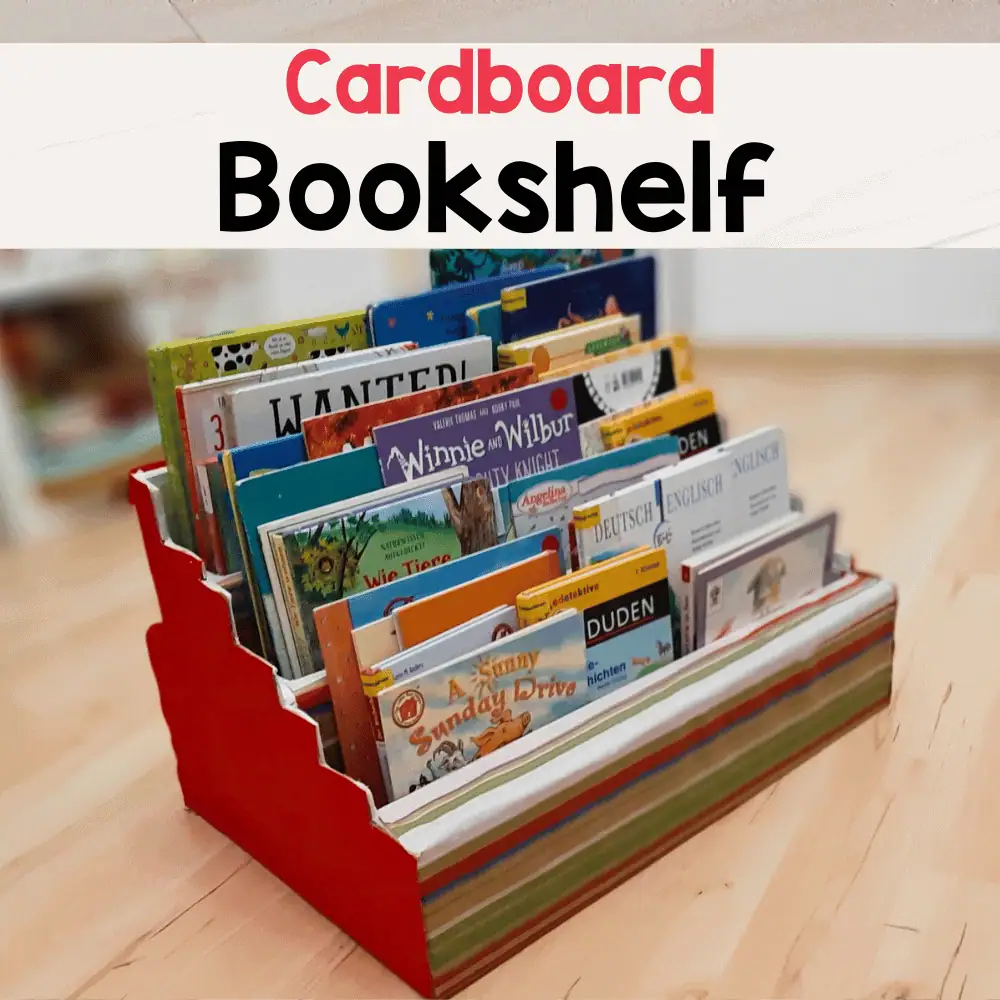
Credit: www.littleladoo.com
Materials Needed
Building a bookshelf out of cardboard is a fun and creative project. Gathering the right materials is the first step. This section lists what you need to start your project. Using the correct supplies makes the process easier and the shelf stronger.
Choosing The Right Cardboard
Select sturdy cardboard with multiple layers. Avoid thin or soft cardboard that bends easily. Large, flat pieces work best for shelves and sides. Look for clean, unbroken sheets without holes or tears. Recycled boxes from appliances or furniture are great choices.
Essential Tools
You will need a sharp utility knife for clean cuts. A metal ruler helps measure and cut straight lines. Use a pencil to mark measurements on the cardboard. Hot glue or strong craft glue is necessary to hold parts together. A cutting mat protects your work surface and keeps cuts precise.
Optional Supplies
Paint or decorative paper can improve the look of your shelf. Sandpaper smooths rough edges after cutting. Clamps or heavy books can hold glued parts while drying. Tape adds extra strength to joints if needed. Stickers or labels help personalize your bookshelf.

Credit: sonshinemumma.blogspot.com
Preparing The Cardboard
Preparing the cardboard is the first step in making a sturdy bookshelf. This stage sets the foundation for your project. Careful preparation helps ensure your bookshelf will hold books well and look neat. Follow these simple steps to get your cardboard ready.
Measuring And Marking
Measure the size of your bookshelf parts carefully. Use a ruler or tape measure for accuracy. Mark the cardboard with a pencil or light pen. Draw straight lines for cutting. Double-check your measurements before cutting. Proper marking saves time and material.
Cutting Techniques
Use a sharp utility knife or box cutter for clean cuts. Cut on a flat, safe surface to avoid accidents. Score the cardboard lightly first, then cut through fully. Cut slowly to keep edges straight. Avoid tearing the cardboard to maintain strength.
Reinforcing Edges
Edges can weaken your bookshelf if left plain. Use extra cardboard strips to strengthen these areas. Glue strips along the edges to add support. Press firmly and let the glue dry well. Strong edges prevent bending and increase durability.
Assembling The Bookshelf
Assembling the bookshelf is the exciting part where your cardboard pieces come together. This step shapes your project into a sturdy and useful shelf. Careful assembly ensures the bookshelf holds your books safely and looks neat. Let’s break down the process into simple parts.
Building The Frame
Start by making the outer frame. Use strong cardboard pieces cut to size. Join the edges with glue or tape. Make sure the frame is square and firm. This frame supports the whole bookshelf, so keep it steady.
Creating Shelves
Cut cardboard pieces for the shelves inside the frame. Measure the width carefully to fit inside the frame. Use several layers of cardboard for extra strength. Glue these layers together and let them dry well. Each shelf must hold weight without bending.
Attaching Components
Place the shelves inside the frame at your chosen heights. Use glue or tape to fix them firmly. Add extra support by taping the shelf ends to the frame. Check each shelf for stability before moving on. Let everything dry completely before use.
Strengthening The Structure
Strengthening the structure of your cardboard bookshelf is key to making it last. Cardboard alone can be weak, so adding reinforcements helps hold the weight of your books. Small changes in how you build can make a big difference in stability and durability.
Adding Support Beams
Support beams add extra strength to your bookshelf. Use strips of cardboard folded into thick beams. Place them vertically or horizontally inside the shelves. These beams stop the shelves from bending under heavy books. Make sure the beams fit tightly and cover the full length of each shelf.
Using Glue And Tape
Glue and tape join the cardboard pieces firmly. Use strong craft glue for permanent bonds. Apply glue on all edges that touch. Reinforce glued parts with wide packing tape. Tape adds extra hold and prevents the shelves from coming apart. Let the glue dry fully before placing books on the shelf.
Weight Distribution Tips
How you place books affects shelf strength. Put heavier books on the bottom shelves. Lighter books and items go on top. Spread the weight evenly across each shelf. Avoid piling books in one spot. This balance helps prevent sagging and keeps your bookshelf steady for a long time.
Finishing Touches
Finishing touches give your cardboard bookshelf a complete, polished look. These steps help the shelf last longer and fit your style. Small details make a big difference in appearance and durability.
Painting And Decorating
Choose paint that sticks well to cardboard. Acrylic paint works best. Apply thin, even coats to avoid warping. Let each coat dry fully before adding the next. Use bright or soft colors to match your room. Stickers, washi tape, or stencils add fun patterns. Keep decorations simple to avoid extra weight.
Protecting The Surface
Seal your bookshelf with a clear varnish or spray. This protects against moisture and dirt. Use water-based sealers for easy cleaning. Let the sealer dry in a well-ventilated space. Avoid heavy coatings to keep the cardboard strong. Adding felt pads under the shelf stops scratches on floors.
Personalizing Your Bookshelf
Add labels to organize your books better. Use colorful markers or printed tags. Attach small hooks on the sides for keys or accessories. Place photos or artwork inside the shelves for a personal touch. Customize the shape by cutting edges into waves or angles. Personal details make your shelf truly yours.

Credit: www.youtube.com
Maintenance And Care
Taking care of your cardboard bookshelf helps keep it strong and neat. Proper maintenance keeps it looking good and working well for a long time. Small efforts in cleaning and repairs can prevent bigger problems later. Here are some simple tips to maintain your cardboard bookshelf.
Cleaning Tips
Dust the bookshelf often with a soft cloth. Avoid wet cloths; cardboard does not like water. Use a dry brush to reach corners and edges. Keep the shelf away from direct sunlight to stop fading. Clean spills quickly using a dry towel. Do not use strong cleaners or sprays.
Repairing Damage
Fix small tears with glue made for paper or cardboard. Press the torn part firmly until dry. For dents, gently reshape the cardboard by hand. Replace any weak parts with new cardboard pieces. Use tape on the inside to keep repairs hidden. Check the shelf regularly for new damage.
Extending Lifespan
Place light items on the shelf to avoid stress. Do not overload with heavy books or objects. Keep the shelf in a dry place to prevent moisture damage. Use a protective spray designed for cardboard for extra strength. Rotate the items to avoid wear in one spot. Store the shelf indoors to protect it from weather.
Frequently Asked Questions
How Strong Is A Cardboard Bookshelf?
A cardboard bookshelf can be surprisingly strong when made with thick, layered cardboard. Reinforcing edges and using glue properly boosts durability. It suits light to medium-weight books and decorative items but avoid heavy loads to prevent bending or collapsing.
What Materials Do I Need To Make It?
You will need sturdy cardboard sheets, a cutting tool, ruler, pencil, strong glue, and tape. Optional items include paint or decorative paper for finishing. These materials are affordable and easy to find, making the project budget-friendly and accessible.
How Long Does It Take To Build A Cardboard Bookshelf?
Building a cardboard bookshelf usually takes 2 to 4 hours. Time depends on design complexity and drying time for glue or paint. Preparing materials beforehand can speed up the process and ensure a smooth build experience.
Can I Customize The Size Of The Bookshelf?
Yes, you can customize the bookshelf size easily by adjusting cardboard dimensions. Measure the space and books you want to store before cutting. This flexibility allows you to create a perfect fit for any room or purpose.
Conclusion
Building a cardboard bookshelf is simple and fun. It saves money and helps the environment. You can customize its size and shape easily. Just gather materials, follow steps, and take your time. This project suits beginners and kids alike. Enjoy your new, lightweight shelf for books or toys.
Try making one today and see the results yourself. Creativity and patience make all the difference. Cardboard shelves add charm to any room. Give it a go and feel proud of your craft.