Is your bunk bed making those annoying creaks every time you move? That squeaky sound can disturb your sleep and even make your room feel less cozy.
But don’t worry—you don’t have to live with it. You’ll discover simple and effective ways to make your bunk bed quieter, so you can enjoy peaceful nights and a more comfortable space. Keep reading to learn easy tips that you can try right now!
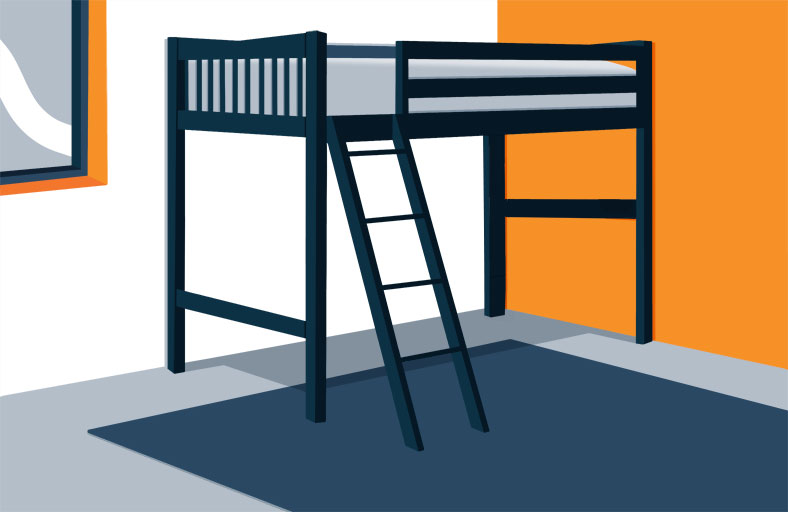
Credit: www.sleepadvisor.org
Common Causes Of Squeaky Bunk Beds
Squeaky bunk beds can disturb sleep and annoy both kids and adults. Understanding why these noises happen helps fix the problem faster. Most squeaks come from parts moving against each other or loose fittings. Identifying the exact cause is the first step to quiet nights.
Loose Screws And Bolts
Screws and bolts keep the bunk bed parts tightly joined. Over time, these can become loose due to movement and weight. Loose screws allow parts to shift and rub, causing squeaks. Checking and tightening them regularly reduces noise and improves bed stability.
Friction Between Wood Or Metal Parts
Wood or metal parts rubbing together create friction sounds. This happens especially where the bed frame connects or where the mattress support lies. Dust and dirt in these areas make squeaks worse. Lubricating or smoothing these parts can stop the noise.
Worn Out Joints And Connections
Joints join different parts of the bunk bed. Over years of use, joints can wear out or break down. Worn joints move more freely and cause creaking sounds. Replacing or reinforcing these connections helps keep the bed quiet and safe.

Credit: www.youtube.com
Tools And Materials Needed
Fixing a squeaky bunk bed needs the right tools and materials. These help make the job easier and better. Having everything ready saves time and effort. Here is a list of what you need to gather before starting the repair.
Basic Hand Tools
Some simple hand tools are essential for most repairs. A screwdriver set with both flat and Phillips heads works for screws. A wrench or socket set helps tighten nuts and bolts. A hammer can tap loose parts back in place. Pliers are useful to hold or twist small parts.
Lubricants And Cushions
Lubricants reduce friction and stop squeaks. Use a silicone spray or WD-40 for best results. Avoid oily greases that attract dust. Felt pads or rubber cushions go between wooden or metal parts. These cushions soften contact and cut down noise.
Replacement Parts
Old screws or bolts may need replacing. Match sizes carefully to fit existing holes. Wooden slats or brackets can wear out over time. Buy extra slats or metal braces to support the bed frame better. Having spare parts ready prevents delays during repair.
Tightening And Securing Hardware
Tightening and securing hardware is a key step to make a bunk bed less squeaky. Loose screws and bolts cause the bed to move and create noise. Fixing these parts helps stabilize the frame and stops the squeaks.
Regularly checking hardware keeps the bed safe and quiet. This process is simple and only takes a few minutes. With the right tools, anyone can do it.
Checking And Tightening Screws
Start by inspecting all screws on the bunk bed. Use a screwdriver to tighten any that feel loose. Turn screws gently to avoid stripping them. Tight screws hold the bed parts together firmly. This reduces movement and noise from friction.
Replacing Missing Or Damaged Bolts
Look for bolts that are missing or damaged. Replace old bolts with new ones of the same size. Using the wrong size can damage the bed frame. New bolts secure the joints better and stop wobbling. This simple step can greatly reduce squeaking sounds.
Using Thread Lockers For Stability
Apply thread locker to screws and bolts for extra hold. This liquid glue keeps hardware from loosening over time. Use a small amount on the threads before tightening. Thread lockers prevent screws from moving and causing noise. This adds long-lasting stability to the bunk bed.
Lubricating Moving Parts
Lubricating moving parts is an effective way to stop a bunk bed from squeaking. The noise often comes from friction between metal or wooden pieces. Adding lubricant reduces this friction and helps the parts move smoothly. This can make the bed quieter and more comfortable to use.
Applying lubricant is simple but requires choosing the right type. Using the correct lubricant protects the bed parts and keeps them working well. It also prevents damage that could happen from dry rubbing or rust.
Choosing The Right Lubricant
Pick a lubricant suitable for the material of your bunk bed. For metal frames, use a light machine oil or silicone spray. These lubricants do not attract dust and work well on metal. Avoid thick grease as it can collect dirt and cause more noise.
For wooden parts, use a wax-based or dry lubricant. These keep wood from swelling and reduce friction. Avoid oily lubricants on wood because they can stain or cause damage.
Applying Lubricant To Metal Frames
Clean the metal parts before applying lubricant. Use a cloth to remove dust and dirt. Spray or apply a small amount of lubricant on joints and moving areas. Move the parts gently to spread the lubricant evenly. Wipe off any extra to prevent drips or dust buildup.
Reducing Friction In Wooden Components
For wooden parts, rub a wax stick or dry lubricant along the surfaces that touch each other. Focus on corners and sliding areas. This helps wood parts slide smoothly without grinding. Avoid using water-based lubricants as they can damage wood over time. Check the wood regularly and reapply lubricant if needed.
Adding Padding To Reduce Noise
Bunk beds often squeak due to friction between wood or metal parts. Adding padding can reduce this noise effectively. Small cushions or pads placed in key areas create a soft barrier. This stops parts from rubbing directly against each other. The result is a quieter, more peaceful sleep space.
Using Felt Pads Or Rubber Washers
Felt pads are soft and easy to apply. Place them where wood touches wood or metal meets wood. Rubber washers work well on screws and bolts. They absorb movement and reduce noise. Both options are affordable and last a long time.
Placing Protective Barriers Between Contact Points
Use foam strips or thin rubber sheets as barriers. Cut them to fit tight spaces between bed parts. These barriers prevent hard surfaces from grinding together. They also reduce pressure and wear over time. This simple step quiets most common squeaks.
Diy Cushioning Solutions
Try using household items like old socks or cloth scraps. Wrap them around joints or screws. Secure with tape or string to hold them in place. This DIY method is quick and cost-free. It offers temporary relief while waiting for better pads.
Inspecting And Repairing Structural Issues
Inspecting and repairing structural issues is key to stopping your bunk bed from squeaking. Many noises come from weak or damaged parts. Fixing these problems makes the bed stronger and quieter. Start by carefully checking all parts of the bed frame. Look for signs of damage or wear. Small repairs can prevent bigger problems later.
Checking For Cracks And Splits In Wood
Look closely at all wooden parts of the bunk bed. Check the slats, side rails, and posts. Cracks or splits can cause movement and noise. Use a flashlight to see small cracks better. Tap lightly on wood to find weak spots. Mark any cracks you find for repair. Small cracks can grow if ignored.
Reinforcing Weak Joints
Joints are places where wood pieces connect. These often loosen over time. Tighten screws and bolts first. Use wood glue to add strength to loose joints. Clamp the joint until glue dries. Add metal brackets for extra support if needed. Strong joints keep the bed stable and quiet.
Replacing Damaged Parts
Some parts may be too damaged to fix. Broken slats or cracked posts should be replaced. Measure the part carefully before buying a new one. Use the same type of wood or metal for replacements. Install new parts securely. Proper replacement stops movement and noise.
Preventive Maintenance Tips
Preventive maintenance helps keep your bunk bed sturdy and quiet. Small actions can stop squeaks before they start. Consistent care saves time and effort in the long run. Follow these simple tips to maintain your bunk bed’s condition.
Regularly Inspecting Hardware
Check bolts, screws, and nuts often. Tighten any loose parts immediately. Loose hardware causes movement and noise. Inspecting hardware prevents larger problems later. Use the right tools for adjustments. Make this a weekly habit for best results.
Periodic Lubrication Schedule
Apply lubricant to metal joints and moving parts. Choose a light oil or silicone spray. Lubrication reduces friction and stops squeaks. Do this every few months or after cleaning. Avoid over-lubricating to prevent mess and dust buildup.
Avoiding Overloading The Bed
Follow the weight limit set by the manufacturer. Too much weight strains the frame and joints. Overloading causes bending and loosening of parts. Teach children not to jump or stand on the bed. Proper use keeps the bed safe and silent.
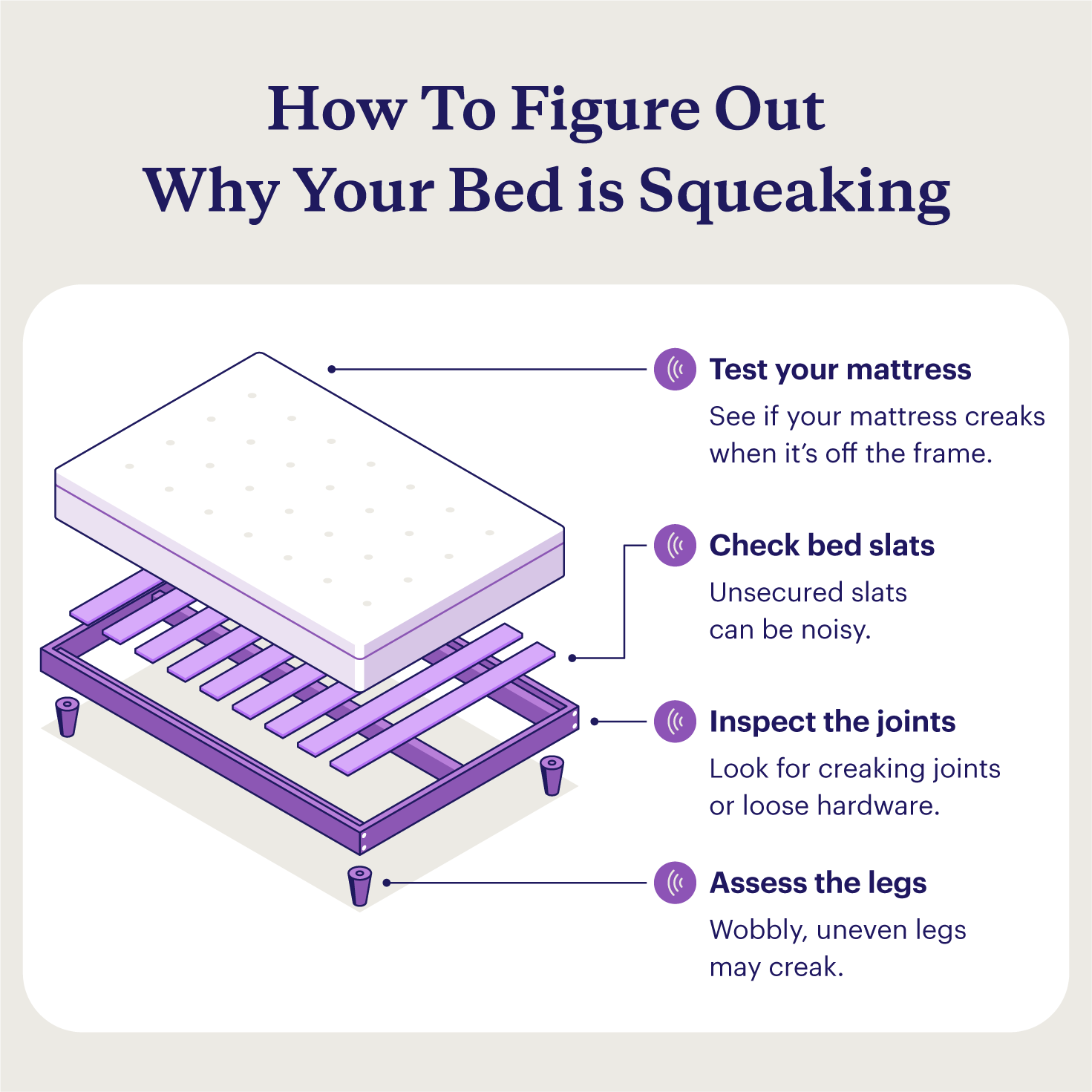
Credit: purple.com
Frequently Asked Questions
How Do I Stop My Bunk Bed From Squeaking?
Tighten all screws and bolts on the bunk bed frame. Apply lubricant like WD-40 to joints and moving parts. Check for loose or damaged slats and replace if needed.
What Lubricant Works Best For Bunk Bed Squeaks?
Use silicone spray or WD-40 for bunk bed joints. These lubricants reduce friction without damaging wood or metal. Avoid oil-based lubricants as they attract dust and dirt.
Can Tightening Screws Eliminate Bunk Bed Noise?
Yes, loose screws cause most bunk bed squeaks. Tighten all bolts and screws with a wrench or screwdriver. Regular checks help maintain noise-free stability.
How Often Should I Maintain My Bunk Bed?
Inspect and tighten your bunk bed every 3-6 months. Regular maintenance prevents squeaks and ensures safety. Lubricate moving parts during these checks.
Conclusion
A squeaky bunk bed can disturb sleep and cause frustration. Tightening screws and adding lubricant often stops the noise. Placing felt pads between wooden parts helps reduce friction sounds. Checking the bed regularly keeps it sturdy and quiet. These small steps make the bunk bed more comfortable and peaceful.
Sleep better without annoying creaks or squeaks. Keep your bunk bed safe and silent for a good night’s rest. Simple fixes bring lasting quiet and comfort to your space.