
Are you tired of clutter piling up near your door? A wall-mounted coat rack could be the perfect solution to keep your space tidy and stylish.
Imagine having a neat, organized entryway where your coats, hats, and bags hang within easy reach. In this guide, you’ll discover simple steps to create your own coat rack that fits your space and style. By the end, you’ll have a practical and attractive piece that makes daily routines smoother.
Ready to transform your wall and clear the mess? Let’s get started!

Credit: gingersnapcrafts.com
Choosing The Right Materials
Choosing the right materials makes your coat rack strong and stylish. The materials affect how long it lasts and how well it holds weight. Picking good wood, hooks, and tools helps you build a rack that fits your space and needs. This section covers the best options for each part.
Types Of Wood
Wood choice changes the look and strength of your rack. Pine is light and easy to cut. Oak is strong and lasts long. Cedar has a nice smell and resists moisture. Choose wood that fits your style and the weight you need to hold.
Selecting Hooks And Hardware
Hooks hold your coats and bags. Metal hooks are strong and good for heavy items. Wooden hooks match the rack but may hold less weight. Look for screws and anchors that fit your wall type. Good hardware keeps the rack safe and secure.
Tools Needed
You need a drill to make holes for screws. A screwdriver helps fix hooks and wood pieces. A saw cuts the wood to size. Sandpaper smooths rough edges. A level makes sure the rack hangs straight. These tools make building easier and the final rack neat.
Designing Your Coat Rack
Designing your coat rack is an important step before installation. A well-planned design ensures the rack fits your space and meets your needs. It also adds style to your room. Take time to measure, plan, and personalize your rack for the best result.
Measuring Wall Space
Start by measuring the wall where you want to place the coat rack. Use a tape measure to find the width and height available. Note any obstacles like switches or vents. This helps avoid problems during installation. Accurate measurements make sure the rack fits perfectly.
Planning Hook Placement
Decide how many hooks you need based on your family size or usage. Space hooks evenly for a balanced look. Consider the height of each hook. Hooks should be easy to reach for all users. Plan for larger gaps if you want to hang bulky coats or bags.
Adding Decorative Elements
Choose decorations that match your room style. Paint the rack in a color that complements your walls. Add wooden accents for a warm look or metal details for a modern touch. Small decorations make your rack unique and inviting. Keep it simple for a clean, fresh design.
Preparing The Wall
Preparing the wall is the first step to install a wall-mounted coat rack safely. This step ensures the rack stays secure and holds weight without damage. Careful preparation prevents accidents and damage to your walls.
Finding Wall Studs
Wall studs are vertical wooden beams behind your drywall. They provide strong support for heavy items. Use a stud finder device to locate them easily. Move the finder slowly across the wall until it signals a stud. Mark the stud edges with a pencil for accuracy.
Marking Mounting Points
Mark the exact points where you will place screws or hooks. Use a level to keep marks straight and even. Align the marks with the wall studs for better support. Double-check measurements before drilling any holes. Proper marking saves time and avoids errors.
Wall Safety Tips
Wear safety goggles to protect your eyes from dust and debris. Use a mask if you create dust while drilling. Check for electrical wires or pipes behind the wall using a detector. Avoid drilling in these areas to prevent accidents. Keep children and pets away during installation.
Building The Coat Rack
Building the coat rack is a simple and fun project. Start with good preparation. Focus on making the rack sturdy and neat. Follow clear steps to get a great result.
Use the right tools and materials. Take your time with each step. Your patience will show in the final product.
Cutting And Sanding Wood
Choose a wooden board that fits your space. Use a saw to cut the board to size. Measure twice, cut once. Sand all edges and surfaces smooth. This removes rough spots and splinters. Sanding helps the wood look clean and safe to touch.
Attaching Hooks
Select strong hooks that can hold coats well. Mark where you want each hook on the wood. Space hooks evenly for balance. Use screws to attach hooks firmly. Check that hooks do not wobble. Secure hooks will hold heavy coats without falling.
Applying Finish Or Paint
Choose a finish that protects the wood. Paint adds color and style. Use a brush or cloth to apply it evenly. Let each coat dry fully before the next. Finish protects the wood from moisture and dirt. It also makes the rack easier to clean.
Mounting The Coat Rack
Mounting the coat rack on your wall gives it strength and stability. Proper mounting keeps your coats safe and your space tidy. Follow these simple steps to attach your rack firmly and neatly.
Drilling Pilot Holes
Start by marking where the screws will go. Use a pencil to make small marks on the wall. Drill pilot holes at each mark. These holes guide the screws and stop the wall from cracking. Choose a drill bit slightly smaller than the screws.
Using Anchors And Screws
Insert wall anchors into the pilot holes for extra support. Tap them gently with a hammer until flush with the wall. Anchors hold screws tightly in drywall or plaster. Then, insert screws into the anchors, leaving a small gap to hang the rack.
Securing The Rack To The Wall
Place the coat rack on the wall, lining it up with the screws. Tighten screws with a screwdriver until the rack is firm. Check if the rack feels secure and does not wobble. A well-secured rack holds heavy coats without falling.
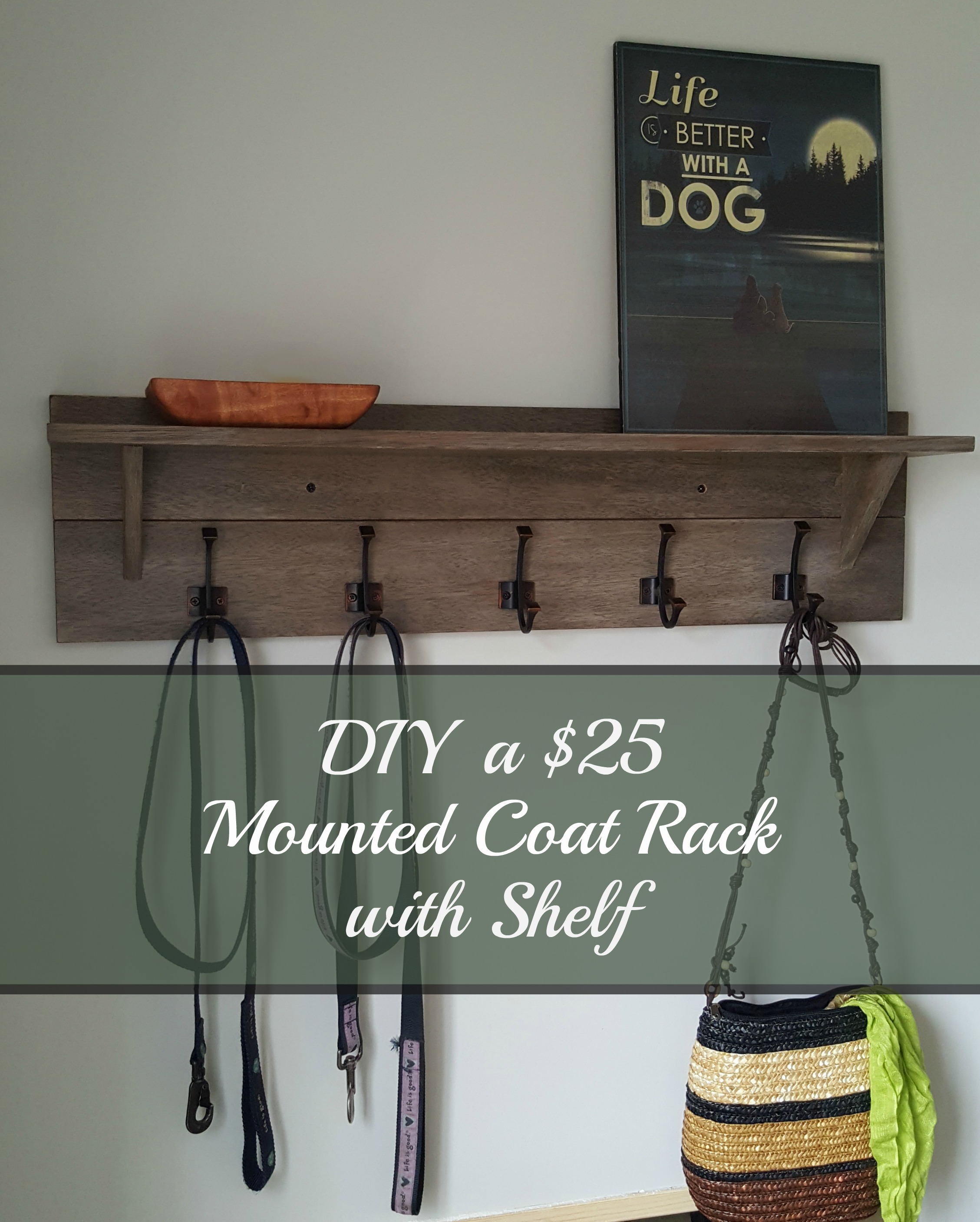
Credit: turtlesandtails.blogspot.com
Maintaining Your Coat Rack
Maintaining your wall-mounted coat rack keeps it strong and attractive. Regular care helps it last longer and look good. Small efforts prevent big problems later.
Cleaning Tips
Dust the coat rack often with a soft cloth. Use mild soap and water for sticky spots. Dry it well to avoid water damage. Avoid harsh chemicals that can harm the finish.
Tightening Hardware
Check screws and hooks every few months. Use a screwdriver to tighten any loose parts. Loose hardware can cause the rack to fall. Keep all parts secure for safety.
Repairing Minor Damage
Fix small scratches with furniture touch-up markers or paint. Use wood glue for tiny cracks or splits. Sand rough edges gently to smooth them out. Prompt repairs keep the rack looking new.
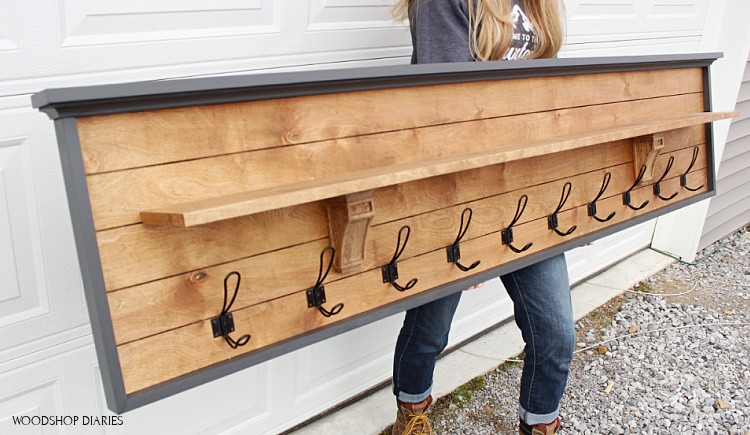
Credit: www.woodshopdiaries.com
Frequently Asked Questions
How Do I Mount A Coat Rack On Drywall?
Use wall anchors or toggle bolts for secure mounting. Locate studs if possible. Mark spots, drill holes, insert anchors, and screw the rack firmly.
What Tools Are Needed To Install A Wall-mounted Coat Rack?
You need a drill, screwdriver, level, measuring tape, pencil, and wall anchors. These tools help ensure precise and secure installation.
Can I Mount A Coat Rack On Tile Walls?
Yes, use a masonry drill bit and wall anchors designed for tile. Drill carefully to avoid cracking, then secure the rack with screws.
How High Should A Wall-mounted Coat Rack Be Placed?
Place the rack at about 5 to 6 feet high. This height suits most users for easy reach and hanging convenience.
Conclusion
Creating a wall-mounted coat rack is simple and practical. It saves space and keeps your home organized. Using basic tools and materials makes the project easy to complete. You can customize the rack to fit your style and needs. This small addition adds function and charm to any room.
Try making one yourself and enjoy a tidy, neat space. It’s a useful project anyone can do.

