Are you looking to create a sturdy, stylish wooden bunk bed that also saves space with built-in drawers? Making your own bunk bed might sound challenging, but with the right steps, you can build a piece that fits perfectly in your room and meets your storage needs.
Imagine having a bed that not only provides a comfortable place to sleep but also keeps your space tidy and organized. In this guide, you’ll discover simple, clear instructions to help you build a wooden bunk bed with drawers, even if you’re new to woodworking.
Ready to transform your bedroom and impress everyone with your DIY skills? Keep reading to find out how!

Credit: www.simplyhandmadestudios.com
Materials And Tools Needed
Building a wooden bunk bed with drawers needs the right materials and tools. Choosing quality wood and proper tools makes the project easier. It also ensures the bed is strong and lasts long.
Gather everything before starting. This saves time and avoids interruptions. Below, find the key materials and tools needed for your bunk bed build.
Choosing The Right Wood
Select wood that is sturdy and safe for furniture. Pine is a good choice. It is affordable and easy to work with. Oak and maple are stronger but cost more. Avoid soft woods that may bend or break.
Make sure the wood is smooth and free of knots. This helps prevent splinters and makes finishing easier. Also, check for straight boards to keep the bed stable.
Essential Tools List
Basic tools help you measure, cut, and assemble the wood. A saw is needed to cut the boards to size. A drill and screwdriver make joining pieces easier. Sandpaper or a sander smooths rough edges.
A tape measure is important for accurate cuts. A square tool helps keep corners right angled. Clamps hold pieces in place while you work. A pencil is useful for marking measurements.
Additional Hardware
Besides wood and tools, you need hardware for strong joints. Wood screws hold the frame together. Drawer slides allow smooth drawer movement. Corner brackets add extra support to the bed frame.
Use safety hardware like guardrails and ladders designed for bunk beds. Sanding sealer or paint finishes protect the wood. Choose non-toxic finishes for child safety.
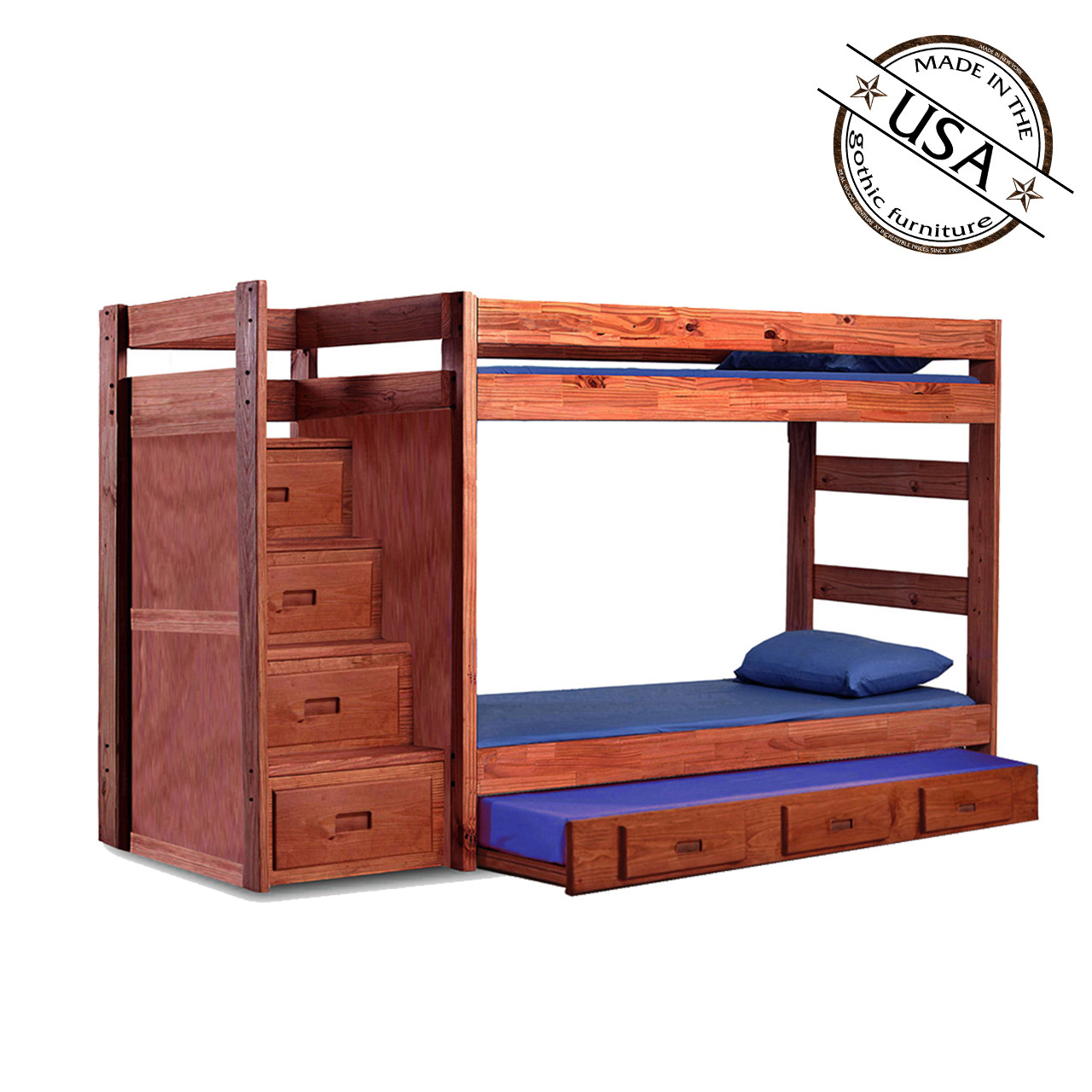
Credit: www.gothiccabinetcraft.com
Planning Your Bunk Bed Design
Planning your bunk bed design is the first step to building a safe, useful piece of furniture. Careful planning saves time and avoids mistakes. It helps you fit the bed perfectly in your room. You get a clear idea of what materials and tools you need. This step also allows you to create a strong and comfortable bed.
Measuring Space And Dimensions
Start by measuring the room space where the bunk bed will go. Measure the length, width, and height of the area. Note any doors, windows, or heaters that might block the bed. Check the ceiling height to allow enough space between the top and bottom bunks. Also, measure the mattress size you will use. Write down all measurements clearly before moving on.
Sketching The Layout
Draw a simple layout of your bunk bed on paper. Include the frame, ladder, and guardrails. Show the position of the drawers under the bed. Use the measurements you took to keep the drawing accurate. Sketching helps you visualize the final product. It also makes it easier to explain your idea to others or follow during building.
Incorporating Drawer Storage
Think about how many drawers you want and their size. Plan the drawer space to fit under the bottom bunk. Decide if drawers will pull out from the front or side. Ensure the drawers do not block room walkways or other furniture. Using drawers adds extra storage and keeps the room tidy. Make sure the design allows easy opening and closing of drawers.
Cutting And Preparing Wood Pieces
Cutting and preparing wood pieces is a crucial step in building a wooden bunk bed with drawers. It sets the foundation for the entire project. Accurate cuts ensure the bed fits together well and stays strong over time. Proper preparation of wood helps avoid splinters and rough edges. This process requires focus and care to make sure all parts are ready for assembly.
Marking Measurements
Start by measuring all wood pieces carefully. Use a tape measure and pencil for clear marks. Double-check each measurement before marking. Draw straight lines with a ruler or square tool. Mark cuts on the smooth side of the wood. Clear markings help guide your saw and reduce errors.
Safe Cutting Techniques
Wear safety glasses and gloves before cutting wood. Use a sharp saw for clean cuts. Cut slowly and steadily along the marked lines. Keep your hands away from the blade. Secure the wood with clamps to avoid movement. Follow the saw’s instructions to prevent accidents.
Sanding And Smoothing
After cutting, sand all edges and surfaces. Use medium-grit sandpaper first to remove rough spots. Then, switch to fine-grit sandpaper for a smooth finish. Sand along the wood grain to avoid scratches. Wipe off dust with a clean cloth. Smooth wood prevents splinters and improves appearance.
Building The Bed Frame
Building the bed frame is the key step in making your wooden bunk bed. A strong frame ensures safety and long-lasting use. Focus on precise cuts and solid joins for the best results. This part breaks down into three main tasks: assembling the base, constructing the bed rails, and adding the ladder and guardrails.
Assembling The Base
Start with the base since it supports the entire bed. Use thick wooden planks for strength. Lay out the pieces flat and join them with screws or wood glue. Check that the frame is square by measuring diagonals. Reinforce corners with metal brackets to prevent wobbling.
Constructing The Bed Rails
Next, build the bed rails that hold the mattress. Attach horizontal rails to the base’s sides. Use sturdy wood to carry weight safely. Space slats evenly across the frame to support the mattress. Secure each slat tightly to avoid movement or gaps.
Adding The Ladder And Guardrails
Finish by attaching the ladder and guardrails. Fix the ladder firmly on one side for easy climbing. Guardrails must be high enough to stop falls. Use screws and wood glue to fasten these parts securely. Double-check all connections before moving to the next step.
Creating And Installing Drawers
Creating and installing drawers in a wooden bunk bed adds both style and function. Drawers provide extra storage without taking up more space. Building them strong and fitting them well is important for smooth use. This section guides you through each step of the drawer process.
Building Drawer Boxes
Start by cutting wood panels for the drawer sides, front, back, and bottom. Use sturdy wood like plywood for strength. Assemble the panels using wood glue and nails. Make sure the corners are square and the box is even. Sand all edges smooth to avoid splinters. The drawer box should fit inside the bunk bed frame with a little space to slide.
Fitting Drawer Slides
Select drawer slides that match the drawer size and weight. Attach one part of the slide to the drawer box side. Fix the matching slide part inside the bunk bed frame where the drawer will go. Check that the slides line up perfectly. Test the drawer by sliding it in and out. Adjust if it sticks or feels loose. Proper slides keep the drawer stable and easy to open.
Installing Drawer Handles
Choose handles that are comfortable and match the bunk bed design. Mark the handle positions on the drawer front. Drill holes carefully for the screws. Attach the handles with screws and tighten securely. Handles make opening the drawers easier and add a nice touch. Ensure handles do not catch on clothing or bedding.
Finishing Touches
Finishing touches bring your wooden bunk bed to life. These final steps enhance beauty and safety. Proper finishing protects the wood and ensures long-lasting use. Follow these tips to complete your bunk bed project.
Applying Paint Or Stain
Choose a paint or stain that suits your room’s style. Use a brush or roller for smooth, even coverage. Apply thin coats to avoid drips and uneven color. Let each coat dry fully before adding the next. Paint seals the wood, protecting it from moisture and wear. Stain highlights the natural grain, giving a warm look. Finish with a clear sealant for extra durability.
Adding Safety Features
Safety is key for bunk beds, especially for kids. Attach guardrails firmly on the top bunk to prevent falls. Add rounded edges to prevent injuries from sharp corners. Use non-slip pads under the ladder and drawers for stability. Check that all screws and bolts are tight. Avoid gaps that can trap fingers or toys. Safety features give peace of mind for parents and kids.
Final Assembly And Inspection
Put all parts together carefully and securely. Follow your plan to fit drawers smoothly into place. Test the drawers to ensure they slide easily. Double-check all joints and fasteners for strength. Inspect the bunk bed for any rough spots or splinters. Sand these areas for a smooth finish. A final inspection ensures your bunk bed is safe and ready to use.
Maintenance Tips
Keeping your wooden bunk bed with drawers in good shape is important. Proper maintenance helps the bed last longer and stay safe for use. Small efforts each week can prevent big problems later. Here are key tips to care for your bunk bed.
Regular Cleaning
Dust and dirt can damage wood over time. Wipe the bed with a soft, dry cloth often. Use a slightly damp cloth for sticky spots. Avoid harsh chemicals that can strip the wood finish. Keep drawers clean inside and out to prevent buildup.
Checking For Loose Parts
Loose screws or bolts make the bed unsafe. Check all joints and hardware regularly. Tighten any loose screws to keep the bed stable. Look for cracks or splits in the wood. Fix small issues early to avoid bigger repairs.
Extending Bed Longevity
Use protective pads under the bed legs to stop floor scratches. Avoid placing the bed in direct sunlight to prevent fading. Keep the room humidity balanced to protect the wood. Treat the wood with polish or wax every few months. This keeps the surface smooth and strong.
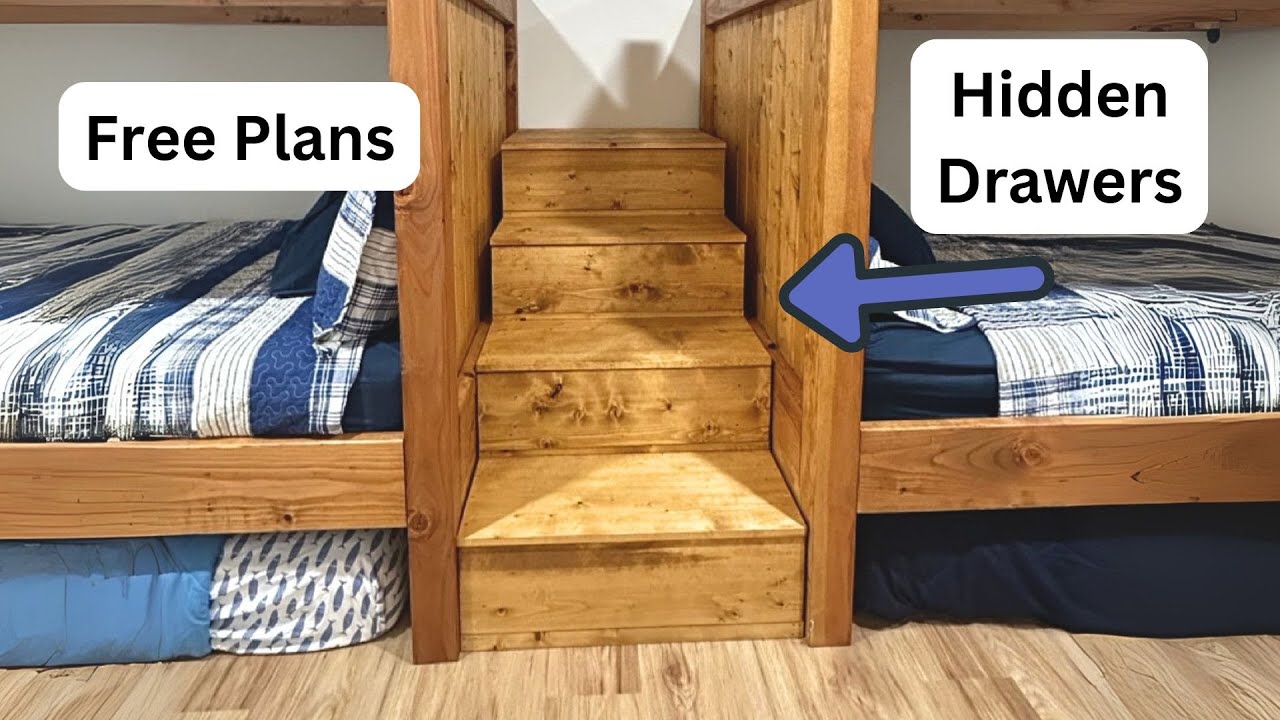
Credit: www.youtube.com
Frequently Asked Questions
What Materials Are Needed For A Wooden Bunk Bed With Drawers?
You need quality wood, screws, drawer slides, wood glue, sandpaper, and a finish. Choose durable wood like pine or oak. Proper materials ensure safety and longevity of the bunk bed with drawers.
How Do I Build Sturdy Drawers For The Bunk Bed?
Use solid wood panels and strong drawer slides. Assemble with wood glue and screws. Ensure drawer size fits the bed frame. Test drawers for smooth operation and durability before final installation.
What Tools Are Essential For Making A Wooden Bunk Bed?
Basic tools include a saw, drill, screwdriver, measuring tape, sander, and clamps. These tools help cut, assemble, and finish the bed accurately. Using the right tools ensures a safe and professional build.
How Can I Ensure The Bunk Bed Is Safe For Kids?
Secure all joints tightly and use guardrails on the top bunk. Sand all surfaces to avoid splinters. Check for weight limits and install sturdy ladders. Safety is crucial in bunk bed construction.
Conclusion
Building a wooden bunk bed with drawers adds smart storage to any room. Follow each step carefully to ensure safety and strength. Choose good wood and quality tools for best results. Take your time and measure twice before cutting. The final product will save space and keep things tidy.
Enjoy the satisfaction of making furniture yourself. This project suits beginners willing to learn and create. Try this project to bring function and style together.