
Are you tired of cluttered entryways and misplaced coats? A wooden standing coat rack could be the perfect solution for your home.
Imagine having a sturdy, stylish place to hang your jackets, hats, and scarves—all within easy reach. In this guide, you’ll discover simple steps to build your own coat rack, even if you’re new to woodworking. By the end, you’ll have a beautiful, functional piece that adds charm and order to your space.
Ready to get started? Let’s dive in!
Materials And Tools
Building a wooden standing coat rack is a fun project. The right materials and tools make it easier. Knowing what wood to use and which tools are needed saves time. It also helps you get a strong and good-looking rack. Let’s explore what you need before starting your build.
Wood Types Suitable For Coat Racks
Choose wood that is strong and lasts long. Oak is a popular choice. It is tough and looks nice. Pine is softer but easy to work with. It also costs less. Maple has a smooth finish and good strength. Cherry wood offers a rich color and is durable. Avoid soft or weak woods that break easily.
Essential Tools For The Project
Start with a saw to cut the wood pieces. A handsaw or power saw works well. Use a drill to make holes for screws and hooks. Sandpaper or a sander helps smooth rough edges. A measuring tape ensures exact cuts and proper size. Clamps keep the wood steady while working. A screwdriver is needed to tighten screws.
Additional Hardware And Supplies
Get screws and wood glue for strong joints. Coat hooks or pegs hold the coats. Choose hooks that match your style and wood. Wood finish or paint protects the surface and adds color. Use brushes or rags for applying finish. Safety gear like gloves and goggles protect you during work.
Designing Your Coat Rack
Designing your wooden standing coat rack is an important step. A good design makes it useful and strong. Think about where you will place it and how many coats it should hold.
Planning helps you build a rack that fits your space and needs. Focus on size, hooks, and stability. These parts keep your rack practical and safe.
Choosing The Right Dimensions
Measure the space for your coat rack. Make sure it is not too tall or wide. A height of about 5 to 6 feet works well. The base should be wide enough to stop it from tipping over.
Keep the width and depth balanced. This helps the rack hold many coats without falling. A slim design fits small rooms better.
Selecting The Number Of Hooks
Think about how many coats you want to hang. Choose enough hooks for your family or guests. Usually, 6 to 10 hooks work well.
Space the hooks evenly. Leave room so coats don’t overlap too much. Use strong hooks that hold heavy coats easily.
Incorporating Stability Features
Stability is key for safety. Use a heavy base to keep the rack steady. Consider adding support beams or wider legs.
Test the rack by pressing on it gently. It should not wobble or tip. A stable rack lasts longer and keeps your coats safe.
Preparing The Wood
Preparing the wood is the first important step in making your wooden standing coat rack. This stage sets the foundation for a strong and attractive rack. Proper preparation helps the wood fit well and look great. It also makes the assembly easier and safer. Take your time to prepare each piece carefully.
Measuring And Marking
Start by measuring the wood pieces you need. Use a tape measure for accuracy. Mark the measurements clearly with a pencil. Check each mark twice to avoid mistakes. Correct marks ensure your pieces fit perfectly. Mark all parts before cutting to stay organized.
Cutting The Wood Pieces
Use a saw to cut along your pencil marks. A handsaw or power saw works well. Cut slowly and steadily to keep straight lines. Wear safety glasses to protect your eyes. After cutting, check each piece for the right size. Trim any edges if needed for a perfect fit.
Sanding For Smoothness
Sand all cut edges and surfaces with sandpaper. Start with medium grit to remove rough spots. Then use fine grit for a smooth finish. Sanding helps prevent splinters and makes the wood look better. Wipe off dust with a cloth after sanding. Smooth wood feels nice and is ready for finishing.

Credit: www.youtube.com
Assembling The Base
Assembling the base of your wooden standing coat rack sets the stage for its strength and balance. A solid base supports the entire structure and keeps it from tipping over. Careful assembly here ensures your coat rack lasts a long time and stands firm on any floor.
Building A Stable Foundation
Start by selecting sturdy wood pieces for the base. The wood should be thick enough to hold weight without bending. Cut the pieces evenly to create a flat, balanced surface.
Arrange the base pieces in a cross or star shape. This design spreads the weight evenly. Use a level to check the base is flat on the ground. Adjust the pieces until the base does not rock or tilt.
Joining Techniques For Durability
Use strong joints to hold the base together securely. Pocket holes and wood screws work well for tight connections. Drill pilot holes first to avoid splitting the wood.
Apply wood glue along the edges before screwing parts together. The glue adds extra strength and prevents loosening over time. Clamp the joints and let the glue dry fully before moving on.
Double-check all connections once dry. The base should feel solid and not wobble. Reinforce any weak spots with extra screws or brackets if needed.
Constructing The Upright Frame
Constructing the upright frame is a key step in making a wooden standing coat rack. This frame holds the entire structure strong and stable. Building it carefully ensures your coat rack will last long and stand firm. Follow simple steps to assemble the vertical supports and check the alignment.
Attaching Vertical Supports
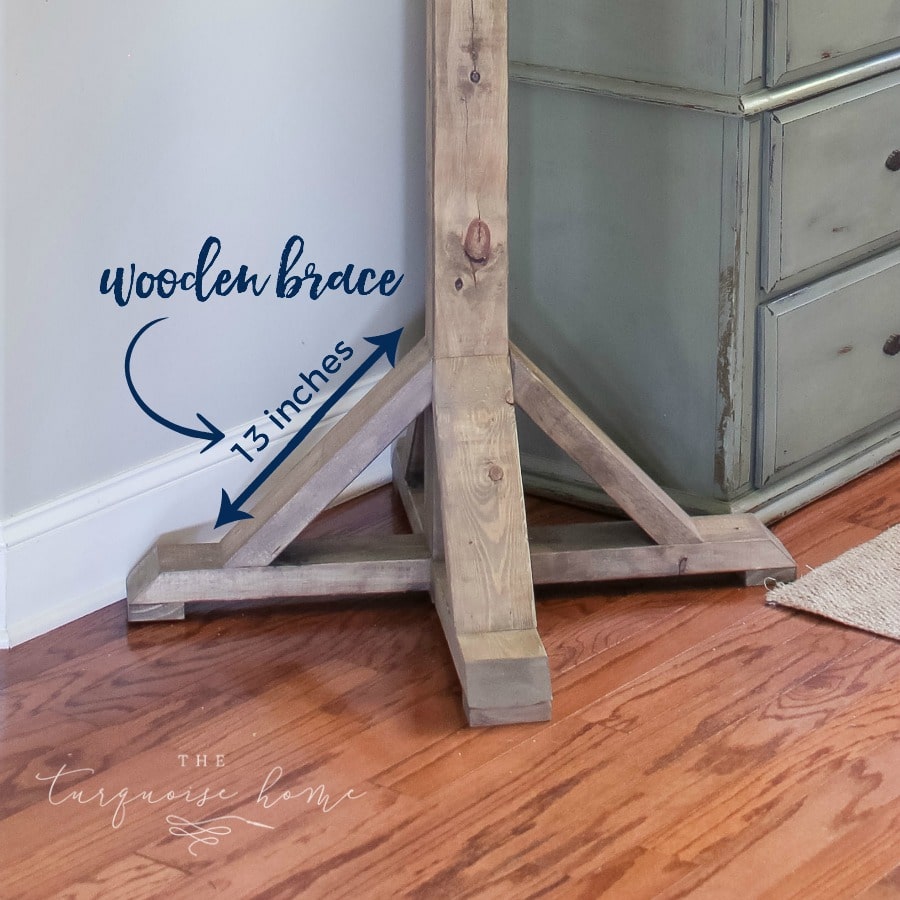
Start by cutting the wood pieces for the vertical supports. These are the main parts that hold the rack up. Use screws or wood glue to join the supports to the base. Secure each joint tightly to avoid wobbling. Check each connection to make sure it is strong and steady.
Ensuring Proper Alignment
Use a level tool to keep the vertical supports straight. Proper alignment prevents the rack from leaning or falling. Measure the distance between supports on both sides. Adjust as needed before the glue or screws dry. Straight supports mean a balanced and safe coat rack.
Credit: theturquoisehome.com
Adding Hooks And Finishing Touches
Adding hooks and finishing touches brings your wooden coat rack to life. This step makes it practical and stylish. Hooks hold coats, hats, and bags. Finishing touches protect the wood and improve the look. Follow simple steps to install hooks and finish your rack beautifully.
Installing Hooks Or Pegs
Choose hooks or pegs that match your style and needs. Mark spots on the wood evenly for balance. Use a drill to make small pilot holes for screws. Attach hooks securely with screws or nails. Check each hook’s stability before use. Spacing hooks well prevents crowding and keeps items accessible.
Applying Stain Or Paint
Pick a stain or paint that suits your room’s decor. Apply with a brush or cloth in thin, even coats. Allow each coat to dry fully before adding another. Stain highlights wood grain and gives a natural look. Paint adds color and covers imperfections. Light sanding between coats helps smooth the surface.
Sealing For Protection
Seal your coat rack to protect it from damage. Use clear polyurethane or a wood sealant for durability. Apply sealant with a clean brush in thin layers. Let the seal dry completely for a hard finish. Sealing guards against moisture, dirt, and wear. Your rack will last longer and stay beautiful.
Maintenance Tips
Maintaining your wooden standing coat rack keeps it strong and beautiful. Regular care protects the wood from damage and wear. Simple steps help your coat rack last for years. Follow these tips to keep it looking new.
Cleaning And Care
Dust your coat rack often with a soft cloth. Use a dry or slightly damp cloth. Avoid soaking the wood with water. Mild soap can help remove stubborn dirt. Wipe gently and dry the surface right away. Keep the coat rack away from direct sunlight. Sunlight can fade and dry out the wood. Use wood polish or wax to keep the finish smooth. Apply polish every few months for best results.
Repairing Minor Damages
Small scratches and dents are normal over time. Use fine sandpaper to smooth out light scratches. Sand gently to avoid removing too much wood. For deeper scratches, wood filler works well. Match the filler color to your coat rack. After filling, sand the area to make it even. Apply wood stain or polish to blend repairs. Tighten any loose screws or joints. This keeps the rack stable and safe to use.

Credit: www.youtube.com
Frequently Asked Questions
What Materials Are Needed For A Wooden Coat Rack?
You need wood planks, screws, hooks, wood glue, sandpaper, and finish paint or varnish. Choose durable wood like oak or pine for strength and aesthetics.
How Long Does It Take To Build A Coat Rack?
Building a wooden coat rack typically takes 2 to 4 hours. Time varies with skill level and drying time for paint or varnish.
Can I Customize The Coat Rack Design?
Yes, customize by altering hook placement, wood type, height, and finish. Personalize it to match your home decor and storage needs.
What Tools Are Required For Assembly?
Basic tools include a saw, drill, screwdriver, measuring tape, and clamps. These help cut, assemble, and secure parts accurately and safely.
Conclusion
Building a wooden standing coat rack can be simple and fun. You only need basic tools and some wood. Follow the steps carefully, and take your time. The result is a useful piece that fits your style. It keeps your coats neat and easy to find.
Plus, it adds charm to any room. Try making one yourself and enjoy the satisfaction. A handmade rack lasts long and feels special. Give it a try, and see how rewarding it is.
