
Is your bedroom furniture looking worn out or outdated? You don’t have to spend a fortune replacing it.
Refurbishing your bedroom furniture can give your space a fresh, stylish new look without breaking the bank. Imagine transforming that old dresser or nightstand into a stunning centerpiece that reflects your personality and style. In this guide, you’ll discover simple, step-by-step tips to breathe new life into your bedroom furniture.
Whether you’re a beginner or just looking for creative ideas, this article will help you save money, reduce waste, and create a cozy retreat you’ll love coming home to. Ready to get started? Let’s dive in!
Choosing Furniture To Refurbish
Choosing the right furniture to refurbish sets the foundation for a successful project. Not all pieces are good candidates. Some require too much work or may lose value if altered. Careful selection saves time and money. It also ensures the final result looks great and fits your style.
Identifying Pieces Worth Saving
Look for furniture with strong bones. Solid wood frames last longer and hold up better. Choose pieces with classic shapes and good proportions. These stand the test of time. Avoid items with too many missing parts or broken joints. They can be hard to fix and costly.
Avoiding Valuable Antiques
Many antiques have hidden value. Refinishing can lower their worth. If unsure, research or ask an expert. Valuable antiques often have maker’s marks or stamps. These identify the piece and its history. Preserving original finishes keeps value high. Choose other furniture if you want to refurbish freely.
Assessing Damage And Wear
Check for scratches, dents, and stains. Some damage is easy to repair with sanding or filling. Structural damage needs more skill and tools. Check drawers and doors for smooth operation. Broken or missing hardware may be replaced. Avoid pieces with severe water or insect damage. These problems can be costly to fix.
Gathering Tools And Materials
Before starting your bedroom furniture refurbishment, gather all necessary tools and materials. Proper preparation saves time and ensures smooth progress. Having everything ready helps avoid interruptions during the project.
Essential Tools For Refinishing
Start with basic tools like sandpaper and sanding blocks to smooth surfaces. A paintbrush set in various sizes suits different furniture parts. Use a scraper or putty knife to remove old paint or finish. Have screwdrivers and pliers ready for disassembly. A clean cloth or tack cloth helps remove dust before painting. Consider an electric sander for large pieces to save effort. A drop cloth protects your workspace from spills.
Types Of Paints And Finishes
Choose paint based on the furniture material and desired look. Chalk paint offers a matte, vintage appearance and requires little prep. Latex paint is water-based, easy to clean, and durable. Oil-based paint provides a glossy finish but takes longer to dry. Finish options include wax, polyurethane, or varnish. Wax adds a soft sheen and protects the paint. Polyurethane creates a tough, water-resistant layer. Varnish enhances wood grain and offers strong protection.
Safety Gear And Workspace Setup
Wear safety goggles to protect your eyes from dust and splinters. Use a dust mask or respirator to avoid inhaling particles and fumes. Gloves keep your hands clean and safe from chemicals. Work in a well-ventilated area to reduce exposure to paint fumes. Set up your workspace with good lighting to see details clearly. Cover floors and nearby furniture to avoid damage. Organize tools for easy access during each step.
Preparing Furniture For Refinishing
Preparing furniture for refinishing is a key step in any bedroom makeover. It ensures the new finish looks smooth and lasts longer. This stage requires patience and attention to detail. Each step removes old layers and dirt that can spoil the final look.
Cleaning And Removing Dirt
Start by wiping the furniture with a soft cloth. Use warm water mixed with mild soap to remove grease and grime. Avoid soaking the wood to prevent damage. For stubborn dirt, a gentle scrub with a soft brush works well. Let the furniture dry completely before moving on.
Sanding Techniques For Smooth Surfaces
Sanding smooths rough spots and removes the old finish. Use medium-grit sandpaper first, around 120 grit. Sand in the direction of the wood grain to avoid scratches. After that, switch to fine-grit paper, about 220 grit, for a polished surface. Clean off dust with a tack cloth before refinishing.
Stripping Old Paint Or Varnish
Old paint or varnish can hide the wood’s natural beauty. Use a chemical stripper to remove these layers safely. Apply the stripper with a brush and wait as per the product’s instructions. Scrape off softened paint with a plastic scraper. Wash the surface with water and let it dry fully. Always wear gloves and work in a ventilated area for safety.
Repairing And Priming
Repairing and priming are key steps in refurbishing bedroom furniture. These steps fix surface damage and prepare furniture for a fresh coat of paint. Proper repairs help the finish last longer and look smooth. Priming ensures paint sticks well and covers old colors or stains.
Fixing Scratches And Dents
Start by cleaning the damaged area with a soft cloth. Light scratches can be rubbed gently with fine steel wool. For deeper scratches or dents, use wood filler or putty. Apply filler with a putty knife and smooth it out. Let it dry completely before sanding it smooth. Sanding removes rough edges and blends the repair into the surface.
Filling Holes And Cracks
Check the furniture for holes and cracks. Use wood filler to fill these gaps. Press filler firmly into holes using a putty knife. For larger cracks, apply several layers if needed. Allow each layer to dry before adding the next. Once dry, sand the area until it is even with the rest of the surface. This step prevents paint from cracking or peeling later.
Applying Primer For Better Adhesion
Choose a primer suitable for your furniture material. Apply primer evenly with a brush or roller. Priming blocks stains and creates a smooth base for paint. Let the primer dry according to the product instructions. Lightly sand the primed surface to remove any bumps. This improves paint adhesion and results in a professional finish.
Painting And Staining
Painting and staining are key steps to refresh your bedroom furniture. They give old pieces a new look. These methods also protect wood and improve durability. Choosing the right color or stain changes the room’s mood and style. Proper technique makes your work last longer and look professional. Below are simple tips for painting and staining furniture.
Choosing Paint Colors And Stains
Select colors that match your room’s style and lighting. Light colors make small rooms feel bigger. Dark colors add warmth and richness. Stains highlight the wood’s natural beauty. Test colors on a small area before applying. Consider the furniture’s age and material. Matte finishes hide flaws better than glossy ones.
Applying Paint Evenly
Start with clean, sanded surfaces for smooth paint. Use a good brush or foam roller for even coats. Apply thin layers to avoid drips and brush marks. Let each coat dry fully before adding another. Sand lightly between coats for a smooth finish. Work in a dust-free area for best results.
Using Stains For Natural Wood Look
Stains soak into wood and show its grain. Choose from light, medium, or dark tones. Apply with a cloth or brush along the grain. Wipe off excess stain quickly to avoid blotches. Multiple coats deepen color and enhance wood texture. Finish with a clear sealant to protect the surface.
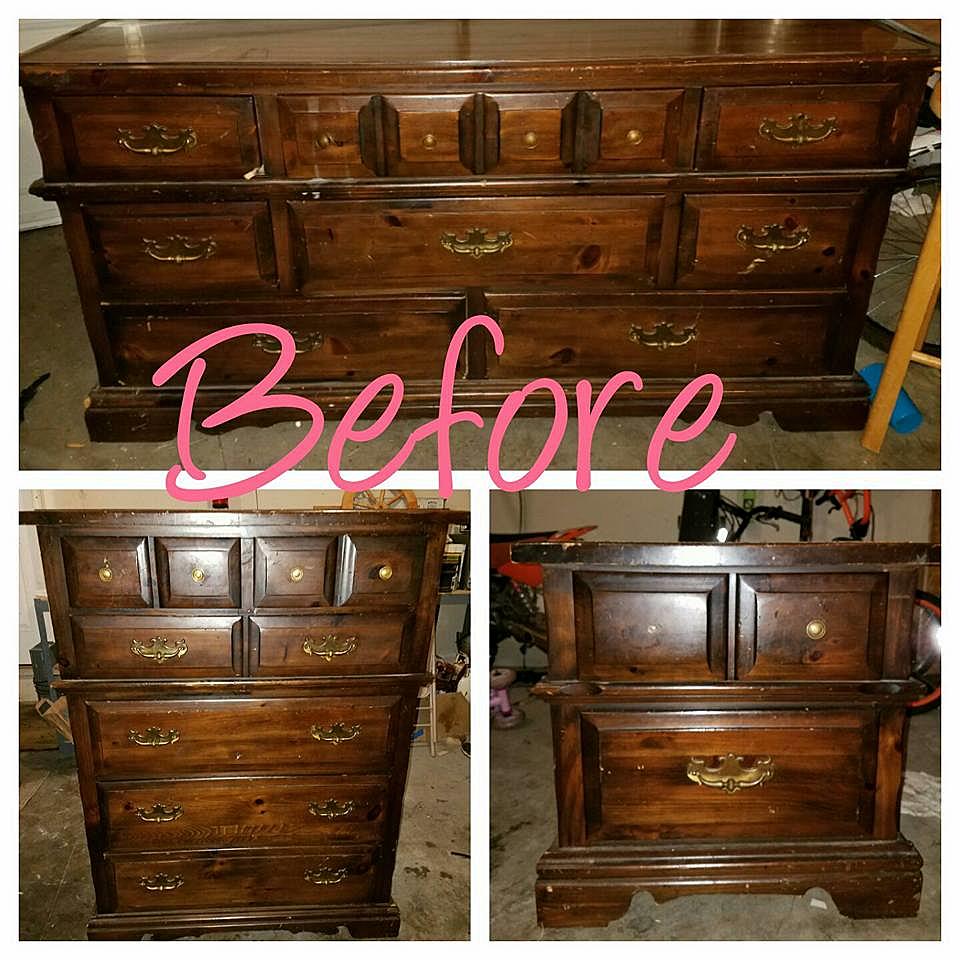
Credit: wkfr.com
Adding Finishing Touches
Adding finishing touches transforms your refurbished bedroom furniture from good to stunning. These final steps protect the piece and enhance its look. Small details make a big difference. Focus on sealing, hardware, and decorative elements for a polished finish.
Sealing With Varnish Or Polyurethane
Sealing protects your furniture from scratches and spills. Varnish adds a glossy or satin shine. Polyurethane offers a stronger, durable coat. Apply thin, even layers with a brush. Let each layer dry fully before adding another. This step keeps your furniture looking new longer.
Replacing Hardware And Knobs
New hardware gives your furniture a fresh, updated look. Choose knobs or handles that match your style. Brass, chrome, or painted finishes work well. Remove old hardware carefully. Install new pieces securely with the right screws. This simple update can change the entire feel of your bedroom.
Decorative Techniques And Details
Adding decorative touches adds personality to your furniture. Try stenciling patterns or hand-painted designs. Use painter’s tape for clean lines. Consider distressing edges for a vintage look. Add wallpaper or fabric to drawer fronts for texture. These small details create a unique, charming piece.
Maintaining Refurbished Furniture
Maintaining refurbished bedroom furniture keeps it beautiful and functional for years. Proper care preserves your hard work and investment. Small daily efforts make a big difference in the furniture’s lifespan.
Use gentle methods and avoid harsh chemicals. Keep furniture away from direct sunlight and moisture. These steps help retain the finish and wood quality.
Cleaning Tips For Longevity
Dust furniture regularly with a soft, dry cloth. Avoid wet wiping unless necessary. For sticky spots, use a damp cloth with mild soap.
Never use abrasive cleaners or scrubbers. These damage the finish and wood underneath. Clean spills immediately to prevent stains or water damage.
Handling Wear And Tear
Small scratches and dents happen over time. Fix minor scratches using a matching wood marker or wax stick. Use furniture polish to reduce the appearance of wear.
Avoid dragging furniture when moving it. Lift pieces gently to prevent weakening joints or scratches. Use felt pads under legs to protect floors and furniture.
When To Refinish Again
Refinish furniture when the finish looks dull or worn. Deep scratches, peeling paint, or water damage signal a need for refinishing. Frequent cleaning will not fix these issues.
Check joints and structural parts for stability. Loose or broken parts may require more than just refinishing. Regular inspection helps catch problems early.

Credit: www.artsandclassy.com
Budgeting And Time Management
Budgeting and time management are key when refurbishing bedroom furniture. They help keep your project on track and within limits. Careful planning avoids unexpected costs and delays. Knowing the costs and time for each step ensures smooth progress. Smart budgeting maximizes the value of your efforts. Good time management helps finish the project without stress.
Cost Comparison: Refurbish Vs. Buy New
Refurbishing often costs less than buying new furniture. New bedroom sets can be expensive, especially quality pieces. Refurbishing lets you keep a favorite item without a big price tag. Materials like paint, sandpaper, and brushes cost less than a new bed or dresser. Labor costs drop if you do the work yourself. Sometimes, refurbishment can give your furniture a unique look new items lack.
Estimating Time For Each Step
Break the project into small tasks to estimate time. Sanding can take a few hours depending on furniture size. Painting or staining needs drying time between coats. Assembly or repairs might add extra hours. Plan for unexpected delays like paint drying slower on humid days. Setting realistic daily goals helps complete the project steadily. Tracking time spent prevents rushing at the end.
Saving Money With Diy Approaches
Doing the work yourself saves on labor costs. Simple repairs like tightening screws or gluing joints need no special skills. Learning to paint or stain furniture is easy with online tutorials. Borrowing tools or buying secondhand reduces expenses. DIY also allows you to control quality and style. Avoiding professional fees lowers overall spending. Small mistakes teach valuable skills for future projects.
Avoiding Common Mistakes
Refurbishing bedroom furniture can breathe new life into old pieces. Avoiding common mistakes saves time and effort. Many beginners face similar errors that hurt the final look. Knowing these pitfalls helps create beautiful results.
Skipping Surface Preparation
Surface preparation is the most important step. Paint or stain will not stick well on dirty or rough surfaces. Sand the furniture to smooth out scratches and old finishes. Clean the dust and grease thoroughly before painting. Skipping this step causes peeling and uneven color. Spend time on preparation for a lasting finish.
Using Wrong Paint Types
Choose the right paint for your furniture material. Latex paints work well on wood but can be too soft for heavy use. Oil-based paints provide durability but need longer drying time. Chalk paint is great for a vintage look and requires less prep. Using the wrong paint leads to cracking and chipping. Match paint type with furniture use and style.
Ignoring Safety Precautions
Safety is crucial during refurbishment. Work in a well-ventilated area to avoid harmful fumes. Wear gloves and masks when sanding or painting. Keep your workspace clean and free of clutter. Avoid inhaling dust or chemicals. Ignoring safety risks your health and slows progress. Protect yourself for a safe project experience.

Credit: wkfr.com
Frequently Asked Questions
Is It Cheaper To Refinish Furniture Or Buy New?
Refinishing furniture is usually cheaper for high-quality pieces than buying new. It restores value and saves money.
What Furniture Should Not Be Refinished?
Avoid refinishing valuable antiques, designer pieces, or furniture with unique markings to preserve their worth and authenticity.
What Makes A Bedroom Look Tacky?
Oversized furniture, bold wallpaper, and harsh lighting make a bedroom look tacky. Visible tech and bright lights also disrupt calm. Keep furnishings balanced and lighting soft for a stylish, relaxing space.
In What Order Do You Renovate A Bedroom?
Start by decluttering and repairing walls, then paint or wallpaper. Next, update flooring and lighting. Finally, arrange furniture and add decor.
Conclusion
Refurbishing bedroom furniture gives old pieces new life and charm. Simple steps can make your furniture look fresh and stylish again. Choose the right materials and take your time with each step. Small changes can create a big impact in your bedroom’s look.
Enjoy the process and the satisfaction of saving money. Your room will feel cozy and unique with refurbished furniture. Start today and see how easy it is to refresh your space.