Are you tired of cluttered floors and empty walls? Imagine turning that blank space into a stylish, practical bookshelf that holds your favorite reads and adds charm to your room.
Building a bookshelf on your wall is easier than you think—and it saves space while showcasing your personality. In this guide, you’ll discover simple steps to create a sturdy, beautiful bookshelf that fits your style and needs. Ready to transform your wall and organize your books like a pro?
Keep reading, and let’s get started!
Choosing The Right Spot
Choosing the right spot for your bookshelf on the wall is very important. It affects how your room looks and how easy it is to use the shelf. A good spot makes the bookshelf both useful and beautiful. Start by thinking about your room and where the shelf fits best.
Assessing Wall Space
Look at the walls in your room. Find a wall that has enough open space. Avoid walls with many doors or windows. A clear wall gives you more room for shelves. Check for any obstacles like light switches or outlets. These can affect where you place the shelf.
Considering Room Layout
Think about the furniture in the room. Place the shelf where it does not block walking paths. The shelf should be easy to reach. Avoid putting it too close to the bed or sofa. Make sure it fits well with other items in the room.
Measuring Dimensions
Measure the wall space carefully. Note the height, width, and depth available. Use a tape measure for exact numbers. This helps you pick the right size shelf. Too big or too small shelves will look odd. Accurate measurements keep everything balanced and neat.
Gathering Materials
Gathering the right materials is the first step to build a sturdy bookshelf on your wall. Good materials ensure the shelf lasts long and holds your books safely. Preparation here saves time and effort during the build.
Selecting Wood Types
Choose wood that fits your style and strength needs. Pine is affordable and easy to work with. Oak is harder and lasts longer but costs more. Plywood offers a smooth finish and resists warping. Consider the weight of books to pick strong wood.
Picking Tools And Hardware
Basic tools include a drill, screwdriver, level, and measuring tape. You will also need screws, wall anchors, and brackets for support. Select screws that fit your wood type. Use wall anchors for drywall to hold weight securely.
Safety Gear Essentials
Wear safety glasses to protect your eyes from dust and debris. Use gloves to avoid splinters and cuts. A dust mask helps prevent inhaling sawdust. Safety gear keeps you safe and comfortable during work.
Designing Your Bookshelf
Designing your bookshelf is the first step to creating a beautiful and useful wall feature. A well-planned design makes your space look tidy and stylish. It also helps you fit all your books and items perfectly. Think about the room’s style and what you want to store on the shelves.
Focus on shapes, colors, and materials. Your bookshelf can be plain or artistic. The size and layout should match your wall space and needs. A clear plan saves time and effort when building the shelf.
Simple Vs. Complex Designs
Simple bookshelf designs use straight lines and basic shapes. They are easy to build and fit most rooms. A simple shelf can hold books and small decorations well. Complex designs include curves, patterns, or uneven shelves. These designs take more time and skill but look unique. Choose a design that matches your skill and room style.
Incorporating Style Elements
Style elements add personality to your bookshelf. Use paint or stain to match your room’s colors. Add decorative brackets or molding for a classic look. Metal or glass shelves create a modern feel. Think about small touches like lights or plants. These details make your bookshelf stand out.
Planning Shelf Sizes
Measure your wall space carefully before building. Decide how many shelves you need for your books and items. Shelves for tall books should be higher. Small shelves work well for paperbacks and decorations. Leave space between shelves for easy access and air flow. Proper sizing keeps your bookshelf practical and neat.
:max_bytes(150000):strip_icc()/dominiquegebruinsta-35b11dd4f037417980649e06e17c4027.jpg)
Credit: www.thespruce.com
Preparing The Wall
Preparing the wall is the first key step to build a strong bookshelf. It ensures your shelf stays safe and stable. A well-prepared wall supports the shelf and the books it will hold. Follow these steps carefully for the best results.
Locating Studs
Studs are wooden beams behind your wall. They hold the weight of shelves and heavy items. Use a stud finder tool to find them easily. Move the tool slowly along the wall. Mark the spots where it beeps or signals. These marks show where the studs are located.
Marking Installation Points
Use a pencil to mark where you want the shelf. Measure the height and width carefully. Make sure the marks align with the studs. Mark the exact points for the screws or brackets. Accurate marks help avoid mistakes during installation.
Wall Surface Preparation
Clear the wall surface before installation. Remove nails, hooks, or dirt from the area. Clean with a damp cloth and let it dry. Check for cracks or holes and fill them with putty. Smooth the surface with sandpaper after drying. A clean wall ensures better shelf attachment.
Cutting And Assembling
Cutting and assembling are key steps in making a bookshelf on the wall. Precise cuts and careful assembly ensure the shelf is strong and looks good. Follow each step to create a sturdy, neat bookshelf that fits your space perfectly.
Measuring And Cutting Wood
Start by measuring the wood pieces carefully. Use a tape measure and mark the exact lengths with a pencil. Double-check your marks before cutting. Cut the wood using a saw, following the lines you made. Keep the cuts straight for a clean look and good fit.
Sanding And Finishing Edges
Sand all cut edges with sandpaper to smooth rough spots. Use medium-grit sandpaper first, then fine-grit for a polished finish. Sanding prevents splinters and gives the wood a nicer feel. Clean off dust after sanding to prepare for assembly.
Assembling Shelf Components
Arrange all the cut wood pieces on a flat surface. Join the pieces using wood glue and screws or nails. Use clamps to hold parts together while glue dries. Check that shelves are level and corners meet at right angles. Tighten all fasteners for a strong frame.
Mounting The Bookshelf
Mounting the bookshelf on the wall is a key step in your project. It keeps the shelf secure and safe. A well-mounted shelf holds your books and decorations without risk. Pay attention to the type of wall and the weight of your shelf. Use the right tools and materials to ensure a strong hold.
Using Brackets And Anchors
Start by choosing sturdy brackets that fit your shelf size. Mark the spots on the wall where brackets will go. Use a level to keep them straight. Drill holes into the wall at marked spots. Insert wall anchors to hold screws firmly. Attach brackets to the wall using screws and anchors. Make sure brackets are tight and do not move.
Securing Shelves Safely
Place the shelf on the mounted brackets carefully. Check that it fits well and sits flat. Screw the shelf onto the brackets to prevent sliding. Use screws that match the bracket holes. Avoid over-tightening screws to stop damage. This keeps your shelf steady and ready for use.
Checking Stability
Press down gently on the shelf to test strength. Shake the shelf slightly to check for movement. Tighten any loose screws on brackets or shelf. Make sure the shelf does not tilt or wobble. A stable shelf protects your books and items. Take time to ensure it feels solid before loading.
Styling Your Shelf
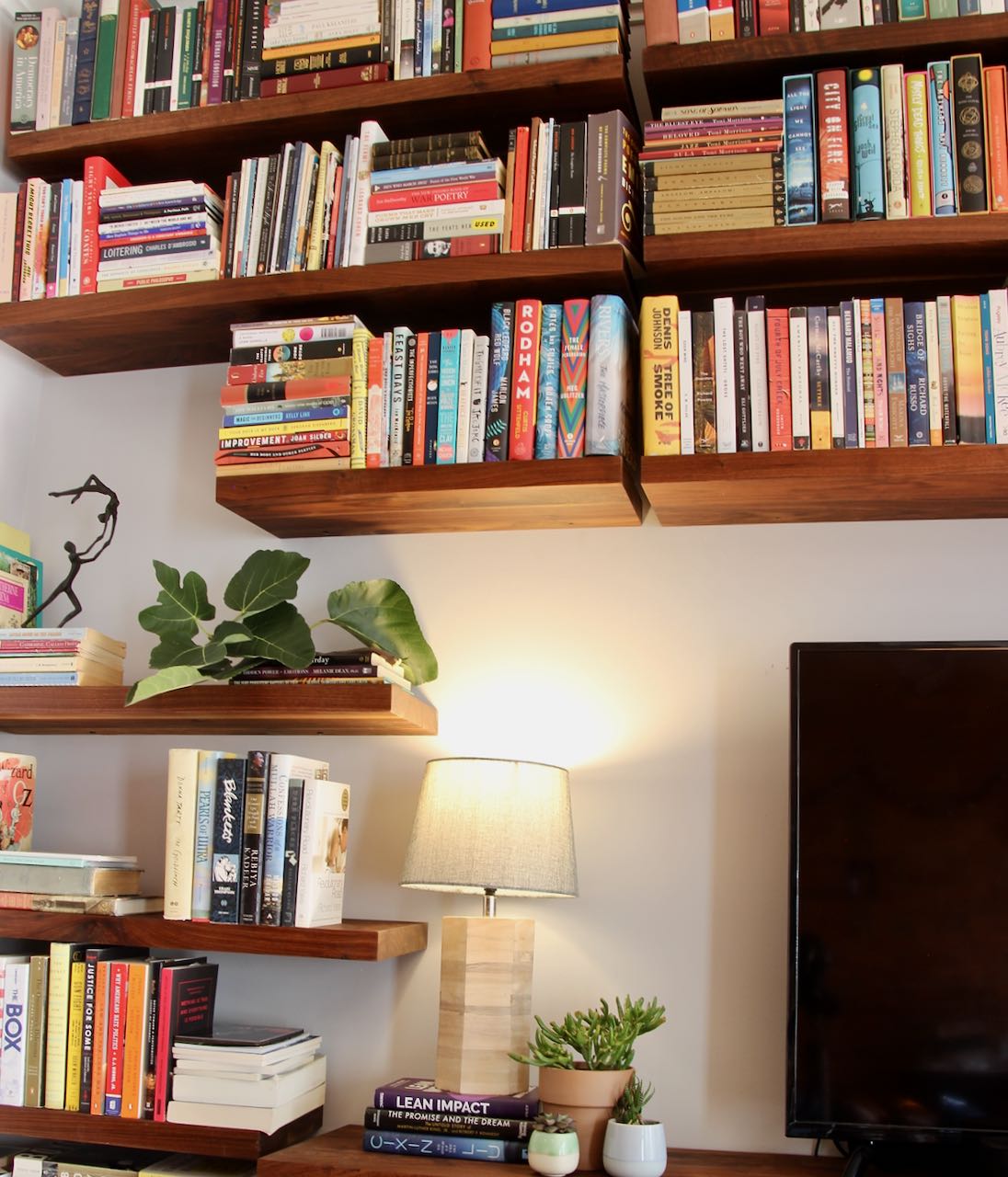
Styling your bookshelf on the wall turns a simple storage space into a focal point. Thoughtful design shows your personality and makes your room feel cozy. This section covers easy ways to style your shelf with books, decor, and lighting. Also, tips to keep it neat and tidy.
Arranging Books And Decor
Place books both vertically and horizontally for variety. Use some bookends to keep stacks tidy. Mix small plants or photo frames with books to add interest. Balance heavy and light items for a clean look. Leave some empty space to avoid crowding.
Adding Lighting
Small LED strips or puck lights brighten your shelf. They highlight special items and create warmth. Choose soft white lights for a cozy feel. Battery-operated lights work well if no plug is nearby. Position lights to avoid glare when reading.
Maintaining Cleanliness
Dust your shelf regularly to keep it fresh. Use a soft cloth or duster for gentle cleaning. Avoid overcrowding to make dusting easier. Check for cobwebs behind and under items. Clean lighting fixtures often to keep light bright.
Credit: southhousedesigns.com

Credit: www.youtube.com
Frequently Asked Questions
What Materials Are Needed To Make A Wall Bookshelf?
You need wood boards, screws, wall anchors, brackets, a drill, a level, and a measuring tape. Quality materials ensure strong support and durability. Choose wood type based on your room’s style and budget. Proper tools make installation easier and safer.
How Do I Find Studs For Mounting A Wall Bookshelf?
Use a stud finder to locate studs behind the wall. Mark the stud positions with a pencil. Mounting the shelf on studs ensures it can hold heavy books safely. Avoid drywall-only mounting to prevent shelf collapse.
What Is The Best Wood Type For A Wall Bookshelf?
Pine, oak, and plywood are popular choices. Pine is affordable and easy to work with. Oak is strong and durable but pricier. Plywood offers stability and resists warping. Choose based on strength, budget, and room decor.
How Can I Make A Wall Bookshelf Look Stylish?
Paint or stain the wood to match your room. Add decorative brackets or LED strip lighting for flair. Use floating shelf designs for a modern look. Arrange books and decor items neatly to enhance aesthetics.
Conclusion
Building a bookshelf on the wall adds space and style to your room. It saves floor space and keeps your books organized. The steps are simple and tools are easy to find. You can choose the size and design you like.
With some effort, you create a useful and attractive shelf. Try it yourself and enjoy a neat, cozy space. A wall bookshelf is a smart and practical choice for any home.