Your bookshelf holds more than just books—it holds memories, treasures, and sometimes, tiny fingers eager to explore. But have you thought about how safe your bookshelf is for your little one?
Babies are curious by nature, and their safety depends on how well you prepare your home. If you want to protect your child from accidents without losing your favorite reading nook, this guide will show you exactly how to baby proof your bookshelf.
Keep reading to discover simple, effective steps that keep your baby safe and your space stylish.
Assessing Bookshelf Risks
Assessing the risks of your bookshelf is the first step in baby proofing. It helps you find dangers that can harm your child. This process lets you fix problems before they cause accidents. Check every part of the bookshelf carefully. Look closely for anything that could be risky for a baby.
Identify Sharp Edges
Check all corners and edges of the bookshelf. Sharp edges can cause cuts or bruises. Feel the edges with your hand to see if they are rough or pointed. Use corner guards or soft padding to cover sharp spots. This creates a safer space for your baby to explore.
Check For Tipping Hazards
Bookshelves can tip over if not secure. Babies like to climb or pull on furniture. Check if the bookshelf wobbles or moves easily. Anchor it to the wall with straps or brackets. This prevents the shelf from falling on your child.
Spot Small Detachable Parts
Look for knobs, screws, or decorations that can come loose. Small parts can be choking hazards for babies. Tighten or remove any loose pieces. Keep small items out of reach to keep your baby safe.
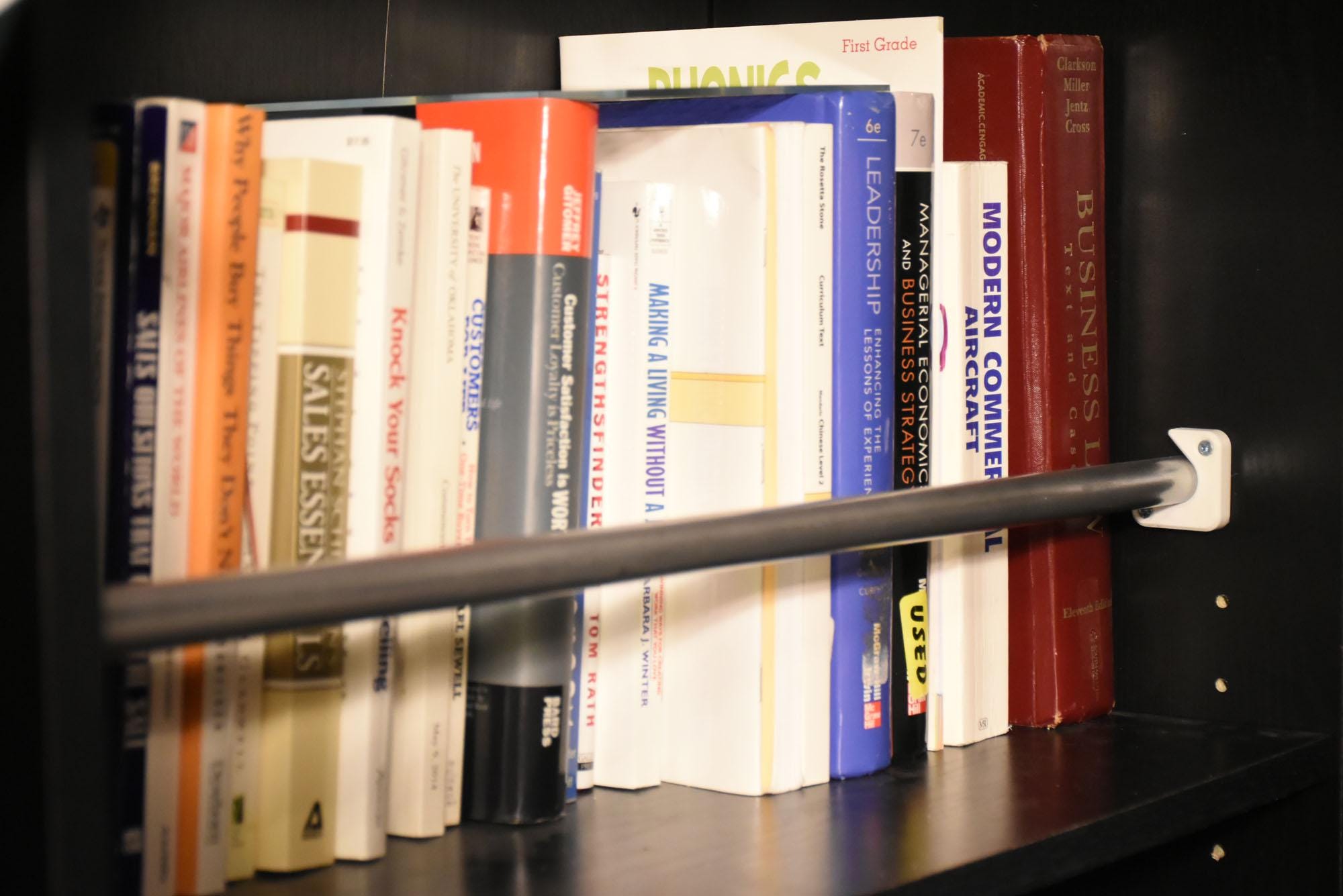
Credit: www.etsy.com
Securing The Bookshelf
Securing the bookshelf is essential to keep your baby safe. Bookshelves can tip over easily if not fixed properly. This can cause serious injuries. Taking simple steps can prevent accidents and give you peace of mind.
Anchor To Wall
Anchoring the bookshelf to the wall stops it from tipping. Use strong brackets or straps for this. Attach one end to the bookshelf and the other to a wall stud. This makes the shelf stable and safe.
Use Corner Protectors
Corner protectors cover sharp edges of the bookshelf. Babies can hurt themselves on these corners. Soft protectors made of foam or rubber work best. They reduce the risk of bumps and cuts.
Install Safety Straps
Safety straps keep the shelves secure and prevent movement. They hold the bookshelf tightly in place. Install them at the back or sides of the shelf. Check straps regularly for wear and tear.
Organizing Books And Items
Organizing books and items on your bookshelf plays a big role in baby proofing. A well-arranged shelf keeps your child safe from accidents. It also helps you find things quickly. Correct placement of items reduces risks of falling objects or broken items. Follow these simple steps to create a safer space around your bookshelf.
Place Heavy Items Low
Put heavy books or objects on the bottom shelves. This stops the shelf from becoming top-heavy and tipping over. It also makes it harder for a child to pull down heavy things. Keep the weight balanced to protect your child and your books.
Store Fragile Items Out Of Reach
Fragile items like glass or ceramics must be placed on high shelves. This keeps them away from small hands that might grab or drop them. Use closed cabinets or boxes for extra protection. This limits the chance of breakage or injury.
Avoid Overloading Shelves
Do not put too many items on one shelf. Overloading can cause shelves to bend or break. It also makes the shelf unstable, which can be dangerous for children. Spread out your books and objects evenly for better safety and organization.
Choosing Safe Materials
Choosing safe materials is a key step in baby proofing your bookshelf. Babies explore by touching and tasting objects. Using safe materials protects them from injuries and harmful chemicals. This helps create a secure space for your child to grow and learn.
Opt For Rounded Furniture
Sharp corners on bookshelves can hurt curious babies. Rounded edges reduce the risk of cuts and bumps. Choose furniture with smooth, curved corners. This design keeps your child safe during playtime and exploration.
Select Non-toxic Finishes
Paint and varnish can contain harmful chemicals. Babies often put their hands in their mouths. Use finishes labeled as non-toxic and safe for children. These products protect your baby from dangerous fumes and poisons.
Use Soft Storage Bins
Hard plastic bins can cause injuries if your child falls. Soft storage bins cushion impacts and prevent bruises. They also keep toys organized and easy to reach. Choose bins made from fabric or soft foam materials.
Maintaining Baby Proofing
Maintaining baby proofing is key to keeping your home safe. Babies grow fast and their skills change. This means what worked last month might not work now. Staying on top of safety helps avoid accidents. It keeps your child safe and your mind at ease.
Regular Safety Checks
Check the bookshelf often for loose parts or sharp edges. Make sure it stays stable and secure to the wall. Look for objects your baby can reach and pull. Remove any hazards right away. Regular checks help catch problems before they become dangers.
Update As Baby Grows
As your baby learns to climb or grab, adjust the safety measures. Move fragile or heavy items out of reach. Add extra locks or barriers if needed. Change the setup to fit your baby’s new abilities. Updating helps stop accidents before they happen.
Educate Caregivers
Tell all caregivers about the baby proofing rules. Explain why certain items are off limits. Show them how to keep the area safe. Consistent care from everyone protects your baby better. Clear communication makes safety a team effort.
Credit: www.reddit.com

Credit: patternshmattern.blogspot.com
Frequently Asked Questions
How Can I Secure A Bookshelf From Tipping Over?
Use wall anchors or brackets to firmly attach the bookshelf to the wall. This prevents tipping and keeps your child safe from accidents.
What Materials Are Safest For Baby-proofing Bookshelves?
Choose soft, non-toxic corner guards and cushioned edge protectors. Avoid sharp or hard materials that can cause injury.
How Do I Organize Books For Baby Safety?
Place heavier books on lower shelves and keep frequently used items within easy reach. This reduces climbing hazards and keeps your baby safe.
Are There Specific Bookshelf Designs Better For Baby-proofing?
Yes, wide and low bookshelves with closed backs are safer. They reduce tipping risks and limit access to small objects.
Conclusion
Baby proofing your bookshelf keeps your child safe and your home organized. Secure shelves to the wall to prevent tipping. Place heavy books on lower shelves to avoid accidents. Use door locks or barriers to keep kids away from fragile items.
Regularly check for loose screws or sharp edges. Simple steps make a big difference in safety. Protect your little one with careful planning and smart choices. A safe space means peace of mind for you. Keep learning and adjusting as your child grows.
Safety first, always.
