Are you tired of unstable ladders that slip or scratch your bunk bed? Making your own bunk bed ladder hooks can solve these problems quickly and cheaply.
With the right steps, you can create strong, secure hooks that keep your ladder in place and protect your bed’s finish. Keep reading, and you’ll discover simple tips and tricks that anyone can follow to build ladder hooks that fit perfectly—and make climbing up and down safer and easier every day.
Materials Needed
Creating bunk bed ladder hooks requires specific materials. These materials ensure the hooks are strong, safe, and easy to install. Choosing the right items makes the project smoother and the final product reliable.
Gathering all materials before starting saves time and prevents interruptions. Each component plays a key role in the ladder hook’s function and durability.
Types Of Hooks
Metal hooks are popular for strength and durability. Steel or iron hooks hold heavy weight well. Coated hooks resist rust and last longer.
Plastic hooks are lighter but less strong. Use them only for small ladders or light loads. Hooks with rubber grips prevent slipping and protect the bed frame.
Tools Required
A drill helps make holes for screws or bolts. Screwdrivers secure the hooks in place. Measuring tape ensures correct hook placement.
Wrenches tighten bolts for a firm hold. Sandpaper smooths rough edges on the hooks or bed. A pencil marks where to drill or attach hooks.
Safety Gear
Wear safety glasses to protect eyes from dust and debris. Gloves shield hands from sharp edges and splinters. A dust mask prevents inhaling sawdust or rust particles.
Use ear protection if using loud power tools. Proper safety gear reduces risks and keeps the work safe and comfortable.
Choosing The Right Ladder
Choosing the right ladder for your bunk bed is important for safety and comfort. The ladder must fit well and support the user’s weight. It should be easy to climb and stable. Picking the right ladder makes the bunk bed safer and more enjoyable to use.
Ladder Size And Weight
The ladder should fit the height of the bunk bed. Measure the distance from the floor to the top bunk. Choose a ladder that reaches this height without stretching or bending. The ladder’s width matters too. It should be wide enough to step on comfortably.
Consider the weight of the ladder itself. A heavy ladder can be hard to move or install. A light ladder is easier to handle but must still be strong. Check the ladder’s weight limit to make sure it can hold the user safely.
Material Considerations
Common ladder materials include wood, metal, and plastic. Wood ladders look nice and feel warm but may need more care. Metal ladders are strong and last long but can be cold or slippery. Plastic ladders are light and easy to clean but may not hold heavy weight well.
Choose a material that matches the bunk bed and room style. Think about how often the ladder will be used. Pick a material that stays safe and durable over time.
Measuring And Marking
Measuring and marking are the first steps to making strong bunk bed ladder hooks. Accurate measurements ensure the hooks fit well. Marking helps place the hooks in the right spots. This step prevents mistakes during installation. It saves time and effort later.
Determining Hook Placement
Start by deciding where the hooks will go on the bed frame. Consider the ladder’s height and angle. The hooks should hold the ladder securely. Measure the distance from the floor to the top of the bed frame. Also, check the space between the ladder steps. Mark points on the bed frame where the hooks will attach. These points must be strong enough to hold weight. Avoid placing hooks near weak or thin wood.
Marking Ladder And Bed Frame
Use a pencil and tape measure to mark the spots clearly. Mark the ladder where the hooks will attach. Make sure marks on the ladder match the marks on the bed frame. Double-check all measurements before drilling holes. Use a level to keep marks straight. Accurate marking helps the hooks fit perfectly. This step makes the ladder safe and stable for climbing.
Cutting And Shaping Hooks
Cutting and shaping hooks is a key step in making bunk bed ladder hooks. The hooks must fit well and hold strong. Proper cutting and shaping ensure safety and durability. This step needs care and the right tools. It also helps the hooks look neat and work well.
Selecting Hook Material
Choose a material that is strong and easy to shape. Steel and aluminum are common choices. Steel is very strong but heavier. Aluminum is lighter and resists rust. Wood can work but needs extra care. Pick a material that matches your skills and tools.
Shaping Techniques
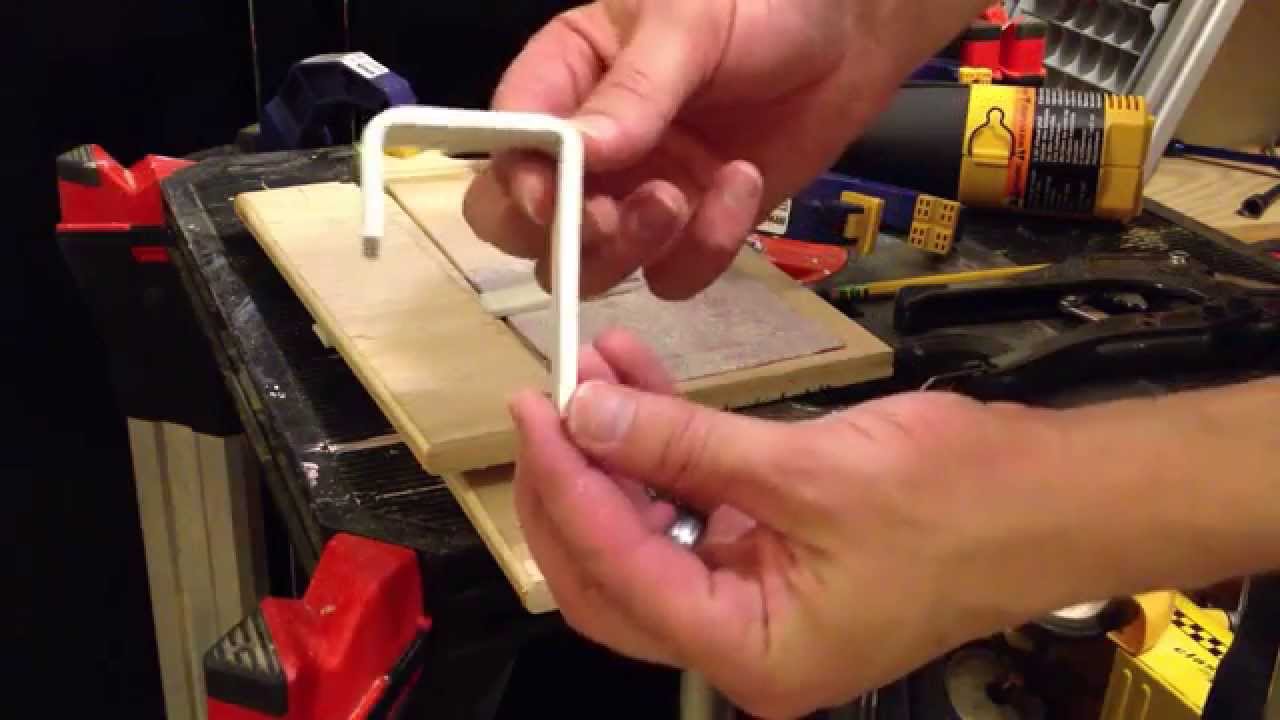
Start by marking the shape on the material. Use a saw or metal cutter to cut the outline. Smooth the edges with sandpaper or a file. Bend the hooks carefully using pliers or a bending tool. Make sure the shape fits the ladder and bed frame. Test the shape before final fixing.
Attaching Hooks To Ladder
Attaching hooks to the bunk bed ladder is a key step for safety and convenience. The hooks hold the ladder securely to the bed frame. Proper attachment prevents accidents and keeps the ladder steady. Follow careful steps to ensure strong and safe hook placement. Use the right tools and materials for the best results.
Drilling Pilot Holes
Start by marking where the hooks will go on the ladder. Use a pencil to make small marks. Next, drill pilot holes at these marks. Pilot holes guide screws and stop the wood from splitting. Choose a drill bit slightly smaller than the screw size. Drill straight holes to keep screws tight and secure. Clean any dust from the holes before moving on.
Securing Hooks Firmly
Place the hooks over the pilot holes. Insert screws through the hooks into the holes. Use a screwdriver to tighten the screws slowly. Check that hooks do not wiggle or move. Tighten screws just enough to hold hooks firmly. Avoid over-tightening to prevent damage to the ladder. Test the hooks by gently pulling them to ensure they hold well.

Credit: www.amazon.com
Installing Ladder On Bunk Bed
Installing the ladder on a bunk bed is an important step. It ensures safety and ease of use for climbing. Proper installation makes the ladder strong and steady. It also helps prevent accidents and damage to the bed.
Focus on fitting the hooks correctly. These hooks hold the ladder firmly to the bed frame. The right placement keeps the ladder secure during use.
Aligning Hooks With Bed Frame
Start by positioning the ladder next to the bunk bed. Check where the hooks will rest on the bed frame. The hooks must fit snugly on the frame’s edge. Mark the exact points on the frame for the hooks. This step helps avoid slipping or movement. Make sure the hooks do not block any bed parts.
Ensuring Stability
Once aligned, attach the hooks tightly to the bed frame. Use screws or bolts for a strong hold. Test the ladder by applying pressure while holding it. It should not wobble or move. If it feels loose, adjust the hooks and tighten again. Stability is key for safe climbing and long-lasting use.
Safety Checks
Safety checks are very important when making bunk bed ladder hooks. These checks make sure the hooks hold strong and keep the ladder safe. Without safety checks, the ladder might fall or cause injury. Take time to do these checks carefully. They help protect everyone who uses the bunk bed.
Testing Hook Strength
Start by testing the hook’s strength. Use your hand to pull and push the hook hard. It should not bend or move easily. Hang a weight close to the ladder’s top weight limit. Check if the hooks hold the weight without slipping. Test both hooks separately. Strong hooks keep the ladder steady and safe.
Final Inspection Tips
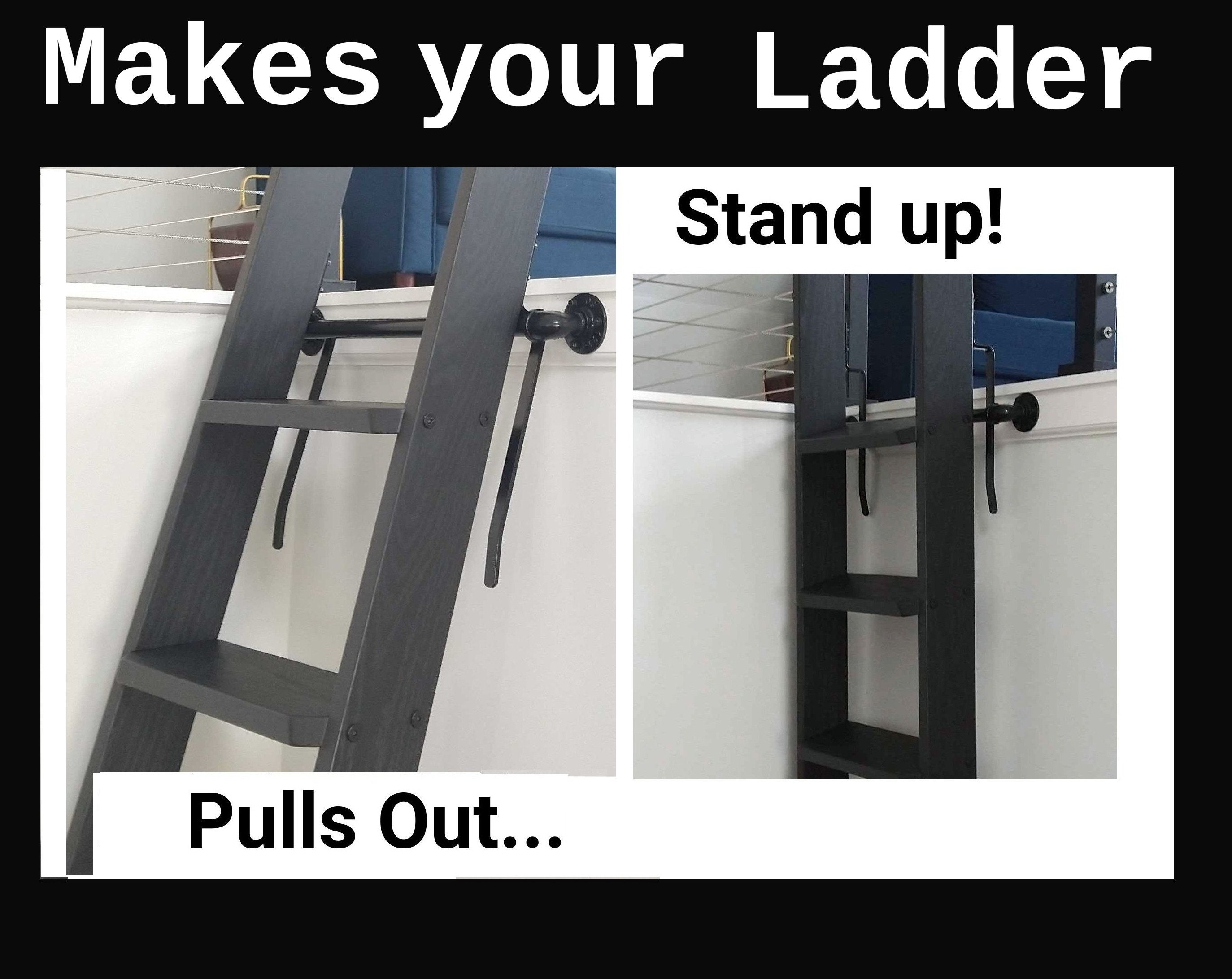
Look closely at the hooks and ladder after testing. Check for cracks, loose screws, or sharp edges. Make sure hooks fit tightly on the bed frame. Check the ladder’s position to avoid wobbling. Tighten any loose parts right away. Good final inspection stops problems before use.
Credit: www.etsy.com
Maintenance Tips
Keeping your bunk bed ladder hooks in good shape is important for safety. Regular care helps avoid accidents and prolongs the hooks’ life. Simple steps can make a big difference.
Regular Inspection
Check the hooks often for cracks or bends. Look closely at the points where hooks attach to the bed. Tighten any loose screws or bolts. Make sure hooks hold the ladder firmly. A quick check can prevent falls and damage.
Replacing Worn Parts
Replace hooks if they show signs of rust or wear. Use parts that fit your ladder and bed type. Old or weak hooks can break under weight. Keep spare hooks handy for quick swaps. This keeps the ladder safe and stable at all times.
Credit: www.youtube.com
Frequently Asked Questions
How Do I Make Sturdy Bunk Bed Ladder Hooks?
Use strong materials like metal or hardwood for ladder hooks. Measure accurately and drill secure holes. Attach hooks firmly using heavy-duty screws to ensure stability and safety.
What Tools Are Needed For Bunk Bed Ladder Hooks?
You need a drill, screwdriver, measuring tape, pencil, and screws. Optionally, use a saw if cutting wood hooks. Safety gear like gloves and goggles is recommended.
Can I Customize Bunk Bed Ladder Hooks?
Yes, customize hooks by choosing different materials, shapes, and sizes. Paint or finish hooks to match the bed’s style. Personalizing hooks improves functionality and aesthetics.
How Do I Install Ladder Hooks Safely?
Measure and mark hook positions carefully. Use a level to align hooks evenly. Secure hooks tightly to the bed frame. Check stability before use to prevent accidents.
Conclusion
Making bunk bed ladder hooks can be simple and fun. Use basic tools and follow clear steps. Strong hooks keep the ladder safe and stable. You can customize hooks to fit your bed perfectly. Taking time to do it right pays off.
A secure ladder makes climbing easier every day. Try this project to improve your bunk bed’s safety and style. Enjoy your handiwork and a safer bedroom space.