Are you worried about your bunk bed ladder being unsafe? You’re not alone.
Many people don’t realize how easy it is for accidents to happen when the ladder isn’t secure or well-designed. But don’t worry—making your bunk bed ladder safer doesn’t have to be hard or expensive. You’ll discover simple, practical tips to protect yourself and your loved ones.
Keep reading, and you’ll learn exactly how to turn your bunk bed ladder into a safe, sturdy climb every time. Your peace of mind is just a few steps away.

Credit: www.maxtrixkids.com
Common Ladder Hazards
Bunk bed ladders are useful but can be risky without proper care. Many accidents happen due to common ladder hazards. Knowing these risks helps keep the ladder safe for kids and adults alike.
Loose Or Wobbly Steps
Loose or wobbly steps make climbing dangerous. Steps that move or shift can cause falls. Check the ladder regularly to tighten any loose screws or bolts. Secure steps ensure steady climbing every time.
Slippery Surfaces
Slippery steps cause slips and injuries. Wet or smooth surfaces reduce grip. Adding non-slip tape or rubber pads improves traction. Always keep the ladder dry and clean to avoid slips.
Improper Ladder Angle
Incorrect ladder angle makes climbing unsafe. Too steep or too flat angles increase fall risk. The ladder should lean at a safe, steady angle. This balance keeps it stable and easy to use.
Inadequate Ladder Height
Using a ladder that is too short or too tall is unsafe. A short ladder forces overreaching, causing loss of balance. A tall ladder may be hard to climb safely. Choose the right height for the bunk bed to avoid accidents.
Choosing Safe Ladder Materials
Choosing safe ladder materials is key to making a bunk bed ladder secure. The right materials support weight well and reduce slipping risks. Strong materials last longer and keep children safe.
Consider materials that resist wear and tear. Think about the ladder’s grip and comfort. Safety starts with the choice of ladder material.
Durable Wood Options
Wood is a popular ladder material. Hardwoods like oak, maple, or birch are strong and sturdy. These woods hold nails and screws tightly. Smooth the wood to avoid splinters. Wood ladders have a warm, natural look. They can be painted or stained to match the room.
Metal Ladder Benefits
Metal ladders are tough and long-lasting. Steel or aluminum are common choices. Metal resists bending under pressure. It handles moisture better than wood. Metal ladders need a non-slip coating for safety. They often require less maintenance than wood. Metal ladders add a modern touch to bunk beds.
Non-slip Step Materials
Non-slip steps prevent falls. Adding rubber or silicone strips improves grip. Textured tapes also work well. These materials stop feet from sliding. Soft, grippy steps add comfort too. Choose non-slip materials that stick firmly. They make climbing safer, especially for kids.
Securing The Ladder Properly
Securing the ladder properly is key to making a bunk bed safer. A loose ladder can cause falls and injuries. Taking time to fix the ladder well adds stability. It also gives peace of mind to parents and kids.
Attaching To Bed Frame
Attach the ladder firmly to the bed frame. Use strong screws or bolts for better hold. Avoid nails or weak fasteners that can loosen. Make sure the ladder fits the frame shape well. A tight fit stops wobbling and slipping. Check the attachment points for strength before use.
Using Safety Brackets
Install safety brackets to secure the ladder further. These brackets keep the ladder steady during climbing. Choose brackets made of metal or strong plastic. Fix them on both sides of the ladder and bed frame. Safety brackets reduce movement and increase safety. They are a simple way to add extra support.
Regular Tightening Checks
Regularly check all screws and bolts on the ladder. Tighten any loose parts quickly to avoid accidents. Use a screwdriver or wrench to ensure firmness. Set a monthly reminder for these checks. Keeping the ladder tight stops it from shaking. This small habit keeps the bunk bed safe over time.
Improving Ladder Grip
Improving the grip on a bunk bed ladder makes climbing safer and easier. Slippery ladders cause falls and injuries. Simple changes can add extra grip and reduce risks. These easy fixes fit most bunk bed ladders and take little time.
Adding Non-slip Tape
Non-slip tape sticks firmly on ladder steps. It creates rough surfaces that stop slipping. Cut tape strips to fit each step. Press tape down tightly to avoid peeling. Check tape regularly for wear and replace if needed.
Installing Rubber Pads
Rubber pads offer soft and firm grip points. Attach them under or on ladder steps. Use strong glue or screws for secure hold. Pads cushion feet and prevent sliding. Choose thick rubber for better safety and comfort.
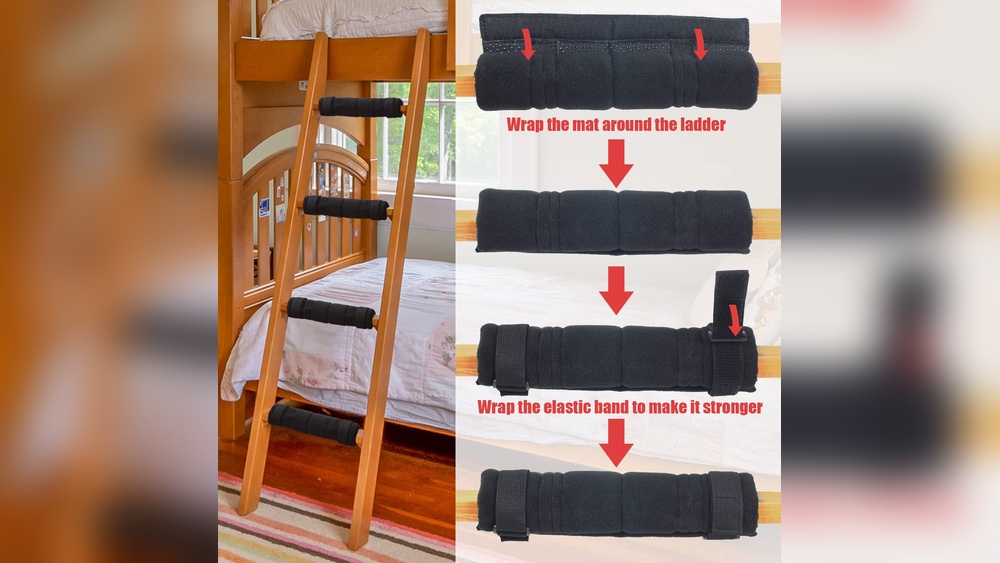
Using Textured Step Covers
Textured step covers wrap around ladder rungs. They add rough surfaces that improve foot grip. Covers often have small bumps or ridges. Slide covers onto steps and fasten tightly. They protect the ladder and increase safety.
Enhancing Ladder Visibility
Enhancing ladder visibility is key to making bunk bed ladders safer. Clear visibility helps prevent falls and accidents. It ensures children can see each step clearly, especially in low light.
Simple changes can greatly improve how easy it is to spot the ladder. Bright, reflective, or glowing features catch the eye quickly. These adjustments make climbing up and down much safer.
Reflective Markings
Reflective tape or stickers work well on ladder edges. They shine brightly when light hits them. This helps kids find the ladder even in dim rooms.
Place reflective strips on each step and side rails. It creates a clear outline of the ladder’s shape. This reduces the risk of missing steps or slipping.
Bright Paint Options
Painting the ladder with bright colors improves visibility. Colors like yellow, orange, or red stand out well in any room. Bright paint also makes the ladder look fun and inviting.
Use non-toxic paint safe for children. Bright paint draws attention to the ladder edges and steps. This helps avoid accidents during night or early morning.
Glow-in-the-dark Features
Glow-in-the-dark paint or stickers provide visibility without light. They absorb light during the day and glow softly at night. This feature is perfect for bedrooms with low lighting.
Apply glow materials on the steps and handrails. Kids can easily see the ladder path in the dark. It adds an extra layer of safety after lights go out.

Credit: ikeahackers.net
Maintaining Ladder Safety
Maintaining ladder safety is key to preventing accidents on bunk beds. A secure ladder keeps children safe during daily use. Regular care and attention help avoid common hazards.
Routine Inspections
Check the ladder often for loose screws and bolts. Look for cracks or splinters in the wood. Ensure all steps are firmly attached. Tighten any loose parts immediately. Early detection stops small problems from growing.
Replacing Damaged Parts
Replace broken rungs or side rails right away. Use parts that fit the original ladder design. Avoid using damaged or worn-out materials. Proper replacements keep the ladder strong and safe. Never ignore signs of wear or damage.
Cleaning And Care Tips
Keep the ladder clean and dry to prevent slipping. Wipe dirt and dust from steps regularly. Avoid using harsh chemicals that weaken materials. Check for slippery residues and clean them off. A clean ladder ensures better grip and safety.
Educating Users On Ladder Safety
Educating users on bunk bed ladder safety helps reduce accidents. Teaching the right habits builds confidence and prevents injuries. Clear guidance keeps everyone aware of risks and safe practices. Understanding safety rules makes climbing safer for both kids and adults.
Safe Climbing Techniques
Always face the ladder while climbing. Use both hands to hold the rails firmly. Step carefully, one rung at a time. Avoid rushing or jumping off the ladder. Wear shoes with good grip for better traction. Keep the ladder dry and clean to prevent slips.
Supervision For Children
Children should climb only with adult supervision. Watch closely to ensure they use the ladder properly. Explain the dangers of climbing too fast or playing on the ladder. Set clear rules about when and how to use the ladder. Limit ladder use to age-appropriate children only.
Emergency Preparedness
Teach users what to do if they lose balance. Keep a phone nearby for quick help calls. Show how to safely climb down in case of fear or dizziness. Practice staying calm during falls or slips. Create a plan for quick response to ladder accidents.

Credit: www.youtube.com
Frequently Asked Questions
How Can I Make A Bunk Bed Ladder Safer?
Secure the ladder firmly to the bed frame and ensure it is stable. Add non-slip grips on the steps to prevent falls. Regularly check for loose screws or damage to maintain safety.
What Materials Improve Bunk Bed Ladder Safety?
Use sturdy materials like solid wood or metal with a smooth finish. Avoid slippery surfaces and opt for textured or rubber-coated steps for better grip and durability.
Are Handrails Necessary For Bunk Bed Ladders?
Yes, handrails provide extra support and balance. They help children climb up and down safely, reducing the risk of falls and injuries.
How Often Should I Inspect A Bunk Bed Ladder?
Inspect the ladder every month for loose bolts, cracks, or wear. Timely maintenance ensures the ladder remains safe and secure for daily use.
Conclusion
Making a bunk bed ladder safer protects your children every day. Secure the ladder firmly to avoid any wobbling. Add non-slip grips to each step for better hold. Check the ladder regularly for loose screws or cracks. Teach kids to climb carefully and not rush.
Small changes can prevent big accidents at home. Safety should always come first with bunk beds. Keep these tips in mind for peace of mind. A safe ladder means happy, worry-free nights for everyone.