Are you looking for a fun and simple way to organize your child’s books? Creating a children’s bookshelf can be just the answer.
Imagine a colorful, easy-to-reach space where your little one can pick their favorite stories anytime. Not only does it keep things tidy, but it also encourages a love for reading. In this guide, you’ll discover easy steps to build a bookshelf that fits perfectly in your home and sparks your child’s imagination.
Ready to turn clutter into charm? Let’s get started!

Credit: www.livecolorful.com
Choosing The Right Materials
Choosing the right materials is key to building a sturdy and safe children’s bookshelf. The materials affect the bookshelf’s durability, appearance, and safety. Selecting the right wood and finishes ensures the shelf lasts long and looks great in your child’s room.
Materials also impact how safe the bookshelf is for children. Some woods and paints can be harmful. It is important to pick safe and non-toxic options. The right choice also helps protect the environment.
Wood Types
Solid wood is strong and lasts many years. Pine is a soft wood that is easy to work with. Oak and maple are harder woods and very durable. Plywood is a cheaper option, but it needs to be good quality. Avoid particleboard, which breaks easily and can release chemicals.
Safety Considerations
Use smooth wood to avoid splinters. Sand all edges and corners well. Choose paints and finishes that are non-toxic and safe for children. Avoid finishes with strong chemicals or fumes. Make sure screws and nails are hidden or flush with the wood.
Eco-friendly Options
Look for wood from sustainable sources. Certified woods help protect forests. Use water-based paints and natural finishes. These options reduce harm to the environment. Using eco-friendly materials teaches children to care for nature.
Planning The Bookshelf Design
Planning the bookshelf design is the first step to create a perfect space for children’s books. It helps organize the space and makes reading more fun. Careful planning ensures the bookshelf fits well and is safe for kids. It also allows you to add personal touches that children will love.
Size And Dimensions
Measure the space where the bookshelf will go. Consider height, width, and depth. Make sure it is easy for children to reach their books. The shelves should be low enough for kids to use safely. Leave space for future book collections to grow.
Style Ideas
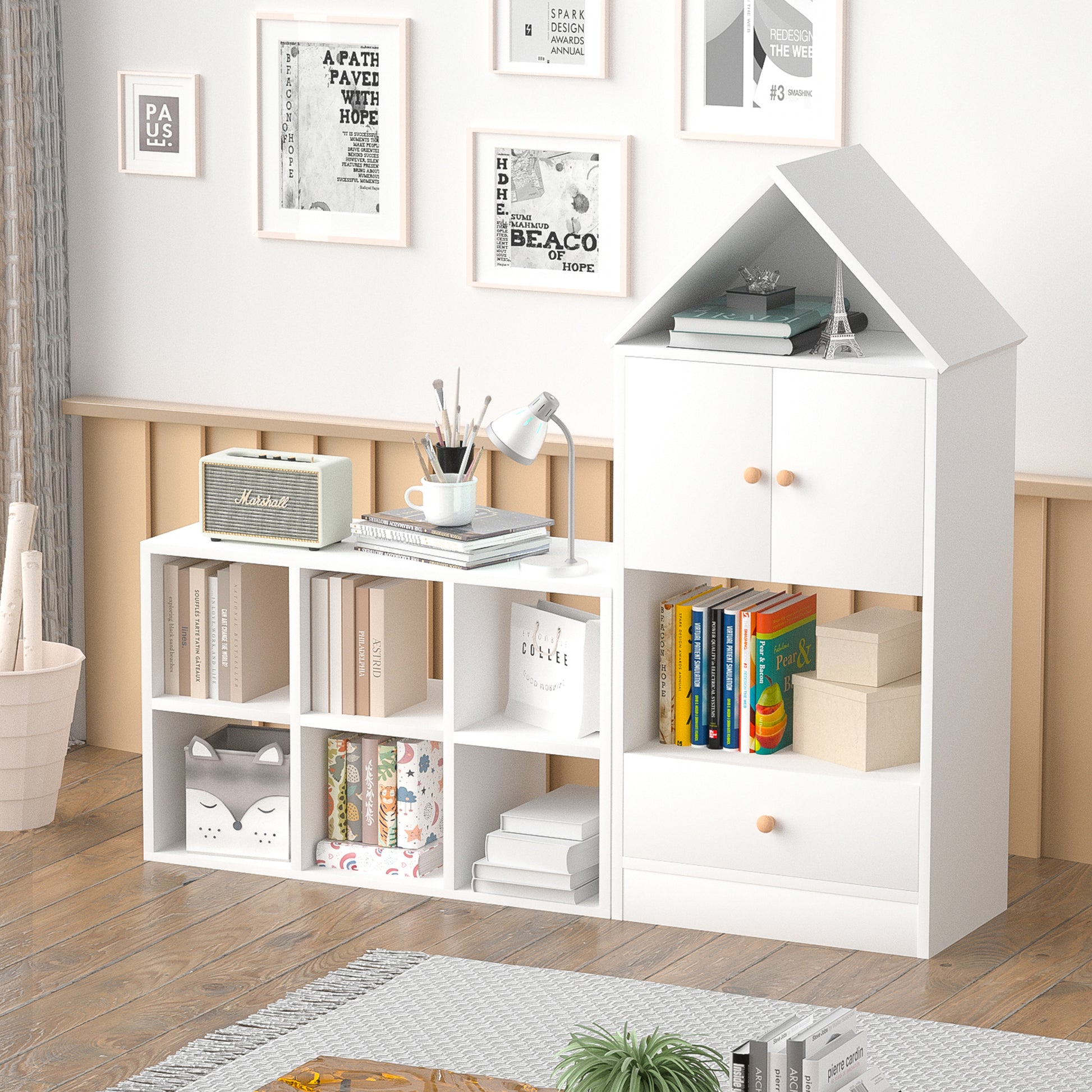
Choose a style that matches the room’s theme. Simple, colorful designs work well for kids. Rounded edges keep the bookshelf safe. Open shelves display books nicely and invite kids to explore. Think about shapes, like houses or animals, for a playful touch.
Customizing For Kids
Add features that make the bookshelf special for children. Use bright colors or stickers to decorate. Include bins or baskets for toys and art supplies. Label shelves with pictures or words to help kids find books. Make the design fun and easy to use every day.
Essential Tools And Supplies
Creating a children’s bookshelf is a fun project that needs the right tools and supplies. These items help you build a safe, strong, and pretty bookshelf. This section explains what tools and materials you need to start your project. It makes building easier and the results better.
Basic Tools Needed
Start with simple tools for cutting and assembling wood. A handsaw or electric saw cuts the boards to size. A drill makes holes for screws or nails. Use a screwdriver or power driver to fix pieces together. Sandpaper smooths rough edges to keep the shelf safe for kids. A measuring tape and pencil help you mark exact measurements. These tools form the base of your building kit.
Paints And Finishes
Use child-safe paints to color the bookshelf. Water-based paints are best because they are less toxic. Bright colors make the shelf fun and attractive. A clear varnish or sealant protects the paint and wood. It also makes the shelf last longer. Choose finishes that dry fast and have low odor. These steps keep the bookshelf safe and beautiful.
Decorative Elements
Add decorations to make the shelf unique. Stickers, stencils, or decals add fun designs. Small wooden shapes or letters can personalize the shelf. Soft knobs or handles make it easy to open drawers. Use non-toxic glue to attach decorations securely. These touches bring joy and character to the bookshelf.
Step-by-step Assembly Guide
Building a children’s bookshelf is easier than it seems. Follow each step carefully to create a safe and sturdy shelf. This guide breaks down the process into simple parts. You will learn how to cut, assemble, and add shelves with ease. Prepare your tools and materials before starting.
Cutting And Preparing Pieces
Start by measuring the wood pieces accurately. Use a pencil and ruler for straight lines. Cut the wood with a saw, following the marks. Sand the edges to make them smooth and safe. Check each piece for any splinters or rough spots. Organize the pieces by size and shape to speed up assembly.
Assembling The Frame
Lay out the side panels first on a flat surface. Attach the top and bottom pieces to the sides using screws. Use a drill to make holes before screwing to avoid splitting the wood. Make sure the frame is square by measuring diagonals. Tighten all screws for a strong frame. Double-check for any loose parts before moving on.
Adding Shelves And Supports
Mark the shelf positions evenly on the frame. Attach support strips inside the frame for shelf stability. Place the shelves on the supports carefully. Secure the shelves with screws or nails. Check that each shelf is level and steady. Add extra supports if the shelves will hold heavy books.
Painting And Decorating Tips
Painting and decorating a children’s bookshelf is a fun and creative way to make the space special. It can inspire kids to enjoy reading and take care of their books. Choosing the right colors and designs helps create a cheerful and inviting shelf. Safety matters too, as children will use this furniture often.
Safe Paint Choices
Pick paints that are non-toxic and child-safe. Look for water-based or latex paints. These types dry fast and have low fumes. Avoid paints with strong chemicals or lead. Use a primer to protect the wood. This also helps the paint stick better. Let each coat dry completely before adding another.
Creative Designs
Simple patterns like stars, stripes, or polka dots work well. Use stencils for neat shapes. Bright colors catch children’s eyes. Mix two or three colors for a lively look. Paint the sides and back, not just the front. Try using chalkboard paint on one panel. Kids can draw or write on it anytime.
Personalizing The Shelf
Add the child’s name using stickers or paint. Use their favorite colors or themes. Animals, cartoons, or nature can inspire designs. Attach small hooks for hanging toys or bags. Let kids help with painting small parts. This creates a sense of pride and ownership. Personal touches make the shelf truly unique and special.
Organizing Books And Toys
Organizing books and toys on a children’s bookshelf helps keep the space neat and fun. It makes it easy for kids to find their favorite books and toys. A well-organized shelf also encourages kids to put things back in place. This habit builds responsibility and care for their belongings.
Sorting By Size And Genre
Sort books by size to create a tidy look. Place taller books on one side and smaller ones on the other. Group books by genre like storybooks, educational books, and picture books. This helps kids quickly find the type of book they want. Sorting toys by size or type also works well.
Adding Storage Bins
Use storage bins to hold small toys and art supplies. Choose bins that fit the shelf space perfectly. Label each bin with words or pictures to help children know what belongs inside. Bins keep toys from cluttering the shelves. They also make cleanup faster and easier for kids.
Encouraging Tidiness
Make tidiness a daily habit. Set a specific time for kids to tidy their bookshelf. Praise them when they put books and toys back. Keep the shelf at a height kids can reach. This independence makes them more willing to stay organized. Clear rules and fun routines help maintain order.
Maintenance And Safety Tips
Keeping your child’s bookshelf clean and safe is important. It helps protect your child and keeps the books in good shape. Regular care stops damage and makes sure the shelf lasts a long time.
Regular Cleaning
Dust builds up fast on shelves and books. Use a soft cloth to wipe the surface weekly. Clean books gently with a dry cloth. Avoid using water or harsh cleaners. This keeps the shelf looking fresh and the books safe.
Checking For Wear
Look at the shelf often for cracks or loose parts. Check book edges for tears or dirt. Fix small problems early to avoid bigger damage. Replace broken parts or books that are unsafe. This keeps the shelf strong and safe for your child.
Securing To Walls
Bookshelves can tip over if not fixed well. Use wall anchors or brackets to secure the shelf. Attach these to studs in the wall for strong support. This prevents accidents and protects your child from injury.

Credit: www.amazon.com
Credit: roomanddecor.com
Frequently Asked Questions
What Materials Are Best For A Children’s Bookshelf?
Wood and MDF are ideal for children’s bookshelves. They are sturdy, safe, and easy to clean. Choose non-toxic paint or finishes to ensure child safety and durability.
How To Design A Safe Children’s Bookshelf?
Ensure rounded edges and stable construction to prevent tipping. Avoid small parts that can be swallowed. Use low height shelves for easy access and child safety.
What Size Is Ideal For A Kids’ Bookshelf?
A bookshelf about 3 to 4 feet tall is perfect. It allows children to reach books easily while keeping the structure stable and manageable.
How To Organize Books On A Children’s Bookshelf?
Sort books by size, theme, or reading level. Use labels or colorful bins to encourage kids to keep books tidy and accessible.
Conclusion
Creating a children’s bookshelf can be fun and simple. Use safe materials and bright colors to attract kids. Make sure the shelves are easy to reach and sturdy. Organize books by size or theme to keep it neat. A well-made bookshelf encourages reading and creativity.
It also helps children learn to care for their things. Start with small steps and enjoy the process. Your child will love having a special place for their books. Keep it safe, colorful, and easy to use. A little effort makes a big difference.