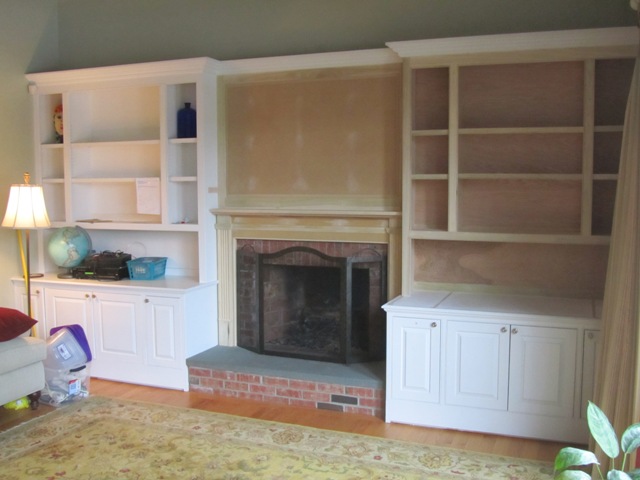
Imagine turning the empty space beside your mantel into a beautiful, functional bookshelf that showcases your favorite books and decor. You don’t need to be a professional carpenter to make it happen.
With the right guidance, you can create a custom bookshelf that fits perfectly in your living room, adds charm, and keeps your space organized. Ready to learn how to build a stylish bookshelf beside your mantel? Keep reading, and you’ll discover simple steps that anyone can follow to bring this idea to life.
Credit: www.highlandsdesigns.com
Choosing The Right Bookshelf Style
Choosing the right bookshelf style is key for a mantelside project. The shelf should fit the room’s look and feel. It must also be practical for your needs. Your choice sets the tone for the entire space. Consider size, shape, and how the shelf will hold your books and decor. This guide helps you pick the best style for your mantel.
Floating Shelves Vs. Built-in Units
Floating shelves offer a light, modern feel. They attach directly to the wall without visible supports. This style works well in smaller spaces. Built-in units are solid and classic. They become part of the room’s architecture. Built-ins provide more storage and a sturdy look. Decide if you want a sleek or a more permanent style.
Matching Your Mantel Design
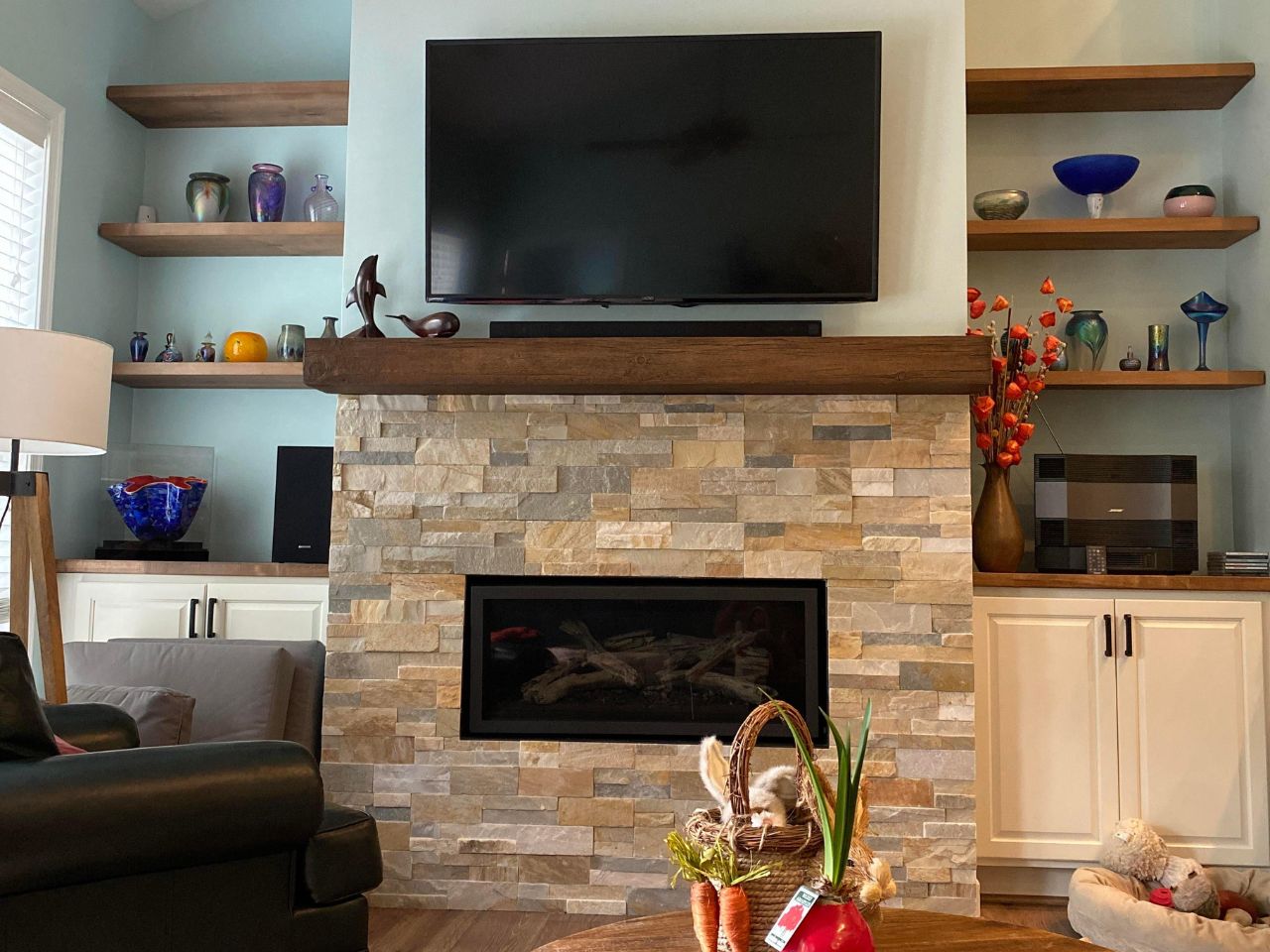
Your bookshelf should blend with the mantel’s design. Match the style, shape, and size for balance. A traditional mantel pairs well with classic shelves. Modern mantels suit simple, clean lines. Consistent design creates a smooth, unified look. Avoid styles that clash or overpower the mantel.
Selecting Materials And Finishes
Wood is a popular choice for warmth and strength. Choose hardwoods like oak or maple for durability. Softwoods like pine offer a lighter look but less strength. Paint or stain can change the shelf’s mood. Matte finishes create a soft look. Glossy finishes add shine and modern feel. Pick materials and finishes that fit your room’s style and use.
Measuring And Planning The Space
Measuring and planning the space is the first step to build a bookshelf beside a mantel. Accurate measurements and a clear plan help create a bookshelf that fits perfectly. This process prevents costly mistakes and wasted materials. Careful planning makes the project easier and faster.
Taking Accurate Measurements
Start by measuring the wall space next to your mantel. Use a tape measure for precise numbers. Measure the height, width, and depth of the available area. Check the floor and ceiling for any uneven spots. Write down all measurements carefully. Double-check them for accuracy to avoid errors later.
Considering Mantel Dimensions
Measure the mantel’s height, width, and how far it sticks out from the wall. This helps decide the bookshelf size and shape. The shelf should not block or crowd the mantel. Leave enough space for easy access to the mantel. Consider the mantel’s style to match the bookshelf design.
Sketching Your Bookshelf Layout
Draw a simple sketch of the wall with the mantel and bookshelf. Mark the exact measurements on the sketch. Plan the number of shelves and their spacing. Think about what you will store on the shelves. A clear sketch guides your building process step by step.
Gathering Tools And Materials
Before building a bookshelf beside your mantel, gather all tools and materials. This step ensures a smooth building process. Having everything ready saves time and reduces stress. Preparation is key to a strong, beautiful bookshelf.
Essential Tools Checklist
Start with basic woodworking tools. A measuring tape and pencil help mark exact dimensions. A saw cuts wood to size. A drill makes holes and drives screws. Sandpaper smooths rough edges. A level ensures shelves are straight. Clamps hold pieces together while gluing or screwing. Safety gear like goggles and gloves protect you during work.
Choosing Quality Wood And Hardware
Select wood that matches your room’s style and strength needs. Pine is affordable and easy to work with. Oak offers durability and a classic look. Plywood is good for shelf backs and hidden parts. Hardware must be sturdy. Use screws and brackets that hold weight well. Pick finishes that protect wood and match your décor. Quality materials make your bookshelf last longer and look better.
Credit: www.jthomashome.com
Building The Bookshelf Frame
Building the bookshelf frame is the first step to creating a sturdy and attractive unit beside your mantel. This frame forms the skeleton of the bookshelf. It holds everything together and supports the weight of your books and decorations. Careful measuring and cutting make sure the frame fits perfectly in the space. Follow the steps below to build a strong, stable frame.
Cutting Wood To Size
Start by measuring the height, width, and depth of the space beside your mantel. Use these measurements to mark your wood pieces. Cut the wood carefully using a saw. Make sure the edges are straight and smooth. Cut two long side pieces, a top piece, and a bottom piece. These parts will form the outer frame. Also, cut shelves or support beams if your design needs them.
Assembling The Frame
Lay the cut pieces on a flat surface. Position the side pieces parallel to each other. Place the top and bottom pieces between them to form a rectangle. Use wood glue on the edges to hold the pieces. Then, fasten the frame with screws or nails for extra strength. Add any shelf supports now. Check that all corners are square before the glue dries.
Ensuring Stability And Leveling
Stand the frame upright. Use a level tool to check if it is perfectly vertical. Adjust if needed by sanding or trimming the bottom edges. Secure the frame to the wall next to the mantel with brackets or anchors. This keeps the bookshelf stable and prevents tipping. Double-check the level again before finishing. A steady frame will safely hold your books and items.
Adding Shelves And Supports
Adding shelves and supports creates a sturdy and useful bookshelf beside your mantel. This step requires careful planning to hold your books safely. Proper spacing and solid brackets keep everything in place. Follow these simple steps to build shelves that last.
Spacing Shelves For Books
Start by measuring the height of your tallest books. Space shelves to fit books without wasting room. Leave extra space for decorative items or future books. Usually, 10 to 12 inches between shelves works well. Mark shelf heights clearly on the wall or frame.
Installing Shelf Brackets
Choose brackets that match your shelf size and style. Use a level to keep brackets straight and even. Attach brackets to wall studs for strong support. Secure with screws long enough to hold weight safely. Space brackets evenly under each shelf for balance.
Securing Shelves In Place
Place shelves on the brackets carefully. Check that shelves sit flat and do not wobble. Screw shelves into brackets to stop movement. Use screws through the bracket holes into the shelf bottom. Double-check stability before placing heavy books or items.
Finishing Touches
Finishing touches are key to making your bookshelf look polished and last long. They protect the wood and improve its appearance. Taking time to finish the project well will give you a shelf you can enjoy for years.
Sanding And Smoothing Surfaces
Start by sanding all surfaces with fine-grit sandpaper. Sanding removes rough spots and splinters. It also helps paint or stain stick better. Use smooth, even strokes and check for any bumps. Wipe the dust off with a clean cloth before the next step.
Applying Paint Or Stain
Choose paint or stain that matches your room’s style. Paint gives a solid color and hides wood grain. Stain shows the wood’s natural texture and color. Apply thin coats with a brush or cloth. Let each coat dry fully before adding another. This prevents drips and uneven color.
Sealing For Durability
Seal your bookshelf with a clear finish like polyurethane or varnish. This layer protects the wood from scratches and moisture. Apply two or three thin coats for best results. Allow each coat to dry completely. The seal makes your shelf sturdy and easy to clean.
Installing The Bookshelf Beside The Mantel
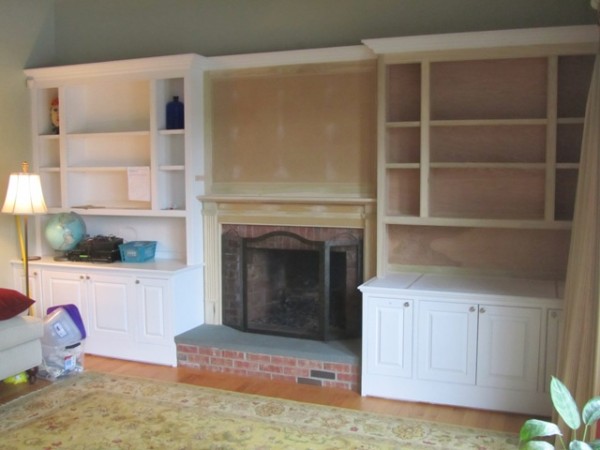
Installing the bookshelf beside the mantel is a key step to complete your project. This part shapes the look and function of your space. Proper installation keeps the bookshelf strong and safe. Follow clear steps to position and secure it well.
Positioning And Anchoring
Start by choosing the exact spot next to the mantel. The shelf should fit tightly without blocking the fireplace. Use a level to check the wall is even. Mark the points where you will place anchors.
Anchors hold the bookshelf firmly to the wall. Use wall studs if possible for stronger support. Drill holes at your marked points carefully. Insert anchors that match your wall type—drywall, brick, or plaster.
Place the bookshelf against the wall. Screw it into the anchors securely. Check again with a level to ensure the shelf stands straight.
Ensuring Safety And Stability
Safety comes first. The bookshelf must not wobble or lean. Tighten all screws and bolts firmly. Add brackets if the shelf needs extra support.
Check the weight capacity of your shelf. Avoid overloading it with heavy items. Place heavier books on lower shelves for balance.
Secure the bookshelf to the mantel if possible. Use metal braces or straps for added stability. Test the shelf by gently pushing it to see if it moves.
Credit: www.highlandsdesigns.com
Styling Your New Bookshelf
Styling your new bookshelf beside the mantel creates a cozy and inviting space. It helps blend the bookshelf with the room’s design. Using the right style makes the area look neat and attractive.
Focus on arranging items so the shelf feels balanced and personal. Combine books and decorations to add interest and charm.
Arranging Books And Decor
Place books both vertically and horizontally. This breaks the monotony and adds visual interest. Use bookends to keep books tidy and upright.
Mix books with small decorative items like candles, plants, or photo frames. These pieces add warmth and personality. Leave some empty space to avoid clutter.
Maintaining A Balanced Look
Distribute heavy and light items evenly on the shelves. Balance tall items with shorter ones to keep the look stable. Repeat colors or themes to create harmony.
Keep the mantel and bookshelf styles similar. This connection makes the area feel unified and stylish. Check your arrangement from different angles to ensure balance.
Frequently Asked Questions
How Do I Build A Bookshelf Beside A Mantel?
Start by measuring the space beside your mantel. Cut wood to size, assemble shelves, and secure them to the wall. Finish with paint or stain to match your decor.
What Materials Are Best For A Mantel Bookshelf?
Use sturdy materials like plywood or hardwood for durability. Choose finishes that complement your mantel and room style. Quality screws and brackets ensure stability.
How Can I Ensure My Bookshelf Fits Perfectly Beside The Mantel?
Measure the mantel height and available wall width accurately. Account for baseboards and trim. Custom cut shelves help achieve a seamless fit.
What Tools Are Needed To Make A Mantel Bookshelf?
Basic tools include a saw, drill, level, measuring tape, and screwdriver. Sandpaper and paintbrushes are also useful for finishing touches.
Conclusion
Building a bookshelf beside your mantel adds style and storage. It is a simple project you can complete step by step. Choose the right materials and tools to make it sturdy. Measure carefully to fit the space perfectly. Paint or stain the shelf to match your room’s look.
Place your favorite books and decorations for a personal touch. This small addition can change your room’s feel. Give it a try, and enjoy your new bookshelf today!