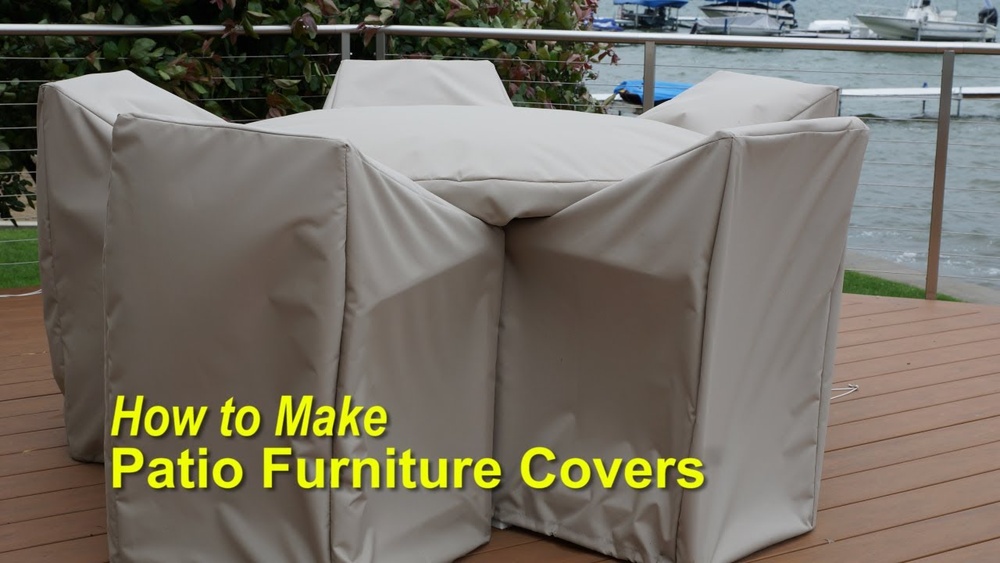
Your outdoor furniture deserves the best protection, and making your own covers is easier than you think. Imagine saving money while keeping your chairs and tables safe from rain, sun, and dust.
In this guide, you’ll discover simple steps to create durable, custom covers that fit perfectly. Ready to protect your investment and enjoy your outdoor space longer? Keep reading to learn how you can make covers that work for you.
Choosing The Right Materials
Choosing the right materials is key to making strong outdoor furniture covers. The materials must protect against rain, sun, and wind. They also need to last a long time without tearing or fading. A good cover keeps your furniture safe and looking nice.
Waterproof Fabrics
Waterproof fabrics stop water from soaking into your furniture. Look for materials like polyester or vinyl with a waterproof coating. These fabrics keep rain and moisture away. They dry quickly and prevent mold and mildew. A waterproof cover keeps your furniture dry and clean.
Durable Thread And Fasteners
Strong thread holds the cover parts together for a long time. Use polyester or nylon thread because they resist weather well. Choose fasteners like heavy-duty zippers, Velcro, or snaps. These fasteners keep the cover tight and secure. Durable thread and fasteners stop the cover from falling apart.
Additional Protective Layers
Extra layers add more protection and strength to your cover. A soft lining inside stops scratches on your furniture. Reflective layers can block harmful sun rays. Adding a foam or batting layer helps the cover hold shape. These layers increase the cover’s life and protect your furniture better.
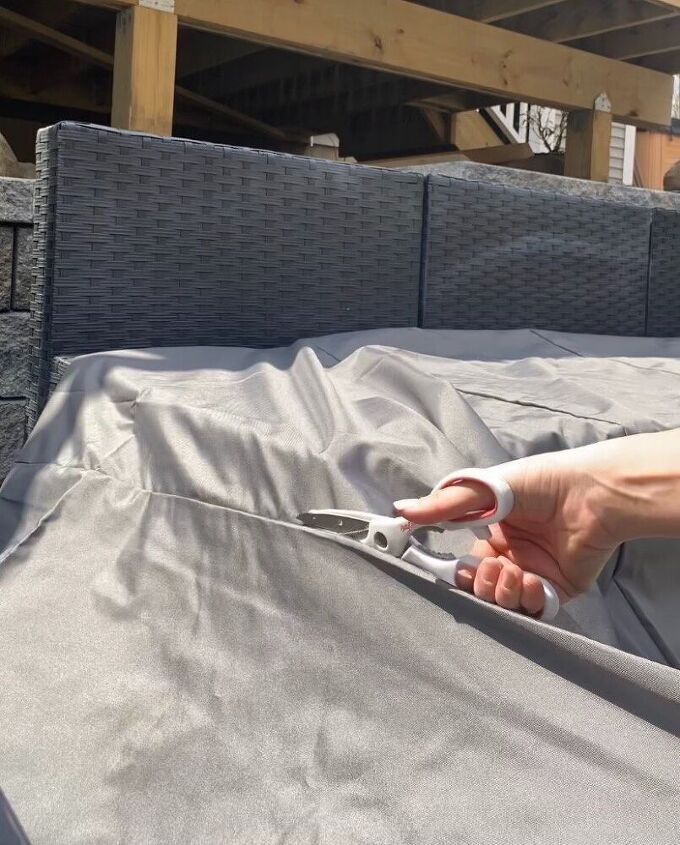
Credit: www.hometalk.com
Measuring Your Furniture
Measuring your outdoor furniture is the first step to making perfect covers. Accurate measurements ensure the cover fits well and protects your furniture from weather. Take your time to measure every part carefully. Using the right tools helps you get exact numbers.
Taking Accurate Dimensions
Use a tape measure for all parts of your furniture. Measure the length, width, and height separately. Don’t forget arms, backs, and legs if they stick out. Write down each measurement clearly. Double-check by measuring twice to avoid mistakes.
Allowing For Seam And Ease
Add extra space for seams and ease when cutting fabric. Add about 1 to 2 inches on each side for sewing. Leave room for the cover to fit over the furniture easily. This prevents the cover from being too tight or too small.
Cutting And Preparing Fabric
Cutting and preparing fabric is a key step in making durable covers for outdoor furniture. It ensures the fabric fits well and lasts long. Proper preparation prevents fabric from fraying or shrinking after sewing. Taking time here makes the rest of the project easier and neater.
Marking Patterns
Start by measuring your furniture carefully. Use a tape measure for accuracy. Draw the shape on the fabric with chalk or a fabric marker. Mark extra space for seams and hems. Make clear, smooth lines to follow when cutting. Double-check measurements before cutting the fabric.
Cutting Techniques
Use sharp fabric scissors for clean cuts. Cut slowly along the marked lines. Avoid lifting the fabric too much to keep the shape exact. Use a rotary cutter on a cutting mat for straight edges. Cut one piece at a time unless you have multiple layers of the same fabric.
Reinforcing Edges
Edges can fray easily outdoors. Fold edges twice and pin them in place. Sew a straight stitch close to the edge for strength. Use bias tape or seam binding on corners for extra support. Reinforced edges help the cover hold its shape and last longer outdoors.
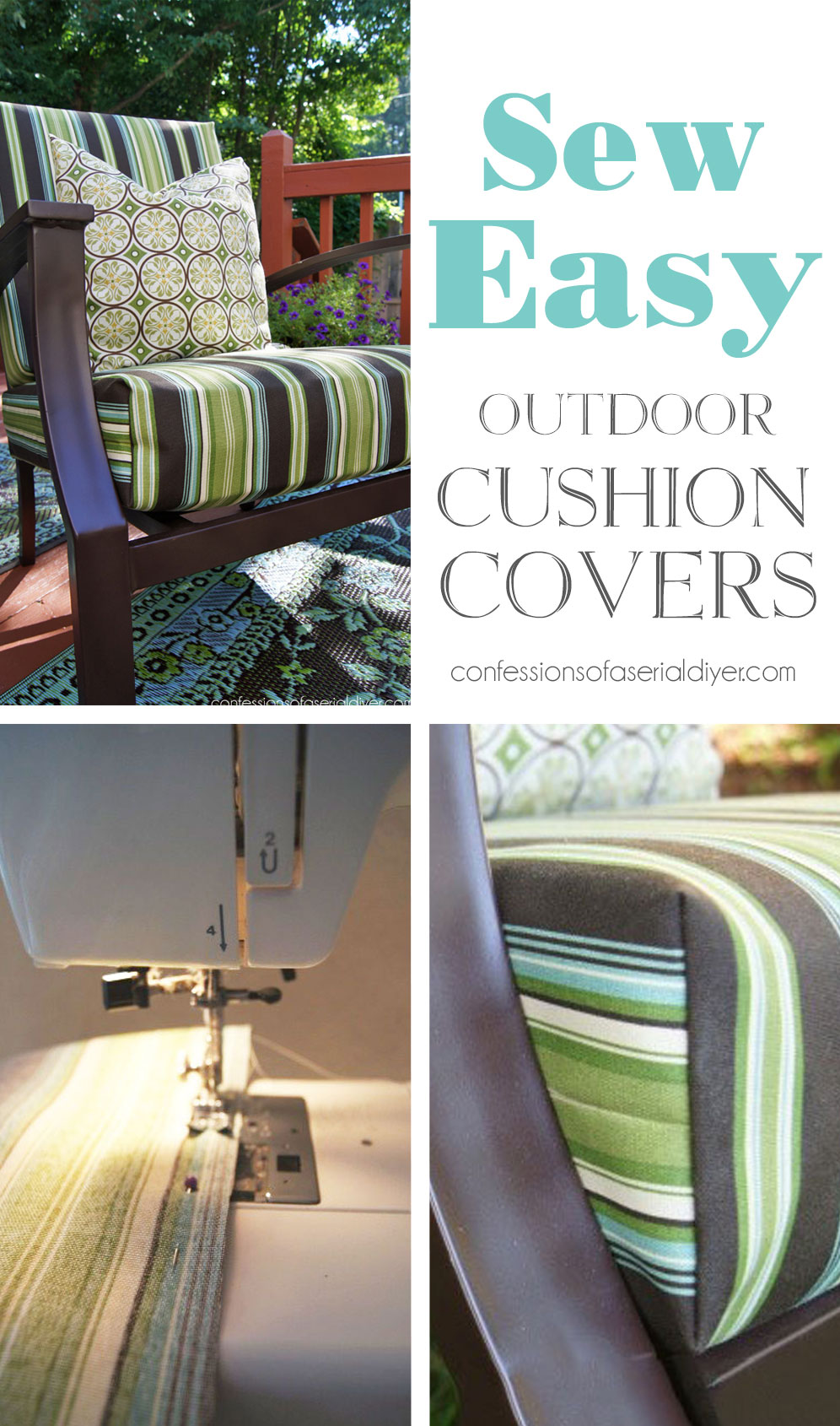
Credit: www.confessionsofaserialdiyer.com
Sewing The Cover
Sewing the cover for your outdoor furniture is a key step in protecting it. A well-made cover fits snugly and lasts long. Sewing can seem hard, but with simple tips, you can do it yourself.
Start by choosing the right fabric and thread. Use strong, water-resistant materials for durability. Take your time to measure and cut the fabric accurately. Let’s explore the sewing process to make your cover sturdy and neat.
Basic Stitching Tips
Use a heavy-duty needle for thick fabric. Select polyester or nylon thread for strength. Keep stitches even and tight to avoid gaps. Sew slowly to control the fabric and prevent mistakes. Backstitch at the start and end to lock stitches in place.
Adding Seams And Hems
Seams join fabric pieces together and need extra care. Press seams flat with an iron for a clean look. Fold edges twice to make strong hems that stop fraying. Sew hems close to the edge for a neat finish. Reinforce stress points with extra stitching for durability.
Incorporating Fasteners
Fasteners keep the cover secure on windy days. Use Velcro strips, zippers, or snaps based on your needs. Sew fasteners firmly with multiple stitches to hold them tight. Place fasteners where they are easy to reach and use. Test the cover fit after adding fasteners to ensure comfort.
Adding Finishing Touches
Adding finishing touches to your outdoor furniture covers is key to their success. These small steps help protect your furniture better. They also extend the life of your covers. Focus on details that improve durability and ease of use.
Simple additions can make a big difference. Think about water resistance, air flow, and storage. Each factor helps keep your furniture safe and your covers lasting longer.
Waterproofing Sprays
Use waterproofing sprays to protect fabric covers. They stop water from soaking into the material. Spray evenly on dry, clean covers. Let them dry completely before use. This adds a strong water barrier. It helps keep your furniture dry during rain. Reapply the spray every few months. This keeps the protection strong and effective.
Ventilation Features
Ventilation prevents mold and mildew under covers. Add small vents or mesh panels to your design. These allow air to flow through the cover. Air flow reduces moisture buildup. It keeps furniture fresh and dry. Place vents on the sides or top. Make sure they are covered to keep rain out. Proper ventilation extends the life of your furniture and covers.
Storage Solutions
Good storage keeps covers safe when not in use. Fold covers neatly to avoid wrinkles and damage. Use a storage bag or box to protect them. Store in a dry, cool place away from sunlight. This prevents fading and material breakdown. Label storage containers for easy finding. Proper storage saves time and keeps covers ready for use.
Maintenance And Care
Proper maintenance and care extend the life of your outdoor furniture covers. Regular attention keeps them looking fresh and protects your furniture from weather damage. Simple steps help avoid costly replacements and keep covers functional all year.
Cleaning Your Covers
Clean covers regularly to remove dirt and stains. Use mild soap and cold water with a soft brush or cloth. Avoid harsh chemicals that can weaken fabric. Rinse well and air dry completely before putting covers back on.
Repairing Tears
Small tears can grow if not fixed quickly. Use a strong fabric adhesive or patch kit designed for outdoor materials. Trim loose threads first. Press patches firmly and let them dry fully. Repairing early saves money and keeps covers waterproof.
Storing During Off-season
Store covers in a dry, cool place when not in use. Make sure they are clean and dry to prevent mold or mildew. Fold covers neatly and avoid heavy stacking. Proper storage ensures covers stay ready for the next season.

Credit: www.youtube.com
Frequently Asked Questions
What Materials Are Best For Outdoor Furniture Covers?
Waterproof fabrics like vinyl, polyester, and canvas are best. They protect against rain, sun, and dirt. Choose breathable materials to prevent mold and mildew.
How Do I Measure Furniture For Covers?
Measure the height, width, and depth of your furniture. Add extra inches for a loose fit. Accurate measurements ensure effective protection and easy removal.
Can I Make Custom-fit Outdoor Furniture Covers?
Yes, custom covers fit perfectly and offer better protection. Use durable fabric and waterproof coatings. Sewing skills or a professional service can help create tailored covers.
How Do I Maintain My Outdoor Furniture Covers?
Clean covers regularly with mild soap and water. Air dry completely before storage to avoid mold. Store in a dry, cool place when not in use.
Conclusion
Making covers for outdoor furniture protects your pieces from weather damage. Choose strong, water-resistant fabric for best results. Measure your furniture carefully to get the right fit. Sewing simple seams and adding ties keeps covers secure. Taking time to create your own covers saves money and extends furniture life.
Enjoy your outdoor space longer with well-made covers. Try this easy project and see the difference.