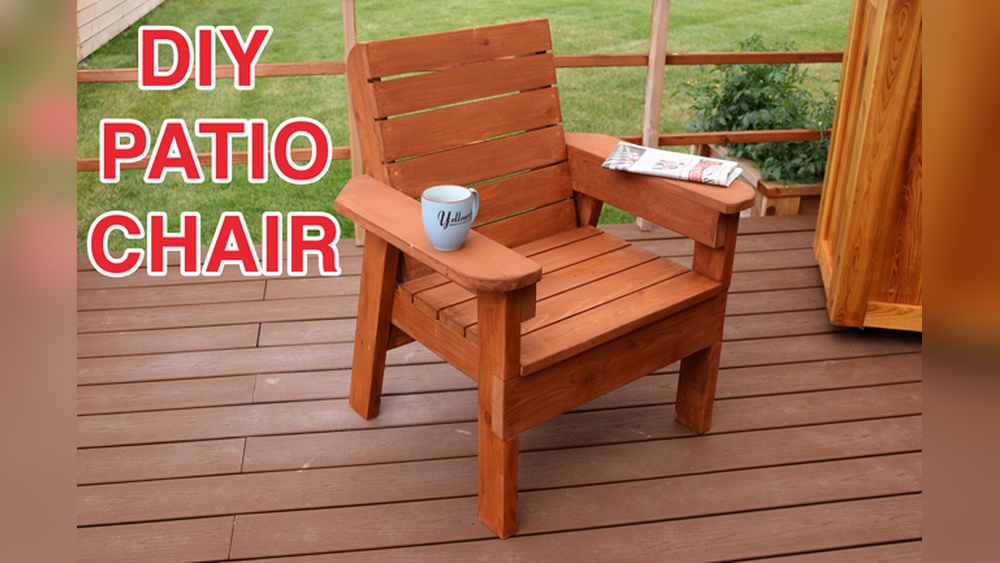
Are you dreaming of a cozy outdoor space with furniture that fits your style perfectly? Making your own outdoor furniture at home is easier than you think.
Imagine relaxing on a chair you built yourself or hosting friends around a table crafted by your own hands. Not only will you save money, but you’ll also create pieces that are unique and built to last. In this guide, you’ll discover simple steps and smart tips to turn basic materials into stunning outdoor furniture.
Ready to transform your yard into a comfortable retreat? Let’s get started!
Choosing The Right Materials
Choosing the right materials is key for making strong outdoor furniture. The material affects how long your furniture lasts and how it looks. It also impacts how much care it needs over time.
Picking materials that resist weather changes helps your furniture stay beautiful. Some materials handle rain, sun, and wind better than others. Understanding different options helps you decide what fits your style and budget.
Wood Options For Durability
Wood is a popular choice for outdoor furniture. Teak, cedar, and redwood last long outside. These woods resist rot and insects naturally. Pine and fir are cheaper but need sealing to last. Regular oiling keeps wood strong and fresh.
Metal And Recycled Materials
Metal furniture offers strength and modern style. Aluminum and stainless steel do not rust easily. They are lightweight and easy to move. Recycled materials like plastic lumber are eco-friendly. They resist water and need little upkeep.
Weatherproof Finishes
Weatherproof finishes protect your furniture from damage. Use sealants, paints, or stains made for outdoors. These finishes block moisture and UV rays. Reapply finishes every year for best protection. Proper finishing extends your furniture’s life.
Essential Tools And Supplies
Making your own outdoor furniture is a fun and rewarding project. To start, gather the right tools and supplies. These items help you work safely and build strong furniture. This section covers the essential tools and supplies for your project.
Basic Carpentry Tools
Basic carpentry tools make cutting and shaping wood easier. A handsaw or circular saw is needed for cutting boards. A drill helps to make holes and fasten screws. Sandpaper or a power sander smooths the wood surface. A tape measure ensures accurate wood cuts. A carpenter’s square helps keep corners straight. Clamps hold pieces together while you work.
Safety Gear
Safety gear protects you during the project. Wear safety goggles to protect your eyes from dust and wood chips. Use ear protection if using loud power tools. A dust mask prevents you from breathing sawdust. Work gloves protect your hands from splinters and sharp edges. Wear sturdy shoes to protect your feet from falling objects.
Paints And Sealants
Paints and sealants protect your furniture from weather damage. Choose outdoor paint designed for wood surfaces. Sealants help prevent water damage and wood rot. Apply primer before painting for better paint adhesion. Use a brush or roller for smooth application. Reapply sealant every year to keep furniture durable.
Simple Diy Furniture Projects
Simple DIY furniture projects make outdoor spaces cozy and inviting. These projects use easy materials and simple steps. Anyone can build them, even with little experience. Creating your own furniture saves money and adds a personal touch.
Try these three popular projects. They fit well in gardens, patios, or balconies. Each project offers comfort and style with basic tools and wood.
Building A Pallet Bench
Pallet benches are affordable and sturdy. Find old wooden pallets from local stores or warehouses. Sand the wood to remove rough edges. Join two pallets side by side for the seat. Add legs using extra pallet wood or scrap lumber. Paint or stain the bench for protection and a nice look. This bench suits small or large outdoor areas.
Crafting A Wooden Adirondack Chair
Adirondack chairs are classic and comfortable. Cut wood pieces for the backrest, seat, and arms. The backrest should have a slight curve for comfort. Attach the pieces with screws and wood glue. Sand all surfaces smooth. Use outdoor paint or sealant to protect the chair. This chair invites relaxation and looks great near gardens or pools.
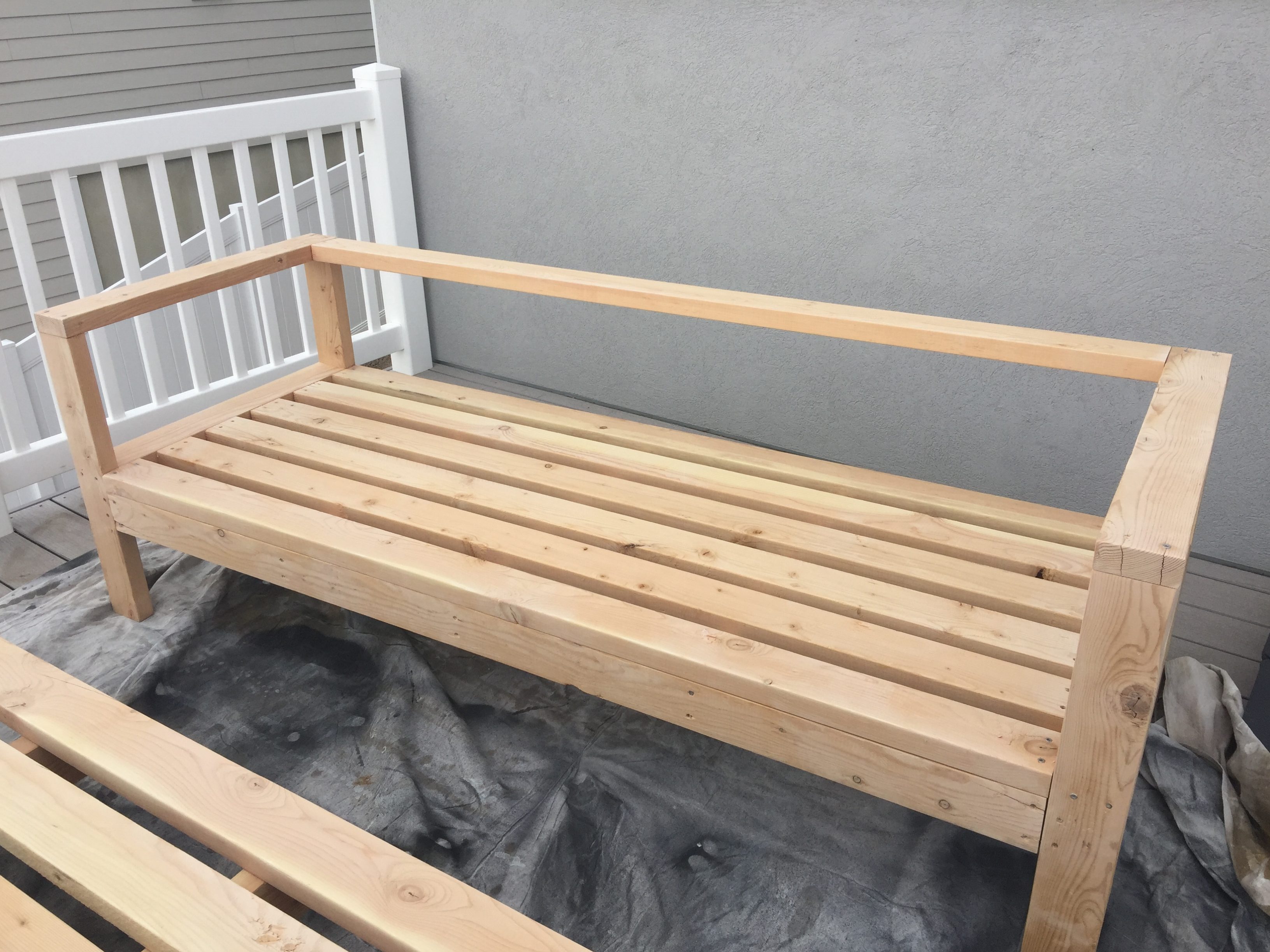
Constructing A Rustic Coffee Table
A rustic coffee table adds charm to outdoor seating. Use thick wooden planks for the tabletop. Attach sturdy legs from reclaimed wood or logs. Sand the table to avoid splinters. Finish with a weatherproof sealant or oil. The table works well for drinks, snacks, or decoration. It blends well with natural outdoor themes.
Credit: www.honeybearlane.com
Step-by-step Assembly Tips
Building your own outdoor furniture can be fun and rewarding. Careful steps help the project go smoothly. Follow clear assembly tips to create strong, lasting pieces. These tips cover measuring, cutting, assembling, sanding, and finishing. Each step matters for good results.
Measuring And Cutting Wood
Start by measuring each piece of wood carefully. Use a tape measure and mark exact lengths. Double-check your marks before cutting. Cut wood with a saw, following your marks closely. Straight cuts make assembly easier. Wear safety goggles to protect your eyes during cutting.
Assembling Components Securely
Use screws or nails to join wood parts. Drill pilot holes to avoid splitting the wood. Tighten screws firmly, but do not over-tighten. Check that all parts fit together well. Use clamps to hold pieces steady while fastening. A square tool helps keep corners at right angles.
Sanding And Finishing
Smooth all surfaces with sandpaper or a sanding block. Start with coarse grit, then use finer grit for a soft finish. Remove dust with a brush or cloth. Apply outdoor paint, stain, or sealant to protect the wood. Let each coat dry fully before applying the next. Proper finishing extends furniture life outdoors.
Adding Comfort And Style
Adding comfort and style to homemade outdoor furniture makes your space inviting. It transforms plain wood into a cozy spot for family and friends. Simple touches change the look and feel of your furniture. Comfort and style work together to create a relaxing outdoor area.
Choosing Outdoor Cushions
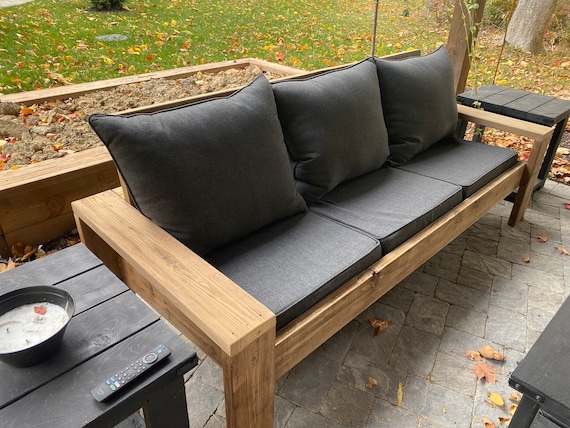
Select cushions made for outdoor use. They resist water, sun, and mildew. Pick cushions in colors that match your garden or patio. Soft cushions improve comfort and make seating enjoyable. Foam with quick-dry features works best. Choose covers that are easy to clean.
Incorporating Decorative Elements
Decorative elements add personality to your furniture. Use patterned pillows or throws to brighten the look. Add small potted plants around your seating area. Use natural materials like wood or stone for accents. These details create a cozy and stylish vibe.
Painting And Staining Ideas
Paint or stain your furniture to protect it from weather. Use light colors to keep your space feeling open and bright. Dark stains highlight the wood’s natural grain. Choose non-toxic paints safe for outdoor use. A fresh coat refreshes old furniture and adds charm.
Credit: www.etsy.com
Maintenance For Longevity
Homemade outdoor furniture needs care to last long. Proper maintenance keeps it strong and looking good. Small efforts can protect your furniture from damage and wear. Follow these simple steps to extend its life.
Cleaning Outdoor Furniture
Clean your furniture regularly to remove dirt and dust. Use a soft brush or cloth with mild soap and water. Avoid harsh chemicals that can damage the finish. Rinse well and dry completely to stop mold and mildew growth.
Protecting Against Weather Damage
Weather harms outdoor furniture over time. Apply a sealant or protective finish to wooden pieces yearly. Cover furniture during rain or snow to prevent water damage. Store cushions indoors or in waterproof bags to keep them dry and fresh.
Repairing Common Wear And Tear
Check furniture often for loose screws or cracks. Tighten screws and replace missing parts quickly. Sand down rough spots and reapply paint or stain to prevent wood decay. Fix minor damage early to avoid costly repairs later.
Creative Upcycling Ideas
Creative upcycling ideas breathe new life into old materials for outdoor furniture. These ideas save money and reduce waste. They offer unique styles that store-bought furniture cannot match. Using things around your home can turn into stunning garden pieces. This section explores simple ways to upcycle common items.
Using Old Doors And Windows
Old doors make excellent tabletops or bench backs. Sand them down and paint for a fresh look. Windows with intact glass can become charming coffee tables. Remove the glass for a rustic frame seat or shelf. These pieces add vintage charm and character to your garden.
Repurposing Crates And Pallets
Wooden crates and pallets are perfect for outdoor seating or tables. Stack crates to create storage benches or planter boxes. Sand and seal pallets to form sturdy chairs or loungers. Their simple design allows easy customization. Paint or stain to match your garden style.
Transforming Metal Items
Metal buckets and old tools can turn into unique garden stools or planters. Clean and paint them for durability and style. Iron bed frames can become garden benches or trellises. Metal items add an industrial touch and last long outdoors. Creativity turns scrap metal into useful furniture.

Credit: www.northcountrynest.com
Frequently Asked Questions
What Materials Are Best For Homemade Outdoor Furniture?
Wood, metal, and recycled plastics are popular for outdoor furniture. Cedar and teak resist weather well. Metal frames offer durability. Choose materials based on climate and style preference for lasting furniture.
How Do I Protect Outdoor Furniture From Weather Damage?
Apply weather-resistant sealants or paint to wood surfaces. Use rust-proof coatings on metal parts. Store cushions indoors or use waterproof covers. Regular maintenance extends furniture life and keeps it looking new.
What Basic Tools Do I Need For Diy Outdoor Furniture?
Essential tools include a saw, drill, screwdriver, measuring tape, and sander. Clamps and safety gear like gloves and goggles are also important. These tools help you cut, assemble, and finish furniture efficiently.
How Long Does It Take To Build Outdoor Furniture At Home?
Simple projects like benches or chairs take a few hours to a day. Complex pieces may require several days. Time depends on skill level, design complexity, and drying times for finishes.
Conclusion
Creating your own outdoor furniture brings joy and pride. It saves money and lets you choose your style. Building with simple tools makes the task easy. You can customize each piece to fit your space. Using quality materials helps your furniture last longer.
Enjoy the process as much as the result. Your outdoor area will feel fresh and inviting. Give it a try and see the difference. Crafting furniture yourself is rewarding and fun. Start small, learn step by step, and watch your space transform.


