Feeling overwhelmed by anxiety? What if you had a simple, creative way to manage those stressful moments right at your fingertips?
Making mini books for your anxiety bookshelf is an easy and effective method to keep calm and regain control. These tiny books hold powerful tools, reminders, and calming techniques that you can turn to whenever you need. You’ll discover step-by-step how to create your own mini books designed to ease anxiety and bring comfort whenever you need it most.
Ready to take charge of your peace of mind? Let’s dive in.

Credit: www.amazon.com
Materials Needed
Creating mini books for your anxiety bookshelf starts with gathering the right materials. Simple supplies help you make small, meaningful books. These materials are easy to find and work with. They allow you to personalize your books and make the process fun.
Paper And Cardstock
Choose light paper for the pages. Plain or lined paper works well. Use thicker cardstock for the cover. It makes the book sturdy and durable. Select colors or patterns that calm you. Soft pastels or soothing tones are great choices.
Cutting Tools
Use scissors or a craft knife to cut paper and cardstock. A ruler helps make straight cuts. A cutting mat protects your surface. Keep tools sharp and clean for neat edges. Safety first—cut slowly and carefully.
Binding Supplies
Staples, glue, or thread can bind your mini book. Staples are quick and easy. Glue works well for simple books. Thread and needle create a traditional stitched binding. Choose what feels best for you. Secure the pages firmly but gently.
Decorative Elements
Decorate your mini book with stickers, stamps, or washi tape. Add drawings or handwriting for a personal touch. Use markers or colored pencils to brighten pages. Keep decorations simple to avoid clutter. Let your creativity flow in small ways.
Choosing Book Themes
Choosing the right themes for your mini books is key to creating a helpful anxiety bookshelf. Themes guide the content and mood of each book. They make the books useful and easy to turn to when feeling anxious.
Pick themes that calm the mind and boost positive feelings. Each mini book should have a clear focus. This helps readers find comfort quickly.
Calming Quotes
Calming quotes bring peace and hope. Short, gentle sayings can soothe stress fast. Choose quotes that speak about strength, peace, and patience. Use simple words and clear ideas. These quotes fit well on small pages and are easy to remember.
Mindfulness Exercises
Mindfulness exercises help focus on the present moment. Simple breathing or body scan activities work best. Write short, easy steps to guide readers. These exercises reduce worries and calm the mind. They make mini books practical tools for anxious times.
Positive Affirmations
Positive affirmations build confidence and reduce negative thoughts. Use short, clear sentences that encourage self-love and calm. Repeat phrases like “I am safe” or “I can handle this.” Affirmations support a hopeful mindset. They fit perfectly in mini books for quick boosts.
Cutting And Folding Paper
Cutting and folding paper are key steps to create mini books for your anxiety bookshelf. These steps shape the pages and give the book its form. Careful work here makes the book neat and easy to use. Follow these simple steps for good results.
Measuring Pages
Start by choosing the paper size. Use a ruler to mark the paper. Measure the width and height for each page. Keep all pages the same size for a tidy look. Mark lines lightly with a pencil. This helps guide your cuts and folds.
Folding Techniques
Fold the paper carefully along the measured lines. Use your fingers or a bone folder to make sharp creases. Fold each page in half or quarters, depending on your design. Make sure folds are straight and even. Smooth folds prevent the book from looking messy.
Trimming Edges
Trim the edges to align all pages perfectly. Use scissors or a craft knife for clean cuts. Cut slowly to avoid mistakes. Check that all edges match before trimming. Even edges give the mini book a professional look.
Credit: www.amazon.com
Binding Methods
Binding is a key step in making mini books for your anxiety bookshelf. It holds the pages together and gives your book a neat finish. Different methods work for different styles and materials. Choose a binding style that fits your time, tools, and the look you want.
Staple Binding
Staple binding is quick and easy. Fold your pages in half and stack them neatly. Use a long-arm stapler to place two staples along the spine. Press firmly to hold the pages tight. This method works well for thin mini books with few pages.
Sewing The Spine
Sewing the spine gives a classic and sturdy finish. Fold your pages and punch small holes along the fold line. Thread a needle and sew through the holes in a simple stitch pattern. Tie the thread securely at the end. This method adds charm and durability to your mini book.
Glue Binding
Glue binding creates a smooth, clean spine. Arrange your pages evenly and clamp them together. Apply a thin layer of strong craft glue along the spine edge. Let the glue dry fully before handling. Glue binding works best for thicker mini books with many pages.
Designing The Cover
Designing the cover of your mini book is a fun and important step. It helps set the mood and invites readers to open the book. A well-designed cover can calm the mind and make the book feel special. It also gives a hint about the book’s message or theme.
Focus on simple designs that feel soothing and clear. Small touches can make a big difference. Use colors, titles, and decorations to create a cover that fits your anxiety bookshelf.
Choosing Colors
Pick colors that feel calm and soft. Light blues, gentle greens, or pastel shades work well. These colors help reduce stress and create a peaceful feeling. Avoid bright or harsh colors that might feel overwhelming. Keep the color scheme simple with two or three matching tones. This makes the cover look neat and inviting.
Adding Titles
Make your title clear and easy to read. Use simple words that describe the book’s purpose. Choose a clean font that is not too fancy or hard to see. Write the title in a size big enough to catch attention. Place the title in the center or top of the cover for balance. A clear title helps people know what the book is about quickly.
Using Stickers And Stamps
Decorate the cover with stickers or stamps for a personal touch. Pick calming shapes like stars, hearts, or flowers. These small images add charm and warmth to your mini book. Use stamps with soft ink colors to keep the look gentle. Stickers and stamps make the cover unique and inviting. They also show care and effort in the book’s creation.
Adding Personal Touches
Adding personal touches to your mini books makes them unique and meaningful. It helps create a deeper connection with your anxiety bookshelf. Personal details can comfort and inspire during tough moments. Simple additions bring warmth and personality to your mini books.
Handwritten Notes
Handwritten notes add a special feel to your mini books. Your writing shows care and effort. Short messages or quotes provide encouragement and calm. Write in your natural style for authenticity. Use colorful pens to brighten the pages. These notes become little reminders of hope.
Illustrations
Drawings make your mini books visually appealing. Simple sketches can express feelings hard to say. Use easy shapes or symbols that relate to peace and comfort. Doodles and patterns add charm without needing art skills. Illustrations break the text and keep readers interested. They create a soothing visual experience.
Incorporating Photos
Photos add real-life memories to your mini books. Choose pictures that bring joy or calmness. Family, pets, nature, or favorite places work well. Small, clear photos fit best on mini pages. Paste them carefully to avoid wrinkles. Photos make your anxiety bookshelf personal and warm.
Organizing The Anxiety Bookshelf
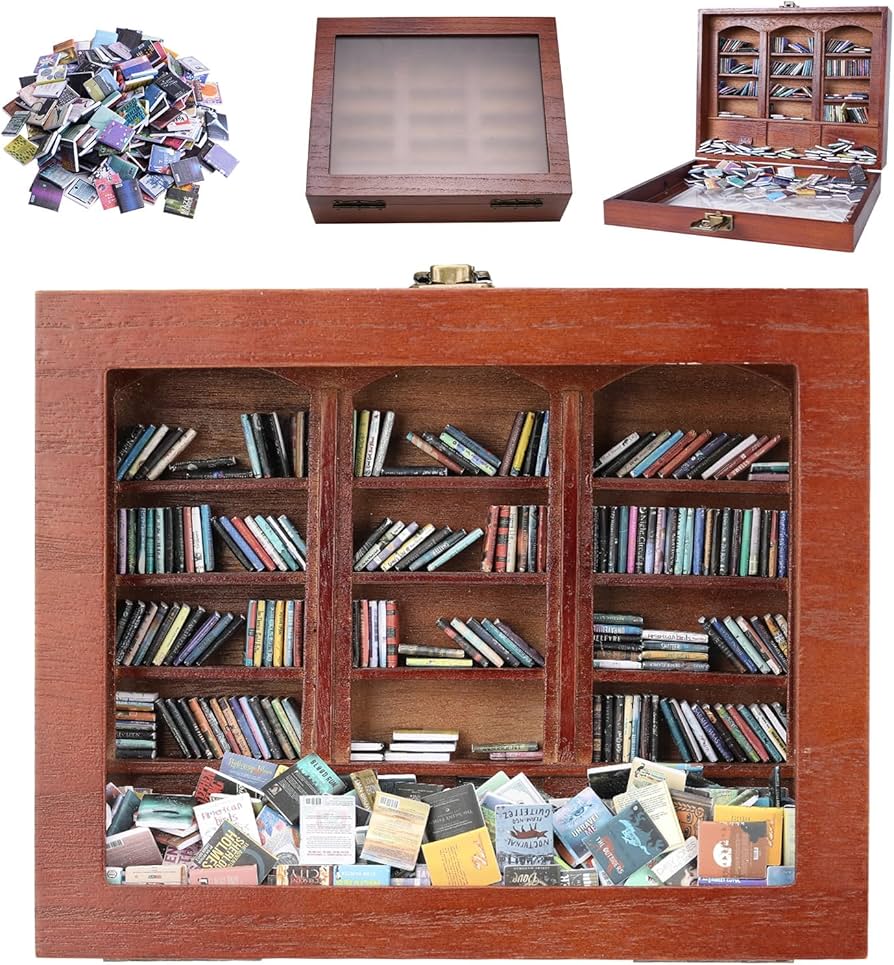
Organizing an anxiety bookshelf helps you find support quickly. A well-arranged shelf feels calm and inviting. It makes your mini books easy to use when needed. Clear order reduces stress before reading. It also keeps your collection neat and tidy.
Arranging By Theme
Group your mini books by their topics. Place books on mindfulness in one section. Put those about breathing exercises in another. Sorting by theme helps you pick the right book fast. It also shows the range of your collection clearly.
Labeling Sections
Use simple labels for each group of books. Write clear words like “Calming Techniques” or “Thoughts and Feelings.” Labels make it easy to see where each book belongs. They help keep your shelf organized over time. Choose easy-to-read fonts and colors for labels.
Maintaining The Collection
Check your bookshelf regularly. Remove books you no longer need or use. Add new mini books that fit your themes. Keep the shelf dust-free and tidy. A clean and updated shelf supports your anxiety management well.
Tips For Using Mini Books
Mini books are a great tool to manage anxiety. They fit easily on your bookshelf and offer quick support. Using mini books well can help build calm habits and reduce stress. Here are some tips for making the most of your mini anxiety books.
Daily Reading Habits
Set a short time each day to read your mini book. Even five minutes can bring calm. Choose a quiet spot to focus fully. Read slowly and think about the words. This small habit can improve your mood over time.
Sharing With Others
Talk about your mini books with friends or family. Sharing ideas can lighten your mind. Others might find the books helpful too. This creates a support circle around your anxiety. Sharing also helps you remember key points better.
Updating Content Regularly
Keep your mini books fresh by adding new tips or quotes. Replace old pages with new, useful content. This keeps your interest strong and helps you learn more. Regular updates make your mini books a living tool. They grow with your needs and progress.

Credit: www.anxietybookshelf.com
Frequently Asked Questions
What Materials Are Needed To Make Mini Books For Anxiety?
To make mini books, gather paper, scissors, glue, and markers. Choose calming colors and sturdy paper. These materials help create durable, personalized anxiety-relief books that are easy to carry and use whenever needed.
How Can Mini Books Help Reduce Anxiety Symptoms?
Mini books provide quick access to coping techniques and positive affirmations. They help focus the mind and reduce stress. Using mini books regularly supports emotional regulation and promotes relaxation during anxious moments.
What Are The Best Themes For Anxiety Mini Books?
Choose themes like mindfulness, breathing exercises, positive affirmations, and gratitude. These topics encourage calmness and self-reflection. The right themes make your mini book a practical tool for managing anxiety daily.
How Long Does It Take To Make A Mini Anxiety Book?
Creating a mini book typically takes 30 to 60 minutes. Time depends on the complexity of design and number of pages. This quick project is perfect for stress relief and personal expression.
Conclusion
Creating mini books for your anxiety bookshelf brings calm and focus. These small books fit easily in any space. You can carry them anywhere for quick relief. Crafting them yourself makes each one special and personal. Use simple words and soothing ideas inside.
This project helps reduce stress and boosts your mood. Start with a few pages and add more later. Enjoy the process and the peace it brings. Keep your mini books close and open them often. Small steps can lead to big comfort.
