Are you struggling to get the perfect viewing angle for your TV on a bookshelf? Watching your favorite shows with a neck strain is no fun.
You want your TV higher, clearer, and more comfortable to watch without buying new furniture. Imagine sitting back, relaxed, with your screen right where it should be—no more awkward bending or shifting. In this guide, you’ll discover simple, practical ways to raise your TV on a bookshelf.
Keep reading, and you’ll learn easy tricks that make a big difference in your viewing experience.
Choose The Right Bookshelf
Choosing the right bookshelf is key to raising your TV safely and stylishly. The right shelf supports your TV’s size and weight. It also fits well in your room and looks good.
Picking a bookshelf that matches your TV setup makes your space neat. It helps avoid accidents and keeps your TV steady.
Measure Shelf Dimensions
Measure the width and height of the bookshelf. Make sure the shelf is wide enough for your TV. The height should raise the TV to a good viewing level.
Check the space between shelves if the bookshelf has more than one. The TV should fit without touching other items.
Check Weight Capacity
Find out how much weight the bookshelf can hold. Your TV must be lighter than this limit. This keeps the shelf safe and stable.
Look for shelves made of strong materials like wood or metal. They usually support more weight than plastic ones.
Consider Shelf Depth
Measure how deep the shelf is from front to back. The shelf must be deep enough to hold the TV base or stand securely.
A shallow shelf might cause the TV to tip over. Make sure the TV fits well without hanging off the edge.
Select A Stable Base
Selecting a stable base is key to raising your TV safely on a bookshelf. A solid foundation prevents wobbling and keeps the TV secure. Stability reduces the risk of accidents and damage. Choosing the right base also improves viewing comfort by positioning the screen at eye level.
Focus on strong, even support. Avoid materials that bend or shift under weight. Stability ensures your TV stays in place over time.
Use Furniture Risers
Furniture risers are small blocks designed to lift heavy items. Place them under the TV or bookshelf to add height. They come in plastic, wood, or metal. Choose risers that hold your TV’s weight safely. Use multiple risers for even support. This method is simple and affordable.
Add Sturdy Platforms
Adding a sturdy platform creates a strong, flat surface. Use a thick wooden board or solid shelf. Make sure the platform fits well on the bookshelf. The platform must not wobble or tilt. Secure it with clamps or brackets if needed. This option offers more height and stability.
Avoid Unstable Objects
Do not use soft or uneven items as a base. Avoid stacks of books, cushions, or boxes. These materials compress or shift easily. They can cause the TV to fall or lean. Always test the base for firmness before placing the TV. Safety comes first when raising your TV.
Adjust Tv Height Safely
Adjusting the TV height on a bookshelf is important for clear viewing and room safety. Raising the TV too high or in an unstable way can cause accidents. Follow safe methods to make sure your TV stays steady and secure.
Use Tv Mounting Brackets
TV mounting brackets fix the TV to the bookshelf or wall. They offer strong support and prevent the TV from falling. Choose brackets that fit your TV size and weight. Always use screws and anchors made for your bookshelf material. This keeps the TV stable and safe to watch.
Place On Adjustable Stands
Adjustable stands allow you to change the TV height easily. They come with features to tilt or swivel the screen. Pick a stand with a sturdy base to avoid tipping. These stands fit well on bookshelves and help reach the right eye level for comfort.
Secure With Non-slip Pads
Non-slip pads keep the TV from sliding on smooth surfaces. Place these pads under the TV or stand legs. They add grip and reduce movement during vibrations or accidental bumps. This simple step improves stability and protects your TV and furniture.
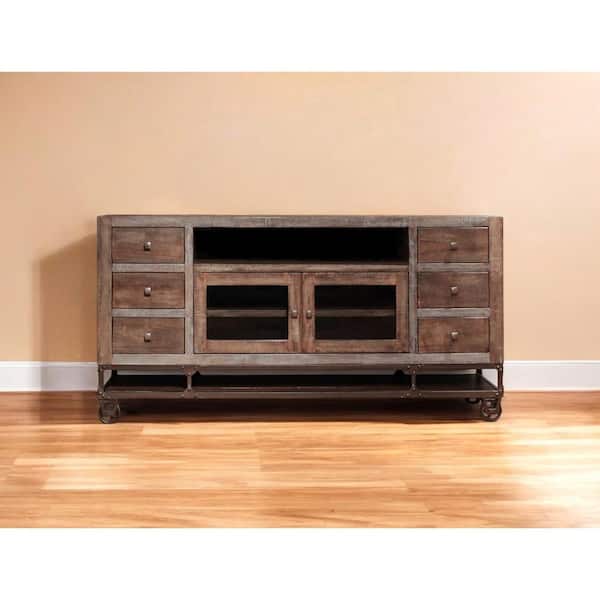
Credit: www.homedepot.com
Optimize Viewing Angle
Optimizing the viewing angle improves your TV watching experience on a bookshelf. The right angle helps avoid neck strain and eye discomfort. It also makes the picture clear and easy to see. Small adjustments can make a big difference in comfort and picture quality.
Tilt Screen Correctly
Tilt the TV screen slightly downward if it is placed higher than eye level. This change reduces glare and helps you see the picture better. Use a tilt mount or adjustable stand to set the angle. Avoid tilting too much; a small tilt is enough.
Align With Eye Level
Position the TV so the center of the screen matches your eye height when seated. This setup prevents neck strain and keeps your view natural. Use books or sturdy objects to raise the TV if needed. Check your seating position before fixing the height.
Reduce Glare And Reflection
Place the TV away from windows or bright lights to reduce glare. Use curtains or blinds to control sunlight. Adjust the TV angle to avoid reflections from lamps or screens. A clear, glare-free screen improves the picture and reduces eye fatigue.
Manage Cables Neatly
Managing cables neatly is key to a clean look when placing your TV higher on a bookshelf. Messy wires can distract from your setup and cause safety issues. Keeping cables organized improves the room’s appearance and makes it easier to access devices.
Use Cable Organizers
Cable organizers keep wires bundled together. Use clips, sleeves, or ties to group cables. This stops tangling and makes the setup tidy. Choose organizers that fit your cable size and style.
Hide Wires Behind Shelf
Hiding cables behind the bookshelf hides clutter from view. Run wires along the back or inside shelves. Use adhesive clips or hooks to hold cables in place. This method keeps cables out of sight and prevents tripping.
Label Cables For Ease
Labeling cables helps identify each wire quickly. Use tags or colored tape to mark cables. This saves time when unplugging or rearranging devices. Clear labels reduce confusion and keep your setup organized.

Credit: www.amazon.com
Enhance Shelf Safety
Enhancing shelf safety is key when placing a TV higher on a bookshelf. A secure setup prevents accidents and protects your devices. Proper safety measures keep your space organized and safe. Follow these simple steps to make your shelf strong and stable.
Anchor Bookshelf To Wall
Secure the bookshelf by anchoring it to the wall. Use brackets or straps made for furniture. This stops the shelf from tipping over. Always check the wall type before choosing anchors. Tighten all screws firmly for a stable hold.
Avoid Overloading Shelves
Place only the TV and light items on the upper shelves. Heavy objects can cause the shelf to bend or fall. Distribute weight evenly across shelves. Check the bookshelf’s weight limit before loading. Keep heavier items on lower shelves for balance.
Keep Surroundings Clear
Clear the area around the bookshelf for easy access. Avoid clutter near the base to prevent tripping. Make sure cords and cables do not block walkways. A tidy space reduces the risk of accidents. It also helps in quick cleaning and maintenance.

Credit: www.etsy.com
Frequently Asked Questions
How Can I Safely Raise My Tv On A Bookshelf?
Use sturdy risers or blocks to elevate the TV evenly. Ensure the setup is stable and secure to prevent tipping. Avoid stacking unstable items and check weight limits of the shelf before placing the TV on it.
What Tools Are Needed To Elevate A Tv On A Bookshelf?
You typically need sturdy risers, a level, measuring tape, and possibly brackets. These tools help ensure the TV is raised safely and positioned correctly for optimal viewing.
Can I Use Books To Raise My Tv Higher?
Yes, you can stack books, but ensure they are stable and evenly stacked. Avoid using soft or uneven books to prevent the TV from tipping or shifting.
How High Should I Place My Tv On A Bookshelf?
Place the TV at eye level when seated for the best viewing experience. This height reduces neck strain and provides comfortable viewing angles.
Conclusion
Raising your TV on a bookshelf can improve your viewing comfort. Use sturdy stands or risers to lift it safely. Ensure the shelf holds your TV’s weight securely. Adjust the height until the screen is at eye level. This small change makes watching more enjoyable and reduces neck strain.
Try these simple steps to create a better TV setup today. Your eyes and neck will thank you.