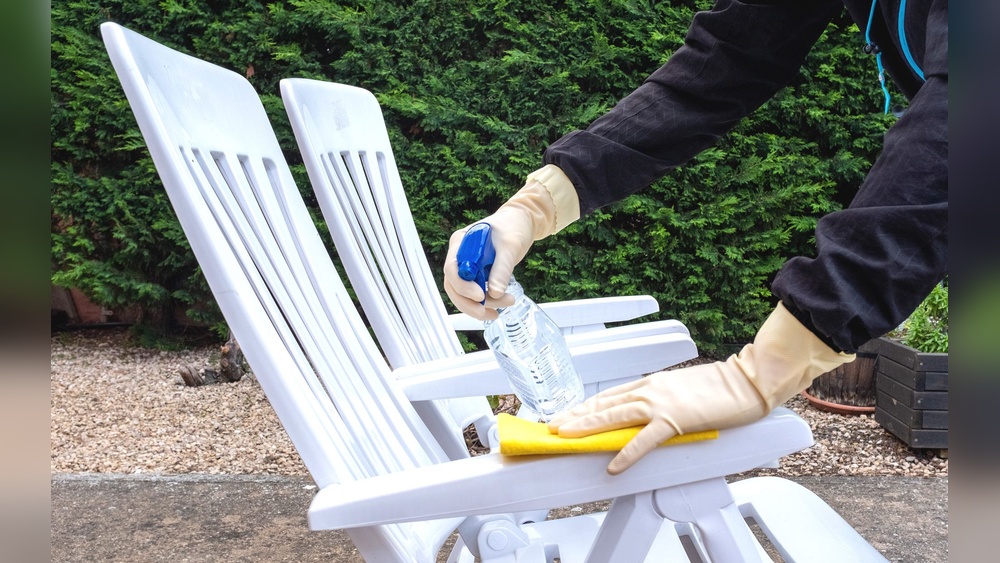
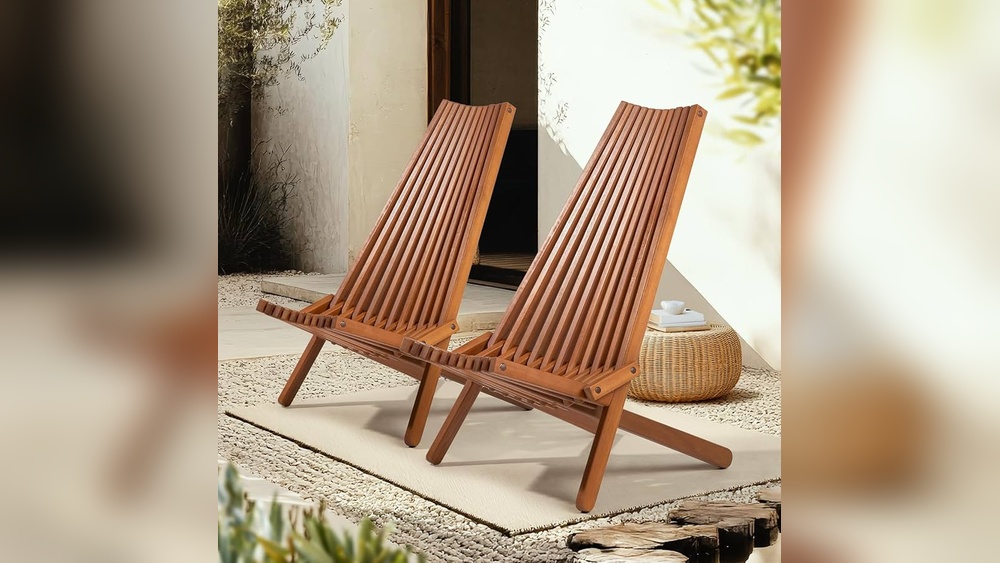
You love your wooden furniture, but when it’s outside, it faces rain, sun, and changing weather that can quickly damage it. You want your pieces to stay beautiful and strong for years, right?
Making wood furniture safe for outdoors isn’t as hard as you might think. With a few simple steps, you can protect your investment and enjoy your favorite furniture without worrying about wear and tear. Keep reading, and you’ll discover easy, effective ways to shield your wood and keep it looking great no matter the season.
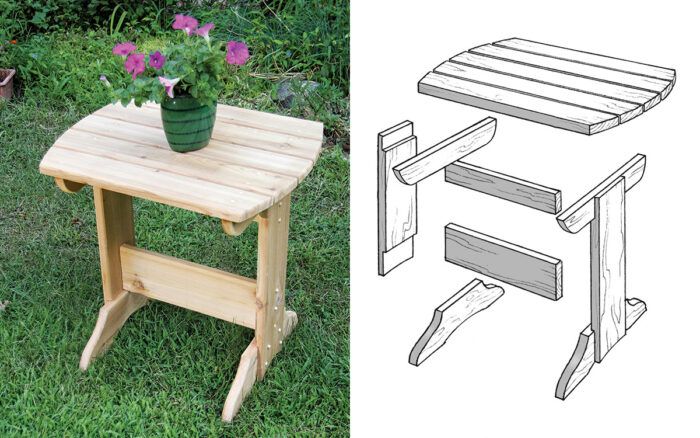
Credit: www.finewoodworking.com
Choosing The Right Wood
Choosing the right wood is key to making outdoor furniture last long. Wood must stand strong against rain, sun, and temperature changes. Some woods handle these conditions better than others. Picking the right type saves money and effort on repairs.
Durable Wood Types
Teak is famous for its strength and water resistance. It has natural oils that protect it from damage. Cedar is light and resists rot and insects well. Redwood also lasts long and holds color under sun exposure. These woods keep outdoor furniture sturdy and good-looking.
Avoiding Softwoods
Softwoods like pine and fir break down faster outside. They soak up water and can warp or rot quickly. These woods need extra treatment to survive outdoors. Better to choose hardwood or treated wood for outdoor furniture projects.
Sustainable Options
Look for wood certified by the Forest Stewardship Council (FSC). This means the wood comes from well-managed forests. Bamboo is another eco-friendly option. It grows fast and is strong enough for furniture. Using sustainable wood helps protect the environment.
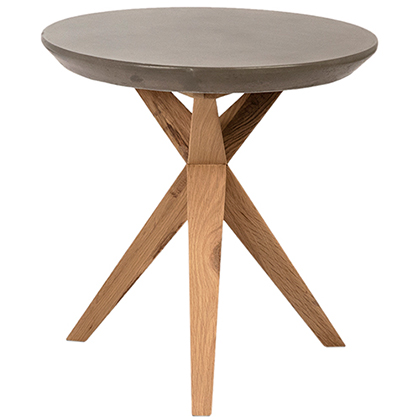
Credit: vanderbergfurniture.com
Preparing The Wood Surface
Preparing the wood surface is the first step to make your furniture ready for outdoor use. This process helps protect the wood from weather damage. It also makes sure the finish sticks well and lasts longer. Careful preparation improves the wood’s appearance and strength.
Cleaning And Sanding
Start by cleaning the wood with a soft brush and mild soap. Remove dirt, dust, and grime from all surfaces. Rinse with water and let it dry completely. Sand the wood using medium-grit sandpaper. This smooths rough areas and opens the wood pores. Sand along the grain to avoid scratches. After sanding, wipe off dust with a clean cloth.
Repairing Imperfections
Check the wood for cracks, holes, or splits. Fill small holes and cracks with wood filler. Press the filler firmly and smooth it flat. Let the filler dry fully before sanding again. Replace or reinforce any loose joints or broken parts. Repairing keeps the furniture strong and safe outside.
Removing Old Finishes
Strip away old paint, varnish, or sealant using a chemical stripper or sanding. Apply the stripper with a brush and wait as directed. Scrape off softened finish carefully. Use fine sandpaper to remove residue and smooth the surface. Removing old finishes ensures new coatings bond properly to the wood.
Applying Protective Finishes
Applying protective finishes is key to keeping wood furniture safe outdoors. These finishes shield the wood from sun, rain, and moisture. They also prevent cracking, warping, and rotting. Choosing the right finish and applying it properly extends the life of your furniture. It keeps the wood looking fresh and natural for years.
Types Of Outdoor Sealants
Outdoor sealants come in different types. Clear sealants protect without changing the wood’s look. They let the wood’s natural color shine through. Tinted sealants add a slight color while protecting. Oil-based sealants soak deep into the wood. They offer strong protection against water and sun damage. Water-based sealants dry fast and clean up easily. They are less smelly and eco-friendly. Choose a sealant that fits your wood type and climate.
Proper Application Techniques
Start by cleaning the wood surface well. Remove dirt, dust, and old finishes. Use sandpaper to smooth rough areas. Stir the sealant gently before use. Apply the sealant with a brush, roller, or cloth. Work in the wood grain’s direction. Use thin and even coats to avoid drips. Let each coat dry fully before adding another. Usually, two to three coats give good protection. Avoid applying sealant on very hot or cold days.
Reapplying And Maintenance
Sealants wear down over time. Check your furniture every year for signs of damage. Look for dull spots, cracks, or water stains. Lightly sand the surface before reapplying the sealant. Clean the furniture before each reapplication. Apply fresh coats as needed to keep protection strong. Regular maintenance helps prevent costly repairs. Keep your wood furniture safe and beautiful with simple care.
Enhancing Weather Resistance
Making wood furniture safe for outdoor use means protecting it from sun, rain, and moisture. Wood can crack, warp, or rot if exposed to weather without protection. Enhancing weather resistance keeps the wood strong and looking good for years. This section covers key ways to shield your furniture from nature’s harsh effects.
Waterproofing Methods
Waterproofing stops water from soaking into wood. Use sealants like polyurethane or varnish to create a strong barrier. Apply these coatings evenly on all surfaces, including edges and corners. Reapply every year or after heavy rain to maintain protection. Another option is wood oil, such as teak or linseed oil, which seeps into the wood and repels water. Regular waterproofing prevents swelling and cracking caused by moisture.
Uv Protection Strategies
Sunlight breaks down wood fibers and fades color. UV protection helps wood resist sun damage. Use finishes with UV blockers or additives. These products reduce fading and surface chalking. Stains with built-in UV protection offer both color and defense. Painting furniture with exterior paint also shields wood from ultraviolet rays. Keep furniture in shaded areas if possible to reduce sun exposure.
Preventing Mold And Mildew
Mold and mildew grow in damp, dark places on wood. Clean furniture regularly with mild soap and water to remove dirt and spores. Use a fungicide spray designed for wood to kill mold and prevent regrowth. Ensure good air circulation around furniture to keep it dry. Store cushions and fabrics separately to avoid moisture buildup. Preventing mold keeps furniture healthy and extends its life outdoors.
Structural Considerations
Making wood furniture safe for outdoors requires strong structural planning. Wood faces many challenges outside. Moisture, sun, and insects can weaken it fast. Proper design helps wood last longer. Focus on key areas that protect the wood’s strength and durability. These steps keep furniture sturdy and safe for years.
Using Rust-resistant Hardware
Hardware holds wood parts together. Using rust-resistant screws and bolts prevents damage. Stainless steel or galvanized metal resists rust and corrosion. Rusty hardware can weaken joints and cause breaks. Choose materials designed for outdoor use. This keeps furniture firm and safe in all weather.
Designing For Drainage
Water can pool on flat surfaces and cause wood rot. Design furniture with slight slopes or gaps to let water drain away. Avoid flat tops or bottoms without openings. Drainage reduces moisture buildup. This simple step stops wood from absorbing too much water. It keeps the furniture dry and strong.
Elevating Furniture Off Ground
Wood touching the ground absorbs moisture quickly. Elevate furniture using legs or blocks. Raising it prevents direct contact with wet soil or grass. This cuts down on water damage and insect attacks. Elevation also improves air circulation under the furniture. This helps wood dry faster after rain or cleaning.
Seasonal Care Tips
Taking care of wood furniture outdoors needs regular attention. Seasonal care helps protect your furniture from weather damage. It keeps the wood strong and looking good for years. Follow these simple tips to maintain your outdoor wood furniture every season.
Cleaning Routines
Clean wood furniture regularly to remove dirt and dust. Use a soft brush or cloth with mild soap and water. Avoid harsh chemicals that can damage the wood finish. Rinse well and let the furniture dry completely in the sun.
Cleaning stops mold and mildew from growing. It also prevents stains from setting deep into the wood. Try to clean your furniture at least once every season.
Covering And Storage
Use waterproof covers to protect wood furniture during bad weather. Covers block rain, snow, and harsh sun rays. Make sure covers fit well and allow some air flow. This helps avoid moisture buildup under the cover.
Store furniture indoors during winter or long periods of rain. A dry, cool place is best for storage. If indoor space is limited, stack furniture carefully under a covered area.
Inspecting For Damage
Check wood furniture often for cracks, chips, or loose parts. Early repairs stop damage from getting worse. Tighten screws and nails as needed to keep furniture stable.
Look for signs of insect damage or rot. Treat affected areas quickly with suitable products. Regular inspections keep your furniture safe and durable.
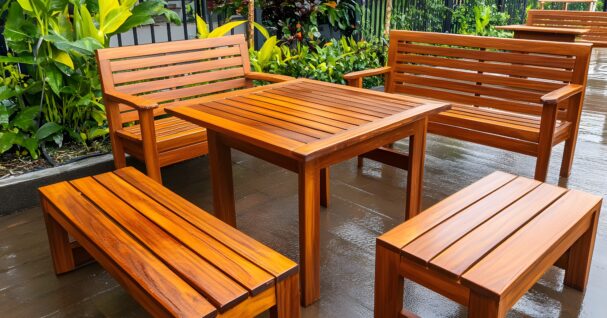
Credit: forestplywood.com
Frequently Asked Questions
How Do I Protect Wood Furniture From Outdoor Weather?
Use a high-quality outdoor wood sealer or varnish. Apply multiple coats for better protection against moisture and UV rays. Regularly check and reapply every year to maintain durability and prevent wood damage.
What Wood Types Are Best For Outdoor Furniture?
Teak, cedar, redwood, and cypress are ideal for outdoor use. These woods naturally resist decay, insects, and moisture. Choosing durable wood ensures longer-lasting outdoor furniture with minimal maintenance.
How Often Should I Seal Outdoor Wood Furniture?
Seal outdoor wood furniture every 1 to 2 years. Frequent sealing helps maintain water resistance and UV protection. Inspect your furniture regularly and reseal if you notice fading or water absorption.
Can I Use Indoor Wood Furniture Outdoors Safely?
Indoor wood furniture is not designed for outdoor exposure. Without proper treatment, it can warp, crack, or rot quickly. Always apply suitable outdoor sealants or finishes before placing indoor furniture outside.
Conclusion
Protecting wood furniture for outdoor use keeps it strong and beautiful. Use sealants and paints to block water and sun damage. Regular cleaning stops dirt from building up and causing harm. Cover furniture during bad weather to extend its life.
Small repairs done quickly prevent bigger problems later. These simple steps help your wood last through seasons. Enjoy your outdoor space without worry or hassle. Safe wood furniture means more time relaxing outside.