Is your sling back outdoor furniture looking worn out or faded? You don’t have to buy a whole new set to give your patio a fresh, inviting look.
Replacing the fabric yourself is easier than you think—and it can save you a lot of money. Imagine relaxing on your favorite chair with fabric that feels brand new, bright, and comfortable. In this guide, you’ll discover simple, step-by-step tips to replace your sling back fabric quickly and confidently.
Keep reading, and you’ll transform your outdoor space without hassle or stress.

Credit: www.youtube.com
Tools And Materials Needed
Replacing sling back outdoor furniture fabric needs the right tools and materials. Choosing the proper fabric and having all tools ready makes the job easier. This section covers the key items needed for a smooth replacement process.
Selecting Replacement Fabric
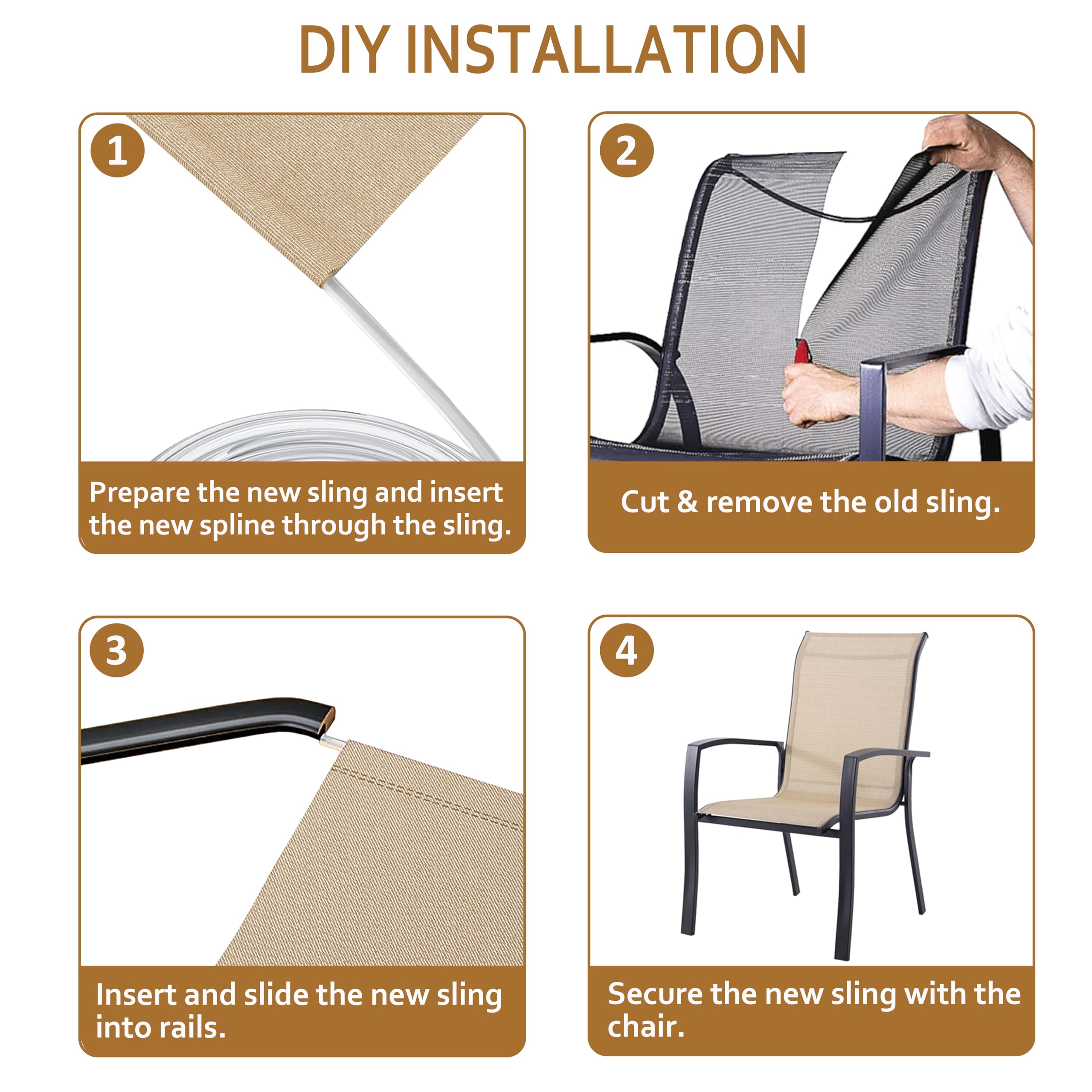
Pick fabric made for outdoor use. It should resist water, sun, and mildew. Look for materials like polyester, acrylic, or vinyl-coated fabrics. Choose a color and pattern that suits your furniture and outdoor space. Measure the seat or back panel carefully to buy enough fabric. A little extra fabric helps with stretching and stapling.
Gathering Essential Tools
Prepare these tools before starting. A staple gun is vital to attach new fabric tightly. Use stainless steel staples to prevent rust. Scissors or a utility knife helps cut fabric to size. Needle-nose pliers remove old staples and fabric. A screwdriver or wrench may be needed to remove the sling frame. Gloves protect your hands during the work. Keep measuring tape handy to check fabric size again.
Preparing The Furniture Frame
Preparing the furniture frame is the first step in replacing sling back outdoor furniture fabric. This stage ensures the frame is ready to hold the new fabric securely. Proper preparation helps extend the life of your furniture. It also improves the look and comfort of your outdoor seating.
Removing Old Fabric
Start by carefully taking off the old sling fabric. Use scissors or a utility knife to cut any tight spots. Pull the fabric away from the frame slowly. Remove all staples, screws, or clips holding the fabric. Keep the frame intact and avoid damaging it. Removing the old fabric completely is important for a smooth replacement.
Cleaning And Inspecting Frame
After removing the fabric, clean the frame thoroughly. Use a brush or cloth to remove dirt and debris. Soap and water work well for most materials. Let the frame dry completely before moving to the next step. Check the frame for rust, cracks, or loose joints. Tighten screws and fix any damage found. A clean and strong frame supports the new fabric better.
Measuring And Cutting New Fabric
Measuring and cutting new fabric is a crucial step when replacing sling back outdoor furniture fabric. Accurate measurements ensure the fabric fits well and looks neat. Cutting the fabric properly prevents waste and saves time. Take your time to measure and cut carefully for the best results.
Taking Accurate Measurements
Start by removing the old fabric from the frame. Lay it flat on a clean surface. Use a tape measure to find the length and width of the fabric. Measure from edge to edge, including any extra space needed for attaching. Write down the measurements clearly. Double-check each measurement to avoid mistakes.
Cutting Fabric To Size
Place the new fabric on a flat surface. Smooth out wrinkles before cutting. Use a ruler and fabric chalk to mark the measurements on the fabric. Cut along the lines with sharp fabric scissors. Cut slowly and carefully to keep edges straight. Add a small margin for seams or attachments. This step ensures the fabric fits perfectly on your furniture.
Attaching The New Fabric
Attaching the new fabric to your sling back outdoor furniture is a key step. It ensures your chair looks fresh and feels comfortable. Taking time to do this properly will make the fabric last longer and stay secure.
Aligning Fabric On Frame
Start by placing the new fabric on the frame. Make sure it fits well and covers all sides evenly. Smooth out any wrinkles or folds. Check that the fabric is straight and centered on the frame. Proper alignment helps avoid tension and wear later.
Securing Fabric Properly
Use strong tools like staples, screws, or clips to attach the fabric. Pull the fabric tight but not too tight to prevent tearing. Secure one side first, then move to the opposite side. Work your way around the frame evenly. Check that the fabric stays smooth and firm as you go. Proper securing keeps the fabric in place and comfortable to sit on.
Finishing Touches
After installing the new sling back fabric on your outdoor furniture, the finishing touches make all the difference. These final steps ensure the fabric looks neat and stays secure. Proper finishing improves both comfort and durability. Take your time to complete these tasks carefully for the best results.
Trimming Excess Material
Start by trimming any extra fabric along the edges. Use sharp scissors for a clean cut. Leave a small margin to avoid cutting too close to the frame. This step prevents loose fabric from hanging or fraying. Dispose of trimmed pieces to keep your workspace tidy.
Testing Sling Back Tension
Next, check the tension of the sling back fabric. Press gently on the seat and back to feel the stretch. The fabric should be firm but comfortable. Too loose means it may sag quickly. Too tight may cause stress on the fabric and frame. Adjust tension by tightening or loosening the fabric as needed. A well-tensioned sling back offers good support and lasts longer.
Credit: sageuae.com
Maintenance Tips For Longevity
Maintaining sling back outdoor furniture fabric is key to making it last longer. Proper care keeps the fabric strong and looking fresh. Follow these simple tips for the best results.
Cleaning And Care Advice
Clean the fabric regularly to avoid dirt buildup. Use a soft brush or cloth with mild soap and water. Rinse thoroughly to remove soap residue. Avoid harsh chemicals that can damage fabric fibers. Let the fabric dry completely in the sun before use. Spot clean stains quickly to prevent them from setting. Check for loose threads or tears and repair them early.
Storage Recommendations
Store the furniture in a dry, covered area during bad weather. Use protective covers to shield the fabric from rain and sun. Avoid folding the fabric tightly to prevent creases. If possible, remove the fabric and store it flat. Keep the storage area ventilated to stop mold and mildew growth. Proper storage helps keep the fabric in good shape for many seasons.

Credit: vinhnhatrang.net
Frequently Asked Questions
How Do I Remove Old Sling Back Fabric Safely?
First, detach the fabric by removing screws or staples. Use pliers to pull out any stubborn fasteners. Be gentle to avoid damaging the frame. Clean the frame thoroughly before attaching new fabric. This ensures a smooth, secure fit for the replacement.
What Materials Are Best For Sling Back Outdoor Fabric?
Choose weather-resistant fabrics like solution-dyed acrylic or polyester. These materials resist fading, mold, and mildew. They offer durability and comfort for outdoor use. Always select fabric designed specifically for outdoor furniture to ensure longevity and performance.
How Do I Measure Fabric For Sling Back Chairs?
Measure the frame’s width and length where fabric attaches. Add extra inches for wrapping around edges and securing. Accurate measurements prevent fabric shortage or excess. Use a tape measure for precise results to ensure a perfect fit.
Can I Replace Sling Fabric Without Tools?
Basic tools like a screwdriver and pliers are usually needed. Some sling chairs use clips, allowing tool-free removal. However, most replacements require tools to remove staples or screws securely. Having proper tools ensures a neat and durable fabric replacement.
Conclusion
Replacing sling back outdoor furniture fabric keeps your chairs fresh and strong. It saves money compared to buying new furniture. You only need basic tools and some patience. Take your time to measure and cut fabric carefully. This simple project lets you enjoy your outdoor space longer.
Regular care helps fabric last through seasons. Try it yourself and see how easy it can be. Your furniture will look neat and inviting again. Small repairs make a big difference in comfort and style.