Are you ready to transform your built-in bookshelf into a stunning focal point in your room? Painting your bookshelf can completely change its look and give your space a fresh, personalized feel.
But if you’re unsure where to start or worried about making mistakes, you’re not alone. This guide will walk you through every step, making the process easy and even enjoyable. By the end, you’ll have the confidence and know-how to paint your built-in bookshelf like a pro.
Keep reading to discover simple tips and tricks that will bring your vision to life.
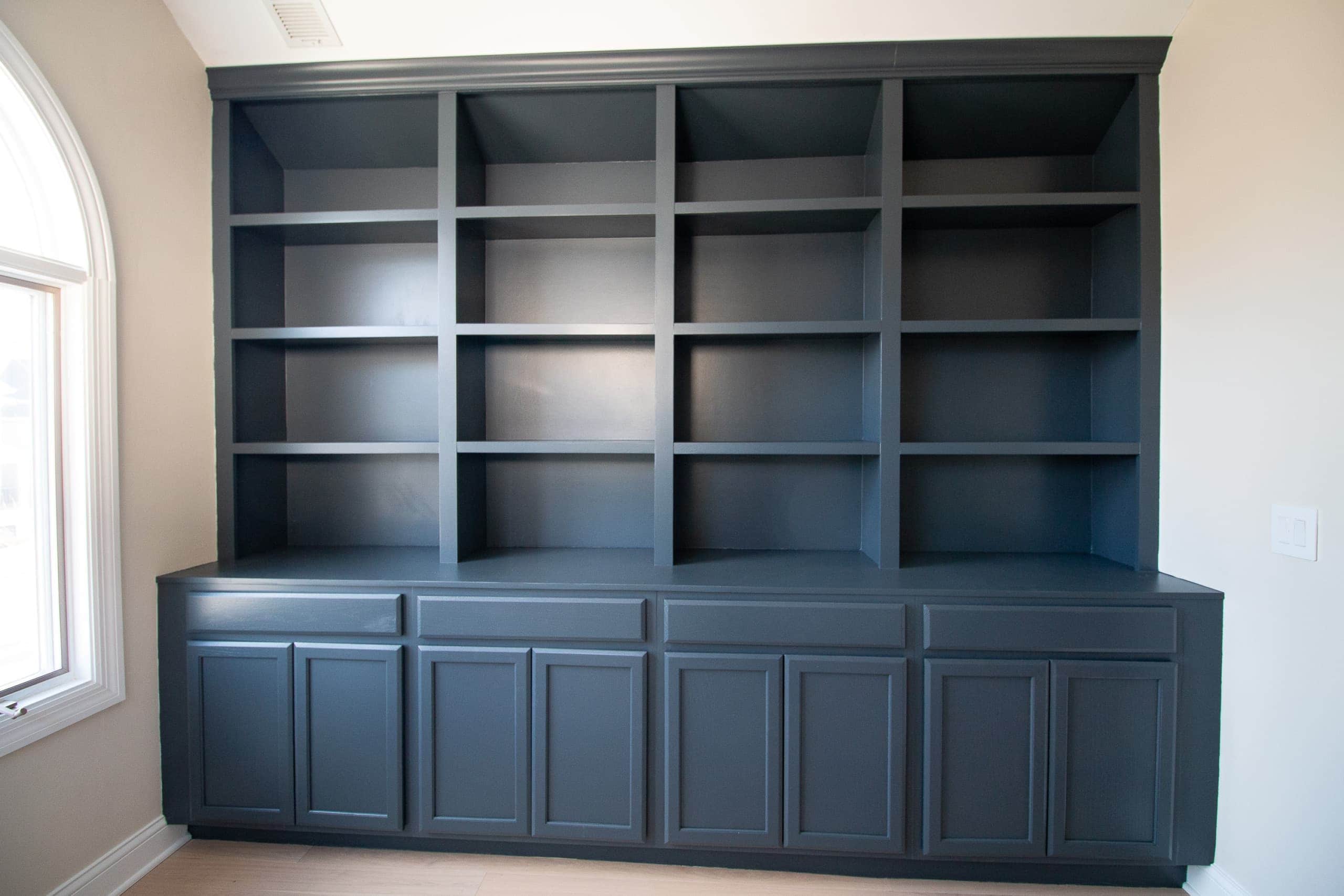
Credit: thediyplaybook.com
Choosing The Right Paint
Choosing the right paint for your built-in bookshelf is key to a great finish. The paint affects the look, feel, and durability. You want a paint that protects the wood and looks beautiful for years. This section helps you pick the best paint type, color, and finish for your project.
Types Of Paint For Bookshelves
Latex paint is popular for shelves. It dries fast and cleans easily with water. It resists cracking and yellowing over time. Oil-based paint is strong and smooth. It takes longer to dry and needs special cleaners. Chalk paint gives a matte, vintage look. It works well if you want a shabby chic style. Choose paint made for furniture or trim. They hold up better on shelves and resist scratches.
Selecting The Perfect Color
White and off-white are classic choices. They make the space look clean and bright. Dark colors add drama and make books pop. Soft pastels create a calm, cozy feel. Think about the room’s style and colors. Try paint samples on a small shelf area. Watch how the color changes in different light.
Finishes That Work Best
Satin finish is smooth with a soft shine. It hides fingerprints and cleans easily. Semi-gloss offers more shine and extra durability. It resists moisture and scratches well. Matte finish has no shine but can be harder to clean. Avoid flat finishes on bookshelves. They show marks and wear quickly. Satin or semi-gloss usually works best for built-ins.
Preparing The Bookshelf
Preparing the bookshelf well helps the paint last longer and look smooth. This step is key before applying any paint. It makes sure the surface is clean, smooth, and free of damage. Proper preparation also helps the paint stick better to the wood.
Cleaning And Dusting
Start by removing all dust and dirt from the bookshelf. Use a soft cloth or a vacuum with a brush attachment. Wipe the shelves and corners carefully. Clean surfaces help paint stick evenly without bumps. Use a mild soap and water mix if there is grease. Let it dry completely before moving to the next step.
Sanding Techniques
Sanding smooths the wood and removes old paint or finish. Use medium-grit sandpaper to start, then fine-grit for a smooth feel. Sand in the direction of the wood grain to avoid scratches. Focus on rough spots and edges. Wipe off sanding dust with a damp cloth. Sanding creates a surface the paint can grip well.
Repairing Imperfections
Check the bookshelf for cracks, holes, or dents. Fill small holes with wood filler using a putty knife. Let the filler dry fully, then sand it smooth. For loose joints, apply wood glue and clamp until set. Fixing imperfections makes the surface even and strong. This step helps the paint layer look clean and flawless.
Gathering Essential Tools
Gathering the right tools is the first step to paint a built-in bookshelf well. Having the right supplies makes the job easier and helps you get better results. This section explains the essential tools you need before starting your painting project.
Brushes And Rollers
Choose brushes with soft bristles for smooth surfaces. Use angled brushes to reach corners and edges. Rollers work best on large flat areas for even coverage. Small foam rollers help avoid brush marks and create a clean finish.
Painter’s Tape And Drop Cloths
Painter’s tape protects areas you don’t want painted. Apply tape carefully along edges for sharp lines. Drop cloths keep your floor and furniture clean from paint spills. Use plastic or canvas drop cloths depending on your workspace.
Primers And Sealers
Primers prepare the surface for paint and improve adhesion. Choose primer based on your bookshelf material, like wood or laminate. Sealers protect the paint and make it last longer. Always apply primer and sealer before the topcoat for best results.

Credit: www.houzz.com
Priming The Surface
Priming the surface is an important step before painting a built-in bookshelf. It helps the paint stick better and makes the finish last longer. Priming also stops stains and wood knots from showing through the paint. Take your time to do this step well for the best results.
Choosing The Right Primer
Select a primer that fits your bookshelf material. For wood, use an oil-based or latex primer. Oil-based primers seal knots and stains well. Latex primers dry faster and are easier to clean. For glossy surfaces, pick a bonding primer to help paint stick. Always check the primer label for its best uses.
Applying Primer Smoothly
Use a good quality brush or roller for smooth application. Stir the primer before use to mix it evenly. Apply thin, even coats to avoid drips and lumps. Cover all edges and corners carefully. Work in one direction for a neat finish. Avoid over-brushing which can cause streaks.
Drying And Sanding Primer
Let the primer dry fully before sanding. Drying time depends on the primer type and room temperature. Use fine-grit sandpaper to smooth the surface lightly. Sanding removes bumps and helps paint stick better. Wipe away dust with a damp cloth after sanding. This prepares the shelf for a smooth paint coat.
Painting Process
Painting a built-in bookshelf needs care and patience. The process shapes how the final piece looks and lasts. Proper steps help get smooth, clean results. Prepare your tools and space before starting. Use good lighting to see all details clearly.
Brush Vs Roller Techniques
Brushes work well for edges and corners. They help reach tight spaces and fine details. Use a high-quality angled brush for best control. Rollers cover large flat surfaces quickly. Choose a small foam roller for smooth paint finish. Combine both tools for a neat, even coat.
Applying Multiple Coats
One coat rarely covers well. Thin layers dry faster and stick better. Let each coat dry fully before adding the next. Lightly sand between coats for smoothness. Usually, two or three coats give the best color and protection.
Avoiding Drips And Streaks
Load paint evenly on your brush or roller. Avoid overloading to prevent drips. Paint in long, steady strokes for uniform coverage. Keep a wet edge to stop streak marks. Check your work often and fix drips quickly with a brush.
Finishing Touches
Finishing touches make your built-in bookshelf look smooth and polished. These steps give your paint job a clean, professional finish. Take your time. Small details matter.
Sanding Between Coats
Light sanding removes bumps and dust from the paint surface. Use fine-grit sandpaper for this step. Sand gently to avoid scratching the wood. Wipe off the dust with a clean cloth. This helps the next coat stick better and look smooth.
Applying A Protective Topcoat
A clear topcoat protects the paint from scratches and stains. Choose a water-based polyurethane for indoor shelves. Apply thin, even layers with a good brush. Let the topcoat dry fully before using the bookshelf. This adds durability and keeps the paint fresh longer.
Cleaning Up
Clean brushes and tools right after painting. Use warm soapy water for water-based paints. Store leftover paint properly for touch-ups later. Remove painter’s tape carefully to avoid peeling paint. Clean your workspace to finish the project neatly.
Maintaining Your Bookshelf
Keeping your built-in bookshelf looking fresh takes some care. Regular upkeep helps the paint stay bright and prevents damage. A few simple steps can keep your bookshelf in great shape for years.
Regular Cleaning Tips
Dust your bookshelf often. Use a soft cloth or duster. Avoid wet cloths that can harm the paint. For sticky spots, use a damp cloth with mild soap. Dry the surface right after cleaning. Clean shelves gently to avoid scratches.
Touching Up Scratches
Small scratches happen over time. Use matching paint to cover them. Apply paint with a small brush. Let it dry fully before adding more layers. This keeps your bookshelf looking new and neat.
When To Repaint
Repaint when the paint peels or fades. Also, if the color no longer fits your room. Sand the surface lightly before painting. Use good quality paint for a smooth finish. Repainting refreshes your bookshelf’s look and protects the wood.

Credit: daviscoliving.com
Frequently Asked Questions
How Do I Prepare A Built-in Bookshelf For Painting?
Start by removing all items and dusting the shelves. Sand the surface lightly to create a smooth base. Fill any holes or cracks with wood filler. Wipe the surface clean with a damp cloth before priming to ensure paint adheres well.
What Type Of Paint Is Best For Built-in Bookshelves?
Use a high-quality, durable paint like semi-gloss or satin finish. These finishes resist stains and are easy to clean. Opt for water-based acrylic paint for faster drying and less odor. Choose a paint suitable for wood surfaces to ensure lasting results.
Should I Use Primer Before Painting Bookshelves?
Yes, applying primer is essential for a smooth, long-lasting finish. Primer seals the wood, covers imperfections, and improves paint adhesion. It also prevents stains or knots from bleeding through the paint. Use a high-quality, stain-blocking primer for best results.
How Many Coats Of Paint Do Built-in Bookshelves Need?
Typically, two coats of paint provide full coverage and durability. Apply the first coat evenly and let it dry completely. Lightly sand between coats for a smooth finish. The second coat enhances color depth and protects the surface from wear.
Conclusion
Painting a built-in bookshelf can change a room’s look. Choose the right paint and tools first. Take time to sand and clean the surface well. Apply paint evenly and let it dry fully. Small steps make a big difference in results.
Enjoy your refreshed bookshelf and the neat space it creates. Keep your tools clean for future projects. Simple care will keep your paint job fresh. Painting can be easy with patience and the right approach.