
Is your outdoor plastic wicker furniture looking worn or faded? You don’t have to replace it to give your space a fresh new look.
Painting your furniture can be a simple and affordable way to bring it back to life. But how do you paint plastic wicker without ruining it? In this guide, you’ll learn easy steps and smart tips to make your furniture look brand new.
Keep reading, and you’ll discover how to transform your outdoor space with just a few supplies and some simple effort.
Preparing The Furniture
Preparing your outdoor plastic wicker furniture is the first step to a lasting paint job. Proper preparation helps the paint stick better and last longer. It also gives your furniture a fresh, clean look. Follow these simple steps before painting to get the best results.
Cleaning And Removing Dirt
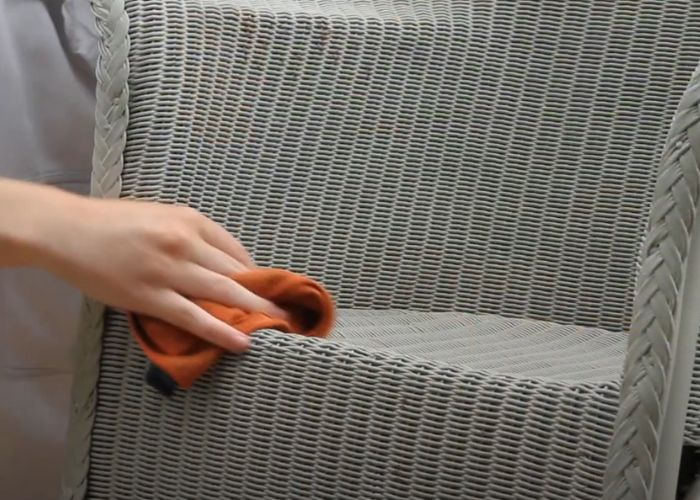
Start by cleaning the furniture thoroughly. Use a soft brush or cloth to remove loose dirt and dust. Mix mild soap with warm water. Scrub the furniture gently to remove grease and stains. Rinse with clean water and let it dry completely. This step ensures the paint will stick well to the surface.
Sanding For Better Adhesion
Lightly sand the surface using fine-grit sandpaper. Focus on rough or shiny areas to create a slightly rough texture. This helps the paint grip the plastic wicker better. Wipe away dust with a damp cloth after sanding. Avoid heavy sanding, as it can damage the furniture.
Repairing Damages
Check your furniture for cracks or broken pieces. Use outdoor plastic repair glue or filler to fix small damages. Let the repair dry as per the product instructions. Smooth the repaired spots with sandpaper once dry. Repairing damages before painting ensures a smooth, even finish.
Credit: thanhcongcraft.com
Choosing The Right Paint
Choosing the right paint is key to a successful outdoor plastic wicker furniture makeover. The paint must stick well and resist weather changes. It should also keep the furniture looking fresh and bright for a long time. Picking the correct paint type, color, and primer helps achieve a smooth, lasting finish.
Types Of Paint Suitable For Plastic
Not all paints work on plastic surfaces. Look for paints made specifically for plastic or outdoor use. Spray paints designed for plastic offer smooth, even coats. Acrylic latex paint also works well on plastic and is weather-resistant. Oil-based paints provide strong adhesion but take longer to dry. Choose paint that resists cracking and peeling outdoors.
Selecting The Best Color
Color affects the furniture’s look and feel. Bright colors add vibrancy and stand out in a garden. Neutral tones blend well with natural surroundings. Dark colors hide dirt but can fade faster in the sun. Pick a color that matches your outdoor decor and resists fading. Test a small area to see how the color looks in sunlight.
Primer Options
Primer helps paint stick better to plastic surfaces. It also prevents peeling and flaking over time. Use a plastic bonding primer or an all-surface primer for best results. Primers fill tiny cracks and smooth rough spots. Applying primer ensures the paint lasts longer and looks smooth. Always let the primer dry completely before painting.
Setting Up Your Workspace
Setting up your workspace is an important first step before painting outdoor plastic wicker furniture. A good workspace helps you work safely and finish the job with ease. It also keeps your furniture and surroundings clean and protected.
Choosing A Well-ventilated Area
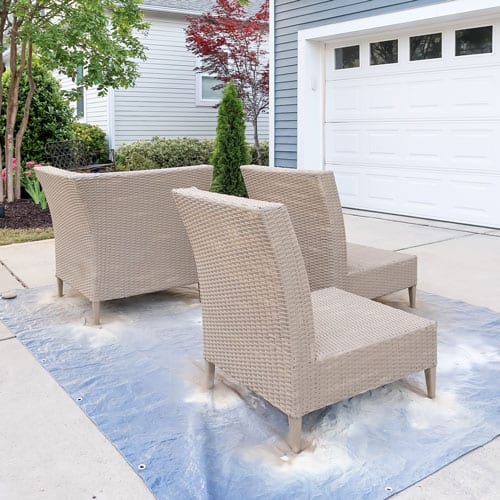
Pick a place with plenty of fresh air. Outdoors is best, like a backyard or patio. If you work inside, open windows and doors wide. Good ventilation helps paint dry faster. It also keeps harmful fumes away from your nose and lungs.
Protecting Surrounding Surfaces
Cover the ground and nearby items before you start. Use drop cloths or old sheets to catch paint drips. Tape plastic or paper to walls or floors near the furniture. This stops stains and makes cleanup easier. Protect plants and other outdoor items too.
Gathering Necessary Tools
Collect all tools before you paint. You will need sandpaper, cleaning supplies, primer, paint, and brushes or spray paint. Also, wear gloves and a mask for safety. Having everything ready saves time and keeps you focused on the job.
Credit: porchdaydreamer.com
Painting Techniques
Painting outdoor plastic wicker furniture needs some special care. The right techniques make the paint last longer and look better. This section explains the best ways to paint your furniture. It covers tools, primer use, and how to layer paint well.
Follow these steps to get a smooth and strong finish that stands up to weather.
Using Spray Paint Vs. Brushes
Spray paint covers wicker furniture evenly and quickly. It reaches small gaps and curves easily. Choose spray paint made for plastic surfaces. It dries fast and creates a smooth coat.
Brushes give more control for small areas or touch-ups. Use soft, synthetic brushes for plastic furniture. Brush painting takes more time and effort. But it helps avoid drips and thick spots.
Both methods work well. Pick one based on your comfort and furniture shape.
Applying Primer Correctly
Primer helps paint stick to plastic wicker. Choose a primer made for plastic materials. Clean the furniture well before applying primer. Remove dirt, dust, and oils for good adhesion.
Spray the primer in thin, even layers. Avoid heavy coats that drip or run. Let the primer dry completely before painting. Drying time varies by product, usually 30 minutes to one hour.
Proper primer use improves paint durability and finish quality.
Layering And Drying Times
Apply paint in thin layers to avoid clumps. Thin layers dry faster and last longer. Wait about 15 to 30 minutes between coats. Check the paint instructions for exact drying times.
Two to three coats usually give good coverage. Lightly sand between coats for a smooth surface. Use fine-grit sandpaper and wipe dust off before next coat.
Patience with drying creates a strong, even finish on wicker furniture.
Finishing Touches
Finishing touches give your painted outdoor plastic wicker furniture a lasting, professional look. These final steps protect your work and help the furniture stay beautiful over time. Take care during this stage to ensure your paint job lasts through weather and wear.
Adding A Protective Sealant
Apply a clear sealant to protect the paint from sun and rain. Choose a sealant made for outdoor use and plastic surfaces. Use a brush or spray to cover all painted areas evenly. Allow the sealant to dry fully before moving on. This layer shields your furniture and keeps colors bright.
Curing Time Before Use
Let the paint and sealant cure well before using the furniture. This means waiting at least 24 to 48 hours. Avoid placing cushions or heavy objects on the furniture during this time. Proper curing prevents scratches and peeling. Patience here helps the paint bond firmly to the plastic.
Maintaining Painted Furniture
Clean your furniture gently with mild soap and water. Avoid harsh chemicals or abrasive tools that can damage paint. Check the paint and sealant yearly for chips or cracks. Touch up any damaged spots quickly to protect the plastic underneath. Store furniture under cover or indoors during harsh weather to extend its life.
Credit: stowandtellu.com
Common Mistakes To Avoid
Painting outdoor plastic wicker furniture can refresh its look. Avoiding common mistakes helps your paint last longer. These errors often cause peeling, fading, or uneven color. Learn which pitfalls to skip for a smooth finish.
Skipping Surface Preparation
Clean the furniture before painting. Dirt and dust stop paint from sticking well. Use soap, water, and a soft brush. Let the furniture dry completely. Sand rough spots lightly to create a smooth surface. Skipping these steps can cause paint to peel fast.
Using Wrong Paint Types
Choose paint made for plastic or outdoor use. Regular paint can crack or chip easily. Spray paint works well for wicker’s curves and crevices. Check the label for UV resistance to prevent fading. Using wrong paint wastes time and money.
Ignoring Weather Conditions
Paint in dry, mild weather only. Rain or high humidity affects drying and adhesion. Avoid painting under direct sunlight or strong wind. These can cause paint to dry unevenly or blow dust onto the surface. Plan your painting on calm, clear days.
Frequently Asked Questions
How Do I Prepare Plastic Wicker Furniture For Painting?
Clean the furniture thoroughly using soap and water. Remove dirt, dust, and grime. Let it dry completely before painting. Lightly sand the surface to help paint adhere better. Wipe off sanding dust with a clean cloth. Proper preparation ensures long-lasting paint results.
What Type Of Paint Is Best For Plastic Wicker?
Use acrylic spray paint or outdoor plastic paint. These paints are durable and weather-resistant. They adhere well to plastic surfaces. Avoid oil-based paints as they may peel. Choose paint designed for outdoor use to protect against UV damage and moisture.
How Many Coats Of Paint Should I Apply?
Apply two to three thin coats for even coverage. Let each coat dry completely before applying the next. Thin coats prevent drips and ensure smooth finish. Multiple coats enhance durability and color vibrancy on plastic wicker furniture.
Can I Paint Plastic Wicker Furniture Without Sanding?
Sanding is recommended but not mandatory. It improves paint adhesion and prevents peeling. If you skip sanding, use a plastic primer before painting. Primer creates a better bond between paint and plastic surface. For best results, lightly sand before painting.
Conclusion
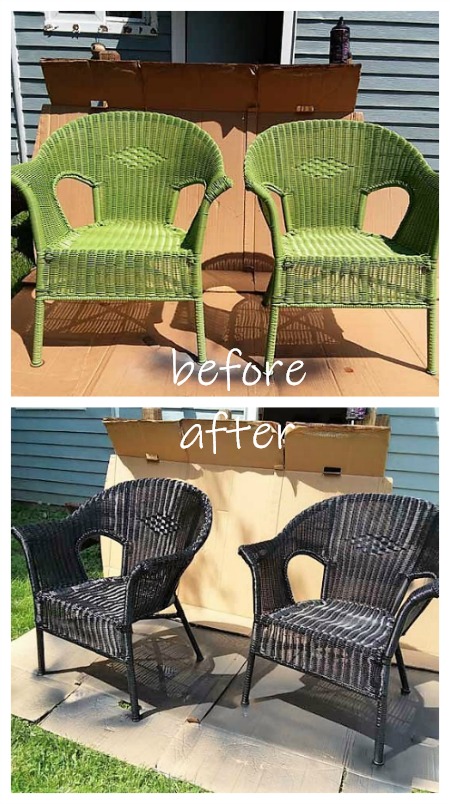
Painting outdoor plastic wicker furniture can refresh its look easily. Clean the surface well and choose the right paint type. Apply thin, even coats for best results. Let each layer dry fully before adding another. This process helps your furniture last longer and look great.
Enjoy your renewed outdoor space with a fresh, colorful touch. Simple steps bring new life to old pieces. Try it yourself and see the difference!


