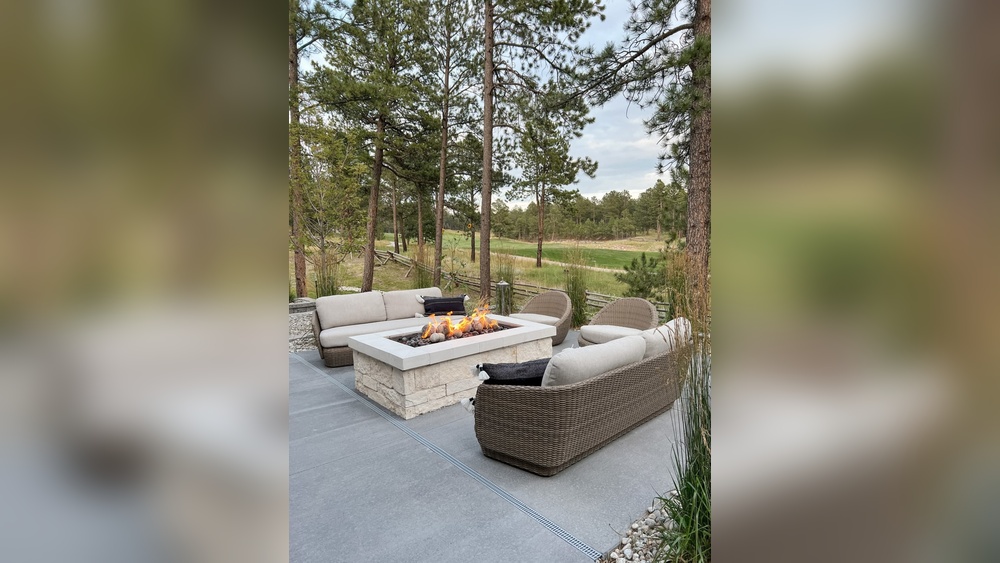
If you own outdoor metal furniture, you know how quickly rust can take over and ruin its look and strength. You want your chairs, tables, and benches to stay strong and beautiful for years.
But how do you protect them from the harsh weather and moisture that cause rust? In this guide, you’ll discover simple, effective ways to rust proof your outdoor metal furniture. By following these tips, you’ll save money, keep your furniture looking great, and enjoy your outdoor space without worry.
Keep reading to learn how easy it is to protect your investment.
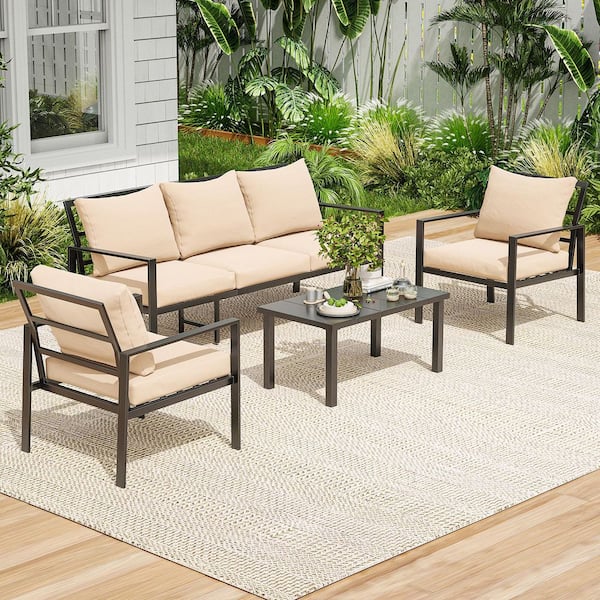
Credit: www.homedepot.com
Causes Of Rust On Outdoor Metal Furniture
Rust forms on outdoor metal furniture because of certain natural and environmental factors. Understanding these causes helps protect your furniture better. Rust weakens metal and makes furniture look old and damaged.
Exposure To Moisture And Humidity
Water is the main cause of rust. Rain, dew, and humidity create moisture on metal surfaces. Moisture reacts with iron in the metal, causing rust to develop. Even small amounts of water over time can cause damage. Metal left outside without protection is very vulnerable.
Effect Of Salt And Pollutants
Salt, especially near the sea, speeds up rusting. Salt makes metal lose its protective layer quickly. Air pollution also harms metal surfaces. Dust and chemicals in the air stick to furniture and cause rust faster. Salt and pollutants are harsh enemies of outdoor metal furniture.
Common Vulnerable Areas
Rust often starts in hidden spots. Joints, screws, and corners trap water and dirt. Scratches and chipped paint expose bare metal to air and moisture. These areas need extra care and regular checks. Protecting these spots helps keep furniture rust-free longer.
Choosing Rust-resistant Materials
Choosing rust-resistant materials is key to keeping outdoor metal furniture in good shape. Rust can damage furniture quickly. Picking the right material helps stop rust before it starts. It also saves money and time on repairs. Here are some common rust-resistant options.
Powder-coated Metals
Powder coating is a dry paint process. It covers metal with a thick, tough layer. This layer stops moisture and air from touching the metal. Powder-coated metals resist rust better than bare metal. They also come in many colors and finishes. This makes furniture look nice and last long.
Stainless Steel And Aluminum Options
Stainless steel contains chromium. This metal forms a thin, protective layer. It blocks rust from forming. Stainless steel is strong and easy to clean. Aluminum is light and naturally rust-resistant. It forms a thin oxide layer that protects it. Both metals work well for outdoor furniture.
Protective Finishes And Coatings
Protective finishes add extra layers to metal surfaces. These layers stop water and oxygen from causing rust. Common finishes include clear sealants and rust-inhibiting paints. Regularly applying these coatings keeps furniture safe. They also improve the metal’s look and lifespan.
Preparing Metal Furniture For Rust Proofing
Preparing metal furniture for rust proofing is the first step to protect it from damage. Proper preparation helps the rust proof coating stick better. It also ensures long-lasting protection. This process involves cleaning, sanding, and drying the metal surface carefully. Each step removes dirt and old rust, creating a smooth base for rust proofing products. Follow these steps to make your furniture ready and safe from rust.
Cleaning And Removing Existing Rust
Start by cleaning the furniture with soap and water. Use a brush to remove dirt and dust. Next, remove any rust spots using a wire brush or rust remover. Scrub the rusty areas well until the metal looks clean. This step stops rust from spreading under the new coating. Clean surfaces help the rust proof paint stick better.
Sanding And Surface Smoothing
After cleaning, sand the metal surface gently. Use medium-grit sandpaper to smooth rough spots. Sanding removes tiny rust flakes and old paint. It also creates a rough texture for better paint grip. Avoid sanding too hard or deep. A smooth but slightly rough surface is ideal for rust proofing.
Drying And Inspection
Dry the furniture completely before applying any rust proof product. Use a cloth to wipe off water or let it air dry. Check every corner and joint for leftover dirt or rust. Make sure the surface is clean and dry. Proper drying prevents moisture from causing new rust under the coating.
Applying Rust Proofing Products
Applying rust proofing products is a key step in protecting outdoor metal furniture. These products create a barrier that stops moisture and air from causing rust. Choosing the right rust proofing method depends on the type of metal and the environment where the furniture stays.
Each rust proofing product has a specific way to protect metal surfaces. Proper application ensures the furniture lasts longer and looks good.
Rust Inhibitor Primers
Rust inhibitor primers are the first layer of defense on bare metal. They stop rust from starting under paint. These primers contain chemicals that block moisture and oxygen. Apply the primer evenly with a brush or spray. Let it dry completely before adding any paint. This step is essential for long-lasting protection.
Protective Paints And Sealants
Protective paints form a strong shield against rust. Look for paints made for metal and outdoor use. Sealants add an extra layer of protection over paint. They keep water and dirt away from metal surfaces. Use a brush or spray to cover all parts of the furniture. Reapply paint or sealant every few years to keep furniture safe.
Oil-based And Wax Coatings
Oil-based coatings soak into metal and block rust. They are good for small areas and joints. Wax coatings create a thin, water-repellent layer. Use a cloth to apply wax evenly. Both coatings need regular reapplication, especially after rain. These coatings keep metal shiny and rust-free.
Maintenance Tips To Prevent Rust
Keeping outdoor metal furniture rust-free requires regular care. Rust can damage the look and strength of your furniture. Following simple maintenance steps helps protect your investment. These tips make your furniture last longer and stay attractive.
Regular Cleaning And Drying
Clean metal furniture often to remove dirt and moisture. Use mild soap and water with a soft cloth. Avoid harsh chemicals that can damage the metal. After washing, dry the furniture completely. Water left on the surface causes rust to form fast.
Seasonal Inspections
Check your furniture every season for signs of rust or damage. Look closely at joints, screws, and hidden spots. Early detection helps stop rust before it spreads. Sand small rust spots gently, then apply a rust-resistant paint or primer.
Covering And Storing Furniture
Cover your furniture with waterproof covers when not in use. This keeps rain and moisture away. Store furniture indoors during harsh weather or winter months. Proper storage reduces exposure to elements that cause rust.

Credit: www.amazon.com
Diy Rust Proofing Vs Professional Services
Rust proofing outdoor metal furniture helps keep it safe from damage. You can choose to do it yourself or hire a professional. Both ways have their own benefits and drawbacks. Understanding these can help you decide the best option for your furniture.
Cost And Time Considerations
DIY rust proofing usually costs less. You only pay for materials like paint and sealant. It takes time to prepare, apply, and dry the coatings. You may spend a few hours or a weekend on the job. Professionals charge more for their service. They have tools and skills to finish faster. Hiring help saves your time but costs more money.
Effectiveness And Longevity
DIY methods can work well with proper steps. You control the process and use chosen products. Still, mistakes might happen, reducing protection quality. Professionals offer better results. They use special products and techniques. Their work often lasts longer and resists harsh weather. Proper surface cleaning and treatment ensure strong rust protection.
When To Seek Expert Help
Call a professional if rust is severe or widespread. Complex furniture designs might need expert skills. You want guaranteed long-lasting protection and a neat finish. Professionals can also advise on maintenance to keep furniture rust-free. Choose help if you lack time or experience. This avoids extra costs from fixing poor DIY work.
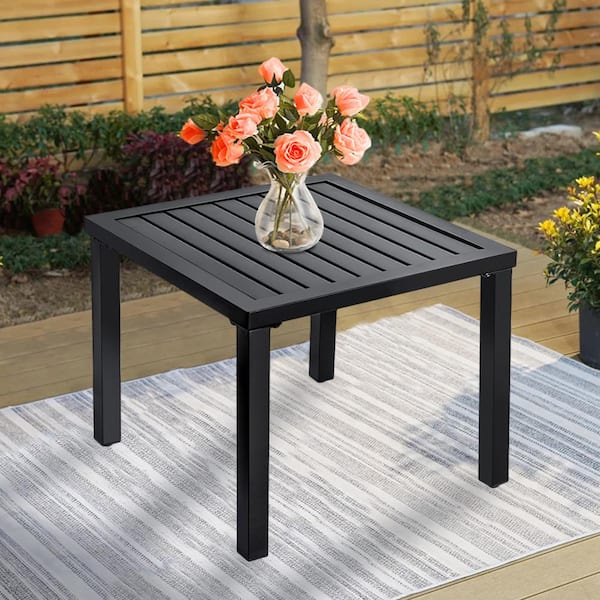
Credit: www.homedepot.com
Frequently Asked Questions
How Can I Prevent Rust On Outdoor Metal Furniture?
Apply a rust-resistant primer and paint. Regularly clean and dry the furniture. Use protective covers during harsh weather.
What Materials Are Best For Rust-proof Outdoor Furniture?
Choose aluminum, stainless steel, or powder-coated metal. These materials resist rust and require less maintenance outdoors.
How Often Should I Rust-proof My Metal Furniture?
Rust-proof your furniture annually. Inspect for scratches or chips every few months. Reapply protective coatings as needed.
Can Rust-proof Sprays Effectively Protect Metal Furniture?
Yes, rust-proof sprays create a protective barrier. They prevent moisture and oxygen from causing rust on metal surfaces.
Conclusion
Rust proofing outdoor metal furniture keeps it strong and lasting long. Clean the furniture well before applying any protective coating. Use rust-resistant paint or sealants made for metal surfaces. Regular checks help catch rust early and stop damage. Cover furniture during harsh weather for extra protection.
Taking these steps saves money and keeps furniture looking nice. Enjoy your outdoor space without worry about rust damage. Simple care makes a big difference over time.