Are you ready to transform your space with a bunk bed that looks great and feels safe? Making a bunk bed perfectly isn’t as hard as it sounds, and with the right steps, you can create a sturdy, comfortable setup your family will love.
Whether you want to save room, add style, or build a cozy sleeping spot, this guide will show you exactly how to do it right. Keep reading, and you’ll discover simple tips that make the whole process smooth and satisfying—so you can enjoy your new bunk bed without any stress.
Choosing The Right Bunk Bed
Choosing the right bunk bed is an important step. It affects comfort, safety, and room use. Many options fit different needs and spaces. Understanding types, materials, and size helps make a smart choice. This guide breaks down key factors to consider.
Types Of Bunk Beds
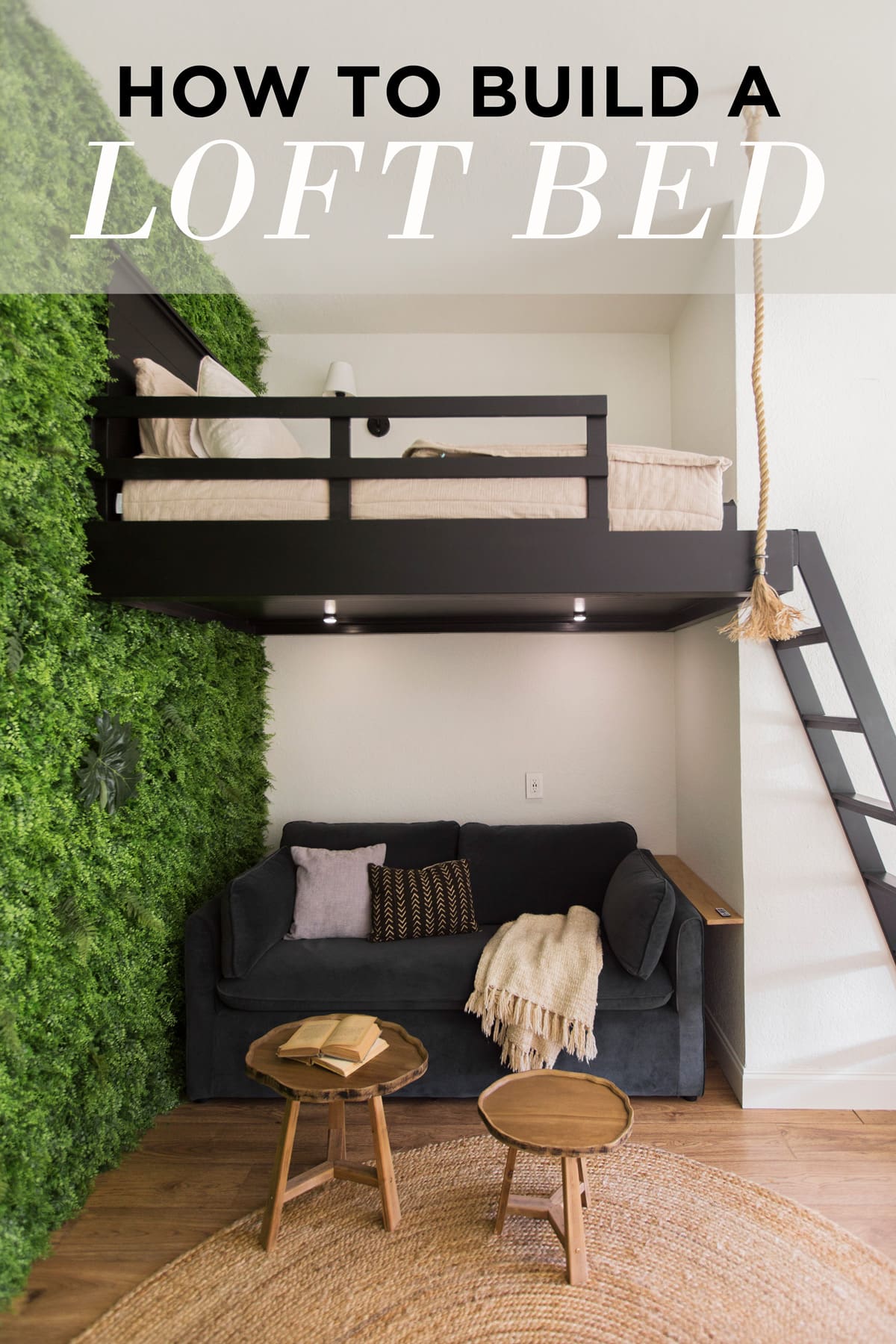
Bunk beds come in several styles. Traditional bunk beds stack two beds vertically. Loft beds raise the top bed, leaving space below. Some models include desks or storage under the top bed. There are also twin-over-full and L-shaped designs. Pick the type that best fits your room and needs.
Materials And Durability
Bunk beds are made from wood, metal, or a mix. Wood offers warmth and classic looks. Metal frames often feel modern and are lighter. Check for strong joints and safe finishes. Durable materials keep the bed sturdy and safe for years.
Size And Space Considerations
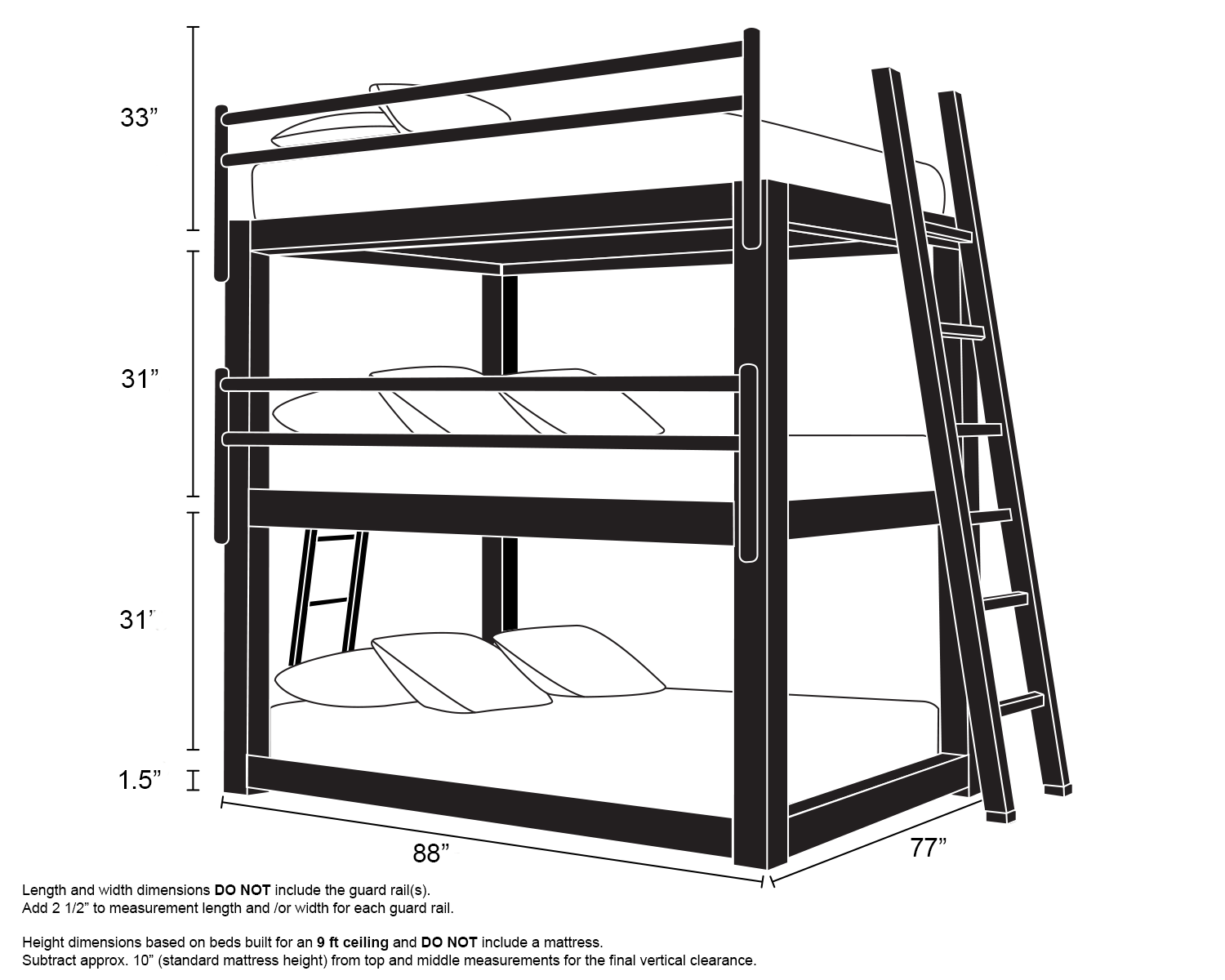
Measure your room before choosing a bunk bed. Check ceiling height and floor space. Leave room for movement and other furniture. Bunk beds come in twin, full, and other sizes. Choose a size that fits well and allows easy access to the bed.
Credit: www.jennasuedesign.com
Gathering Essential Tools And Materials
Before starting to build a bunk bed, gather all tools and materials. This step saves time and avoids interruptions. It also helps ensure safety and accuracy during assembly.
Organizing your workspace with the right items makes the process smooth and efficient. Knowing what you need prevents last-minute trips to the store.
List Of Required Tools
Prepare these tools for building a bunk bed:
- Power drill with drill bits
- Phillips and flathead screwdrivers
- Measuring tape
- Level
- Rubber mallet
- Wrench or socket set
- Wood glue
- Pencil for marking
These tools help you drill, screw, and measure precisely.
Safety Gear To Use
Wear safety gear to protect yourself during assembly. Use safety goggles to shield your eyes from dust and debris. Gloves protect your hands from splinters and sharp edges. Wear closed-toe shoes to protect feet from falling objects. A dust mask helps if sanding or cutting wood.
Safety gear keeps you safe and confident while working.
Checking Hardware Components
Inspect all hardware before starting assembly. Check screws, bolts, nuts, and washers for damage or rust. Confirm you have the right quantity of each piece. Using damaged hardware can weaken the bed structure. Organize hardware in small containers to avoid losing parts.
Proper hardware checks ensure a strong and stable bunk bed.
Preparing The Workspace
Preparing the workspace is the first step to make a bunk bed perfectly. A neat and organized area helps you work safely and quickly. It avoids mistakes and makes assembly easier.
Clearing And Cleaning The Area
Clear the space where you want to build the bunk bed. Remove toys, furniture, and other items. Sweep or vacuum the floor to remove dust and dirt. A clean area prevents damage to parts and tools.
Ensuring Proper Lighting
Good lighting helps you see small parts and instructions clearly. Use natural light or bright lamps. Avoid shadows that make it hard to read or assemble. Bright space reduces errors and speeds up the work.
Organizing Parts For Easy Access
Sort all bed parts and tools before starting. Group screws, bolts, and wooden pieces separately. Use containers or trays to keep small items from rolling away. Easy access saves time and keeps you focused.
Step-by-step Assembly Process
Building a bunk bed can seem hard, but following clear steps helps. This guide breaks down the process into simple parts. Each step focuses on one part of the bed. You can build the bed safely and quickly. Let’s start the assembly.
Assembling The Frame
Begin by laying out all the frame parts. Check the instructions to match each piece. Use screws and bolts to join the side rails to the head and foot boards. Tighten all fasteners firmly but avoid over-tightening. Make sure the frame stands stable and square.
Installing The Guardrails And Ladder
Attach the guardrails to the top bunk sides first. Align the rails with the pre-drilled holes. Secure them using bolts for safety. Next, fix the ladder to the bed frame. Ensure the ladder is steady and easy to climb. Double-check all connections for safety.
Securing The Slats And Mattress Support
Place the slats evenly across the frame. These support the mattress and prevent sagging. Fix each slat with screws or brackets as instructed. Make sure slats fit tightly without gaps. Finally, add the mattress support if included. Check that everything is secure before adding mattresses.
Ensuring Stability And Safety
Making a bunk bed is not just about looks. Stability and safety must come first. A strong bunk bed keeps children safe during sleep and play. It also lasts longer without damage. Simple checks and additions make a big difference.
Tightening All Bolts And Screws
Loose bolts cause wobbling and danger. Use a wrench or screwdriver to check every bolt. Tighten each one firmly but not too hard. Tight bolts hold the bed parts together well. Check bolts regularly to keep the bed stable.
Checking Weight Limits
Every bunk bed has a maximum weight limit. This limit keeps the bed from breaking. Find the weight limit in the instruction manual. Do not let anyone exceed the limit. Consider the mattress weight too. Following weight rules avoids accidents and damage.
Adding Safety Features
Add guardrails on the top bunk to stop falls. Use a sturdy ladder with wide steps for easy climbing. Make sure the ladder is fixed tightly. Place the bed away from windows and ceiling fans. These features protect children and give peace of mind.
Finishing Touches For A Flawless Look
Finishing touches give your bunk bed a clean, polished look. These steps improve safety and style. Attention to detail makes a big difference. Smooth surfaces feel better and prevent splinters. A fresh coat of paint or stain protects the wood. Decorative elements add personality and charm.
Sanding And Smoothing Edges
Start by sanding all edges and surfaces. Use fine-grit sandpaper for a smooth finish. Focus on corners and joints to remove rough spots. Sanding prevents splinters and creates an even surface. Wipe away dust with a damp cloth before the next step.
Applying Paint Or Stain
Choose paint or stain that suits your room’s style. Use a brush or roller for even coverage. Apply thin coats and let each dry completely. Paint adds color and hides imperfections. Stain shows the natural wood grain and adds warmth. Finish with a clear sealant for extra protection.
Adding Decorative Elements
Decorative touches make the bunk bed unique. Add stickers, decals, or stencils for fun patterns. Use cushions or curtains to create cozy spaces. Attach small shelves or hooks for storage and convenience. Personal touches make the bed inviting and special.
Maintaining Your Bunk Bed
Maintaining your bunk bed keeps it safe and strong. Regular care helps avoid accidents and extends its life. Simple steps make a big difference in keeping the bed stable and clean.
Regular Inspections
Check the bed every month for loose screws or bolts. Look for cracks in the wood or metal. Make sure the guardrails and ladder are secure. Tighten any loose parts to keep the bed steady. This stops small problems from becoming big issues.
Cleaning Tips
Dust the bed weekly to keep it fresh. Use a soft cloth and mild soap for cleaning. Avoid harsh chemicals that can damage the finish. Clean under the bed to remove dirt and allergens. Dry the bed well after cleaning to prevent rust or mold.
Repairing Common Issues
Fix loose screws with a screwdriver right away. Replace broken slats to support the mattress properly. Sand down rough edges to prevent splinters. Use wood glue for small cracks in wooden beds. For metal beds, use rust remover and paint to protect the frame.

Credit: www.justbunkbeds.com
Credit: adultbunkbeds.com
Frequently Asked Questions
How Do I Choose The Right Bunk Bed Materials?
Select sturdy materials like solid wood or metal for durability. Ensure materials are safe and free from harmful chemicals. Strong materials support weight and prevent accidents. Choose finishes that resist wear for long-lasting use.
What Tools Are Essential For Building A Bunk Bed?
Common tools include a drill, screwdriver, measuring tape, saw, and level. These tools help ensure precise cuts and secure assembly. Using proper tools makes the process faster and safer. Always follow safety guidelines when handling tools.
How Can I Ensure Bunk Bed Safety For Kids?
Install guardrails on the top bunk to prevent falls. Use a sturdy ladder with secure steps for climbing. Check all bolts and joints regularly for tightness. Follow weight limits specified by the manufacturer or design.
What Is The Best Mattress Size For Bunk Beds?
Standard twin mattresses usually fit bunk beds best. Measure the bed frame to confirm mattress dimensions. Choose firm, lightweight mattresses for comfort and safety. Avoid overly thick mattresses that may reduce guardrail effectiveness.
Conclusion
Building a bunk bed takes care and patience. Follow each step clearly and double-check your work. Use the right tools and materials for safety. Take your time to ensure a strong, stable bed. A well-made bunk bed saves space and looks great.
Enjoy the process and feel proud of your work. Keep safety first to protect everyone using the bed. Now, your bunk bed is ready for fun and rest. Simple steps lead to a sturdy, lasting piece.