Are you struggling to make your bedroom feel cozy and organized? How you position your furniture can change the entire vibe of your space.
Imagine walking into your bedroom and instantly feeling calm, relaxed, and comfortable. That’s the power of smart furniture placement. You’ll discover simple, effective tips to arrange your furniture so your bedroom becomes the peaceful retreat you deserve. Ready to transform your space?
Let’s dive in and make your bedroom work perfectly for you.
Choosing The Focal Point
The focal point in a bedroom sets the tone for the whole space. It draws the eye and gives the room a clear purpose. Picking the right focal point helps arrange furniture in a natural and inviting way. It also makes the room feel balanced and cozy. Focus on what stands out most in the room or what you want to highlight.
Strong focal points make decorating easier. They guide where to place big pieces like the bed or dresser. A good focal point can be a window, a fireplace, or even a piece of art. Think about what you see first when you enter the room. That spot usually works best as the center of attention.
Selecting The Bed Placement
The bed often becomes the main focal point. Place it against a solid wall, away from doors. This creates a sense of security and calm. Center the bed to balance the room. Make sure you have space to walk on both sides. Avoid placing the bed under a window to prevent drafts and light disturbances.
Use a headboard to add style and focus. A well-chosen headboard draws attention and anchors the bed. Keep the bed area simple but inviting. Soft bedding and pillows enhance comfort and look. The bed’s position sets the flow for other furniture pieces.
Highlighting Architectural Features
Architectural features can create unique focal points. Look for elements like exposed beams, built-in shelves, or a fireplace. Use furniture to enhance these features, not hide them. Place seating or a small table near these spots to create a cozy corner.
Paint or lighting can also highlight architectural details. A spotlight or a lamp brings focus to special parts of the room. Mirrors reflect light and make features stand out more. Choose simple furniture to keep attention on the architecture.
Emphasize these features to add character. They give the room a personal and interesting touch. Let the room’s natural design guide your furniture placement.
Maximizing Space Efficiency
Maximizing space efficiency in a bedroom makes the room feel larger and more comfortable. Careful furniture placement helps use every inch wisely. This creates a neat, open space that is easy to move around in.
Choosing the right spots for each piece avoids clutter and keeps the room balanced. Small changes can make a big difference in how spacious the bedroom feels.
Arranging Around Doorways And Windows
Keep pathways near doorways clear to allow easy entry and exit. Avoid blocking doors with large furniture. This keeps the room safe and accessible.
Place beds or dressers away from windows to let natural light flow in. Curtains or blinds help control light without adding bulky furniture. Use wall space near windows for small shelves or hooks.
Using Corners Wisely
Corners often become wasted space. Use corner shelves or small desks to fill these spots. They provide storage without crowding the room.
Corner beds or L-shaped furniture save floor space and create cozy zones. Avoid putting large items directly in corners if they block movement. Smart corner use opens up the center of the room.
Balancing Function And Style
Balancing function and style in bedroom furniture placement is key to a comfortable space. The bedroom should look good and serve your daily needs. Planning each piece helps create a room that feels both useful and inviting. Think about how you move and live in the room. This approach makes the space more enjoyable and easier to use.
Incorporating Storage Solutions
Storage helps keep the bedroom tidy and organized. Choose furniture with built-in storage to save space. Beds with drawers or shelves are perfect options. Use nightstands with drawers for small items. A clutter-free room looks stylish and feels peaceful. Organize clothes and accessories in smart places. This method keeps everything within reach and neat.
Creating Relaxing Zones
Separate areas for different activities make the room more functional. A cozy reading corner or a quiet work spot adds comfort. Use rugs or lighting to define these zones. Keep the bed as the main focus of the room. Arrange furniture to allow easy movement around the space. This setup creates calm areas for rest and relaxation.
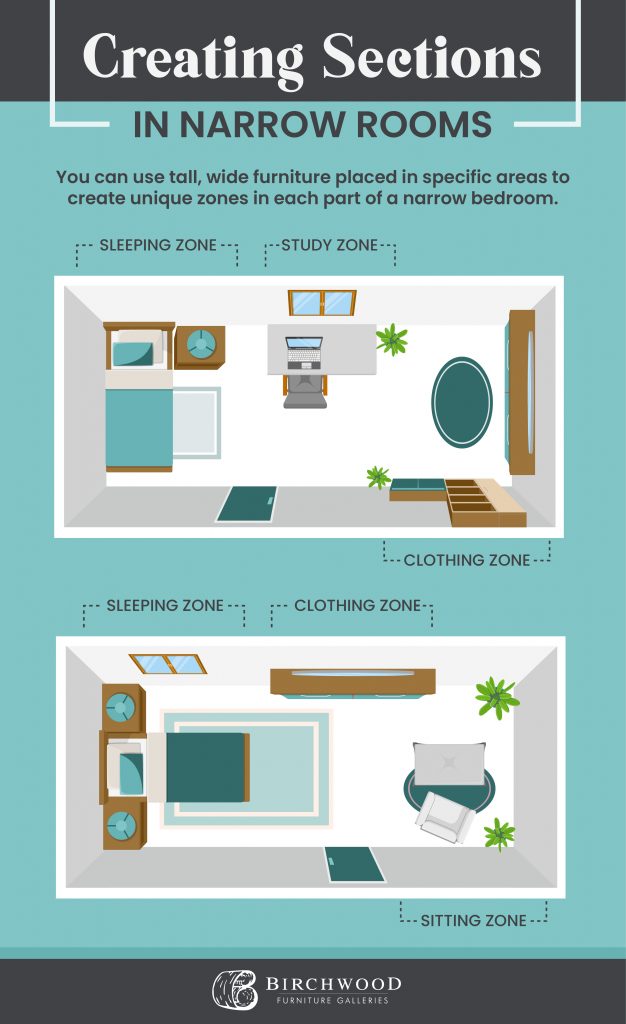
Credit: birchwoodfurniture.ca
Optimizing Traffic Flow
Optimizing traffic flow in a bedroom makes moving around easier and safer. Good traffic flow helps prevent trips and bumps. It creates a calm and open space to relax. Thoughtful furniture placement supports smooth movement and comfort.
Ensuring Clear Walkways
Keep paths wide and open. Make sure at least two feet of space exists between furniture pieces. Clear walkways allow easy access to the bed, closet, and door. Avoid placing furniture in main walking paths. Clear paths help avoid accidents and keep the room feeling spacious.
Avoiding Cluttered Areas
Remove unnecessary items from corners and walkways. Too much furniture or decor creates clutter and blocks traffic flow. Choose essential pieces and arrange them with space around. Clutter makes the room feel smaller and harder to move in. A neat room feels welcoming and easy to navigate.
Selecting Complementary Furniture
Selecting complementary furniture shapes the look and feel of your bedroom. It creates a balanced space where every piece fits well. Thoughtful choices make the room inviting and functional.
Choosing furniture that works well together improves comfort and style. It helps avoid clutter and makes the room feel bigger. Picking matching pieces guides the eye and adds harmony.
Matching Scale And Proportion
Furniture size matters. Big beds with tiny nightstands look odd. Keep pieces in scale with the room size. Large rooms can hold bigger furniture. Small rooms need compact items to avoid crowding.
Proportion means the size relationship between items. A tall dresser pairs well with a tall mirror. Low benches suit low beds better. Balanced proportions create a peaceful feel.
Choosing Coordinated Pieces
Choose furniture that shares style or color. Matching wood tones or metal finishes connect pieces. Soft colors blend well for calm spaces. Bold colors add energy but should be balanced.
Coordinated furniture brings unity to the bedroom. Avoid mixing too many styles. Stick to two or three styles for a clean look. This makes the room feel put together and cozy.

Credit: www.avalonwoodflooring.com
Enhancing Lighting And Ambiance
Lighting plays a big role in making a bedroom feel cozy and calm. Good lighting helps set the mood for rest and relaxation. It also makes the room look bigger and brighter. Positioning furniture with lighting in mind can improve the room’s feel and function.
Proper lighting creates layers of light. This includes bright lights for tasks and soft lights for comfort. Thoughtful placement of lamps and fixtures makes a room warm and inviting. Using natural light can also change the look and feel throughout the day.
Positioning Lamps And Fixtures
Place bedside lamps near the bed for reading or relaxing. Use lamps with dimmers for adjustable brightness. Avoid placing lamps where shadows fall on your face. Position floor lamps in corners to brighten dark areas. Overhead fixtures should spread light evenly across the room. Choose warm light bulbs to create a soft glow. Keep lamps within easy reach for convenience.
Utilizing Natural Light
Arrange the bed near windows to enjoy morning sun. Use sheer curtains to let light in but keep privacy. Avoid blocking windows with large furniture pieces. Mirrors can reflect natural light and make the room feel larger. Open the curtains fully during the day for maximum light. Natural light boosts mood and helps regulate sleep cycles.
Personalizing The Layout
Personalizing the layout of your bedroom makes the space truly yours. It reflects your style and comfort needs. Thoughtful arrangement of furniture creates a cozy, inviting atmosphere. This allows you to enjoy your room every day. Small details can change the whole look and feel. Personal touches add warmth and character to the space. They make your bedroom a restful retreat.
Adding Decorative Elements
Decorative elements bring life to your bedroom layout. Choose items that match your style and color scheme. Rugs, curtains, and cushions add texture and color. Wall art or framed photos create focal points. Use lamps and lighting to set a soft mood. Mirrors can make the room appear larger and brighter. Keep decorations balanced to avoid clutter. Each piece should enhance your room’s comfort and look.
Incorporating Personal Touches
Personal touches give your bedroom a unique feel. Display items that tell your story or hobbies. Books, souvenirs, or handmade crafts add personality. Select bedding and pillows that reflect your taste. Plants bring freshness and a natural vibe. Organize your space to suit your daily routine. Personalizing creates a space where you feel relaxed and happy. This makes your bedroom more than just a place to sleep.

Credit: nashcofurniture.com
Frequently Asked Questions
How Do I Start Positioning Bedroom Furniture?
Begin by measuring your room’s dimensions carefully. Plan the bed placement first, ideally against the longest wall. Arrange other pieces like dressers and nightstands around it for easy movement and balance.
Where Should I Place The Bed In A Bedroom?
Place the bed against a solid wall, away from doors and windows. Center it if possible for symmetry. This enhances comfort, accessibility, and visual appeal in the room.
How Can I Maximize Space In A Small Bedroom?
Use multi-functional furniture like beds with storage drawers. Keep pathways clear and avoid overcrowding. Position larger pieces against walls to open up floor space and improve flow.
What Furniture Should Be Near The Bed?
Place nightstands on either side for convenience. Consider lamps, alarm clocks, and essential items here. This setup improves functionality and keeps essentials within arm’s reach.
Conclusion
Positioning bedroom furniture well changes the whole room feel. It makes space look bigger and more open. Think about how you move around the room. Place big pieces like the bed first. Use smaller furniture to fill empty spaces smartly.
Keep pathways clear for easy walking. Light and windows affect where furniture fits best. Try different layouts to find what feels right. A good setup helps you relax and sleep better. Simple steps bring comfort and style together. Your bedroom can become a calm, cozy place to enjoy.
