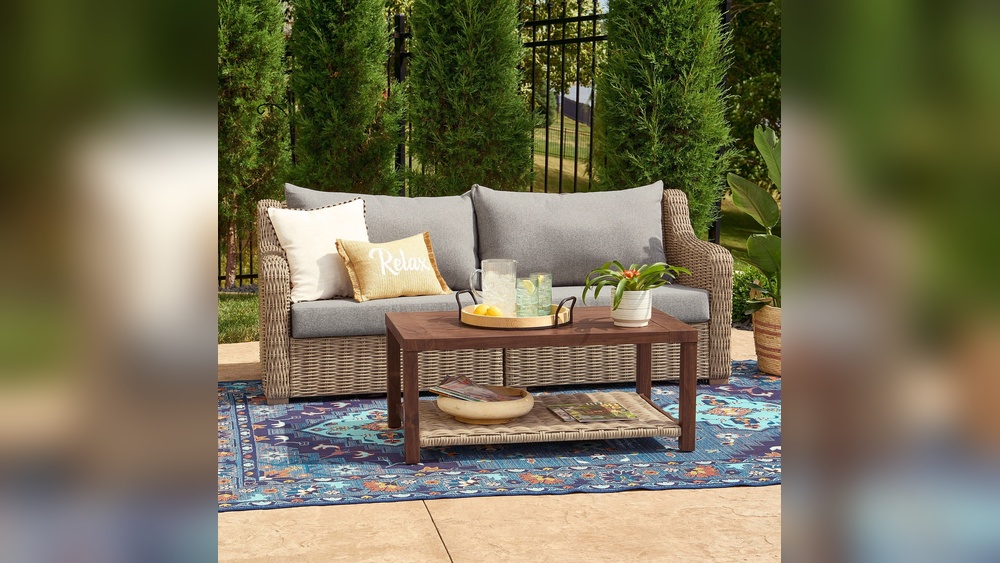
If you want your outdoor furniture to stay beautiful and last longer, preparing it properly before applying tung oil is key. You might think it’s as simple as just brushing it on, but there’s more to the process.
Getting your furniture ready the right way helps the oil soak in deeper, protect better, and bring out the natural beauty of the wood. In this guide, you’ll discover easy steps to prepare your outdoor furniture so that when you apply tung oil, you get the best results possible.
Keep reading, and you’ll learn how to make your furniture look amazing season after season.
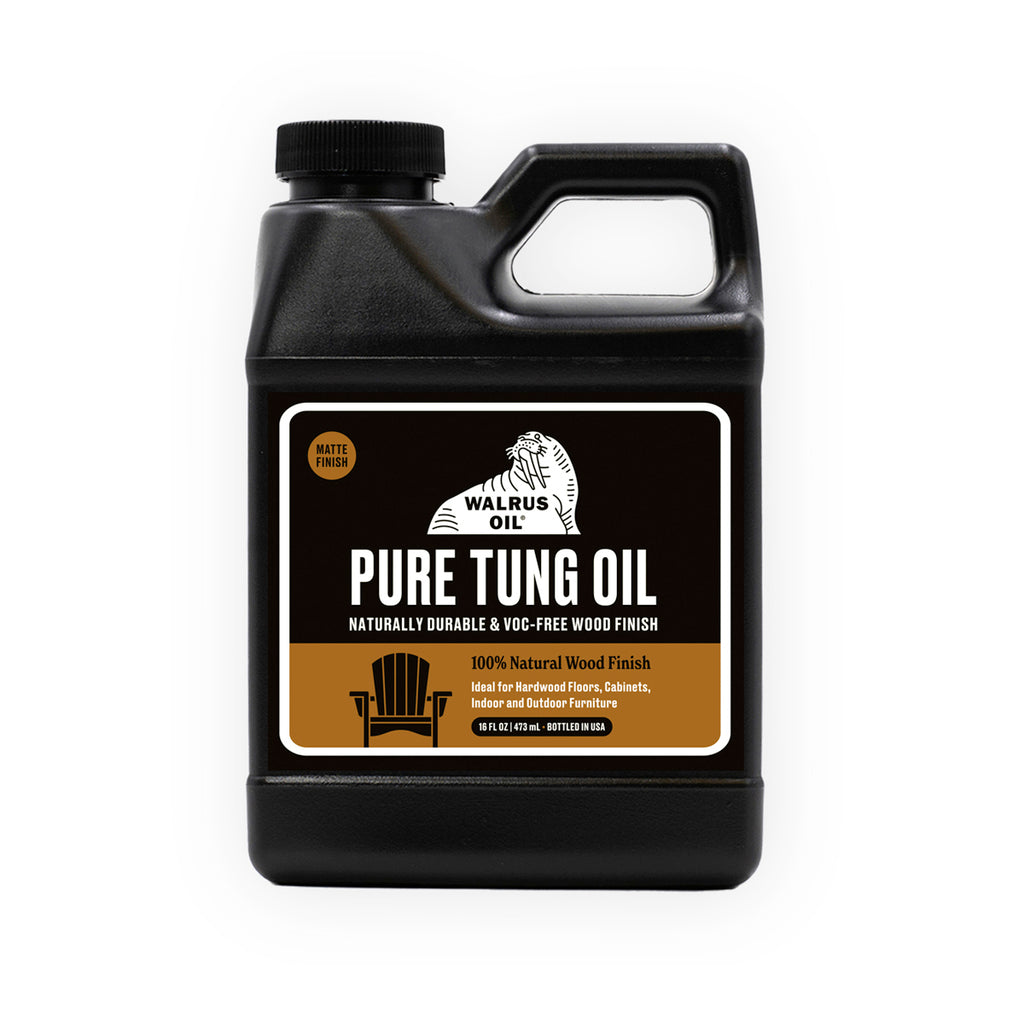
Credit: walrusoil.com
Choosing The Right Tung Oil
Preparing outdoor furniture for tung oil starts with cleaning and sanding the wood. Choose pure tung oil for better protection and a smooth finish. Proper preparation helps the oil soak in evenly and last longer.
Pure Vs. Blended Tung Oil
Choose between pure and blended tung oil for your outdoor furniture. Pure tung oil comes directly from the tung tree. It offers strong protection and a natural finish. Blended tung oil mixes pure oil with solvents or other oils. It absorbs faster and is easier to apply. Pure oil lasts longer but takes more time to dry. Blended oil works well for quick projects but may need more coats. Decide based on your patience and the look you want.
Selecting Food-grade Options
Food-grade tung oil is safe for surfaces that touch food. Use it on picnic tables or outdoor kitchen furniture. This type of oil contains no harmful chemicals. It protects wood without risking your health. Check the label to confirm it is food safe. Even if your furniture won’t hold food, food-grade oil is a safer choice. It also tends to be more natural and pure. Keep your family and guests safe with this option.
Considerations For Outdoor Use
Outdoor furniture faces sun, rain, and wind. Choose tung oil that withstands these elements. Look for oils labeled for exterior use. These oils resist water and UV damage better. Some blends add extra protection against mold and mildew. Reapplying oil every year keeps wood strong and beautiful. Test on a small area first to see how it reacts. Proper choice helps your furniture last through all seasons.
Cleaning Outdoor Furniture
Cleaning outdoor furniture is the first step before applying tung oil. It removes dirt and old residues. Clean surfaces help tung oil soak in evenly and last longer. Proper cleaning also protects the wood from damage and decay.
Removing Dirt And Debris
Start by brushing off loose dirt and leaves. Use a soft brush or cloth. For sticky spots, use mild soap mixed with water. Gently scrub the surface without damaging the wood. Rinse well with clean water to remove soap.
Dealing With Mold And Mildew
Mold and mildew can harm wood and stop tung oil from working. Mix one part white vinegar with three parts water. Apply the solution to affected areas with a cloth or spray bottle. Let it sit for 10 minutes, then scrub lightly. Rinse the furniture well to remove all residue.
Drying The Surface Properly
Drying is crucial before applying tung oil. Use a dry cloth to wipe off excess water. Leave the furniture outside in sunlight or a well-ventilated area. Make sure the wood is fully dry to the touch. This helps tung oil soak deeply and protects the wood better.
Sanding Techniques For Best Results
Preparing outdoor furniture for tung oil starts with proper sanding. Sanding creates a smooth surface that helps tung oil soak evenly. It also removes old finishes and rough spots. Proper sanding increases the wood’s ability to absorb the oil well. This section covers key sanding techniques for the best results.
Choosing The Right Grit
Start with medium-grit sandpaper, around 120 grit, to remove rough patches. Use finer grit, like 220, to smooth the surface after. Too coarse sandpaper can leave scratches. Too fine grit may not remove old finishes well. Select grit based on wood condition for a smooth, clean surface.
Sanding Direction And Pressure
Sand along the wood grain, not across it. This prevents scratches and keeps the surface smooth. Use light to medium pressure for even sanding. Pressing too hard can damage the wood or create uneven spots. Keep the sander moving to avoid sanding marks.
Preparing For Multiple Coats
Lightly sand between tung oil coats to improve adhesion. Use fine grit, about 320, for this step. Sand just enough to remove dust or raised grain. Clean the surface well after sanding. Proper prep ensures each coat bonds and the finish lasts longer.
Applying Tung Oil Correctly
Applying tung oil correctly is key to protecting your outdoor furniture. It helps the wood stay strong and beautiful. The right method makes sure the oil soaks in well. This creates a tough, water-resistant surface. Follow simple steps for the best results.
Tools And Materials Needed
- Tung oil (pure or blended)
- Clean, lint-free cloths
- Soft-bristle brush
- Sandpaper (220-grit)
- Disposable gloves
- Small container for oil
- Drop cloth or newspaper
Step-by-step Application Process
Start by sanding the furniture gently with 220-grit sandpaper. This opens the wood pores for better oil absorption. Wipe off dust with a clean cloth. Pour a small amount of tung oil into the container. Use a cloth or brush to apply a thin, even coat. Work along the wood grain for smooth coverage. Let the oil soak into the wood for about 20 minutes. Wipe off excess oil with a clean cloth to avoid sticky spots. Repeat the process for each coat.
Timing Between Coats
Allow 24 hours of drying time between coats. This helps the oil cure and harden properly. Warmer weather can speed up drying, cooler slows it down. Apply at least 3 coats for strong protection. Check the surface before adding more. The wood should feel dry and smooth. Patience ensures a long-lasting finish.
Curing And Maintenance Tips
Proper curing and maintenance keep your outdoor furniture looking great after applying tung oil. This process protects the wood and extends its life. Follow these simple tips to ensure your furniture stays beautiful and durable.
Allowing Proper Drying Time
After applying tung oil, let the wood dry completely. This usually takes 24 to 48 hours. Avoid touching or using the furniture during this time. Proper drying helps the oil soak deep into the wood. It also prevents sticky or uneven surfaces.
Routine Cleaning After Treatment
Keep the furniture clean to maintain the oil’s effect. Use a soft cloth or brush to remove dust and dirt. Avoid harsh chemicals that can damage the oil finish. Clean your furniture regularly, especially after bad weather. This helps the wood breathe and stay fresh.
Reapplying Tung Oil Over Time
Reapply tung oil every year or two. This refreshes the wood’s protection and shine. Lightly sand the surface before applying new oil. This removes any rough spots and old oil layers. Regular reapplication keeps your furniture strong and water-resistant.

Credit: www.woodreview.com.au
Common Mistakes To Avoid
Preparing outdoor furniture with tung oil can protect and enhance its beauty. Avoiding common mistakes improves the results. These errors can waste oil, damage wood, or create uneven finishes. Understanding what to avoid makes your project smoother and more effective.
Applying Too Much Oil At Once
Using too much tung oil floods the wood surface. It takes longer to dry and can stay sticky. Thick layers trap moisture inside the wood, causing damage. Apply thin, even coats for the best finish. Let each layer dry before adding another.
Skipping Surface Preparation
Cleaning and sanding the furniture is essential. Dirt, dust, or old finishes block the oil from soaking in. Rough surfaces prevent smooth application. Always clean the wood and sand lightly before oiling. This step helps the oil absorb better and last longer.
Ignoring Weather Conditions
Weather affects how tung oil cures and dries. Avoid applying oil on rainy or very humid days. Strong sun or wind can dry the oil too fast, causing cracks. Choose a calm, dry day with moderate temperatures. This ensures even drying and a durable finish.

Credit: www.amazon.com
Frequently Asked Questions
What Is The Best Way To Clean Outdoor Furniture Before Applying Tung Oil?
Start by removing dirt and dust with a soft brush or cloth. Use mild soap and water for deeper cleaning. Rinse thoroughly and let it dry completely before applying tung oil to ensure proper absorption and a smooth finish.
How Long Should Outdoor Furniture Dry Before Tung Oil Application?
Allow your furniture to dry for at least 24 hours after cleaning. The wood must be completely dry to prevent trapping moisture. Proper drying ensures the tung oil penetrates deeply, enhancing protection and durability against weather elements.
How Many Coats Of Tung Oil Are Needed For Outdoor Furniture?
Typically, 2 to 3 coats of tung oil are sufficient. Apply each coat thinly and evenly, allowing 24 hours to dry between applications. Multiple coats build a strong, water-resistant finish that protects your furniture over time.
Can Tung Oil Be Applied Directly To Outdoor Wood Furniture?
No, you should prepare the wood by cleaning and sanding first. Sanding smooths the surface and opens the wood pores for better oil absorption. Proper preparation improves tung oil’s effectiveness and longevity on outdoor furniture.
Conclusion
Preparing outdoor furniture for tung oil protects wood and extends its life. Clean the surface well and sand it smooth for best results. Apply tung oil evenly in thin layers and let it dry fully each time. This care keeps your furniture strong and looking good through all seasons.
Regular maintenance with tung oil helps avoid cracks and water damage. Follow these steps for beautiful, lasting outdoor wood pieces you can enjoy year after year. Simple preparation makes a big difference in protecting your furniture.