If you have a toddler and a bunk bed in your home, you probably worry about their safety every time they try to climb up. You want to keep your little one safe, but you also don’t want to stop them from exploring and having fun.
How can you prevent your toddler from climbing the bunk bed without constant stress or harsh rules? You’ll discover simple, effective ways to protect your child while giving you peace of mind. Keep reading to learn practical tips that work – because your toddler’s safety is worth it.
Risks Of Toddler Climbing Bunk Beds
Toddlers climbing bunk beds face serious risks. These beds are high and narrow, making falls dangerous. Parents must understand these risks to protect their children.
Climbing can lead to injuries that affect a toddler’s health and safety. Understanding why toddlers climb helps prevent accidents. Awareness is the first step toward safer bedrooms.
Common Injuries
Toddlers who climb bunk beds often fall. Falls cause bruises, cuts, and broken bones. Head injuries are common and very serious. Falls can also cause sprains and fractures. Injuries may require doctor visits or hospital stays. Some injuries leave lasting effects on toddlers.
Why Toddlers Climb
Toddlers climb to explore and test their limits. Climbing feels like a fun adventure to them. They want to reach new places and see from above. Toddlers also copy older siblings or adults. Sometimes, boredom makes them climb out of curiosity. Understanding this helps adults set better safety rules.
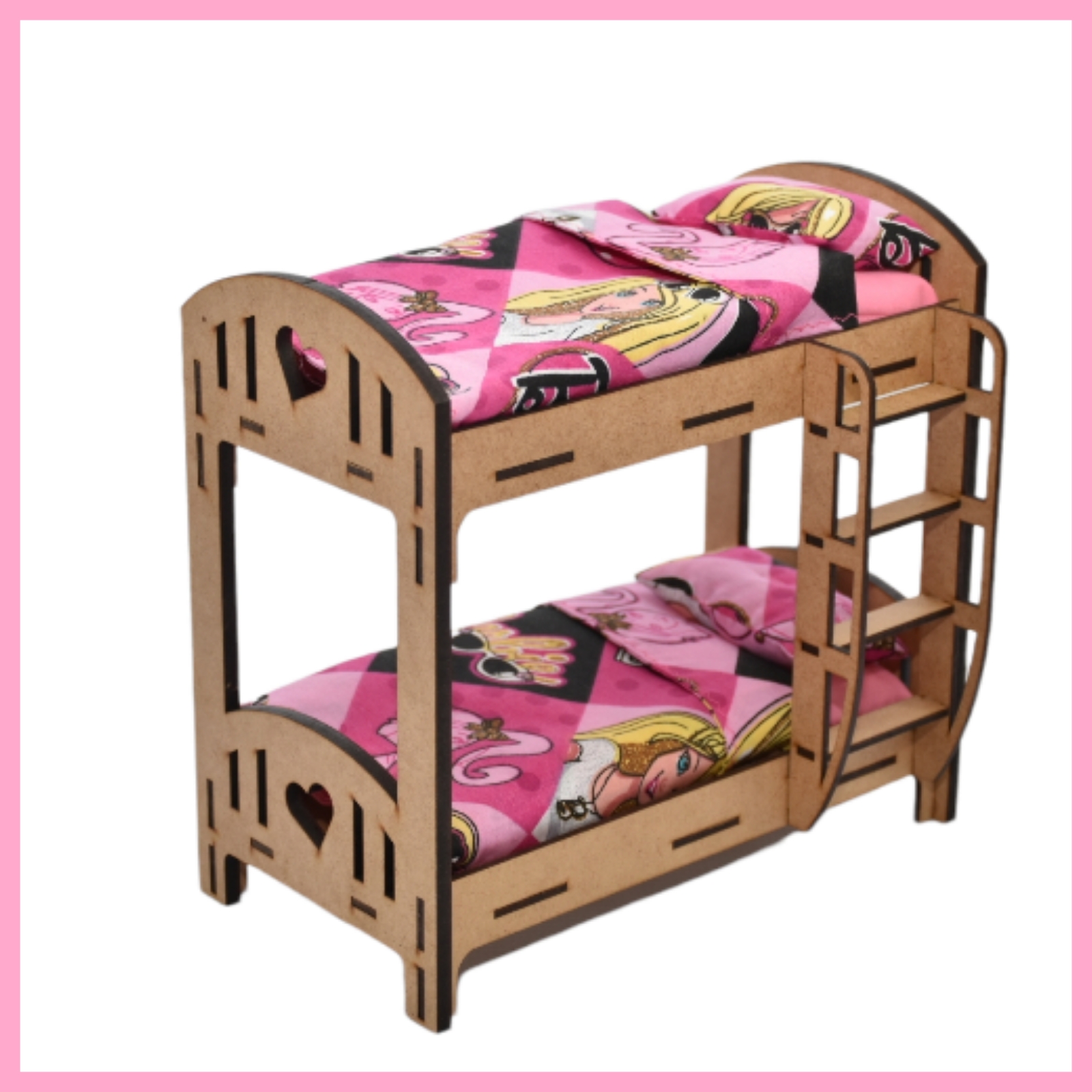
Credit: gianchand.com
Choosing Safe Bunk Beds
Choosing a safe bunk bed is key to stop toddlers from climbing unsafely. A well-designed bed can protect your child from falls and injuries. Safety starts with the bed itself. It should match your toddler’s needs and abilities. This reduces the urge to climb in risky ways.
Bed Design Features
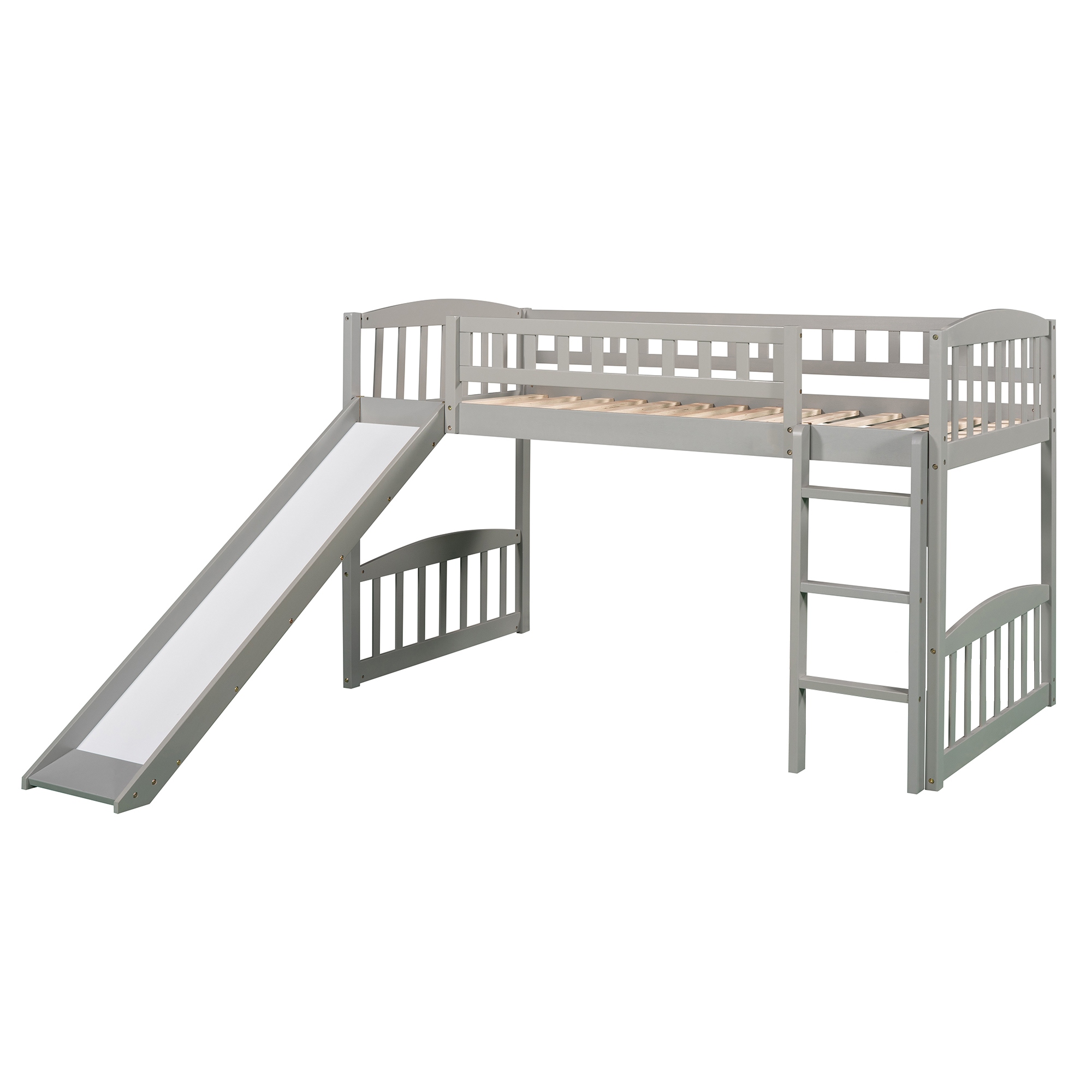
Look for bunk beds with guardrails on all sides of the top bunk. The rails should be high enough to prevent falls. Rounded edges reduce the risk of bumps and bruises. A sturdy ladder with wide, slip-resistant steps helps toddlers climb safely. Beds made of solid wood or metal offer better stability. Avoid beds with gaps that a child might slip through.
Weight And Age Limits
Check the manufacturer’s weight limit for the top bunk. Toddlers often weigh less, but the bed must support them safely. Follow age recommendations strictly. Many bunk beds are not safe for children under six years old. Using the bed within these limits lowers accident risks. This ensures the bed can handle daily use without damage.
Installing Safety Measures
Installing safety measures is essential to stop toddlers from climbing bunk beds. These measures create a safe sleeping space and help prevent falls. Parents can use simple tools and smart ideas to keep children safe.
Guardrails And Barriers
Guardrails are a key safety feature on bunk beds. They stop children from falling off the top bunk. Make sure the guardrails are high and strong. The gaps between rails should be small to avoid slipping through. Barriers can also block access to the ladder or bed edges.
Choose guardrails made for your bunk bed model. Check them often for loose parts or damage. Securely attach the rails to the bed frame. This gives extra protection during sleep or play.
Secure Ladder Placement
Place the ladder in a safe, easy-to-reach spot. Avoid locations near windows or sharp corners. The ladder must be firmly fixed to the bed. This stops it from moving or tipping over.
Use ladders with wide, non-slip steps. This reduces the chance of slipping. Teach your toddler to use the ladder carefully. Supervise them until they learn to climb safely.

Credit: www.amazon.ae
Creating A Safe Bedroom Environment
Creating a safe bedroom environment helps keep toddlers away from climbing bunk beds. Toddlers love to explore, but their safety must come first. A well-arranged room lowers the risk of falls and injuries. Parents can make small changes that protect children while keeping the room fun and comfortable.
Removing Climbing Hazards
Clear the area around the bunk bed of furniture that children can use to climb. Dressers, chairs, and boxes can become stepping stools. Keep these items far from the bed to stop easy access. Also, secure any loose rugs that may cause tripping. Remove toys or objects that invite climbing near the bed.
Soft Landing Zones
Place soft mats or carpets under and around the bunk bed. These cushions reduce injury if a toddler falls. Foam play mats or thick rugs work well for this purpose. Avoid hard surfaces like wood or tile near the bed. Soft landing zones give parents peace of mind and children safer play spaces.
Supervision And Rules
Supervision and rules play a key role in keeping toddlers safe around bunk beds. Toddlers are curious and love to explore. Setting clear rules and watching them closely helps prevent accidents. This approach teaches children what is safe and what is not. It also builds good habits early on.
Setting Clear Boundaries
Start by explaining the rules in simple words. Tell your toddler that climbing the bunk bed is not allowed. Use firm but kind language. Make sure your child understands the reasons, like staying safe from falls. Repeat the rules often and stay patient. Create a consistent message that climbing is off-limits.
Use visual aids like pictures or signs near the bed. These reminders help toddlers remember the rules. Praise your child when they follow the rules well. Positive feedback encourages good behavior. Clear boundaries reduce confusion and help toddlers feel secure.
Consistent Monitoring
Watch your toddler closely when they are near the bunk bed. Never leave them alone unsupervised. Toddlers can climb quickly and unexpectedly. Staying nearby allows you to stop unsafe actions immediately. This quick response can prevent injuries.
Check the room often during playtime and before naps. Stay alert for any attempts to climb. Consistent monitoring shows your child that safety is important. It also helps you reinforce the rules with gentle reminders. Over time, toddlers learn to follow safety habits on their own.
Alternative Sleep Arrangements
Choosing the right sleep setup helps keep toddlers safe and stops climbing. Alternative sleep arrangements offer simple ways to protect your child from bunk bed dangers. These options suit toddlers’ needs and provide peace of mind for parents.
Using Toddler Beds
Toddler beds are low to the ground, making falls less risky. They have guardrails to prevent rolling out during sleep. This bed size fits small rooms and grows with your child. Toddlers feel secure and cozy in their own bed space.
Parents find toddler beds easy to use and move. The low height reduces temptation to climb high bunk ladders. This arrangement helps toddlers sleep better and stay safe.
Separate Beds For Safety
Separate beds keep toddlers away from bunk bed hazards. Placing a toddler’s bed in a different room or area avoids climbing risks. It creates a clear boundary for where your child should sleep.
Separate beds help toddlers develop healthy sleep habits. They learn to stay in their own bed through the night. This approach offers a safer alternative to shared bunk beds.
Parents can monitor toddlers easily in a separate, child-friendly space. This setup reduces accidents and supports restful sleep for the whole family.
Training And Behavior Tips
Training and behavior tips help guide toddlers to stay safe around bunk beds. Toddlers are curious and love to explore. Teaching them early about safe behavior reduces risks of falls or injuries. Patience and consistency make training effective. Use clear rules and gentle reminders to shape good habits.
Positive Reinforcement
Praise your toddler when they follow safety rules. Use kind words and small rewards to encourage good behavior. Celebrate moments when they stay off the bunk bed ladder. Positive attention helps children remember what is right. Avoid punishment, which can cause fear or confusion. Focus on building trust and respect through encouragement.
Teaching Safe Habits
Show your toddler how to use the bunk bed safely. Teach them to wait for help before climbing. Explain why climbing alone is dangerous in simple words. Practice safe steps together, like holding the ladder firmly. Repeat lessons often so toddlers understand and remember. Safety routines become habits with regular practice. Consistent teaching builds strong safety awareness.
Credit: www.erasolcaldaie.it
Frequently Asked Questions
How Can I Stop My Toddler From Climbing Bunk Beds?
Use safety gates and railings to block access. Explain dangers clearly. Supervise closely and offer alternative climbing toys for safe play.
What Are Safe Alternatives To Bunk Beds For Toddlers?
Consider low beds or floor mattresses. These reduce fall risk and are toddler-friendly. Add soft mats nearby to cushion any accidental falls.
When Should Toddlers Be Allowed To Use Bunk Beds?
Wait until your child is at least six years old. Ensure they understand safety rules and can climb safely without supervision.
How To Childproof A Bunk Bed Effectively?
Install guardrails on all sides and secure ladders firmly. Use non-slip pads and keep the area around the bed clear of hazards.
Conclusion
Preventing toddlers from climbing bunk beds keeps them safe and secure. Use barriers and teach clear rules about bed use. Always watch your child closely and make the bed area safe. Small changes in the bedroom can stop accidents before they happen.
Safety matters most when children explore their space. Keep your toddler safe with simple steps every day.