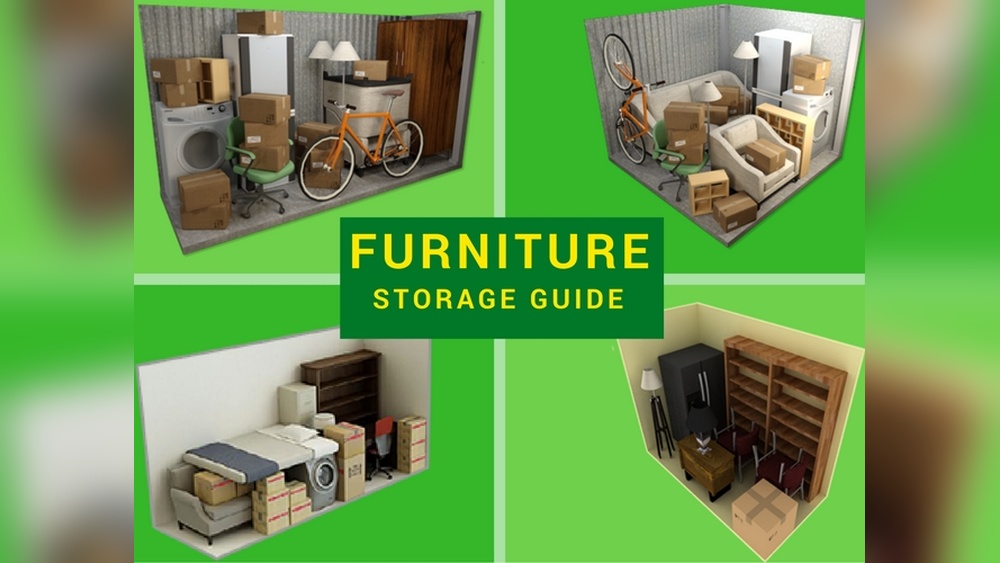
Storing your furniture in a storage unit might seem simple, but without the right steps, your valuable pieces could end up damaged or ruined. You want to make sure your furniture stays safe, clean, and in perfect condition while it’s tucked away.
Whether you’re moving, renovating, or just decluttering, knowing how to properly store your furniture can save you time, money, and stress later on. In this guide, you’ll discover easy, effective tips to protect your wood, upholstery, and delicate items so they look just as good when you bring them back home.
Keep reading to learn how you can make the most of your storage unit and keep your furniture safe for the long haul.
Choosing The Right Storage Unit
Choosing the right storage unit plays a key role in keeping your furniture safe. The right unit protects your items from weather, pests, and theft. Think about your furniture type and how long you will store it. This helps you find a unit that fits your needs and budget.
Benefits Of Climate-controlled Units
Climate-controlled units keep temperature and humidity steady. Wood furniture stays strong and does not warp. Leather items avoid cracking and drying out. These units also reduce mold and mildew risks. A stable environment protects delicate fabrics and antiques. Overall, your furniture lasts longer and stays in better shape.
Security Considerations
Good security keeps your furniture safe from theft and vandalism. Look for units with surveillance cameras and strong locks. Gated access and on-site staff add extra protection. Choose a storage facility with good lighting and secure fencing. Check reviews to confirm the safety of the location.
Unit Size And Accessibility
Pick a unit size that fits all your furniture without crowding. Too small means risk of damage from tight packing. Too large can cost extra money. Easy access helps during moving in and out. Ground-floor units or drive-up access simplify loading heavy items. Plan space for aisles to avoid scratching furniture.
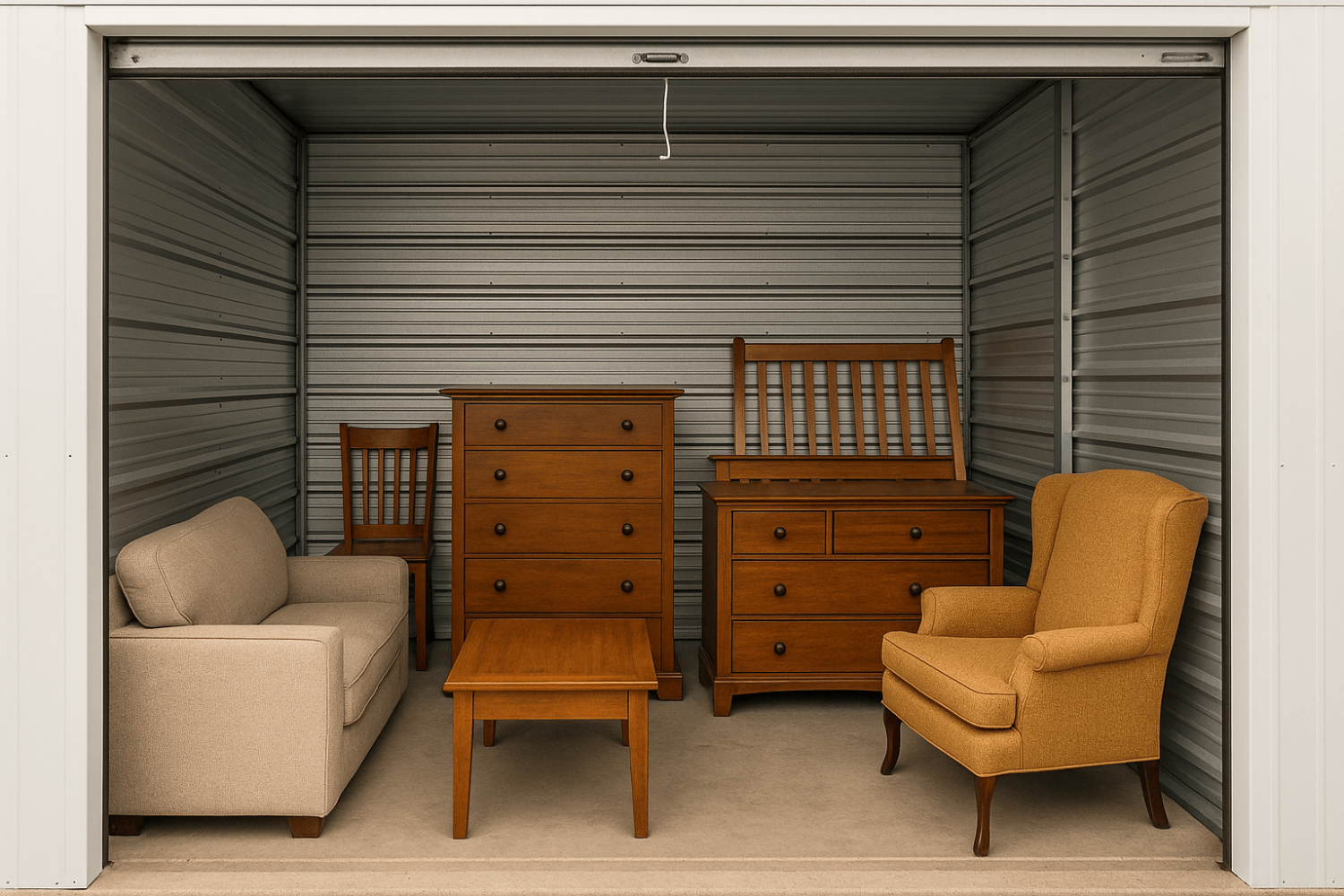
Credit: storageofamerica.com
Preparing Furniture For Storage
Properly preparing your furniture before storage helps keep it safe and in good condition. This step prevents damage from dirt, moisture, and pests. Taking time to prepare each piece makes the storage process easier and protects your investment.
Cleaning And Drying Surfaces
Remove dust and dirt from all furniture surfaces. Use a soft cloth and mild cleaner for best results. Avoid harsh chemicals that can damage finishes. After cleaning, dry each piece completely. Moisture left on furniture can cause mold and mildew. Let items air dry in a well-ventilated area before moving them to storage.
Disassembling Large Pieces
Take apart big furniture like beds, tables, and shelves. Remove legs, cushions, and detachable parts. This saves space and reduces the risk of damage. Keep screws and small hardware in labeled bags. Store these bags with the disassembled pieces. Disassembly also makes moving furniture easier and safer.
Treating Wood And Leather
Apply polish or conditioner to wood furniture before storage. This prevents drying and cracking over time. Use products designed for your furniture’s finish. For leather items, clean with a leather cleaner and apply conditioner. This keeps leather soft and prevents it from drying out. Avoid storing leather in direct sunlight or damp areas.
Protecting Furniture During Storage
Protecting furniture during storage is essential to keep it in good condition. Proper protection prevents scratches, stains, and damage caused by moisture or pests. Taking simple precautions helps your furniture look fresh and new after storage. This section explains how to cover and wrap furniture correctly to avoid common storage problems.
Using Breathable Covers
Use breathable covers like cotton sheets or fabric blankets. These allow air to flow around the furniture. Air circulation stops moisture buildup that can cause mold or mildew. Avoid covers that trap heat or moisture. Breathable covers also protect against dust and dirt. They are soft and less likely to scratch surfaces.
Avoiding Plastic Wrap
Do not wrap furniture in plastic wrap or plastic sheets. Plastic traps moisture, which leads to mold and wood warping. It also encourages rust on metal parts. Plastic can cause condensation inside the wrap, damaging the finish. Instead, use breathable materials that protect without sealing in moisture. Plastic should only be used for short moves, not long-term storage.
Wrapping Fragile Items
Wrap fragile items like glass, mirrors, and ceramics carefully. Use bubble wrap or foam padding to cushion these items. Secure the wrapping with tape, but do not let tape touch the furniture surface. Place fragile pieces in sturdy boxes with extra padding. Label boxes as fragile to handle them with care. Proper wrapping prevents cracks, chips, and scratches during storage.
Organizing Furniture Inside The Unit
Organizing furniture inside a storage unit is key to protecting your belongings. Proper arrangement helps avoid damage and makes access easier. Thoughtful organization also maximizes the available space.
Elevating Furniture Off The Floor
Keep furniture off the floor to avoid moisture damage. Use pallets or wooden boards as a base. Elevation prevents water stains and mold growth. It also stops pests from reaching your items easily.
Proper Positioning And Stacking
Place heavier furniture pieces at the bottom. Stack lighter items on top to avoid crushing. Leave pathways for easy movement inside the unit. Store large items against the walls for better stability.
Allowing Air Circulation
Leave space between furniture to let air flow freely. Proper ventilation reduces mold and mildew risks. Avoid covering items with plastic sheets that trap moisture. Use breathable covers like cotton blankets instead.
Special Tips For Different Furniture Types
Different furniture types need special care in storage. Treating each piece correctly keeps it safe and looking good. Follow these tips to protect your furniture from damage, dust, and moisture.
Wooden Furniture Care
Clean wooden furniture with a soft cloth before storing. Avoid using water or harsh chemicals. Apply a light coat of wax or polish to protect the wood surface. Store pieces off the floor on pallets to prevent moisture damage. Keep wooden furniture away from extreme heat or cold. Cover with breathable fabric to allow air flow and avoid mold. Do not wrap wood in plastic, as it traps moisture and causes warping.
Upholstered Items
Vacuum upholstered furniture to remove dust and dirt. Spot clean any stains and let the fabric dry fully. Use breathable covers like cotton sheets to protect from dust. Avoid plastic covers that trap moisture and cause mildew. Store cushions separately in breathable bags to keep shape. Place items on pallets or shelving to keep away from damp floors. Keep the storage unit dry and ventilated to prevent mold growth.
Metal And Glass Pieces
Wipe metal parts with a dry cloth to remove dust and fingerprints. Use rust-preventive spray on metal surfaces to stop corrosion. Wrap glass pieces carefully in bubble wrap or thick blankets. Place glass items upright and never stack heavy objects on them. Label wrapped pieces clearly for easy handling. Store metal and glass furniture away from damp areas. Elevate from the floor to avoid water damage and scratches.
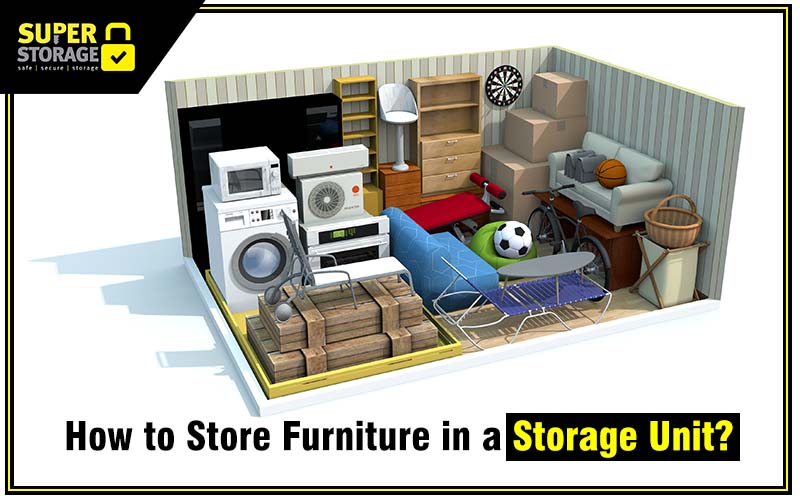
Credit: super-storage.co.uk
Preventing Damage Over Time
Proper storage of furniture requires ongoing care to prevent damage over time. Even in a secure storage unit, furniture can suffer from wear and tear caused by environmental factors. Regular attention helps keep your items in good condition. Taking steps to control pests and humidity will protect your furniture and extend its lifespan.
Regular Inspection
Check your furniture often for signs of damage or wear. Look for scratches, cracks, or discoloration. Catching problems early avoids costly repairs later. Inspect underneath and behind pieces where dust and pests hide. Keep a list of any issues to track changes over time.
Pest Control Measures
Keep pests away by sealing food and trash before entering the unit. Use pest deterrents like traps or natural repellents around your storage space. Avoid storing items directly on the floor to reduce pest access. Regularly inspect for signs of insects or rodents. Acting fast stops infestations before they spread.
Managing Humidity Levels
Humidity causes wood to swell and metal to rust. Use a climate-controlled unit to maintain stable humidity. Place moisture absorbers inside the unit and near furniture. Open the unit occasionally to air it out if allowed. Avoid storing damp or wet furniture as it invites mold and mildew growth.
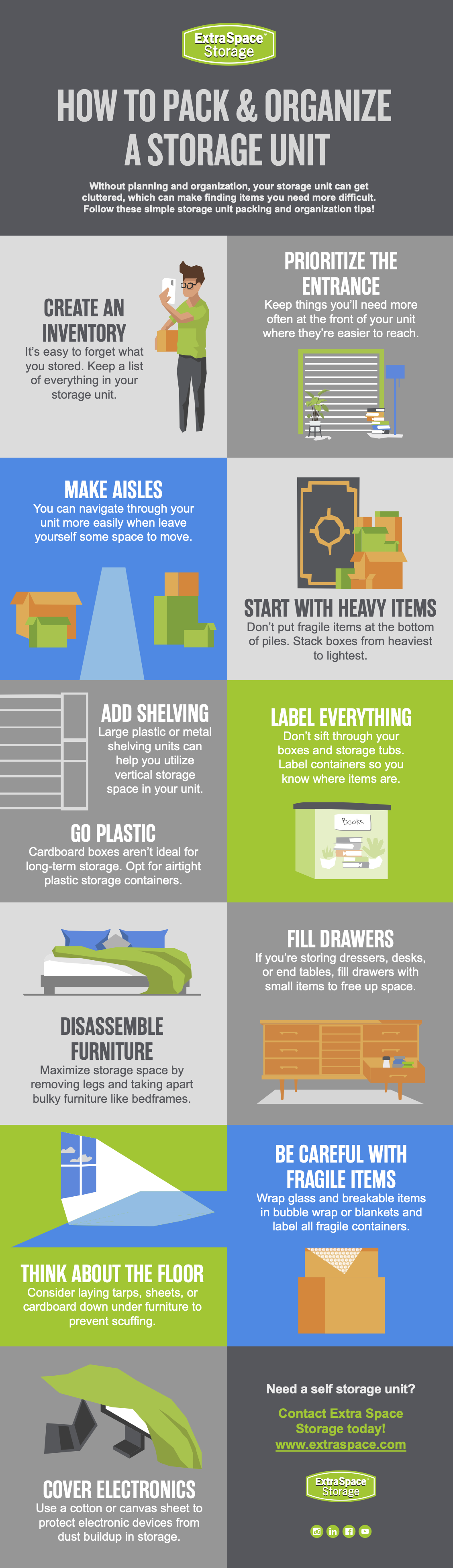
Credit: www.extraspace.com
Frequently Asked Questions
Is It Okay To Store Furniture In A Storage Unit?
Yes, storing furniture in a storage unit is fine. Use a climate-controlled unit, clean and dry furniture, cover with breathable fabric, and elevate items off the floor to prevent damage.
What Is The Best Way To Store Items In A Storage Unit?
Store items clean and dry in a climate-controlled unit. Use pallets to elevate furniture, cover with breathable fabrics, and avoid stacking heavy items on soft ones. Disassemble large pieces and leave space for air circulation to prevent damage and mold.
How To Keep Furniture From Molding In Storage?
Clean and dry furniture thoroughly before storage. Use breathable covers and elevate items off the floor. Choose a climate-controlled unit to prevent mold growth. Ensure proper air circulation by spacing furniture away from walls. Regularly inspect stored items for moisture or mold signs.
What Are The 4 D’s Of Self Storage?
The 4 D’s of self storage are Declutter, Downsize, Donate, and Dispose. They help organize and reduce stored items efficiently.
Conclusion
Properly storing furniture in a storage unit keeps it safe and lasting longer. Clean and dry each piece before storing to avoid mold and damage. Use a climate-controlled unit when possible to protect against temperature and humidity. Elevate furniture off the floor and cover it with breathable fabric for better air flow.
Arrange items carefully to prevent scratches and breaks. Taking these simple steps helps your furniture stay in good condition until you need it again. Safe storage means peace of mind for your valuable belongings.