Your outdoor painted wood furniture adds charm and comfort to your space. But weather can quickly take a toll on it, causing paint to peel and wood to crack.
If you want to keep your furniture looking fresh and lasting longer, you need to protect it the right way. You’ll discover simple, effective steps to shield your painted wood from rain, sun, and cold. Keep reading, and you’ll learn how to save time and money by preserving your favorite pieces year after year.
Choosing The Right Paint
Choosing the right paint is key to protecting outdoor wood furniture. Paint acts as a shield against rain, sun, and cold. It helps wood last longer and keeps furniture looking fresh. Picking the best paint means understanding types, benefits, and colors.
Types Of Outdoor Paints
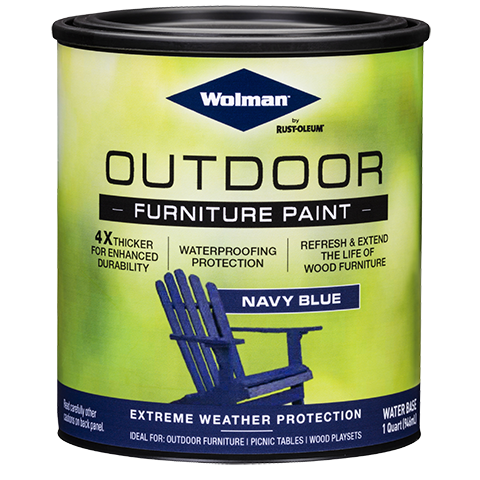
Outdoor paints come in many forms. Latex paint is water-based, easy to clean, and dries fast. Oil-based paint offers strong protection but takes longer to dry. Acrylic paint is flexible and resists cracking. Enamel paint creates a hard, glossy finish. Each type suits different needs and weather conditions.
Benefits Of Weather-resistant Paints
Weather-resistant paints stop moisture from seeping into wood. They reduce peeling and fading caused by sun and rain. These paints also block mold and mildew growth. Using weather-resistant paint lowers maintenance and keeps furniture durable year-round.
Color Selection Tips
Light colors reflect sunlight and keep wood cooler. Dark colors absorb heat and may fade faster. Choose colors that match your outdoor space style. Consider how colors look in different lights. Bright colors can brighten dull areas. Neutral colors offer a classic, calm look.
Credit: www.familyhandyman.com
Preparing Wood Surface
Preparing the wood surface is the first step to protect outdoor painted wood furniture. A clean and smooth surface helps paint stick better. It also makes the paint last longer against rain, sun, and wind.
Take your time to do this well. A well-prepared surface means less peeling and cracking later. It saves you time and money in the long run.
Cleaning And Sanding
Start by cleaning the wood to remove dirt and dust. Use a soft brush or cloth with mild soap and water. Let the wood dry completely before sanding.
Sand the surface gently with fine-grit sandpaper. This removes old paint and smooths rough patches. Sanding helps new paint stick firmly to the wood.
Repairing Damages
Check for cracks, holes, or soft spots in the wood. Fill small holes with wood filler and smooth it out. For large damages, replace the broken parts if possible.
Allow the filler to dry fully. Then, sand the repaired areas to blend with the rest of the wood. This creates a smooth, even surface for painting.
Priming For Better Adhesion
Apply a high-quality primer made for outdoor wood. Primer seals the wood and prevents moisture from entering. It also helps paint stick better and last longer.
Use a brush or roller to cover all surfaces evenly. Let the primer dry completely before applying paint. Proper priming protects your furniture from weather damage.
Applying Protective Coatings
Applying protective coatings is essential to keep outdoor painted wood furniture safe from weather damage. These coatings form a strong barrier against moisture, sunlight, and dirt. They help maintain the wood’s beauty and extend the furniture’s life. Choosing the right protective coating depends on the type of wood and the environment.
Sealants And Varnishes
Sealants and varnishes create a tough layer on wood surfaces. Sealants block water from soaking into the wood. Varnishes add shine and extra protection against scratches. Both prevent paint from peeling and fading. Applying them regularly keeps furniture looking fresh and new. Use a brush or spray for an even coat. Let each layer dry completely before adding another.
Waterproofing Methods
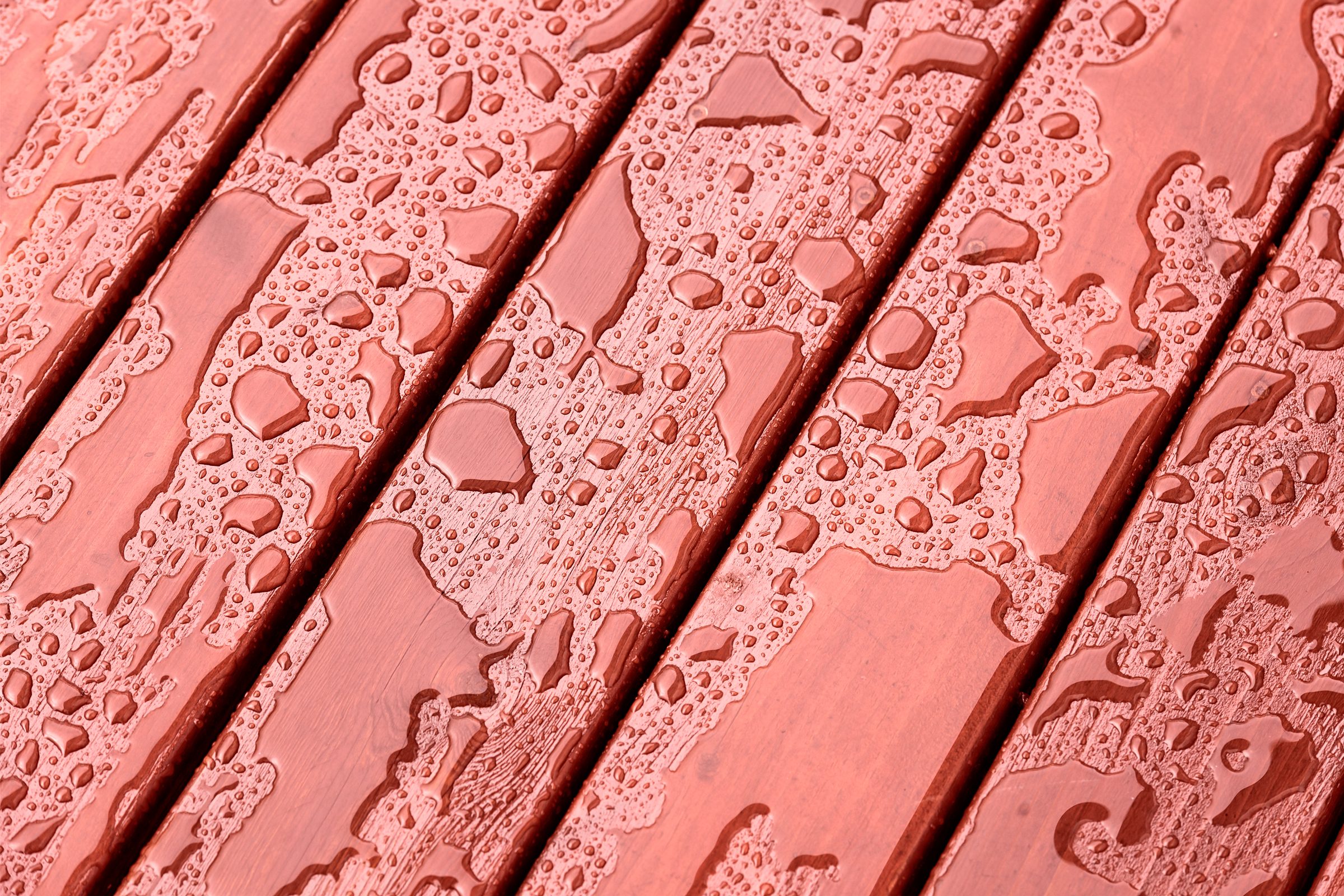
Waterproofing stops water from damaging wood furniture. Products like water-repellent preservatives soak into the wood. They keep moisture out while letting the wood breathe. This prevents swelling and cracking caused by water. Apply waterproofing every year or after heavy rain. Cover all surfaces, including edges and corners. This method works well for outdoor furniture exposed to rain or dew.
Uv Protection Options
UV rays from the sun can fade paint and dry out wood. UV protection coatings block harmful rays and reduce color loss. Some finishes have built-in UV blockers for long-lasting defense. Clear coats with UV protection keep the natural wood color. Reapply these coatings often, especially in sunny areas. UV protection keeps furniture looking vibrant and strong over time.
Credit: www.rustoleum.com
Regular Maintenance Tips
Protecting outdoor painted wood furniture takes regular care. Simple steps help keep paint fresh and wood safe. Small efforts now save big repairs later. Follow these tips to extend your furniture’s life.
Cleaning Painted Furniture
Remove dirt and dust often. Use a soft cloth or a gentle brush. Wash with mild soap and water. Avoid harsh chemicals that strip paint. Rinse well and dry completely. Clean furniture stays bright and lasts longer.
Touch-up Painting
Check paint for chips or cracks. Use matching paint to fix small spots. Apply thin layers for smooth coverage. Let paint dry fully before use. Touch-ups stop water damage and wood rot. Keep extra paint handy for quick fixes.
Inspecting For Damage
Look closely for signs of wear or cracks. Check joints and corners carefully. Look for signs of mold or mildew. Fix problems quickly to avoid bigger damage. Early repair keeps furniture strong and safe.
Seasonal Care Strategies
Seasonal care strategies help keep outdoor painted wood furniture safe and beautiful. Weather changes can cause paint to peel and wood to crack. Protecting your furniture each season extends its life. Follow simple steps for winter, summer, and storage.
Winterizing Outdoor Furniture
Cold weather can harm painted wood. Snow and ice cause moisture to build up. Wipe furniture dry before covering it. Use waterproof covers that fit well. Avoid plastic sheets that trap water. Apply a fresh coat of sealant before winter. This blocks water from entering the wood.
Summer Protection Techniques
Strong sun fades paint and dries out wood. Place furniture in shaded areas if possible. Use UV-resistant paint or varnish. Clean dirt and dust regularly to prevent scratches. Spray water gently to cool the wood. Avoid harsh chemicals that strip paint. Keep the furniture dry after rain.
Storage Solutions
Proper storage stops damage during bad weather. Store furniture in a dry, ventilated space. Avoid damp basements or garages. Use furniture covers to prevent dust and pests. Elevate furniture off the floor to avoid moisture. Remove cushions and store them separately. Check stored furniture monthly for signs of damage.
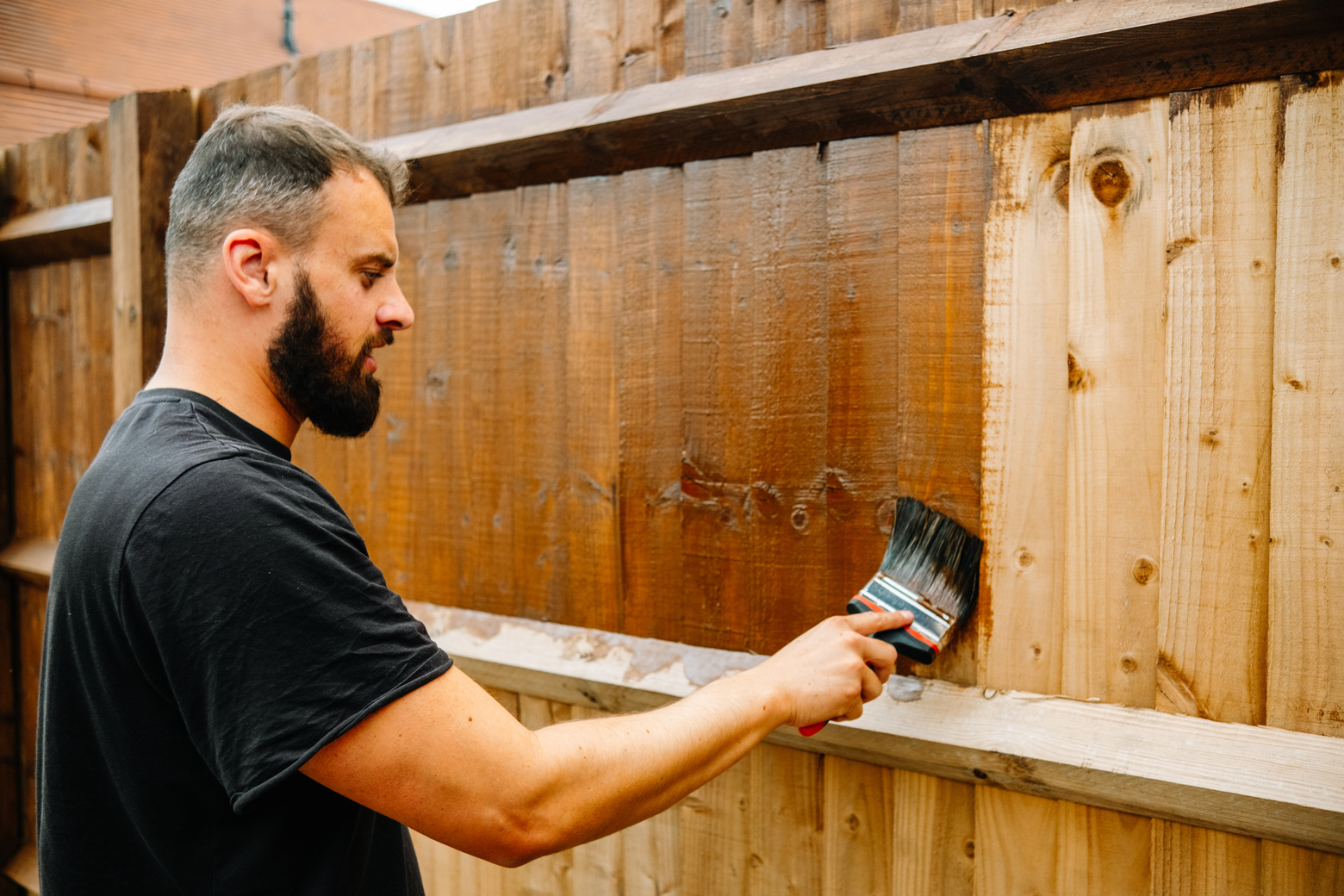
Credit: www.wood-finishes-direct.com
Preventing Common Weather Damage
Outdoor painted wood furniture faces many weather challenges. Rain, sun, and changing temperatures can damage the paint and wood. Preventing common weather damage keeps furniture looking great longer. Simple steps protect wood from moisture, sun, and cold or heat.
Avoiding Moisture Issues
Moisture causes wood to swell and paint to peel. Keep furniture dry by placing it under a cover or roof. Use waterproof sealant on painted surfaces to block water. Clean furniture regularly to remove dirt and mildew. Avoid letting water sit on the wood for long periods.
Handling Sun Exposure
Sunlight fades paint and dries out wood. Move furniture into shade during strong sunlight. Use UV-resistant paint or finish to protect surfaces. Cover furniture with a light cloth when not in use. This slows color fading and prevents cracks.
Dealing With Temperature Fluctuations
Wood expands and contracts with temperature changes. This can cause paint to crack and chip. Keep furniture in a stable environment if possible. Use flexible, weather-resistant paint to handle movement. Inspect furniture often to fix small cracks early.
Diy Vs Professional Help
Deciding between doing it yourself and hiring a professional can be tricky. Protecting outdoor painted wood furniture needs care and skill. Some tasks are easy to handle at home. Others need an expert’s touch to avoid damage or extra costs.
When To Call A Professional
Choose a professional if the furniture has deep cracks or old paint. Experts can spot hidden damage and fix it well. They use special tools and products for long-lasting results. Large or antique pieces also need skilled care. Professionals save time and prevent costly mistakes.
Cost Considerations
DIY costs less upfront since you pay only for supplies. Professionals charge for labor and expertise. Weigh the price against the risk of poor work. Sometimes, fixing bad DIY work costs more. Think about your budget and how much time you have. Small projects suit DIY. Bigger jobs often need pros.
Tools And Materials Needed
DIY requires sandpaper, brushes, paint, primer, and sealant. You may need a scraper and cleaning supplies too. Choose weather-resistant paint made for outdoor wood. Professionals have advanced tools like sprayers and heat guns. They use commercial-grade primers and sealants. Quality materials make a big difference in protection.
Frequently Asked Questions
How Often Should I Repaint Outdoor Wood Furniture?
Repainting outdoor wood furniture is recommended every 2-3 years. This prevents paint from peeling and protects wood from moisture and UV damage. Regular inspection helps identify when repainting is necessary to maintain durability and appearance.
What Weather Conditions Damage Painted Wood Furniture?
Rain, snow, and intense sunlight cause the most damage. Moisture leads to wood swelling and paint peeling. UV rays fade colors and weaken paint. Protect furniture with sealants and covers to extend its life.
Can I Use Any Paint For Outdoor Wood Furniture?
No, use paint specifically designed for outdoor wood. Exterior paint resists moisture, UV rays, and temperature changes. It ensures better adhesion and longer-lasting protection compared to indoor paint.
How Do Sealants Protect Painted Wood Furniture?
Sealants create a waterproof barrier on the painted surface. They prevent moisture from seeping into wood and stop paint from cracking. Applying sealants annually boosts weather resistance and extends furniture life.
Conclusion
Protecting outdoor painted wood furniture takes regular care and simple steps. Clean the furniture often to remove dirt and dust. Apply a good sealant or weatherproof paint to keep moisture out. Cover or move the furniture during heavy rain or snow.
Small cracks or chips need quick repairs to stop damage. These easy habits help your furniture last longer. Enjoy your outdoor space without worry. Keep your wood furniture safe and beautiful all year round.