
If you’ve ever stored wooden furniture only to find it cracked, warped, or damaged later, you know how frustrating temperature changes can be. Your beautiful pieces deserve better care.
Protecting wooden furniture from temperature swings during storage isn’t complicated—you just need the right steps. You’ll discover simple, effective ways to shield your furniture from heat, cold, and moisture. By following these tips, you’ll keep your wood looking great and ready to use whenever you need it.
Keep reading to learn how to safeguard your investment and avoid costly repairs down the road.

Credit: www.storagestar.com
Prepare Furniture Before Storage
Preparing wooden furniture before storage is crucial to protect it from temperature changes. Proper preparation helps prevent damage like warping, cracking, or mold growth. Taking a few simple steps ensures your furniture stays in good condition during storage.
Clean And Dry Thoroughly
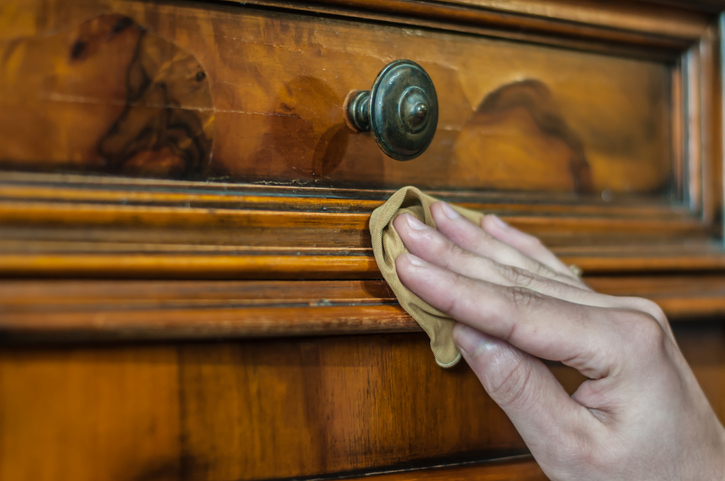
Remove all dust, dirt, and stains from your furniture. Use a soft cloth and gentle cleaner suited for wood. Make sure to dry every surface completely. Moisture left on wood causes swelling and mold in storage.
Disassemble Large Pieces
Take apart big furniture like tables, beds, or shelves. Disassembly saves space and lowers the risk of damage. Store screws and small parts in labeled bags to avoid losing them. Handle each piece carefully to avoid scratches or dents.
Remove Cushions And Fabrics
Take off cushions, pillows, and any fabric covers. Clean and dry these items separately to prevent mildew. Store fabrics in breathable bags to allow air circulation. This keeps both wood and fabrics safe from moisture and pests.
Credit: usafamilymoving.com
Choose Proper Wrapping Materials
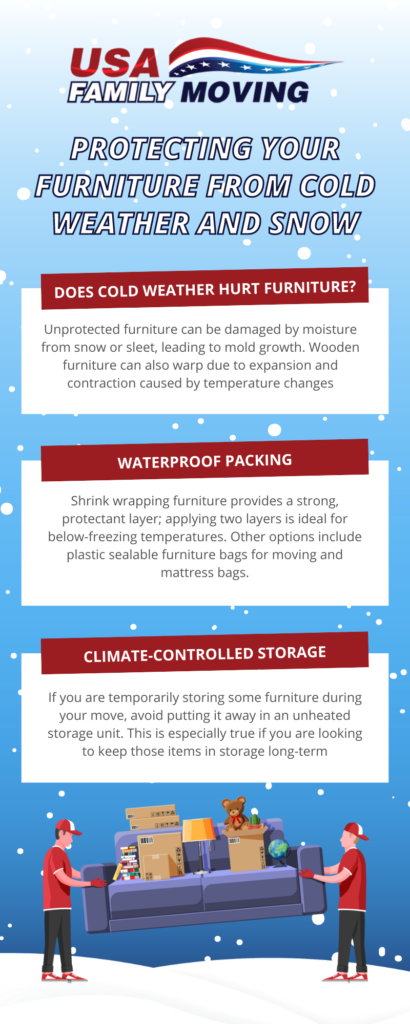
Choosing the right wrapping materials is key to protecting wooden furniture from temperature changes during storage. Proper wrapping helps control moisture and prevents damage like warping or cracking. Using the best materials keeps your furniture safe and in good condition for longer periods.
Use Breathable Covers
Breathable covers like cotton sheets or canvas allow air to flow around the furniture. This helps prevent moisture buildup that can cause mold and mildew. Avoid materials that trap humidity and heat, as they harm the wood over time.
Avoid Tight Plastic Wrapping
Tightly wrapping furniture in plastic can trap moisture and cause damage. Plastic does not let air pass through, which increases the risk of wood swelling or cracking. Use plastic carefully and avoid sealing it too tightly around your items.
Layer Plastic For Extra Protection
When extra protection is needed, use layers of plastic loosely. This method blocks dust and dirt but still allows some air to circulate. Layering reduces direct contact with moisture while protecting from external elements.
Protect Vulnerable Spots
Focus on corners, joints, and carved details. These areas are more likely to suffer damage from temperature changes. Add extra padding or soft cloth to shield these vulnerable spots from bumps and moisture.
Shield Glass Surfaces
Glass parts need special care. Wrap glass separately with bubble wrap or thick blankets. This prevents cracks and scratches during storage. Secure the wrapping with tape without sticking it directly to the glass.
Select Ideal Storage Environment
Choosing the right storage environment plays a crucial role in protecting wooden furniture from temperature changes. Wood reacts to heat and moisture, which can cause damage like warping or cracking. Selecting an ideal storage space helps keep your furniture safe and in good condition.
Opt For Climate-controlled Units
Climate-controlled units keep temperature and humidity steady. This prevents wood from expanding or shrinking. Such units offer the best protection against extreme weather. They reduce the risk of mold and mildew growth on your furniture.
Avoid Unheated Garages
Unheated garages expose wood to wide temperature swings. Cold winters and hot summers harm wooden furniture. Moisture can also build up, leading to damage. Avoid these spaces to keep your furniture safe and dry.
Maintain Moderate Temperature And Humidity
Wood thrives in moderate temperature and humidity levels. Aim for temperatures between 60-75°F (15-24°C). Keep humidity around 40-50% to prevent drying or swelling. Use a dehumidifier or humidifier if needed to balance conditions.
Credit: www.sparefoot.com
Arrange Furniture In Storage
Arranging wooden furniture properly in storage helps protect it from temperature changes. A smart layout reduces stress on the wood and keeps items safe. Good organization also improves airflow and prevents damage.
Keep Items Off The Floor
Place wooden furniture on pallets or blocks to keep it off cold floors. This prevents moisture from seeping into the wood. Avoid direct contact with concrete or damp surfaces. Elevating items helps air circulate underneath, reducing the risk of mold and warping.
Place Heavy Items At The Bottom
Put heavier pieces on the floor or lower shelves. This stops lighter furniture from being crushed or scratched. Stacking heavy items on top can cause pressure and damage wood joints. Distribute weight evenly to maintain the structure and shape of each piece.
Organize For Easy Access
Arrange furniture so you can reach each item without moving others. Avoid tight stacking that causes bumps or scratches. Easy access reduces handling and lowers the chance of damage. Label boxes and cover furniture with breathable cloths to protect from dust and temperature shifts.
Monitor And Maintain Storage Conditions
Maintaining the right storage conditions helps protect wooden furniture from damage caused by temperature changes. Constant monitoring prevents moisture buildup and keeps wood stable. Controlled environments reduce risks of warping and cracking. Proper care during storage preserves the furniture’s beauty and extends its life.
Check For Moisture And Mold
Moisture causes wood to swell and warp. Mold grows in damp places and damages wood fibers. Regularly check the storage area for signs of water leaks or damp spots. Look under and around furniture for mold patches or musty smells. Early detection helps stop further damage quickly.
Use Desiccants Or Dehumidifiers
Desiccants absorb excess moisture in the air. Place silica gel packets or moisture absorbers near wooden items. Dehumidifiers lower humidity levels in the storage space. Keep humidity between 35% and 55% to protect wood from expanding or cracking. Both tools help maintain a dry and safe environment.
Inspect Furniture Periodically
Check furniture every few weeks during storage. Look for cracks, loose joints, or surface changes. Clean dust or dirt gently to avoid scratches. Early inspections catch problems before they worsen. This simple habit ensures wood stays in good shape despite temperature shifts.
Frequently Asked Questions
How To Protect Furniture In Non-climate Controlled Storage?
Clean and dry furniture thoroughly before storage. Disassemble large pieces and remove cushions. Cover with breathable materials like blankets or sheets. Avoid tight plastic wraps to prevent moisture buildup. Pad edges and protect glass surfaces with cardboard. Store in a dry, well-ventilated area to reduce damage risks.
Can You Store Wood Furniture In An Unheated Garage?
Storing wood furniture in an unheated garage risks damage from temperature fluctuations and humidity. Use breathable covers, avoid plastic wrap, and ensure dryness to prevent warping and mold. Climate-controlled storage remains the safest option for preserving wood furniture quality.
How To Protect Furniture While In Storage?
Clean and dry furniture before storage. Disassemble large pieces and label hardware. Cover with breathable fabrics like sheets or blankets. Avoid tight plastic wraps to prevent moisture buildup. Use bubble wrap or padding on edges, and store in climate-controlled units to prevent damage from temperature changes.
How To Prevent Mold On Furniture In Storage?
Clean and dry furniture thoroughly before storage. Use breathable covers like sheets or blankets to protect from dust. Avoid tight plastic wrap to prevent trapped moisture. Store in climate-controlled units if possible. Remove cushions to allow airflow and reduce mold risk.
Keep storage area dry and ventilated.
Conclusion
Protecting wooden furniture from temperature changes takes simple, careful steps. Clean and dry each piece before storage. Use breathable covers like sheets or blankets to prevent dust and moisture buildup. Choose a storage space with stable temperatures when possible. Avoid plastic wraps that trap moisture and cause damage.
Disassemble large items to save space and reduce stress on joints. Regular checks help catch any issues early. These easy habits keep your wooden furniture safe, strong, and looking good for years. Good care pays off in long-lasting beauty and function.