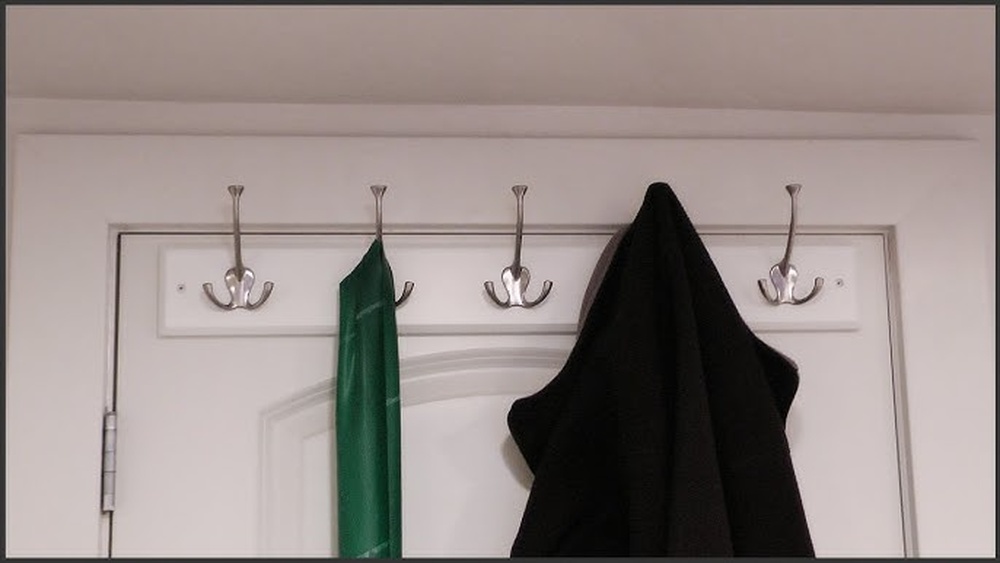
Looking for a smart way to add extra storage without taking up floor space? Putting a coat rack on your door might be the perfect solution.
Imagine having your jackets, hats, and bags all neatly organized and within easy reach the moment you walk in. You’ll save space, reduce clutter, and keep your home looking tidy. In this guide, you’ll discover simple, step-by-step tips to install a coat rack on your door quickly and securely—even if you’ve never done it before.
Ready to transform your entryway? Let’s get started!
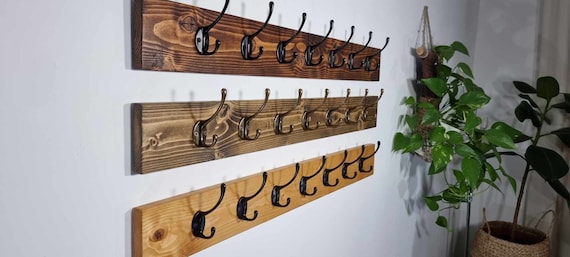
Credit: www.etsy.com
Choose The Right Coat Rack
Choosing the right coat rack for your door is important. It helps keep your space tidy and your coats easy to reach. The right rack fits well, looks good, and holds your items safely. This guide explains key points to consider before buying.
Types Of Door Coat Racks
There are several types of door coat racks. Over-the-door racks hang on top without nails or screws. Hooks attach with adhesive or suction cups. Some racks combine hooks and shelves for extra storage. Pick a type that fits your door and needs.
Materials And Durability
Coat racks come in different materials. Metal racks are strong and last long. Wood racks look warm and classic. Plastic racks are light and easy to move. Choose a material that suits your style and use. Durable materials hold up better over time.
Weight Capacity Considerations
Check how much weight the rack can hold. Some racks support only light items like scarves or hats. Others hold heavy coats and bags. Consider what you will hang. Pick a rack that can carry your heaviest items safely.
Measure Your Door
Measuring your door is the first step to hang a coat rack properly. Precise measurements ensure the rack fits well and works safely. Take time to check every detail before buying or installing your rack.
Check Door Thickness
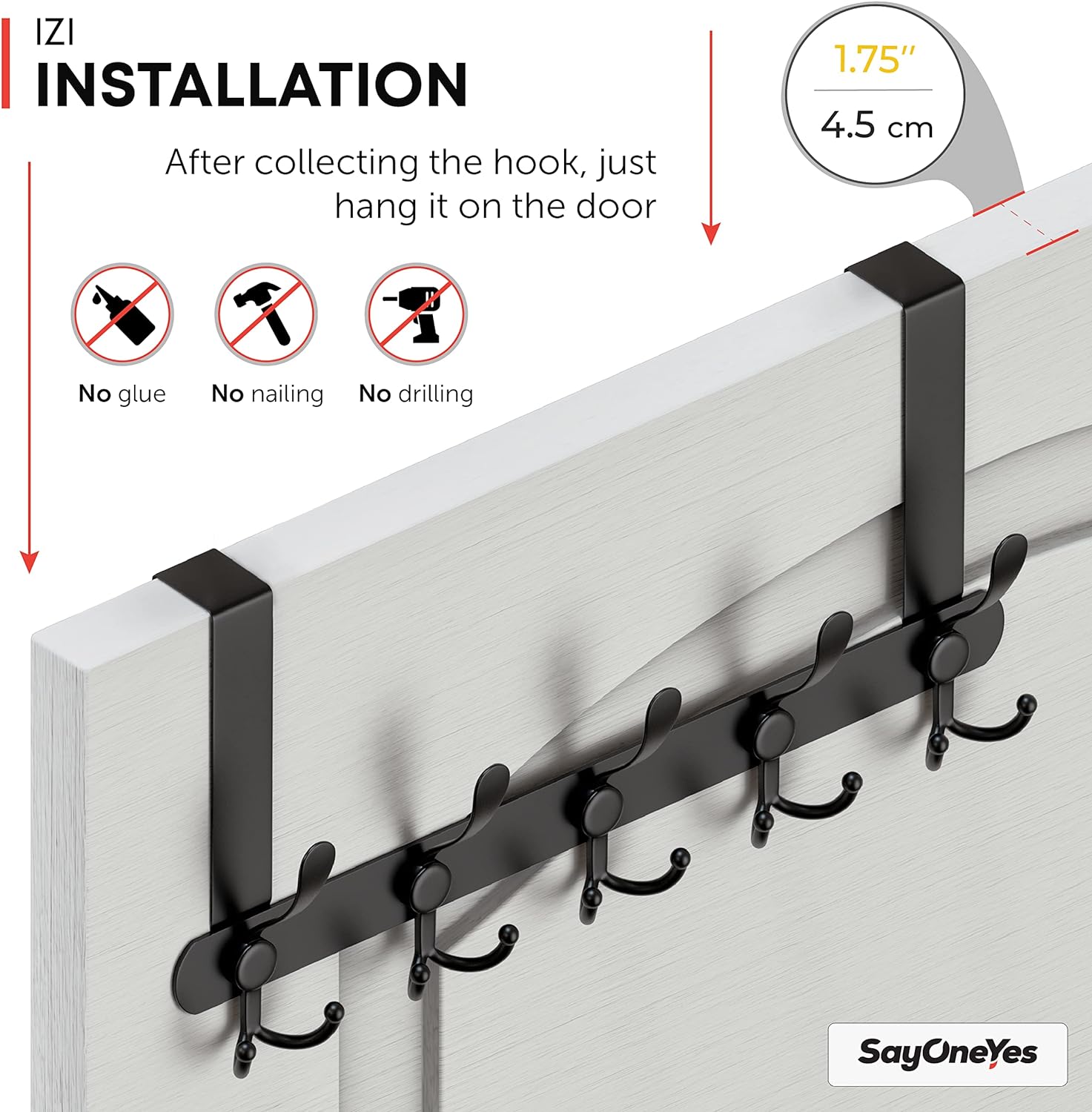
Start by measuring the door thickness. Use a ruler or tape measure. Most door racks fit doors between 1.3 and 1.8 inches thick. If your door is thinner or thicker, find a rack that suits it. This step prevents damage and ensures a firm hold.
Determine Rack Size
Next, decide the size of your coat rack. Measure the door width and height for available space. Choose a rack that fits without covering important parts like locks or handles. A well-sized rack looks neat and works better.
Account For Door Clearance
Finally, check door clearance. Measure the space between the door and the wall or any nearby objects. Make sure the rack won’t block door movement or hit walls. Leave enough room for the door to open and close smoothly.
Gather Necessary Tools
Gathering the right tools makes hanging a coat rack on a door easier. It saves time and prevents damage to the door. Having everything ready helps you work smoothly and safely.
Basic Tools Needed
You need a screwdriver to tighten screws. A drill helps make holes for screws faster and cleaner. A tape measure ensures correct placement on the door. A pencil marks where to drill. A level keeps the rack straight.
Optional Accessories
Soft pads protect the door from scratches. Wall anchors add extra support if the door is thin. A stud finder checks for solid wood behind the door surface. Gloves protect your hands during work. A small step stool helps reach the top of taller doors.
Prepare The Door Surface
Preparing the door surface is a key step before putting up a coat rack. A clean and smooth door helps the rack stick well. It also protects your door from damage. Take your time to prepare the door right.
Clean And Dry The Door
Start by wiping the door with a damp cloth. Remove dust, dirt, and grease. Dirt can stop the rack from sticking properly. Let the door dry completely. A wet door can cause the rack to fall off. Use a dry cloth to speed up drying if needed.
Protect Door Finish
Protect the door’s paint or wood finish before mounting the rack. Apply a thin layer of painter’s tape where the rack will sit. This stops scratches or marks. Use soft pads on hooks or racks that touch the door. These small steps keep your door looking good for years.
Install The Coat Rack
Installing a coat rack on a door can save space and keep your area tidy. This step focuses on fixing the coat rack securely. The method depends on the type of rack and door.
Choose a way that fits your door and rack design. Follow these clear steps for a strong hold.
Hanging Without Drilling
Some coat racks come with hooks that hang over the door. This method needs no tools or damage. Simply place the hooks on top of the door. Make sure the rack hangs straight and does not block the door from closing. Check the weight limit of the rack before use.
Using Screws For Secure Fit
For a more stable setup, use screws to attach the rack. Mark the spots on the door where screws go. Use a drill to make small holes. Screw the rack into place carefully. Tighten screws until the rack feels firm. This method works best for heavy racks or frequent use.
Adjusting For Stability
After installation, test the rack by hanging coats. If it wobbles, tighten screws or adjust hooks. Add rubber pads behind the rack to reduce slipping. Make sure the door opens and closes smoothly. A stable rack keeps your coats safe and your door unharmed.
Maximize Coat Rack Use
Maximizing the use of a coat rack on a door helps keep your space neat. A well-organized rack saves time and reduces clutter. Small changes can make a big difference in how much you can store.
Organizing Coats And Accessories
Group coats by type and season. Hang heavier coats on strong hooks. Use lighter hooks for scarves and hats. Keep daily items within easy reach. This way, you find what you need fast.
Adding Hooks Or Baskets
Extra hooks increase hanging space without extra room. Attach small baskets for gloves or keys. Baskets keep small items from getting lost. Make sure hooks and baskets are secure on the door.
Maintaining The Rack
Check the rack regularly for loose hooks. Tighten screws to keep it safe and stable. Clean the rack to avoid dust buildup. Remove unused items to keep space free. Proper care extends the rack’s life.
Troubleshooting Tips
Putting a coat rack on a door is simple but can have small problems. This section helps fix common issues fast. These tips make sure your coat rack stays strong and your door stays safe. Read on for easy solutions.
Fixing Loose Racks
Loose racks wobble and feel unsafe. Tighten all screws first. Use a screwdriver to make them snug. If hooks still move, add small rubber pads between rack and door. This stops slipping. Check the rack often to avoid bigger problems.
Preventing Door Damage
Coat racks can scratch or dent doors. Place soft felt pads where the rack touches the door. These pads protect the paint and wood. Avoid heavy racks on thin doors. Pick lightweight racks to keep the door strong. Always open and close the door gently.
Handling Heavy Loads
Heavy coats can pull racks down. Use racks with strong hooks and metal parts. Spread the weight by hanging coats evenly. Do not overload one hook. Consider racks with extra support bars. This helps hold heavy items safely.
Credit: darmizananak.com

Credit: www.amazon.com
Frequently Asked Questions
What Tools Do I Need To Hang A Coat Rack On A Door?
You need a screwdriver, measuring tape, pencil, and a drill if required. These tools help ensure accurate placement and secure mounting.
Can I Install A Coat Rack Without Drilling Holes?
Yes, you can use over-the-door hooks or adhesive strips. These options avoid damage and are easy to remove or reposition.
How Much Weight Can A Door-mounted Coat Rack Hold?
Weight capacity depends on the rack type and door strength. Typically, it holds 10-20 pounds safely without damage.
Will A Coat Rack Damage My Door?
Proper installation minimizes damage. Using over-the-door racks or adhesive hooks reduces risk of holes or scratches on your door.
Conclusion
Adding a coat rack on a door saves space and keeps things neat. It’s quick to do with just a few tools. Choose a sturdy rack and fit it carefully. Make sure the door still opens easily after installation. This small change can make your room more organized and tidy.
Try it today and enjoy the extra storage. Simple steps, big difference.
