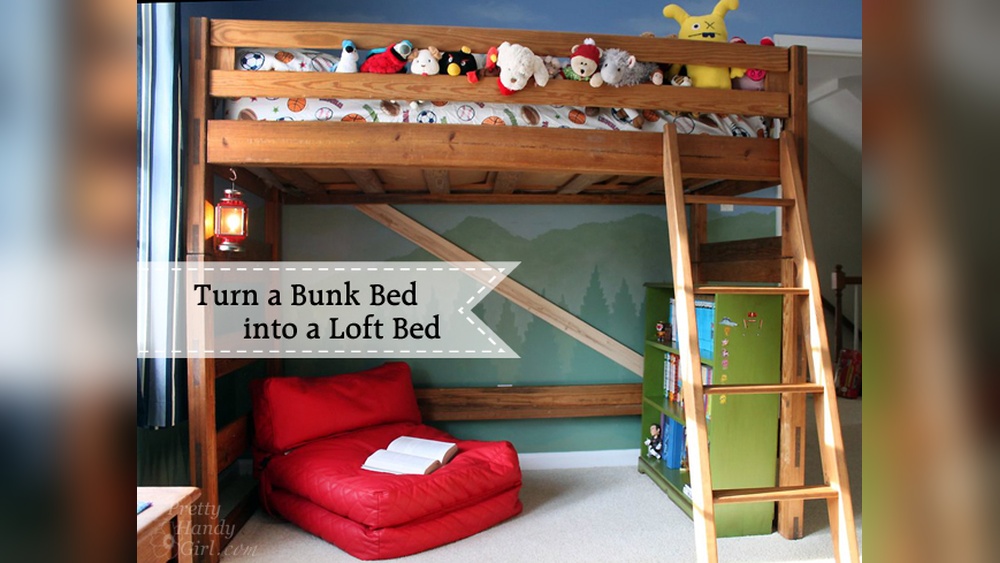
Are you ready to create a space that’s both fun and functional? Putting together a bunk bed with a futon might sound tricky, but with the right steps, you can do it quickly and safely.
Imagine having a cozy spot for sleeping and a comfy place to lounge or hang out—all in one piece of furniture. In this guide, you’ll find simple, clear instructions that make the process easy to follow. By the end, you’ll have a sturdy bunk bed with a futon that fits perfectly in your room and suits your lifestyle.
Let’s get started and transform your space today!
Credit: www.youtube.com
Choosing The Right Bunk Bed Futon
Choosing the right bunk bed futon is key for comfort and function. This piece serves as both a bed and a sofa, so it must fit your space well. Picking the right one ensures it meets your needs and lasts long.
Materials And Frame Types
Metal frames are strong and last a long time. They often have a modern look and resist damage well. Wood frames bring warmth and style. They may require more care but fit many decors. Check the finish to avoid splinters or rust. Some frames mix wood and metal for balance.
Size And Space Considerations
Measure your room before choosing a bunk bed futon. Standard twin sizes work well in small spaces. Full or larger sizes offer more comfort but need more space. Consider ceiling height to avoid bumps. Think about how much floor space you want free.
Weight Limits And Safety Features
Each bunk bed futon has a weight limit. Follow it closely to prevent accidents. Look for safety rails on the top bunk. A sturdy ladder is important for easy access. Check if the futon mattress fits securely and does not slide.
Tools And Materials Needed
Gathering the right tools and materials is important before building a bunk bed with a futon. Having everything ready helps the assembly go smoothly. It saves time and prevents frustration. This section lists what you need to get started.
Essential Tools List
- Screwdriver (Phillips and flathead)
- Allen wrench (usually included with the bed kit)
- Hammer or rubber mallet
- Measuring tape
- Power drill with drill bits
- Level
- Wrench or pliers
Additional Supplies
- Wood glue (for extra strength)
- Extra screws and bolts
- Protective gloves
- Safety glasses
- Soft cloth or pads to protect the floor
Preparing Your Workspace
Choose a clean, spacious area to work in. Make sure there is enough light and room to move around.
Lay down a soft cloth or blanket to avoid scratches on the bed parts. Keep all tools and materials close by. Organize the parts according to the instructions. Double-check that nothing is missing before starting.
Preparing The Components
Preparing the components is the first step to build your bunk bed with futon. It sets a smooth path for the assembly process. Taking time to prepare helps avoid confusion and mistakes. It saves time and effort later.
Start by gathering all parts and tools in one place. Clear a space where you can work comfortably. Lay everything out to see what you have. This makes the next steps easier and faster.
Unpacking And Organizing Parts
Open the boxes carefully to avoid damaging parts. Place all pieces on a clean surface. Group similar parts together, such as screws, bolts, and wooden panels. Use small containers for tiny items to keep them safe. This order helps you find parts quickly during assembly.
Checking For Missing Pieces
Check every part against the parts list. Make sure nothing is missing or damaged. Missing pieces can stop your work or cause problems later. If you find a problem, contact the seller before starting assembly. Fixing issues early saves time and frustration.
Reading The Instruction Manual
Read the instruction manual carefully before you start. Understand the steps and the order of assembly. Look at the pictures to see how parts fit together. Keep the manual nearby for quick reference. Knowing the plan helps you work faster and avoid errors.
Assembling The Bottom Futon Frame
Assembling the bottom futon frame is a key step when building a bunk bed with a futon. This part holds the mattress and provides a strong base. It needs to be sturdy and well-built for safety and comfort.
Start by organizing all the pieces and hardware. Follow the instructions carefully to avoid mistakes. Taking your time here will make the next steps easier and faster.
Attaching The Side Rails
Begin by placing the side rails on a flat surface. Align them with the holes on the headboard and footboard. Use screws or bolts to fasten the rails tightly. Check that the rails are straight and secure. Loose rails can cause instability later.
Fixing The Support Slats
Next, lay the support slats evenly across the frame. These slats hold the futon mattress firmly. Attach each slat with screws or nails to the side rails. Make sure the slats do not move or wobble. Proper spacing helps the mattress last longer.
Securing The Frame Joints
Finally, check all frame joints for tightness. Use brackets or corner braces if your kit includes them. Tighten all screws and bolts firmly. Strong joints prevent the frame from shaking or collapsing. Double-check every connection before moving on.
Building The Upper Bunk Bed
Building the upper bunk bed is an important step in assembling your bunk bed with a futon. This part needs care and precision to ensure safety and stability. Follow each step carefully for a strong and secure upper bunk.
Connecting The Bed Rails
Start by attaching the bed rails to the headboard and footboard. Align the rails with the pre-drilled holes on the frames. Use the bolts and screws provided in the kit. Tighten them firmly but avoid over-tightening. Check that the rails are level and secure before moving on.
Installing The Safety Rails
Safety rails prevent falls from the upper bunk. Position the safety rails along the sides of the bed. Attach them using the screws included in the package. Make sure the rails are high enough to provide protection. Double-check the screws to ensure they are tight and stable.
Positioning The Ladder
The ladder allows easy access to the upper bunk. Decide which side suits your room best. Align the ladder with the bed frame and secure it with screws. Confirm the ladder is steady and firmly attached. Test it carefully before use to avoid accidents.
Combining The Futon And Bunk Bed
Combining a futon with a bunk bed creates a versatile and space-saving furniture piece. This setup offers both a comfortable seating area and a sleeping space. It suits small rooms and shared spaces well. Proper assembly ensures safety and durability.
Aligning The Structures
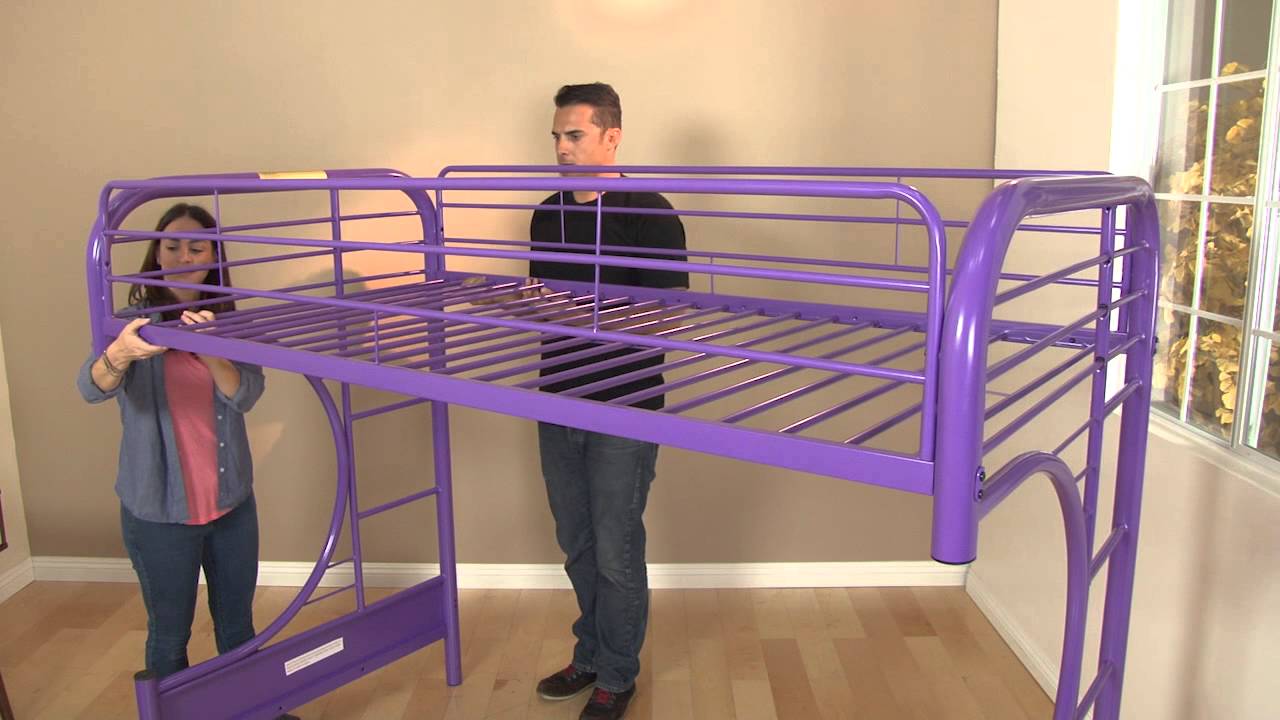
Start by placing the bunk bed frame on a flat surface. Position the futon frame directly beneath the bunk bed. Make sure both frames line up evenly at the corners. Check that the futon’s backrest can fold without obstruction. Clear any items that block the frames from fitting together.
Securing The Connection
Use the provided bolts and screws to attach the futon to the bunk bed. Insert fasteners through the matching holes on both frames. Tighten each bolt with a wrench or screwdriver. Avoid overtightening to prevent damage to the wood or metal. Double-check every connection point to ensure they are secure.
Testing Stability
After assembly, push gently on both the bunk bed and futon. Watch for any shaking or wobbling. Sit on the futon and shift your weight carefully. Climb up the bunk bed ladder slowly to test strength. If you notice movement, tighten fasteners again. Stability is key for safety and comfort.
Final Adjustments And Safety Checks
After assembling your bunk bed with a futon, final adjustments and safety checks are crucial. These steps help make sure the bed is stable and safe for daily use. Taking time to review every part can prevent accidents and extend the bed’s life.
Tightening All Screws And Bolts
Go through every screw and bolt on the bed frame. Use the correct tools to tighten them firmly. Loose parts can cause wobbling or collapse. Check again after tightening because some screws may need a second turn.
Ensuring Ladder Safety
Check the ladder’s position and attachment points carefully. Make sure it is fixed tightly to the bed frame. The steps should be even and free from sharp edges. Test the ladder by climbing slowly and carefully to confirm stability.
Verifying Weight Capacity
Review the manufacturer’s weight limits for both the bunk and futon. Do not exceed these limits to avoid damage. Remind users about these limits for safe use. Weight capacity is key to keeping the bed strong and secure.

Credit: www.yumpu.com
Maintaining Your Bunk Bed Futon
Maintaining your bunk bed futon keeps it safe and comfortable for years. Regular care helps prevent damage and extends the furniture’s life. Small tasks done often can save you from big repairs later. Follow these simple steps to keep your bunk bed futon in great shape.
Regular Cleaning Tips
Dust the frame weekly to stop buildup. Use a soft cloth for wooden or metal parts. Vacuum the futon mattress to remove dust and crumbs. Spot clean stains quickly with mild soap and water. Let the mattress air out to avoid bad smells. Avoid harsh chemicals that can damage fabric and finish.
Inspecting For Wear And Tear
Check all bolts and screws monthly. Tighten any loose parts to keep the bed sturdy. Look for cracks or bends in the frame. Watch for worn fabric or broken mattress springs. Make sure the guardrails are secure. Check the ladder steps for stability and safety.
When To Replace Parts
Replace mattress if it feels too soft or lumpy. Change worn or torn mattress covers to keep it clean. Swap out bent or broken frame pieces immediately. Replace loose or missing screws for safety. Upgrade the ladder if it becomes unstable. Don’t wait to fix small problems; act fast.

Credit: www.youtube.com
Frequently Asked Questions
How Long Does It Take To Assemble A Bunk Bed With Futon?
Assembling a bunk bed with futon typically takes 2 to 4 hours. Time depends on your experience and tools available. Carefully follow the instructions to ensure safety and stability. Having a helper speeds up the process and makes it easier.
What Tools Are Needed To Put Together A Bunk Bed With Futon?
You will need a screwdriver, Allen wrench, and possibly a drill. Some bunk beds include the required tools in the package. Check the instruction manual for specific tool requirements before starting assembly.
Are Bunk Beds With Futons Safe For Children?
Yes, bunk beds with futons are safe if properly assembled and used. Always follow manufacturer guidelines, use guardrails on the top bunk, and avoid exceeding weight limits. Supervise young children to prevent falls and injuries.
Can I Convert A Futon Bunk Bed Into Separate Pieces?
Many futon bunk beds are designed to convert into separate beds or sofas. Check your model’s manual to confirm if it supports this feature. This versatility allows for flexible room arrangements and extended use.
Conclusion
Building a bunk bed with a futon takes patience and care. Follow each step slowly and check your work. Use the right tools and keep all parts close. Safety matters most—tighten screws and test stability. A well-made bunk bed saves space and offers comfort.
Enjoy your new furniture and the room it creates. Simple steps lead to a strong and cozy setup. Keep this guide handy for future assembly needs.