
Do you have outdoor vintage iron furniture that’s lost its charm over time? You’re not alone.
Weather and wear can make these beautiful pieces look tired and dull. But here’s the good news: you can bring them back to life with a few simple steps. Imagine your garden or patio glowing with that classic, timeless look again.
In this guide, you’ll discover easy and effective ways to redo your vintage iron furniture, making it both stunning and sturdy. Ready to transform your outdoor space? Let’s get started!
Assessing Vintage Iron Furniture
Assessing vintage iron furniture is the first step in redoing it. This step helps you understand what needs fixing and what can stay. Careful checking saves time and effort later.
Old iron furniture may look strong but often hides problems. A close look reveals its true condition. Knowing the details guides your restoration plan well.
Identifying Damage And Rust
Start by looking for any visible damage. Check for cracks, dents, or bent parts. Rust is common on iron furniture outside. Look for reddish-brown spots or flaky metal. Rust weakens the metal and spreads if not treated.
Use a wire brush to scrape small rust areas. This shows how deep the rust goes. Deep rust might need special repair or replacement parts.
Checking Structural Integrity
Test if the furniture is still strong. Press on different parts to see if they move or bend. Loose joints or wobbly legs mean weak spots. These need tightening or welding. Strong structure is important for safety and use.
Look under tables and chairs for hidden damage. Some cracks or rust may be hard to see but affect strength.
Determining Original Finish
Figuring out the original finish helps keep the vintage look. Check the color and texture of paint or coating. Old finishes may be faded or chipped. Use a small scraper or sandpaper to reveal layers.
Knowing the finish type guides your paint or sealant choice. Some finishes need special primers or paints to stick well.
Gathering Restoration Tools And Materials
Gathering the right tools and materials is the first step to restore outdoor vintage iron furniture. The right supplies make the job easier and give better results. Prepare everything before starting. This saves time and avoids interruptions.
Focus on cleaning, rust removal, and painting supplies. Each part plays a key role in the restoration process. Good preparation leads to a smooth and successful project.
Essential Cleaning Supplies
Start with basic cleaning tools. Use a stiff brush to remove dirt and loose paint. Soap and water help clean the surface well. Rags or sponges are useful for wiping. Gloves protect your hands during cleaning. A bucket holds your cleaning solution.
Rust Removal Products
Rust is common on vintage iron furniture. Use wire brushes or steel wool to scrape off surface rust. Sandpaper smooths rough spots. For deep rust, apply rust remover chemicals. These products dissolve rust safely. Follow the instructions on the label carefully. Wear gloves and work in a ventilated area.
Painting And Sealing Materials
Choose a rust-resistant primer to prepare the metal. This helps paint stick better and lasts longer. Pick paint made for outdoor metal surfaces. Spray paint or brush-on paint works well. Finish with a clear sealant to protect the paint. Sealants guard against weather and wear. Use a clean brush or spray for even coverage.
Preparing The Furniture For Restoration
Preparing vintage outdoor iron furniture for restoration is a crucial step. Proper preparation ensures the final finish lasts longer and looks great. This process involves cleaning, rust removal, and smoothing the surfaces. Taking time now saves effort later and improves the furniture’s appearance.
Cleaning And Degreasing
Start by removing dirt and grease from the furniture. Use warm water mixed with mild soap. Scrub gently with a soft brush or sponge. Rinse well and let the furniture dry completely. This step removes grime that blocks paint and rust removal products.
Removing Rust And Old Paint
Rust weakens iron and must be fully removed. Use a wire brush or steel wool to scrub off rust spots. For stubborn rust, apply a rust remover product. Let it sit as directed, then wipe clean. Strip off old paint using a paint stripper or sandpaper. Removing loose paint helps new paint stick better.
Sanding And Smoothing Surfaces
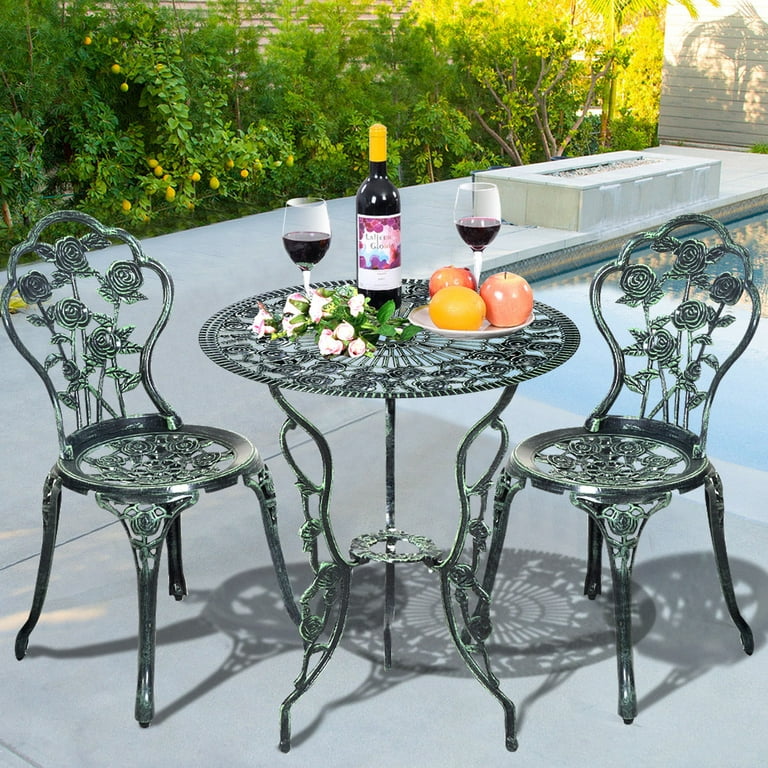
Sand the entire piece to smooth rough areas. Use medium-grit sandpaper first, then fine-grit for a smooth finish. Focus on edges and crevices where rust hides. Wipe away dust with a damp cloth after sanding. Smooth surfaces ensure paint applies evenly and looks neat.
Credit: www.walmart.com
Repairing Damages And Weak Spots
Repairing damages and weak spots is key to restoring vintage iron furniture. Old pieces often have cracks, missing parts, or loose joints. Fixing these issues brings back strength and beauty. It also makes the furniture safe to use again.
Fixing Cracks And Breaks
Start by cleaning the damaged area well. Remove rust and dirt using a wire brush. Apply a metal epoxy or filler designed for iron. Press the filler into cracks or breaks. Let it dry fully before sanding it smooth. This seals the crack and prevents it from growing.
Replacing Missing Parts
Identify any parts that are missing or broken beyond repair. Look for replacement parts online or at antique shops. If none fit, consider having new parts custom made. Attach replacements securely with screws or welds. Ensure they match the style and size of the original pieces.
Strengthening Joints
Loose joints weaken the furniture structure. Tighten any screws or bolts if possible. For welded joints, check for cracks or rust. Reinforce weak spots by adding new welds or metal plates. This adds extra support and extends the furniture’s life.
Applying Primer And Paint
Applying primer and paint is a key step to refresh your vintage iron furniture. It protects the metal and gives it a fresh look. Proper primer and paint increase the furniture’s life outdoors. This step also helps avoid rust and peeling paint later.
Choosing The Right Primer
Pick a primer made for metal surfaces. Rust-inhibiting primers work best for outdoor iron furniture. They stop rust from spreading under the paint. Look for a primer labeled “rust-preventive” or “metal primer.” This creates a strong base for the paint. Always clean the furniture well before priming.
Selecting Durable Paint Types
Use paint designed for metal and outdoor use. Oil-based and enamel paints offer good protection. They resist weather and wear better than regular paint. Spray paints made for metal can also work well. Choose colors that suit your style and last long in sun and rain.
Tips For Even Application
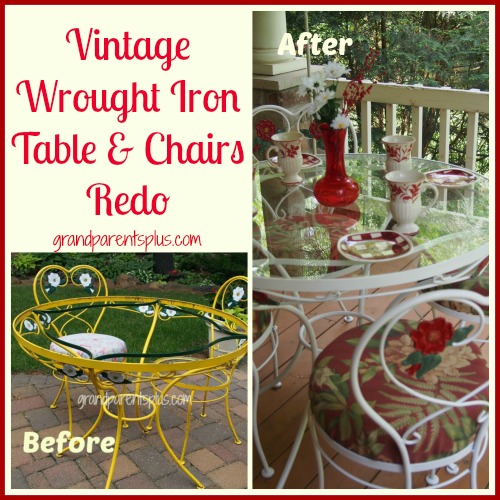
Apply primer and paint in thin, even coats. Use a brush or spray for smooth coverage. Let each coat dry fully before adding another. Avoid thick layers; they can drip and peel. Work in a shaded, dust-free area to prevent flaws. Light sanding between coats improves adhesion and finish.
Credit: grandparentsplus.com
Sealing And Protecting The Finish
Sealing and protecting the finish on outdoor vintage iron furniture helps keep it looking great. It stops rust and damage from weather. This step is key to making your furniture last longer and stay beautiful.
Using Weatherproof Sealants
Choose a sealant made for outdoor metal. It creates a strong layer over the paint or bare iron. This layer blocks water and air from reaching the metal. Apply the sealant with a brush or spray. Let it dry fully before use. Reapply every year to keep protection strong.
Maintaining Rust Resistance
Rust can return if you do not keep the finish sealed. Check your furniture often for small rust spots. Sand these spots lightly and touch up with paint. Then, add more sealant over the repaired areas. This stops rust from spreading and keeps the metal safe.
Seasonal Care Tips
Cover your furniture during heavy rain or snow. Use a waterproof cover that fits well. Move the furniture to a dry place if possible. Clean the surface gently with a soft brush to remove dirt. This helps the sealant last longer and protects the iron better.
Enhancing Comfort And Style
Enhancing comfort and style transforms vintage iron furniture into cozy, inviting pieces. Old iron chairs and benches can feel hard and cold. Soft cushions and fabrics bring warmth and comfort. Decorative touches add character and charm. Thoughtful styling creates a beautiful outdoor space. This makes your vintage furniture both useful and lovely.
Adding Cushions And Fabrics
Cushions soften the hard iron surfaces. Choose thick, weather-resistant cushions for durability. Bright colors or simple patterns lift the look instantly. Fabric covers protect against sun and rain. Tie cushions securely to avoid slipping. Seat pads and backrests improve comfort for long sitting. Mix and match fabrics for a fresh, personal style.
Incorporating Decorative Elements
Decorative elements add charm and personality. Use lanterns or string lights for soft evening glow. Place small potted plants around furniture for a natural touch. Vintage iron pieces often have ornate details; highlight them with subtle accessories. Add a small outdoor rug to anchor the space. Decorative throws or blankets offer extra warmth and style.
Styling Ideas For Outdoor Spaces
Group vintage iron furniture to create inviting seating areas. Pair chairs with a matching table for outdoor dining. Use a mix of tall and low plants for varied texture. Keep the area clean and uncluttered for a fresh feel. Create shade with umbrellas or pergolas to protect from sun. Arrange pieces to encourage conversation and relaxation.
Preventing Future Damage
Preventing future damage is key to keeping vintage iron furniture beautiful. Proper care helps avoid rust, wear, and fading. Small efforts can extend the life of your pieces. Protecting your furniture means less work later. Here are simple steps to maintain your outdoor vintage iron furniture.
Regular Cleaning Routines
Dust and dirt can cause damage over time. Clean your furniture regularly with a soft brush or cloth. Use mild soap and water to remove grime. Avoid harsh chemicals that harm the metal. Dry thoroughly to stop rust from forming. Regular cleaning keeps the paint fresh and the iron safe.
Proper Storage Solutions
Store your furniture in a dry, covered place during bad weather. Avoid leaving pieces outside in rain or snow. A garage or shed is ideal for storage. Elevate furniture off the ground to prevent moisture damage. Good storage protects your iron from rust and cracking.
Protective Covers And Treatments
Use covers made for outdoor furniture to shield your pieces. Covers block rain, sun, and dust. Choose breathable fabrics to avoid moisture buildup. Apply rust-resistant paint or sealant every few years. These treatments form a strong barrier against damage. Protective layers keep your vintage iron looking great longer.

Credit: www.2thesunnyside.com
Frequently Asked Questions
How Do I Prepare Vintage Iron Furniture For Redoing?
Clean thoroughly with soap and water. Remove rust using a wire brush or sandpaper. Allow it to dry completely before proceeding.
What Type Of Paint Is Best For Outdoor Iron Furniture?
Use high-quality, rust-resistant spray paint or enamel paint made for metal. This ensures durability and protection against weather.
How Can I Prevent Rust On Vintage Iron Furniture?
Apply a rust-inhibiting primer before painting. Regularly inspect and touch up paint chips to avoid rust formation.
Should I Dismantle Iron Furniture Before Redoing?
If possible, dismantle to reach all surfaces easily. This helps in thorough cleaning and even paint application.
Conclusion
Restoring vintage iron furniture can bring new life to old pieces. Clean and remove rust carefully before painting. Choose paint made for metal to protect against weather. Take your time and work in small steps. The effort will pay off with beautiful, lasting results.
Enjoy your refreshed furniture in your outdoor space. It adds charm and character to any garden or patio. Keep it clean and touch up paint when needed. Vintage iron pieces can last for many years. A little care makes a big difference.


