
Is your outdoor furniture looking worn out or faded? Maybe the fabric has tears, stains, or just doesn’t match your style anymore.
You don’t have to buy a whole new set to refresh your outdoor space. Imagine giving your furniture a fresh, clean look with fabric that feels brand new. In this guide, you’ll learn exactly how to remove and replace the fabric on your outdoor furniture step-by-step.
It’s easier than you think, and by the end, you’ll have the confidence to transform your outdoor seating into something you’ll love again. Ready to bring your furniture back to life? Let’s dive in.
Tools And Materials Needed
Removing and replacing fabric from outdoor furniture needs the right tools and materials. The process becomes easier and faster with proper equipment. Prepare everything before starting to avoid interruptions.
Having the correct tools ensures a neat finish. It also protects your furniture from damage. Gather all items on a clean workspace for convenience.
Basic Tools For Removing Old Fabric
You will need pliers to pull out staples or tacks. A flathead screwdriver helps lift fabric edges. Scissors or a utility knife are useful for cutting worn fabric carefully.
Materials For Replacing Fabric
Choose durable outdoor fabric that resists water and sun. Upholstery thread and needles work well for hand sewing. Use heavy-duty staples and a staple gun to secure fabric tightly.
Additional Helpful Items
Work gloves protect your hands from sharp tools. A measuring tape ensures the new fabric fits perfectly. Fabric glue can be handy for extra hold on edges.

Credit: www.youtube.com
Preparing The Furniture
Preparing outdoor furniture for fabric removal and replacement is an important step. It makes the process easier and ensures the new fabric fits well. Start by cleaning the frame and then carefully remove the old fabric.
Cleaning The Frame
Use a soft brush or cloth to remove dirt and dust from the frame. Wash it with mild soap and water to remove stains and grime. Let the frame dry completely before moving to the next step. This prevents mold and keeps the new fabric clean.
Removing Old Fabric
Check how the old fabric is attached. Look for staples, nails, or screws holding it in place. Use pliers or a screwdriver to remove these fasteners carefully. Peel the fabric off slowly to avoid damaging the frame. Remove any leftover staples or glue to prepare for the new fabric.
Measuring And Cutting New Fabric
Measuring and cutting new fabric for outdoor furniture is a key step. It ensures the fabric fits well and looks neat. This process helps avoid waste and extra costs. Taking time to measure and cut carefully makes the project easier and more successful.
Choosing The Right Fabric
Select fabric made for outdoor use. It should resist water, sun, and wear. Look for fabrics labeled “outdoor” or “UV resistant.” Strong fabrics like acrylic or polyester work best. Choose colors and patterns that match your furniture and style.
Taking Accurate Measurements
Measure your furniture pieces carefully. Use a tape measure for length and width. Add extra inches for seams and tucking. Write down each measurement to avoid mistakes. Double-check measurements before cutting fabric to prevent errors.
Cutting Fabric To Size
Lay the fabric on a flat surface. Smooth out wrinkles and folds. Use sharp scissors or a rotary cutter for clean cuts. Cut slowly following your measurements and markings. Keep edges straight and neat for a professional look.
Attaching The New Fabric
Attaching new fabric to outdoor furniture is a key step. It shapes the look and comfort of your piece. Careful work here makes sure the fabric stays strong and neat. Follow simple steps to get it right.
Aligning The Fabric
Start by placing the fabric flat over the furniture frame. Match the edges evenly on all sides. Smooth out any wrinkles or folds. Check that patterns or textures line up properly. This gives a clean and balanced look.
Securing With Staples Or Screws
Use a staple gun or screws to hold the fabric. Begin at the center of one side and work toward the corners. Push the fabric tight as you go. Space staples or screws about two inches apart. This keeps the fabric firmly in place.
Ensuring Tight Fit
Pull the fabric tight before fastening each staple or screw. Avoid loose or sagging spots. Tight fabric looks better and lasts longer. Double-check all sides for even tension. Fix any slack by adjusting and re-securing the fabric.
Finishing Touches
After replacing fabric on outdoor furniture, the final steps make a big difference. Finishing touches help secure the fabric and keep it looking fresh. These steps protect your work and extend the life of your furniture.
Focus on neat edges, weather protection, and regular care. These details keep your furniture ready for use and looking great.
Trimming Excess Material
Cut off extra fabric close to the staples or tacks. Leave a small margin to avoid fraying but keep it tidy. Use sharp scissors for clean cuts. Neat edges prevent fabric from catching or tearing later.
Waterproofing And Protection
Apply a waterproof spray suitable for outdoor fabric. This shields against rain and stains. Follow product instructions carefully for best results. Let the fabric dry completely before use. A protective layer helps the fabric last longer outdoors.
Maintaining The Fabric
Clean the fabric regularly using mild soap and water. Avoid harsh chemicals that damage material. Store cushions inside during heavy rain or winter months. Check for loose staples or tears and fix them quickly. Proper care keeps outdoor fabric fresh and strong.

Credit: www.reddit.com
Common Mistakes To Avoid
Replacing fabric on outdoor furniture can be a simple task. But many people make mistakes that cause problems later. Avoiding these common errors saves time and effort. It also helps keep your furniture looking great longer.
Not Measuring Fabric Correctly
Measuring fabric wrongly is a top mistake. Always measure your furniture twice. Add extra inches for folding and stapling. This prevents running short of fabric during replacement.
Using The Wrong Type Of Fabric
Outdoor furniture needs special fabric. Choose water-resistant and UV-protected material. Regular fabric wears out quickly under sun and rain. Picking the right fabric extends your furniture’s life.
Ignoring Proper Tools
Using improper tools makes the job harder. Use staple guns, scissors, and screwdrivers made for upholstery. Good tools help remove old fabric and attach new fabric neatly.
Failing To Clean The Frame
Not cleaning the furniture frame is a mistake. Dirt and rust reduce fabric adhesion. Clean the frame well before adding new fabric. This improves fabric hold and furniture appearance.
Skipping Safety Precautions
Ignoring safety risks causes injury. Wear gloves and safety glasses while working. Be careful with sharp tools and staples. Safety keeps the project smooth and injury-free.
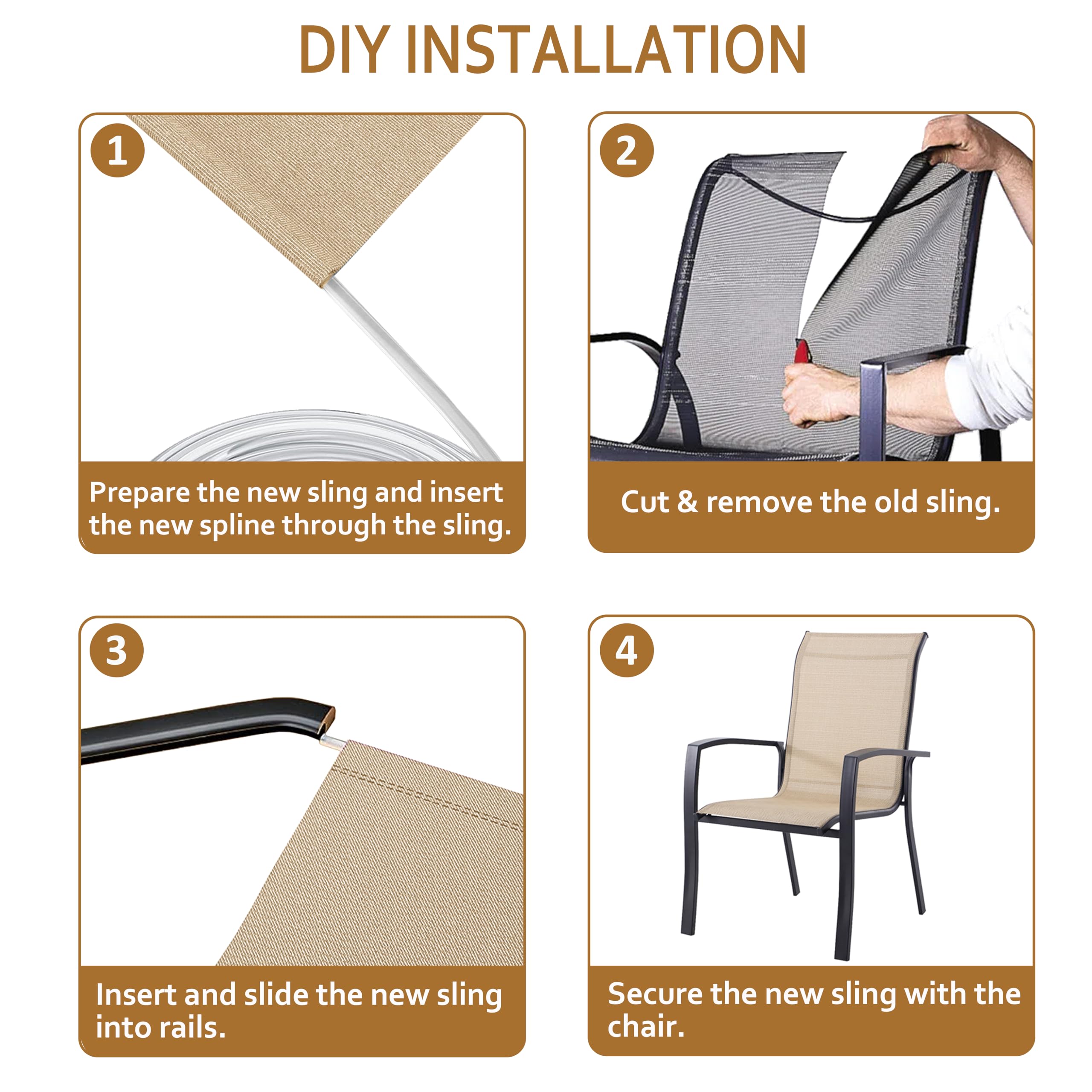
Credit: www.amazon.com
Frequently Asked Questions
How Do I Remove Fabric From Outdoor Furniture?
First, remove any cushions or padding. Use a screwdriver to take out staples or screws holding the fabric. Carefully peel the fabric away, avoiding damage to the frame. Dispose of the old fabric properly to prepare for replacement.
What Tools Are Needed To Replace Outdoor Furniture Fabric?
You’ll need a staple remover or screwdriver, scissors, measuring tape, fabric scissors, and a staple gun. Choose outdoor-grade fabric for durability. Having these tools ensures a smooth and secure fabric replacement process.
How To Measure Fabric For Outdoor Furniture Replacement?
Measure the length and width of the furniture seating area accurately. Add extra inches for wrapping around edges. This ensures the fabric fully covers the furniture and allows for secure stapling or fastening.
Which Fabric Is Best For Outdoor Furniture?
Choose weather-resistant fabrics like solution-dyed acrylic or polyester. These fabrics resist fading, mildew, and water damage. They offer durability and comfort, making them ideal for outdoor use.
Conclusion
Removing and replacing fabric on outdoor furniture is simple with the right steps. Take your time to remove old fabric carefully. Choose new fabric that suits your style and weather needs. Measure and cut fabric accurately for a good fit.
Attach fabric tightly to avoid wrinkles or sagging. Regular care keeps furniture looking fresh longer. This task saves money and refreshes your outdoor space. Try it yourself and enjoy a cozy, clean seating area.

