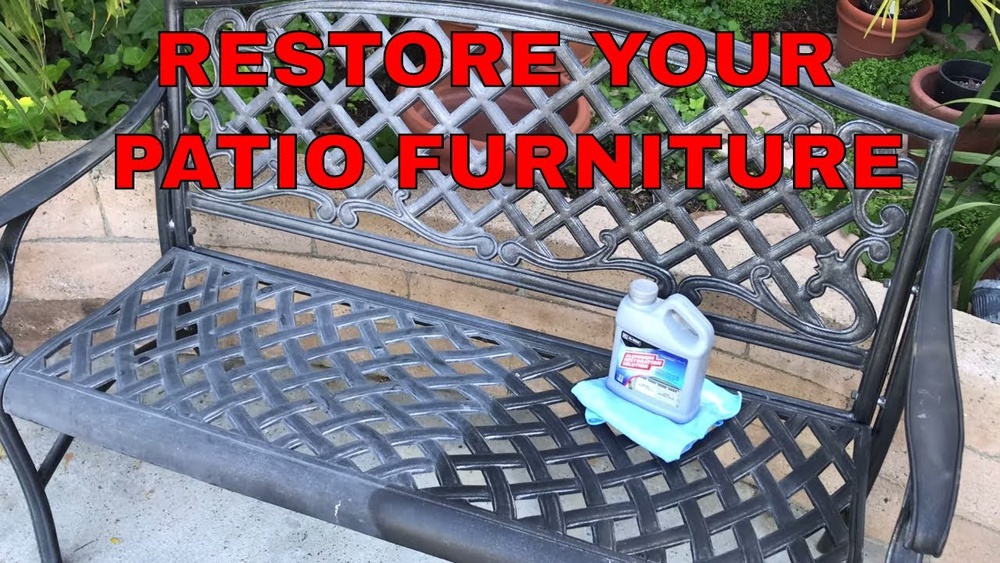
Is your aluminum outdoor furniture looking dull and worn out? That chalky, gray layer covering your favorite chairs and tables is oxidation – a common problem that can make your outdoor space feel neglected.
But here’s the good news: you don’t have to replace your furniture or spend a fortune to bring back its shine. In this guide, you’ll discover simple, effective ways to remove oxidation and restore the fresh, clean look of your aluminum pieces.
Keep reading, and you’ll learn easy steps that anyone can follow to make your outdoor furniture look brand new again.
Causes Of Aluminum Oxidation
Aluminum outdoor furniture often develops a dull, powdery layer called oxidation. This happens because aluminum reacts with elements in the environment. Understanding what causes this reaction helps in preventing and removing the oxidation effectively. Several natural factors contribute to the process.
Exposure To Moisture And Air
Moisture in the air plays a big role in aluminum oxidation. When aluminum meets water, it starts to form a thin layer of aluminum oxide. This layer protects the metal but can look dull and dirty. Constant exposure to rain, dew, or humidity speeds up this process. Even tiny amounts of moisture from the air can cause oxidation over time.
Environmental Factors
Outdoor furniture faces many environmental challenges. Dust, dirt, and pollution settle on the aluminum surface. These particles mix with moisture and create a rough, oxidized coating. Salt from nearby oceans or roads also harms aluminum. Salt speeds up the breakdown of the metal surface, increasing oxidation faster than normal air and water.
Impact Of Uv Rays
Sunlight affects aluminum in more ways than heat. Ultraviolet (UV) rays from the sun break down the protective finishes on the furniture. This damage exposes bare aluminum to air and moisture. Without protection, oxidation happens more quickly. Continuous sun exposure can cause fading and weaken the metal’s surface.

Credit: www.2thesunnyside.com
Signs Of Oxidation On Aluminum Furniture
Oxidation on aluminum outdoor furniture is a common problem. It happens when aluminum reacts with oxygen in the air. This reaction creates a layer that changes the look and feel of the furniture. Identifying the signs of oxidation early helps keep your furniture in good shape. Spotting these signs can save you time and money.
Color Changes
One clear sign of oxidation is color change. Aluminum furniture loses its shiny silver look. It may turn dull gray or develop white spots. These changes make the furniture look old and worn out. Color changes often appear uneven across the surface.
Surface Texture
Oxidation affects the texture of aluminum. The smooth surface can become rough or flaky. You might notice powdery or chalky layers forming. These changes make the furniture feel different to the touch. Rough texture means oxidation is present and spreading.
Structural Effects
Over time, oxidation can weaken aluminum furniture. The metal may become brittle or start to crack. Joints and connections can loosen or break. This reduces the furniture’s strength and safety. Structural damage needs quick attention to avoid bigger problems.
Tools And Materials Needed
Removing oxidation from aluminum outdoor furniture needs the right tools and materials. These items help clean and restore the metal’s shine safely and effectively. Prepare all supplies before starting the project to work smoothly and avoid delays.
Cleaning Supplies
Gather basic cleaning tools. Use soft cloths or sponges to avoid scratches. A bucket of warm water helps rinse dirt and grime. Mild dish soap works well to clean the surface first. A soft-bristle brush can reach tight corners and crevices. Avoid harsh scrubbing tools that can damage the aluminum.
Protective Gear
Wear gloves to protect your hands from chemicals. Safety goggles shield your eyes from splashes. Use a mask if you work with strong cleaners or powders. Protective gear keeps you safe during the cleaning and restoration process. It also prevents skin irritation and breathing problems.
Restoration Products
Use a commercial aluminum cleaner or oxidation remover. These products dissolve the white, chalky layer on the metal. A fine steel wool pad or aluminum polishing cloth helps buff the surface. Finish with a coat of aluminum wax or sealant. This protects the furniture from future oxidation and weather damage.
Credit: www.furnituremaxi.com
Step-by-step Oxidation Removal
Removing oxidation from aluminum outdoor furniture can bring back its shine and extend its life. Follow these simple steps carefully. Each step helps clean the aluminum without causing damage. This guide makes the process easy and clear.
Preparing The Furniture
Start by moving the furniture to a shaded area. This prevents cleaning solutions from drying too fast. Remove loose dirt and dust with a soft brush or cloth. Cover nearby plants to protect them from cleaning agents.
Applying Cleaning Solutions
Mix a mild cleaner with water in a bucket. Use a solution made for aluminum or a mix of vinegar and water. Apply the solution evenly using a sponge or spray bottle. Let it sit for five to ten minutes to break down oxidation.
Scrubbing Techniques
Use a soft-bristle brush or non-abrasive pad to scrub gently. Focus on areas with heavy oxidation. Use circular motions to lift the grime. Avoid steel wool or harsh scrubbers that can scratch the surface.
Rinsing And Drying
Rinse the furniture thoroughly with clean water. Remove all traces of the cleaning solution. Dry the surface with a soft towel or cloth to prevent water spots. Allow the furniture to air dry completely before use.
Preventing Future Oxidation
Preventing future oxidation on aluminum outdoor furniture keeps it looking fresh and new. Oxidation forms a dull, whitish layer that damages the metal surface. Regular care stops this damage before it starts. Simple habits and smart storage can protect your furniture for years.
Regular Cleaning Routine
Clean aluminum furniture often to remove dirt and grime. Use mild soap and water with a soft cloth or sponge. Avoid harsh chemicals that can wear down the metal. Rinse well and dry completely to stop moisture from causing oxidation. A quick wipe after use helps keep surfaces shiny and clean.
Protective Coatings
Apply a clear protective coating made for aluminum. These coatings form a barrier against moisture and air. Use wax or specialized sealants to shield the metal. Reapply the coating every few months for ongoing protection. This simple step slows down oxidation and keeps your furniture bright.
Proper Storage Tips
Store furniture in a dry, covered area during bad weather. Keep pieces off the ground to avoid water contact. Use furniture covers designed to block rain and sun. If possible, move items indoors in winter or rainy seasons. Proper storage reduces exposure to elements that cause oxidation.
When To Seek Professional Help
Knowing when to seek professional help for aluminum furniture oxidation is important. Some problems need expert care to avoid damage. Professionals have tools and skills for tough oxidation issues. This section explains signs to call a pro.
Severe Oxidation Cases
Heavy oxidation looks like thick white or gray crust. It can cause metal to weaken or flake. Simple cleaning methods often fail here. Professionals use special treatments to restore the metal safely. Severe cases need expert handling to save the furniture.
Restoration Vs Replacement
Experts assess if restoration is worth the cost. Sometimes, damage is too deep for repair. In those cases, replacement is better. Pros help decide what saves money and time. They give honest advice based on the furniture’s condition.
Cost Considerations
Professional service costs vary by damage and size. Restoration may cost less than buying new furniture. Experts offer estimates before starting work. Spending a bit now can extend furniture life. Budgeting for pro help avoids costly mistakes later.

Credit: hauserspatio.com
Frequently Asked Questions
What Causes Oxidation On Aluminum Outdoor Furniture?
Oxidation occurs when aluminum reacts with oxygen and moisture. This reaction forms a dull, whitish layer on the surface. Exposure to rain, humidity, and sun accelerates this process. Regular cleaning and protective coatings can help prevent oxidation and keep furniture looking new.
How Can I Safely Remove Oxidation From Aluminum?
Use a gentle cleaner like white vinegar or a baking soda paste. Apply with a soft cloth, scrub lightly, then rinse with water. Avoid harsh chemicals or abrasive tools to prevent surface damage. Repeat as needed for stubborn oxidation spots.
Can Household Items Clean Aluminum Oxidation Effectively?
Yes, common household items like vinegar, lemon juice, and baking soda work well. These mildly acidic or alkaline substances break down oxidation safely. They are affordable, easy to use, and eco-friendly alternatives to commercial cleaners.
Is It Necessary To Seal Aluminum After Cleaning Oxidation?
Sealing aluminum after cleaning helps prevent future oxidation. Use a clear protective wax or a specialized aluminum sealant. This adds a barrier against moisture and oxygen. Regular resealing prolongs the furniture’s lifespan and maintains its shine.
Conclusion
Removing oxidation from aluminum outdoor furniture keeps it looking fresh and new. Regular cleaning helps stop damage and extends the furniture’s life. Use gentle methods and simple tools for best results. Clean your furniture often to avoid heavy buildup. A little care goes a long way in preserving its shine.
Enjoy your outdoor space with furniture that looks great year-round. Simple steps make maintenance easy and effective. Keep your aluminum furniture bright and ready for every season.