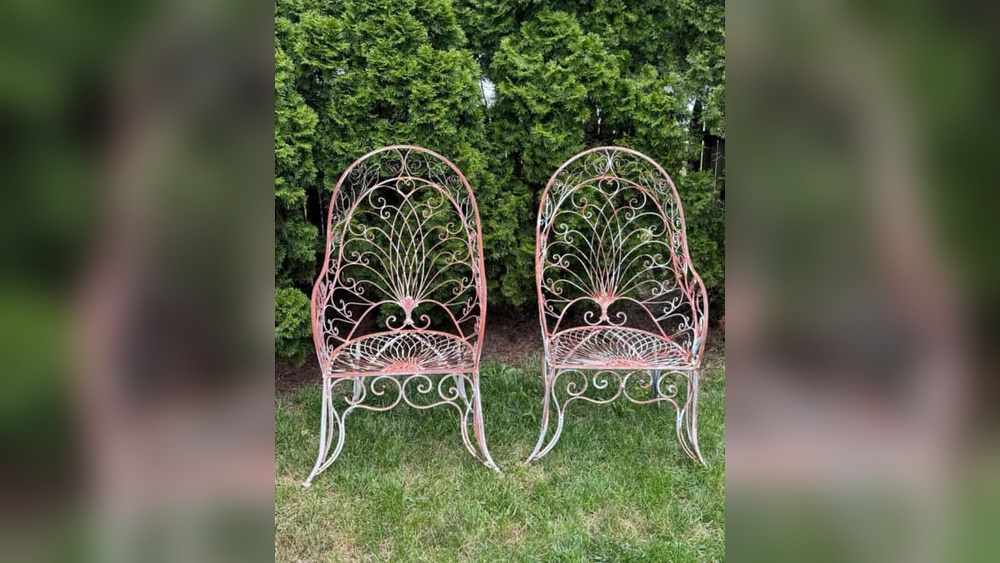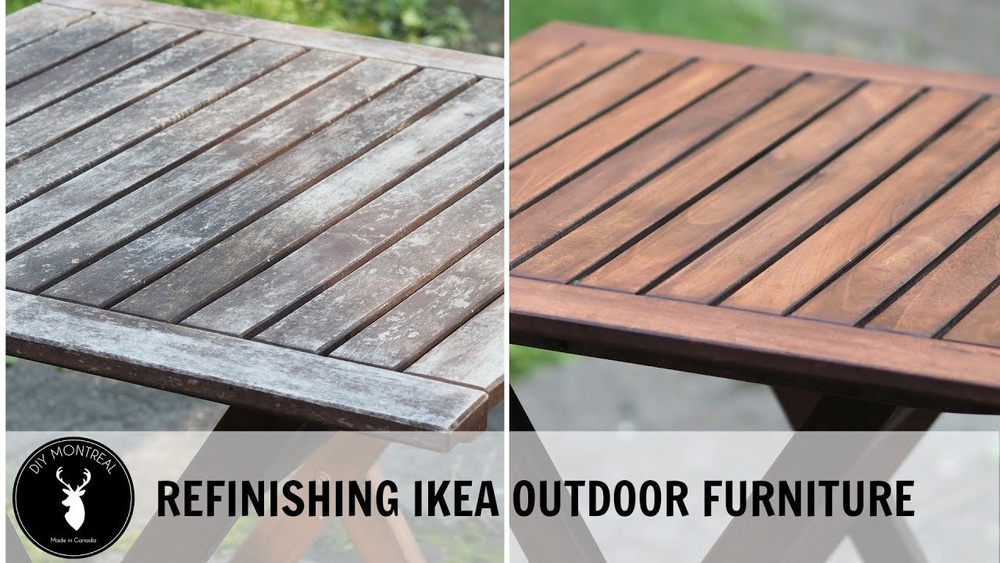
Your outdoor wood furniture adds charm and comfort to your space. But over time, weather and wear can take a toll on its beauty and durability.
If you want to keep your furniture looking great and protect it from damage, resealing is key. In this guide, you’ll learn simple steps to reseal your outdoor wood furniture yourself. By the end, you’ll have the confidence to restore and safeguard your pieces, so they last for many seasons to come.
Ready to bring new life to your outdoor space? Let’s get started.
Choosing The Right Sealant
Choosing the right sealant is key to protect outdoor wood furniture. It keeps wood safe from water, sun, and dirt. A good sealant also keeps furniture looking fresh for years. Not all sealants work the same. Pick the best one for your wood and climate.
Types Of Sealants For Wood
There are many sealants made for wood. Some sealants soak into wood and protect from inside. Others create a hard layer on top. Oil-based sealants make wood shine and resist water well. Water-based sealants dry fast and have less smell. Clear sealants keep wood color natural. Tinted sealants add color and block UV light.
Factors To Consider
Think about the wood type before picking a sealant. Soft woods need different sealants than hard woods. Check the weather where you live. Some sealants protect better from rain or sun. Also, consider how often you want to reseal furniture. Some sealants last longer but take more time to dry. Safety is important. Pick sealants that are safe to use around children and pets.
Eco-friendly Options
Eco-friendly sealants are made from natural ingredients. They do not release strong fumes or harmful chemicals. These sealants are safe for the environment and your health. Many use plant oils and natural resins. They work well to protect wood from moisture and sun. Choosing eco-friendly options helps keep your outdoor space safe and green.
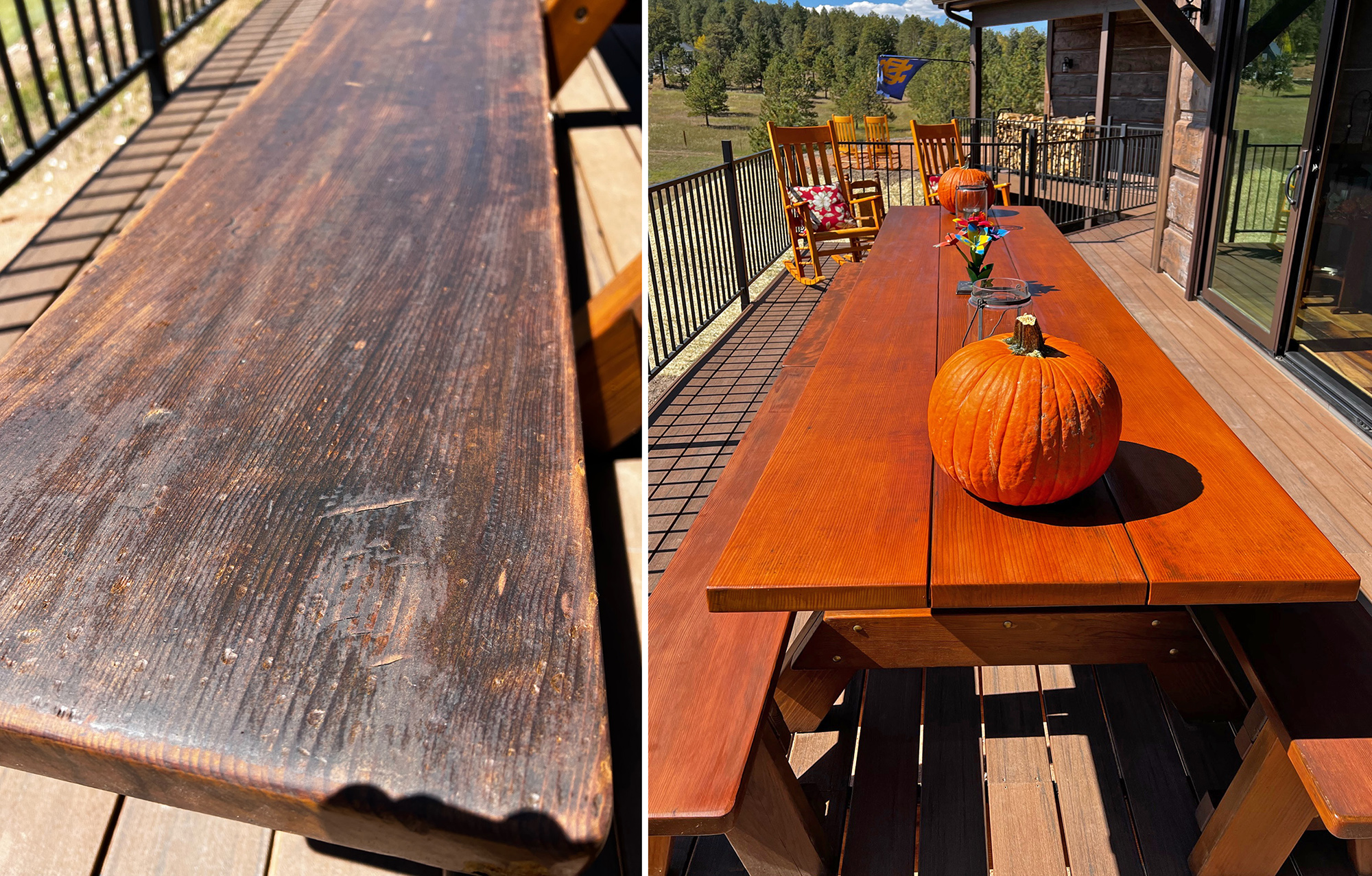
Credit: www.foreverredwood.com
Preparing The Furniture
Preparing outdoor wood furniture is the first step to a lasting finish. It helps the new sealant stick well. Good preparation protects the wood from damage. It also improves the look and feel of your furniture.
Start with cleaning, then remove the old finish. Finally, smooth the surface by sanding. Each step makes a big difference in the final result.
Cleaning Techniques
Remove dirt, dust, and grime from the furniture surface. Use a soft brush or cloth to wipe away loose debris. Mix mild soap with water for a gentle wash. Scrub the wood gently to avoid damage. Rinse with clean water and let it dry fully before the next step.
Removing Old Finish
Old finish can peel or flake off and ruin the new seal. Use a chemical stripper or sanding to remove it. Apply stripper carefully following the instructions. Use a scraper to lift the finish after it softens. Clean the surface again to remove residue. This step ensures the new sealant bonds well.
Sanding Tips
Sanding smooths the wood and removes small imperfections. Use medium-grit sandpaper to start, then fine-grit for a smooth finish. Sand along the wood grain to avoid scratches. Wear a mask to avoid inhaling dust. Wipe off dust with a tack cloth or damp rag. Proper sanding helps the sealant soak in evenly.
Applying The Sealant
Applying the sealant is a key step in protecting your outdoor wood furniture. It helps keep water, dirt, and sun damage away. The process is simple but requires care for best results. Using the right tools and following the correct steps will ensure a smooth finish. This section guides you through the tools you need, the step-by-step application, and drying times.
Tools You Need
- Clean paintbrush or foam brush
- Lint-free cloth or rag
- Sandpaper (fine grit)
- Protective gloves
- Drop cloth or newspaper
- Sealant container
Step-by-step Application
Start by sanding the wood surface lightly with fine sandpaper. This opens the wood pores for better sealant absorption. Wipe away dust with a clean cloth. Stir the sealant gently but well. Do not shake the container.
Apply the sealant with a brush, following the wood grain. Use even strokes to avoid streaks or bubbles. Cover all surfaces, including edges and corners. Avoid thick layers; thin coats dry better. Let the first coat dry fully before applying the next. Usually, two or three coats are enough for good protection.
Drying And Curing Times
Drying time depends on the sealant type and weather conditions. Most sealants dry to touch in 1 to 2 hours. Wait at least 4 to 6 hours before applying another coat. Full curing can take up to 24 to 48 hours. Avoid using the furniture during this time. Proper curing ensures long-lasting protection and durability.
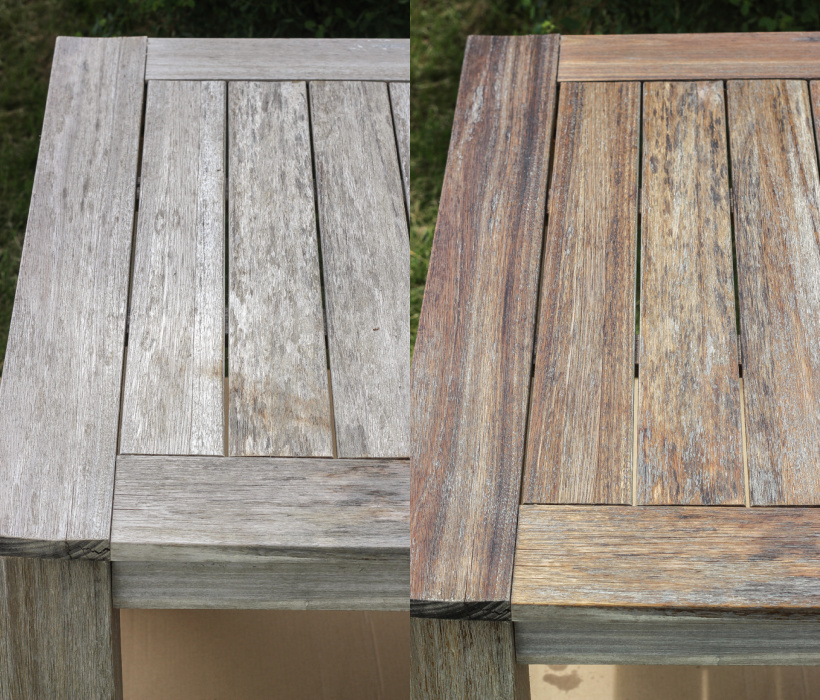
Credit: lovegrowswild.com
Maintaining Your Furniture
Maintaining your outdoor wood furniture helps keep it strong and beautiful. Regular care stops damage from sun, rain, and dirt. This section explains easy steps to protect your wood and keep it looking fresh year-round.
Regular Cleaning
Clean your furniture often to remove dirt and dust. Use a soft brush or cloth with mild soap and water. Rinse with clean water and dry well. Avoid harsh chemicals that can harm the wood finish. This simple step keeps the wood healthy and ready for resealing.
Touch-up Tips
Check for small scratches or worn spots on your furniture. Lightly sand these areas with fine sandpaper. Apply a thin layer of wood sealer or outdoor varnish. This fixes minor damage and prevents moisture from entering. Regular touch-ups extend your furniture’s life without full resealing.
Seasonal Care
Adjust your maintenance with the seasons. In spring and summer, clean and reseal as needed. In fall, remove leaves and debris to avoid stains. Cover or store furniture during winter to protect it from frost and snow. Seasonal care helps wood stay strong through changing weather.
Troubleshooting Common Issues
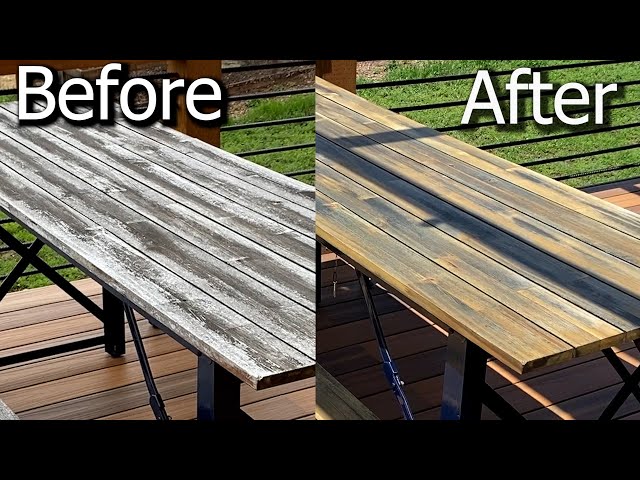
Resealing outdoor wood furniture can sometimes bring up common problems. These issues affect how well the finish protects your wood. Knowing how to fix these problems keeps your furniture looking great. It also helps the seal last longer. Below are simple solutions to common troubles you might face.
Dealing With Peeling
Peeling happens when the old finish did not stick well. Dirt, moisture, or sun damage can cause peeling. Start by scraping off all loose finish with a plastic scraper. Sand the area smooth using fine-grit sandpaper. Clean the wood with a damp cloth and let it dry. Apply a fresh coat of sealer evenly. Avoid thick layers to prevent peeling again.
Fixing Uneven Finish
An uneven finish looks blotchy or streaky. This occurs from rushing or poor surface prep. Lightly sand the furniture to smooth out rough spots. Wipe away dust with a clean cloth. Stir the sealer before use, never shake it. Apply thin, even coats with a brush or cloth. Let each coat dry fully before adding more.
Preventing Mold And Mildew
Mold and mildew grow in damp, shaded spots. They damage wood and sealers over time. Clean affected areas with a mixture of water and mild detergent. Use a soft brush to scrub gently. Rinse well and let dry completely. Choose a sealer with mold-resistant properties. Store furniture in a dry place or cover it when not used.
Credit: www.youtube.com
Frequently Asked Questions
How Often Should I Reseal Outdoor Wood Furniture?
You should reseal outdoor wood furniture every 1 to 2 years. This protects wood from moisture, sun damage, and wear. Regular resealing keeps furniture looking fresh and extends its lifespan.
What Is The Best Sealant For Outdoor Wood Furniture?
Use a high-quality, waterproof sealant like spar urethane or exterior polyurethane. These sealants offer UV protection and resist cracking. Choose a product designed specifically for outdoor wood.
Can I Reseal Wood Furniture Without Sanding?
Lightly sanding before resealing is recommended for better adhesion. However, if the old finish is in good condition, clean the surface thoroughly and apply sealant carefully. Sanding ensures a smooth, long-lasting result.
How Do I Prepare Wood Furniture Before Resealing?
Clean the furniture using mild soap and water to remove dirt. Allow it to dry completely. Sand the surface lightly to remove old finish and rough spots. This prepares the wood for better sealant absorption.
Conclusion
Resealing outdoor wood furniture protects it from weather damage. Clean the surface well before starting the process. Choose the right sealant for your wood type. Apply the sealant evenly and let it dry fully. Regular care keeps your furniture looking fresh and strong.
A little effort goes a long way in preserving wood. Enjoy your outdoor space with well-maintained furniture for years. Simple steps make a big difference in furniture life. Keep your wood safe and beautiful with proper resealing.