You want your outdoor furniture to look great and last for years, right? Treating wood properly is the secret to protecting it from rain, sun, and bugs.
If you skip this step, your beautiful furniture can quickly crack, fade, or rot. But don’t worry—this guide will show you simple, effective ways to treat your wood. By the end, you’ll know exactly how to keep your outdoor pieces strong and stunning season after season.
Ready to make your furniture weatherproof and worry-free? Let’s dive in!
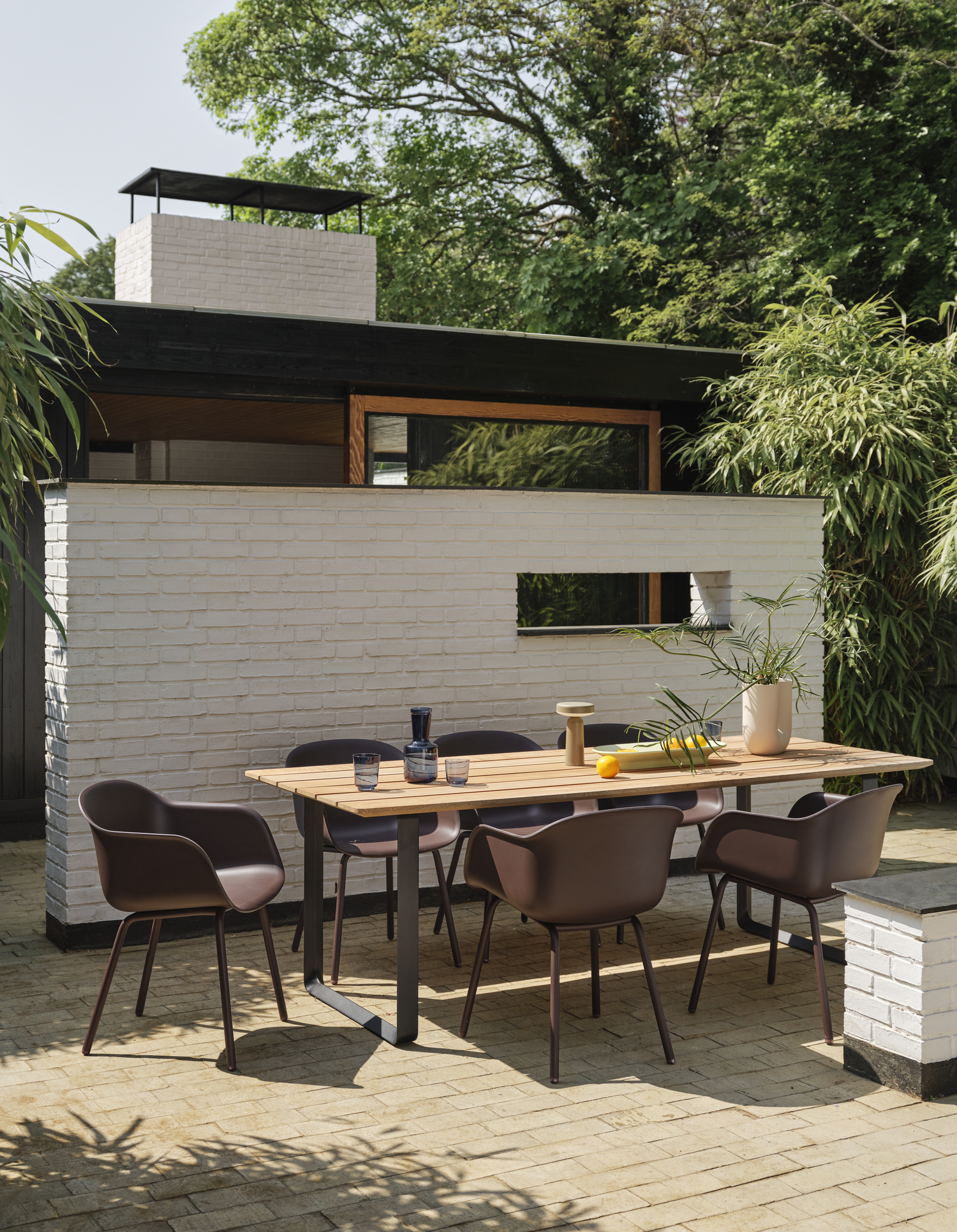
Credit: www.muuto.com
Choosing The Right Wood
Choosing the right wood is key to making outdoor furniture last. Wood must stand up to sun, rain, and wind without losing its beauty. The best wood resists rot and insects. It should also look good and feel smooth to touch. Picking the right type helps your furniture stay strong and attractive for years.
Durable Wood Types
Some woods are tougher than others. Teak is famous for its strength and water resistance. Cedar and redwood resist decay naturally. White oak holds up well in wet conditions. These woods need less treatment and last longer outside. Avoid soft woods like pine unless properly treated. Choose woods known for outdoor use.
Wood Grain And Texture
Wood grain affects both look and durability. Straight grain wood is stronger and easier to work with. Coarse texture can hold finishes better but may feel rough. Fine texture looks smooth but may wear faster. Check the grain and texture before buying. Pick wood that matches your style and comfort needs.
Sourcing Sustainable Wood
Good wood comes from well-managed forests. Sustainable wood means less harm to nature. Look for FSC or PEFC certified wood. These labels show responsible forest practices. Using sustainable wood protects wildlife and reduces pollution. Buy local wood when possible. It lowers transport impact and supports your community.

Credit: q-furniture.com
Preparing Wood Surface
Preparing the wood surface is a key step before treating outdoor furniture. It helps the wood absorb treatments better and last longer. Clean and smooth wood holds stains and sealers well. This process removes dirt, old finishes, and any damage. It also creates a perfect base for protection against weather and insects.
Cleaning And Sanding
Start by cleaning the wood with mild soap and water. Use a soft brush to remove dust and dirt. Let the wood dry completely before sanding. Sand the surface with medium-grit sandpaper to remove rough spots. Finish with fine-grit sandpaper for a smooth texture. This helps treatments stick evenly and prevents peeling.
Removing Old Finishes
Old paint or varnish can block the new treatment. Use a chemical stripper or sanding to remove these finishes. Apply the stripper with a brush and wait as instructed. Scrape off softened layers carefully. Sand the wood afterward to smooth any residue. This step ensures the wood soaks up new sealers properly.
Repairing Damages
Check for cracks, holes, or rot in the wood. Use wood filler to fill small cracks and holes. For large damage, replace the wood piece if possible. Sand the filled areas smooth once dry. Repairing wood stops further damage and keeps furniture strong. Proper repairs help treatments protect the wood better.
Selecting Wood Treatments
Selecting the right wood treatment is key for outdoor furniture durability. Wood faces sun, rain, and temperature changes. Protecting it extends its life and keeps it looking good. Different treatments offer various benefits. Choose one that fits your wood type and outdoor conditions.
Wood Sealers
Wood sealers create a thin barrier on the surface. They stop moisture from entering the wood. This prevents swelling, cracking, and rotting. Sealers keep the natural color of the wood. Most sealers dry clear and do not change the wood’s look. Apply sealers every year for best protection.
Stains And Oils
Stains add color and protect wood from sun damage. They soak into the wood, enhancing the grain and texture. Oils nourish the wood, keeping it from drying out. Both stains and oils improve resistance to water and dirt. Regular application keeps wood healthy and vibrant.
Waterproof Coatings
Waterproof coatings form a strong shield over wood. They stop water from soaking in. This prevents mold and decay. These coatings often have a glossy or matte finish. They are perfect for wood exposed to heavy rain. Reapply waterproof coatings every 1-2 years for lasting protection.
Applying Treatments Correctly
Applying treatments correctly is key to protecting outdoor wood furniture. Proper application helps wood last longer and resist weather damage. Follow simple steps to get the best results and keep your furniture looking great.
Tools And Techniques
Use a clean, soft brush or a foam brush for applying treatments. A cloth works well for wiping oils or stains. Always stir the treatment before use. Apply with smooth, even strokes. Avoid over-brushing, which can remove the finish. Work in the direction of the wood grain. This helps the treatment soak in better.
Number Of Coats
Most wood treatments need at least two coats for full protection. Start with a thin first coat to soak into the wood. Let it dry completely before the next coat. A second coat seals the wood and adds durability. Some products may require more coats. Check the product instructions for best advice.
Drying And Curing Times
Allow enough drying time between coats. This usually takes 4 to 6 hours but varies by product. Avoid applying treatment on wet or humid days. After the final coat, let the wood cure for several days. This makes the finish strong and long-lasting. Patience here ensures your furniture stays protected.
Maintaining Treated Wood
Maintaining treated wood is essential to keep outdoor furniture strong and looking good. Proper care helps wood resist damage from sun, rain, and dirt. A little effort keeps your furniture lasting for years.
Regular Cleaning Tips
Clean wood furniture often to stop dirt and grime buildup. Use a soft brush or cloth with mild soap and water. Avoid harsh chemicals that can damage the wood. Rinse with clean water and dry with a towel. Clean before applying any new treatment.
Reapplication Schedule
Wood treatments wear off over time. Check your furniture every year for signs of fading or dryness. Apply a new coat of sealant or stain as needed. This keeps the wood protected and looking fresh. Follow product instructions for the best results.
Protecting From Weather
Shield wood furniture from extreme weather. Use covers when furniture is not in use. Move pieces to shaded areas during hot days. Avoid letting water sit on the wood for long. Proper protection reduces wear and damage.
Preventing Common Issues
Outdoor wood furniture faces many problems over time. Treating wood properly stops damage and keeps furniture looking good. Preventing common issues helps wood last longer and stay strong.
Avoiding Mold And Mildew
Mold and mildew grow in damp places. They make wood look bad and can cause rot. Use a wood cleaner with mild bleach to remove mold. Keep furniture dry by placing it in open air. Cover furniture during heavy rain or snow.
Preventing Cracks And Splits
Wood cracks when it dries too fast or swells in water. Apply wood oil or sealant to keep moisture balanced. Check furniture for damage regularly. Fix small cracks early to stop bigger problems.
Guarding Against Uv Damage
Sunlight fades wood and breaks down finishes. Use a UV-protective wood finish or varnish. Reapply finish every year or after heavy sun exposure. Place furniture in shaded areas when possible.
Eco-friendly Treatment Options
Choosing eco-friendly treatments for outdoor wood furniture helps protect nature and your health. These options use natural and safe ingredients. They keep wood strong and beautiful without harmful chemicals. Here are some popular eco-friendly ways to treat wood for outdoor use.
Natural Oils And Waxes
Natural oils like linseed, tung, and hemp oil soak into the wood. They protect it from water and sun damage. Waxes add a thin, protective layer on the surface. These treatments keep the wood breathable. They also bring out the wood’s natural color and texture. Applying oils and waxes regularly keeps furniture fresh and lasting longer.
Non-toxic Sealants
Non-toxic sealants form a clear shield on wood. They stop moisture and dirt from entering. These sealants use water-based or plant-based formulas. They do not release harmful fumes. Using non-toxic sealants ensures safety for children, pets, and the environment. They are easy to apply and dry quickly.
Sustainable Practices
Choosing sustainable wood is the first step. Use wood from forests that are well-managed. Recycle or reuse old wood pieces for new furniture. Avoid harsh sanding that wastes wood. Maintain furniture by cleaning gently and treating with eco-friendly products. These habits help reduce waste and protect forests.

Credit: pineandpoplar.com
Frequently Asked Questions
How Do I Prepare Wood For Outdoor Furniture?
Start by sanding the wood to remove rough spots. Clean off dust and dirt thoroughly. Allow the wood to dry completely before treatment.
What Type Of Wood Treatment Is Best For Outdoors?
Use a weather-resistant sealant or outdoor wood oil. These protect against moisture, UV rays, and pests. Reapply treatments annually for best results.
Can I Use Regular Paint On Outdoor Wood Furniture?
Regular paint may peel or crack outdoors. Use exterior-grade paint or stain designed for outdoor use. These provide better protection and durability.
How Often Should I Treat Outdoor Wooden Furniture?
Treat your furniture at least once a year. More frequent treatment may be needed in harsh climates. Regular maintenance extends furniture lifespan.
Conclusion
Treating wood for outdoor furniture helps protect it from weather damage. Regular care keeps the wood strong and looking good. Use the right sealant or oil to stop moisture and sun harm. Clean and sand the wood before applying treatment for best results.
Small steps make a big difference in wood’s lifespan. Enjoy your outdoor furniture longer with simple, consistent care. Wood treatment is easy and worth the effort. Protect your investment and keep your space inviting year-round.