Is your outdoor furniture looking tired and worn out? You don’t have to toss it away or spend a fortune on new pieces.
Imagine turning those faded chairs and dull tables into the highlight of your backyard again. In this guide, you’ll discover simple, effective ways to breathe new life into your old outdoor furniture. Whether it’s wood, metal, or plastic, you’ll learn easy steps that save you money and make your space inviting once more.
Ready to transform your outdoor area and impress your guests? Let’s get started!

Credit: www.luxushomeandgarden.com
Assessing Furniture Condition
Before restoring old outdoor furniture, check its condition carefully. This step helps decide what repairs and cleaning are needed. Knowing the state of your furniture saves time and effort. It also guides you on the best materials and tools to use. Start by looking closely at the furniture for any issues. Then find out what materials make up your furniture.
Checking For Damage
Look for cracks, chips, or broken parts on your furniture. Check joints and screws to see if they are loose or missing. Rust spots are common on metal furniture and need attention. Wood may have splinters, rot, or insect damage. Also, check fabric seats or cushions for tears or stains. Small problems can turn into big ones if ignored.
Identifying Material Types
Know what your furniture is made of before starting repairs. Wood, metal, plastic, and wicker need different care. Wood can be soft or hard and may need sanding or sealing. Metal may require rust removal and repainting. Plastic is easy to clean but can crack in cold weather. Wicker needs gentle cleaning and sometimes reweaving. Correctly identifying materials helps you choose the right products.
Cleaning And Preparing Surfaces
Cleaning and preparing surfaces is the first step to bring old outdoor furniture back to life. Dirt, dust, and old paint can hide the beauty of your furniture. Proper cleaning and preparation make sure the new finish sticks well. This process helps prevent future damage and extends furniture life.
Take your time to clean and prepare each piece carefully. A clean surface shows the true condition of the furniture. It also helps you spot any repairs needed before painting or staining.
Removing Dirt And Grime
Start by brushing off loose dirt with a soft brush. Use warm water mixed with mild soap to scrub the surface gently. Avoid harsh chemicals that can damage the material. Rinse the furniture well to remove soap residue. Let it dry completely before moving to the next step.
Stripping Old Paint Or Finish
Old paint and finishes can peel or crack over time. Removing them creates a smooth base for new paint or stain. Use a paint stripper suitable for outdoor furniture material. Apply it carefully following product instructions. Use a scraper or wire brush to remove softened paint. Sand the surface lightly to smooth rough spots. Clean off dust before applying new finish.
Repairing Structural Issues
Repairing structural issues is key to reviving old outdoor furniture. Strong, stable pieces last longer and look better. Fixing these problems early stops more damage. This section covers simple repairs to bring your furniture back to life.
Fixing Loose Joints
Loose joints make furniture wobbly and weak. Start by cleaning the joint area well. Remove any old glue or dirt. Use wood glue or epoxy to secure the joint. Clamp the parts tightly until the glue dries. Check the joint for movement before using the furniture again. Tightening screws or adding brackets can help if glue alone is not enough.
Replacing Broken Parts
Broken parts need removal before repair. Measure the damaged piece carefully. Cut a new part from similar wood or metal. Sand edges smooth for a perfect fit. Attach the new part using screws, nails, or strong adhesive. Paint or stain the new piece to match the rest of the furniture. This step restores strength and improves appearance.

Credit: www.blesserhouse.com
Sanding And Smoothing
Sanding and smoothing are key steps to bring old outdoor furniture back to life. This process removes rough spots, dirt, and old paint. It prepares the surface for a fresh coat of paint or stain. A smooth surface helps new finishes stick better and last longer.
Careful sanding also prevents splinters and makes the furniture safe to use again. Patience during this step pays off with a nicer, cleaner look. Understanding the right sandpaper and techniques improves results greatly.
Choosing The Right Sandpaper
Select sandpaper grit based on the furniture’s condition. Start with coarse grit (60-80) to remove old paint or rough patches. Use medium grit (120-150) for smoothing the surface after coarse sanding. Finish with fine grit (180-220) to create a silky smooth feel.
Wood furniture needs different grit than metal or plastic. Choose sandpaper made for your furniture’s material. Avoid very coarse grit on delicate surfaces to prevent damage.
Techniques For Even Finishing
Sand in the direction of the wood grain. This avoids scratches and keeps the surface smooth. Use steady, even pressure to prevent uneven spots. Check your progress often under good light.
Use a sanding block or electric sander for flat surfaces. For curved or detailed areas, hand sanding works best. Remove dust between sanding steps with a soft brush or cloth.
Applying Paint And Stain
Applying paint or stain breathes new life into old outdoor furniture. It protects wood from weather damage and improves its look. Choose the right product and follow simple steps to get the best results. A fresh coat can make your furniture look almost new again.
Selecting Outdoor-grade Products
Pick paints and stains made for outdoor use. They resist rain, sun, and temperature changes. Look for labels that say “weatherproof” or “UV-resistant.” Water-based options dry quickly and have less odor. Oil-based products last longer and provide strong protection. Choose a product that matches your furniture’s material. For wood, stains bring out natural grain while paint covers it completely.
Tips For Long-lasting Coats
Start with clean, dry furniture. Sand rough spots for smooth surfaces. Apply a primer before painting to help paint stick better. Use thin, even layers of paint or stain. Let each coat dry fully before adding the next. Apply at least two coats for good coverage. Store furniture in shade or cover it during drying. Check for chips or peeling yearly and touch up as needed.

Credit: www.reddit.com
Protecting And Sealing
Protecting and sealing old outdoor furniture is key to making it last longer. Proper protection stops water, sun, and dirt from damaging the furniture. Sealing keeps the surface smooth and strong, preventing cracks and fading. This step gives your furniture a fresh look and helps it resist weather effects.
Using Weatherproof Sealants
Weatherproof sealants form a strong barrier against rain and sun. Choose a sealant made for outdoor use. Apply it with a brush or spray for even coverage. Let the sealant dry completely before using the furniture. Reapply every year to keep the protection fresh and strong.
Maintaining Finished Surfaces
Clean finished surfaces gently with mild soap and water. Avoid harsh chemicals that can wear the finish away. Check for cracks or chips regularly and fix them fast. Light sanding can smooth rough spots before resealing. This care keeps your furniture looking new longer.
Adding Decorative Touches
Adding decorative touches brings life back to old outdoor furniture. It transforms dull pieces into inviting spots. Small changes make a big difference. These touches add comfort and style. They reflect your personality and taste. Start with simple updates to create a fresh look.
Incorporating Cushions And Fabrics
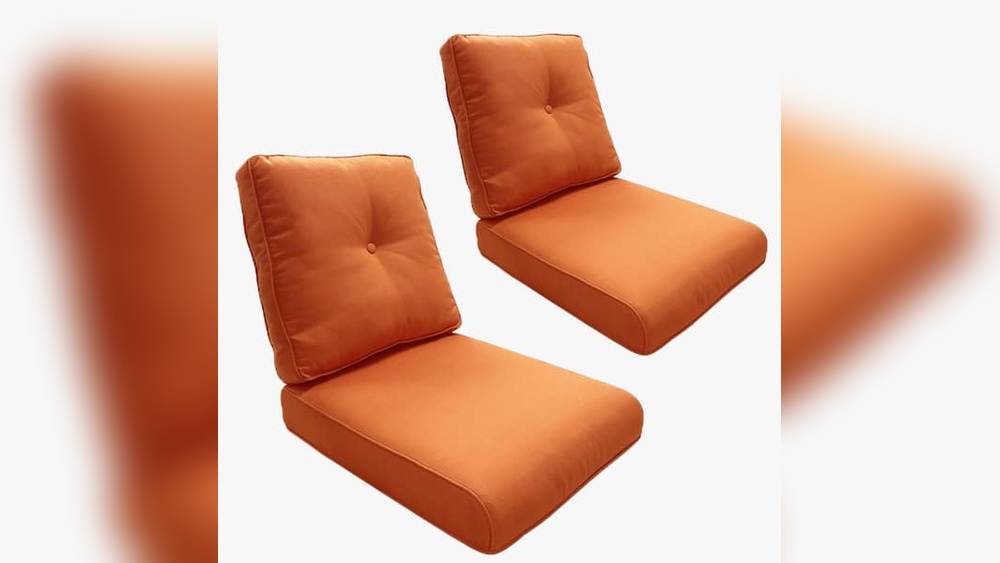
Cushions make outdoor furniture more comfortable and colorful. Choose weather-resistant fabrics for durability. Mix patterns and solid colors for visual interest. Soft cushions invite people to sit and relax. Use fabrics that dry quickly and resist fading. Bright colors can brighten up any dull furniture.
Using Accessories To Enhance Style
Accessories add charm and personality to your outdoor space. Use lanterns, candles, or small plants to decorate. Place a cozy throw over a chair for warmth. Decorative trays or bowls can hold snacks or drinks. Choose accessories that match your style and theme. These small items make your furniture feel new and special.
Routine Maintenance Tips
Routine maintenance keeps old outdoor furniture looking fresh and lasting longer. It prevents damage and preserves its charm. Simple habits protect your investment and save money on replacements. Follow easy steps to care for your furniture year-round.
Regular Cleaning Schedule
Clean your furniture often to stop dirt buildup. Use mild soap and water for most materials. A soft brush or cloth works well to remove grime. Rinse with clean water and dry fully to avoid mold. Clear dust and debris weekly to keep surfaces bright. Regular cleaning stops stains and extends furniture life.
Seasonal Care Advice
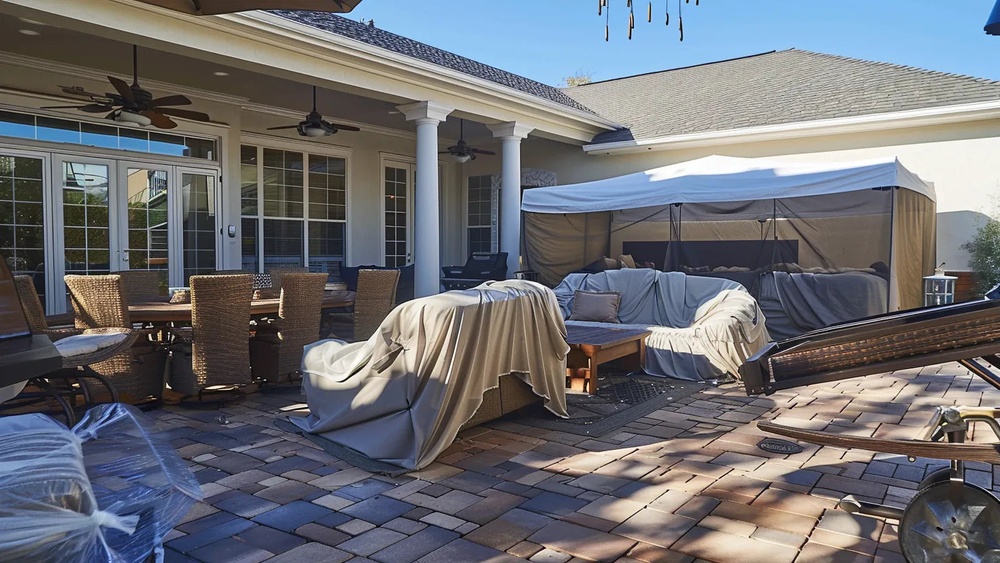
Prepare furniture for each season to avoid damage. In spring, check for cracks or loose parts and fix them. Summer calls for wiping away sweat, pollen, and dust daily. Autumn needs leaf removal and protection from rain. Winter requires covering or storing furniture indoors. Use waterproof covers to shield from snow and ice. Seasonal care prevents wear and keeps furniture strong.
Frequently Asked Questions
How Do I Clean Old Outdoor Furniture Effectively?
Use mild soap, warm water, and a soft brush to clean furniture. Rinse thoroughly and let it dry completely before restoration. Avoid harsh chemicals that can damage surfaces. Regular cleaning prevents dirt buildup and prepares furniture for further treatments.
What Materials Are Best For Reviving Weathered Outdoor Furniture?
Use appropriate cleaners and sealants for wood, metal, or plastic furniture. Wood benefits from sanding and staining. Metal requires rust removal and protective paint. Plastic furniture needs gentle cleaning and UV protectant sprays to restore appearance and durability.
Can I Restore Outdoor Furniture Without Sanding?
Light cleaning and applying a protective finish can revive some pieces without sanding. For minor wear, use wood conditioners or metal polish. However, sanding is often necessary to remove old paint or rust and ensure long-lasting restoration.
How Often Should I Maintain Outdoor Furniture?
Maintain outdoor furniture at least twice a year, ideally before and after the outdoor season. Regular inspections and touch-ups prevent damage from weather. Frequent cleaning and applying protective coatings extend furniture lifespan and keep it looking fresh.
Conclusion
Old outdoor furniture can look fresh again with simple care. Clean, sand, and paint or seal to protect it. Fix loose parts and replace worn pieces. Small steps bring big changes. Enjoy your revived furniture for many seasons. Save money and help the environment by reusing.
Take your time and have fun with the process. Your outdoor space will feel welcoming and new. Give your furniture a second chance today.