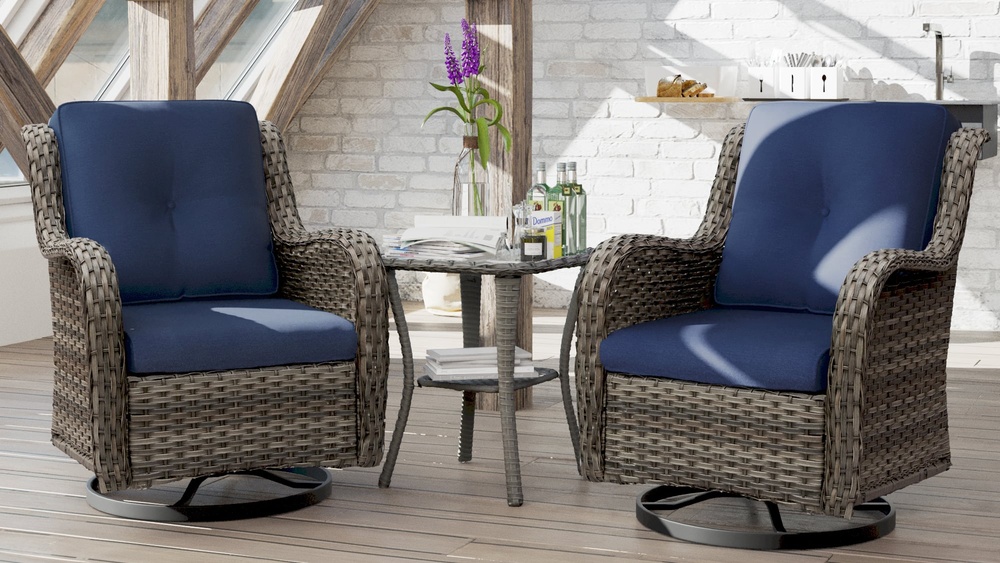
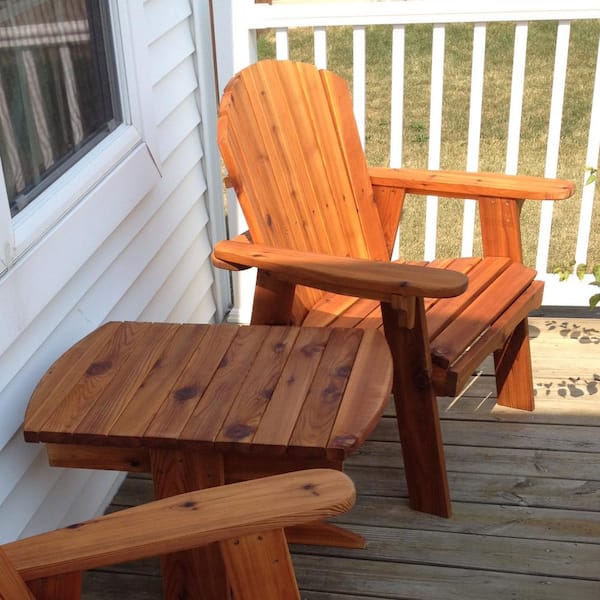
Your outdoor cedar furniture adds charm and comfort to your space, but without proper care, it can quickly lose its beauty. You want to keep your cedar looking fresh and protected from weather damage, but sealing it might feel like a tricky task.
What if you could learn a simple, effective way to seal your furniture that saves time and keeps it lasting for years? In this guide, you’ll discover easy steps to seal your outdoor cedar furniture, helping you enjoy its natural beauty while shielding it from sun, rain, and wear.
Ready to give your cedar the protection it deserves? Let’s get started.
Choosing The Right Sealant
Choosing the right sealant is key to protecting your outdoor cedar furniture. It helps keep the wood safe from water, sun, and dirt. The right sealant also keeps the wood looking fresh and beautiful. Different sealants work well for different needs. Understanding these options helps you make the best choice for your furniture.
Types Of Sealants For Cedar
Cedar wood needs sealants that protect and show its natural beauty. Common types include clear sealants, stains, and varnishes. Clear sealants let the wood’s color shine through. Stains add color and protect deeper layers. Varnishes create a hard, shiny surface that repels water well. Choose a type based on how much protection and color you want.
Oil-based Vs Water-based Options
Oil-based sealants soak deeply into cedar wood. They offer strong water resistance and last longer. Oil-based sealants can darken the wood slightly and take longer to dry. Water-based sealants dry fast and have less odor. They keep the wood’s natural color better but may need reapplication sooner. Pick oil-based for durability, water-based for quick drying and easy cleanup.
Eco-friendly Sealants
Eco-friendly sealants are safer for the environment and your health. They use natural ingredients and low chemicals. These sealants reduce harmful fumes and pollution. Many eco-friendly options still protect cedar well against rain and sun. Choosing green sealants helps care for nature while keeping furniture strong. Look for products labeled non-toxic or biodegradable.

Credit: www.reddit.com
Preparing Cedar Furniture
Preparing cedar furniture before sealing is important. It helps the sealant stick well and last longer. Clean, smooth, and fix the wood for best results. This step makes your furniture ready for protection against weather and wear.
Cleaning And Drying
Start by removing dirt and dust from the surface. Use a soft brush or cloth to clean gently. For stubborn stains, use mild soap and water. Rinse well to remove soap residue. Let the furniture dry fully under the sun. Dry wood absorbs sealant better and prevents mold.
Sanding Techniques
Sanding smooths the wood and opens pores for sealant. Use fine-grit sandpaper for gentle sanding. Move sandpaper along the grain of the wood. Avoid rough sanding that can damage the surface. Wipe off dust after sanding with a dry cloth. Smooth wood helps sealant apply evenly and last longer.
Repairing Damages
Check furniture for cracks, holes, or splinters. Fill small cracks with wood filler and let it dry. Sand the filled areas until smooth. Replace broken parts or tighten loose screws. Fixing damages prevents further decay and keeps furniture strong. Well-prepared furniture stays beautiful and durable.
Applying The Sealant
Applying sealant to outdoor cedar furniture protects it from moisture and sun damage. This step is key to keeping your furniture looking fresh for years. Proper application also helps the wood absorb the sealant evenly. Taking your time during this process ensures a smooth, lasting finish that guards against weather wear.
Tools You Need
- High-quality brush or foam applicator
- Clean cloth or rag
- Sandpaper (fine grit)
- Protective gloves
- Drop cloth or newspaper to protect the ground
Step-by-step Application
- Start by sanding the wood lightly to smooth rough spots.
- Wipe off dust using a clean, dry cloth.
- Put on gloves to protect your hands.
- Dip your brush or applicator into the sealant.
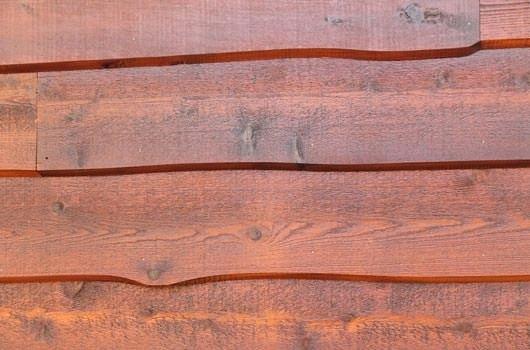
- Apply a thin, even coat along the wood grain.
- Cover all surfaces, including edges and corners.
- Let the sealant dry according to the label instructions.
- Apply a second coat for better protection if needed.
Tips For Even Coverage
- Work in small sections to avoid missing spots.
- Use long, smooth strokes following the wood grain.
- Check for drips and spread them out immediately.
- Avoid overloading the brush to prevent pooling.
- Apply sealant in a well-ventilated area.
- Keep the furniture dry during the drying process.
Credit: www.longhousecedar.com
Drying And Curing Times
Sealing outdoor cedar furniture protects it from weather damage and keeps it looking good. Drying and curing times are key steps in this process. These times allow the sealant to harden fully and create a strong barrier. Rushing can cause peeling or a sticky surface. Patience ensures your furniture stays safe and beautiful for years.
Optimal Weather Conditions
Choose dry days with mild temperatures. Ideal weather is between 60 and 80 degrees Fahrenheit. Avoid sealing when it is very hot or cold. High humidity slows drying and can trap moisture inside the wood. Windy days help sealants dry faster but avoid strong winds that carry dust. Morning or late afternoon is best to avoid direct sunlight.
Avoiding Common Mistakes
Do not apply sealant to wet or damp wood. Moisture stops the sealant from sticking properly. Avoid applying too many coats quickly. Each layer needs time to dry before the next. Do not touch the furniture before it fully cures. This can leave fingerprints or damage the finish. Check the sealant label for exact drying times. Follow instructions to get the best result.
Maintaining Sealed Cedar Furniture
Maintaining sealed cedar furniture helps keep its beauty and strength for years. Proper care stops damage from sun, rain, and dirt. It also saves you money by avoiding repairs or replacement. Simple steps can extend the life of your outdoor cedar pieces.
Routine Cleaning
Clean your cedar furniture regularly with a soft brush or cloth. Remove dust, dirt, and leaves gently to avoid scratches. Use mild soap and water for tougher spots. Rinse well and let the furniture dry completely before use. Avoid harsh chemicals that can damage the sealant.
Reapplying Sealant
Sealant wears off over time due to weather exposure. Check your furniture every year for signs of fading or dryness. Lightly sand rough areas before applying a new coat of sealant. Use a brush or cloth to spread the sealant evenly. Allow it to dry fully before using the furniture again.
Protecting From Extreme Weather
Move your cedar furniture to a covered area during heavy rain or snow. Use furniture covers to protect from sun damage and moisture. Avoid placing furniture directly on wet grass or soil. Store cushions and fabric parts indoors to prevent mold and fading. These steps reduce wear and keep wood healthy.
Credit: www.homedepot.com
Troubleshooting Common Issues
Sealing outdoor cedar furniture protects it from damage and keeps it looking fresh. Sometimes problems happen despite careful sealing. These common issues can be fixed with simple steps. Understanding these problems helps you maintain your furniture longer.
Peeling And Flaking
Peeling happens when the sealant does not stick well to the wood. This may result from dirt or moisture on the surface before sealing. Remove peeling areas by sanding gently. Clean the wood thoroughly before applying a new coat of sealant. Use a brush or cloth to spread the sealant evenly. Thin coats dry better and last longer.
Discoloration Problems
Discoloration appears as uneven color or dark spots on the wood. Sun exposure and moisture cause this issue. Clean the furniture with a mild soap and water mix. Rinse well and let it dry fully before resealing. Choose a sealant with UV protection to reduce sun damage. Regular maintenance prevents uneven fading.
Mold And Mildew Prevention
Mold and mildew grow in damp, shaded spots on cedar furniture. These fungi cause stains and weaken the wood. Clean affected areas with a mix of water and white vinegar. Scrub gently and rinse with water. Keep furniture in a place with good air flow. Apply a sealant that resists mold growth for extra protection.
Frequently Asked Questions
How Often Should I Seal Outdoor Cedar Furniture?
You should seal outdoor cedar furniture every 1 to 2 years. Regular sealing protects against moisture and UV damage. Check the finish annually and reseal when water no longer beads on the surface.
What Is The Best Sealer For Cedar Furniture?
A penetrating oil-based sealer or a clear exterior wood sealer works best. These sealers enhance cedar’s natural beauty and provide lasting protection against weather.
Should I Sand Cedar Furniture Before Sealing It?
Yes, lightly sanding cedar furniture before sealing removes rough spots and old finishes. Use fine-grit sandpaper for a smooth surface that helps the sealer absorb evenly.
Can I Seal Cedar Furniture In Cold Weather?
It’s best to seal cedar furniture when temperatures are above 50°F (10°C). Cold weather slows drying and curing, which may affect the sealer’s performance.
Conclusion
Sealing outdoor cedar furniture protects it from rain and sun. It keeps the wood strong and looking fresh. Clean the furniture well before you start sealing. Use a good quality sealant for the best results. Apply the sealant evenly and let it dry completely.
Repeat the process every year to keep the wood safe. Taking these simple steps helps your furniture last longer. Enjoy your beautiful cedar pieces for many seasons. Easy care makes outdoor furniture a smart choice.