Are you tired of watching your beautifully painted outdoor furniture fade, chip, or peel after just one season? You’ve invested time and effort into making your outdoor space look amazing—now it’s time to protect that hard work.
Sealing your painted furniture is the secret to keeping it looking fresh and vibrant, no matter the weather. You’ll discover simple, effective steps to seal your outdoor painted furniture like a pro. Stick with me, and you’ll learn how to extend the life of your pieces, save money, and enjoy a stunning outdoor setup year after year.
Ready to give your furniture the protection it deserves? Let’s dive in!
Choosing The Right Sealer
Choosing the right sealer is key to protecting outdoor painted furniture. The right sealer keeps paint safe from weather and wear. It helps maintain color and finish for a long time. Picking the correct type depends on your furniture material and the conditions it faces. Understanding sealer types and features guides you to the best choice.
Types Of Sealers For Outdoor Use
Sealants come in several forms. Polyurethane is popular for its strong protection. Acrylic sealers offer good clarity and flexibility. Spar urethane is designed for outdoor use. It handles moisture and temperature changes well. Each type varies in durability and finish. Choose a sealer that matches your furniture’s needs.
Water-based Vs. Oil-based Sealers
Water-based sealers dry fast and clean up easily. They have less odor and fewer chemicals. Oil-based sealers take longer to dry. They provide a harder, more durable finish. Oil-based options resist scratches and stains better. Both types protect well but suit different projects. Consider drying time and durability when selecting.
Uv Protection Features
Sunlight can fade painted furniture quickly. Sealers with UV protection block harmful rays. This feature helps maintain vibrant color. It also prevents wood from drying and cracking. Look for sealers labeled with UV inhibitors. This extends the life and look of your furniture.
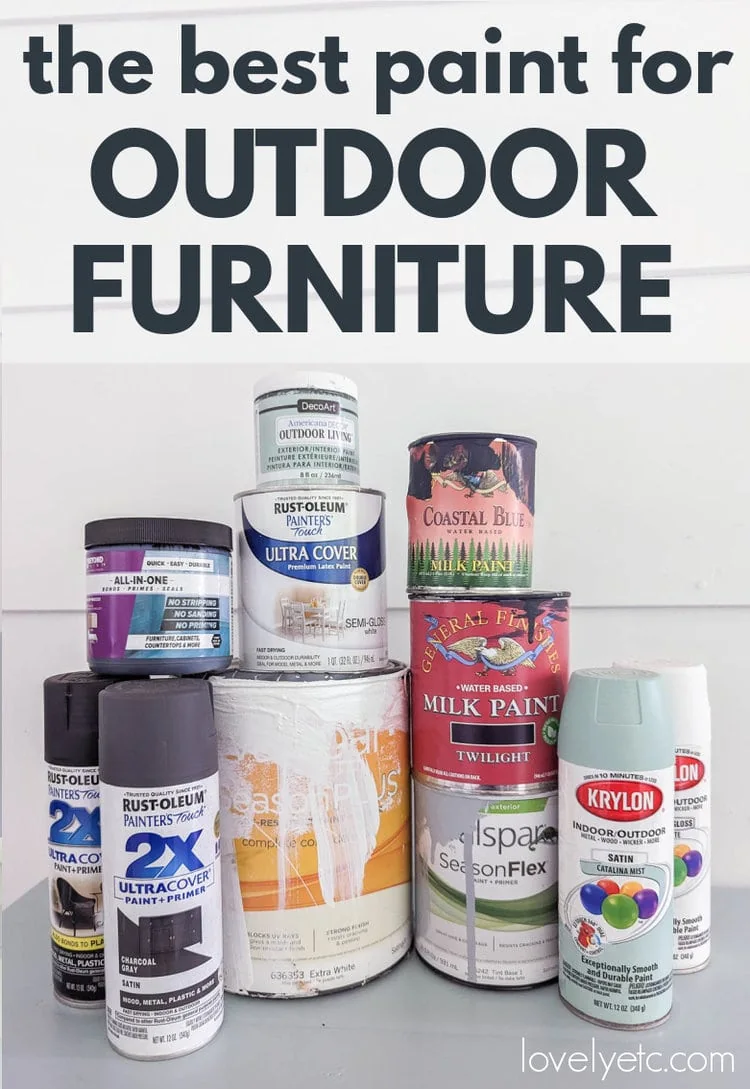
Credit: www.lovelyetc.com
Preparing Painted Furniture
Preparing painted furniture properly is key to a long-lasting seal. It helps the sealant stick well and protects the paint from weather damage. Take time to prepare each surface carefully. Clean, smooth, and fix the furniture before sealing.
Cleaning And Drying Surfaces
Start by removing dirt, dust, and grime. Use a mild soap and water solution. Wipe the furniture gently with a soft cloth or sponge. Rinse with clean water to remove soap residue. Let the furniture dry completely. Moisture can stop the sealant from sticking properly.
Sanding For Better Adhesion
Lightly sand the painted surface using fine-grit sandpaper. This creates a rough texture for the sealant to grip. Sand evenly without removing the paint. After sanding, wipe away the dust with a damp cloth. Allow the surface to dry fully before sealing.
Repairing Imperfections
Check for cracks, chips, or peeling paint. Fill small cracks or holes with wood filler or putty. Smooth the area with sandpaper once dry. Remove loose paint flakes using a scraper. A smooth surface helps the sealant work better and last longer.
Application Techniques
Sealing outdoor painted furniture protects it from weather and wear. Proper application techniques ensure the sealant works well and lasts long. Follow these steps to apply sealant evenly and correctly. This helps your furniture stay beautiful and strong through all seasons.
Tools For Sealing
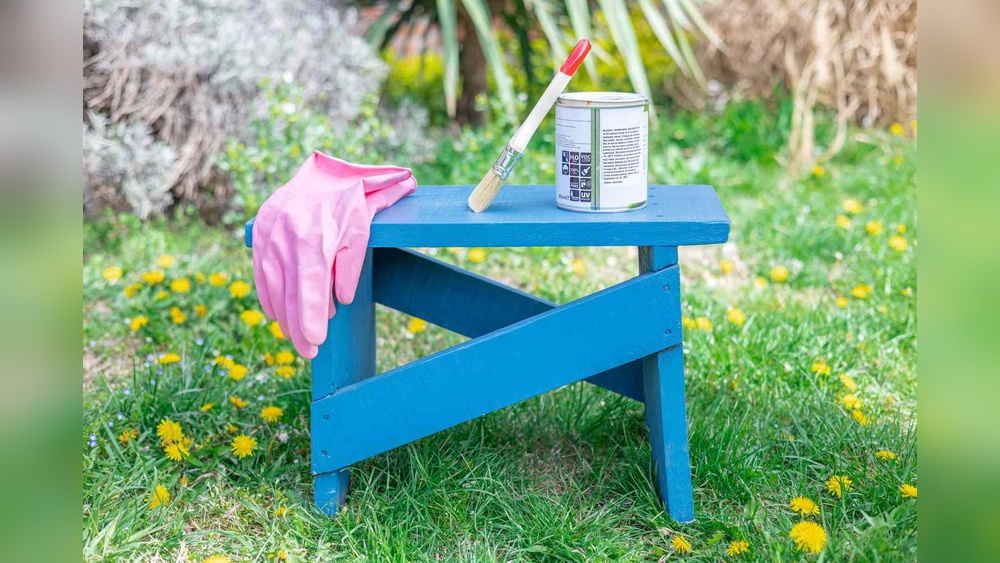
Choose the right tools to apply sealant smoothly. Use a high-quality brush with soft, synthetic bristles. A foam brush works well for small areas and corners. For larger surfaces, a paint roller can speed up the process. Have a clean cloth ready to wipe off any drips.
Applying Even Coats
Dip your brush lightly into the sealant. Spread it in thin, even strokes. Avoid thick layers that can drip or bubble. Cover every part of the furniture with smooth, steady movements. Let each coat dry fully before adding another layer.
Drying Times Between Layers
Allow enough time for the sealant to dry between coats. Usually, wait at least 2 to 4 hours. Check the product label for exact drying times. Proper drying helps the sealant stick better and last longer. Avoid rushing or applying layers too soon.

Credit: www.lovelyetc.com
Maintenance Tips
Keeping outdoor painted furniture in good shape takes effort. Proper maintenance helps protect your paint and extends the life of your furniture. Simple steps can keep your pieces looking fresh and vibrant year-round.
Regular Cleaning
Clean your furniture often to remove dirt and dust. Use a soft cloth or sponge with mild soap and water. Avoid harsh chemicals that can damage paint or sealant. Rinse well and dry with a clean towel. Regular cleaning prevents buildup that wears down the finish.
Touch-up Sealing
Check for scratches or chips in the paint. Apply a small amount of sealant to these areas to protect them from moisture. Touch-ups stop damage from spreading and keep the surface smooth. Do this after cleaning and before wet weather or extreme sun exposure.
Seasonal Protection Strategies
Prepare your furniture for changing weather each season. Cover pieces during heavy rain or snow to avoid water damage. Move lightweight items indoors in winter if possible. Use breathable covers to prevent mold and mildew. These steps help maintain paint and sealant quality over time.
Common Mistakes To Avoid
Sealing outdoor painted furniture protects it from weather damage. Many people make simple mistakes that reduce the sealer’s effectiveness. Avoid these errors to keep your furniture looking fresh and lasting longer.
Sealing Over Wet Paint
Never apply sealer over wet paint. Wet paint traps moisture inside. This causes bubbles and peeling later. Always wait until the paint is fully dry. Drying time depends on paint type and weather. Patience ensures a smooth, strong finish.
Using Incompatible Sealers
Use a sealer that matches your paint type. Oil-based paint needs oil-based sealer. Water-based paint requires water-based sealer. Mixing types causes cloudiness and poor adhesion. Check product labels carefully before buying. The right sealer protects and enhances the paint.
Skipping Surface Preparation
Clean and sand the furniture before sealing. Dirt, dust, and rough spots stop the sealer from sticking. Use a gentle cleaner and fine sandpaper. Remove all dust with a cloth. Proper prep creates a smooth surface for better protection.
/how-to-seal-painted-wood-for-the-outdoors-5214910-hero-02-0dd1602cb80e4b33a09b10e15ebc1c7d.jpg)
Credit: www.thespruce.com
Frequently Asked Questions
How Long Does Outdoor Paint Sealing Last?
Outdoor paint sealing typically lasts 2-5 years. Proper surface prep and quality sealer extend durability. Regular maintenance also helps preserve the finish.
What Is The Best Sealer For Outdoor Painted Furniture?
A clear polyurethane or spar varnish works best. These sealers resist moisture, UV rays, and temperature changes, protecting the paint effectively.
Can I Seal Outdoor Furniture Immediately After Painting?
Wait at least 24-48 hours for paint to fully dry. Applying sealer too soon can cause bubbling or peeling.
Should I Sand Furniture Before Sealing Painted Surfaces?
Light sanding with fine-grit sandpaper smooths the surface. It improves sealer adhesion and ensures an even, long-lasting finish.
Conclusion
Sealing outdoor painted furniture keeps it safe from weather damage. It stops paint from chipping and fading. Choose the right sealant for your furniture type. Apply it evenly and let it dry well. Regular sealing helps your furniture look fresh longer.
Take time to care for your outdoor pieces. Enjoy your beautiful, protected furniture all year round. Simple steps make a big difference in durability. Protect your work and keep furniture looking great.