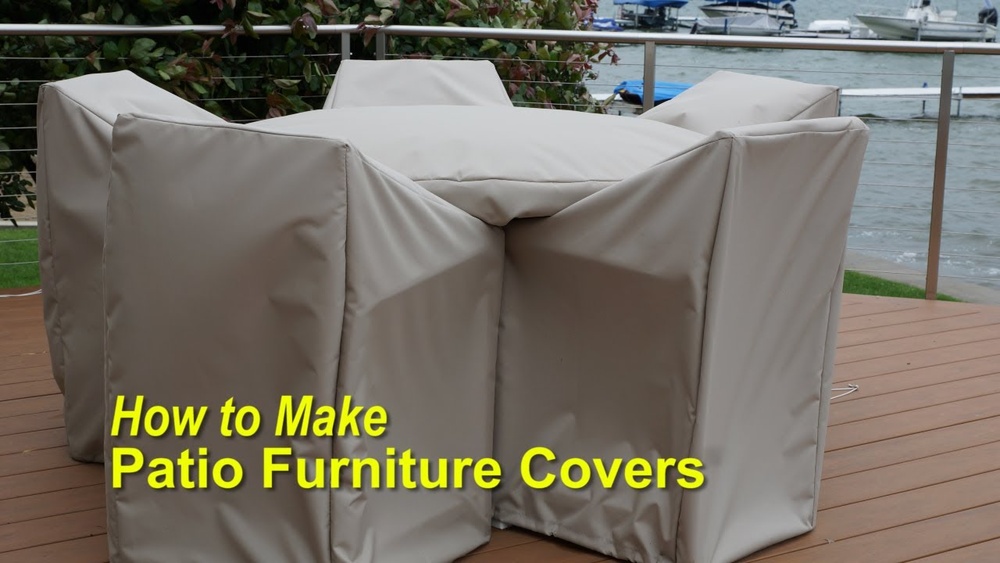
Are you tired of watching your outdoor furniture fade or get damaged by rain, sun, and dust? Making your own outdoor furniture covers can save you money and give you exactly the fit and style you want.
Imagine having covers that protect your furniture perfectly, last for years, and even brighten up your patio. In this guide, you’ll discover simple steps to sew durable, custom covers that keep your outdoor pieces safe and looking great. Keep reading—you’re just a few easy stitches away from transforming the way you care for your outdoor space.
Choosing The Right Fabric
Choosing the right fabric is key to making durable outdoor furniture covers. The fabric must protect against weather and wear. Picking the best material helps your covers last longer and keep furniture safe.
Waterproof And Uv-resistant Materials
Outdoor covers need waterproof fabrics to keep rain away. Waterproof materials stop water from soaking through. UV-resistant fabrics block sunlight that can fade colors. These fabrics protect furniture from sun damage and rain.
Durability And Breathability
Strong fabrics resist tears and rough weather. Durable materials handle wind and heavy use well. Breathable fabrics allow air flow to stop mold and mildew. Choosing breathable fabric keeps furniture dry and fresh.
Color And Aesthetic Options
Fabric color sets the look of your covers. Choose colors that match your outdoor space. Dark colors hide dirt better than light ones. Patterns and textures can add style to your covers.
Measuring Your Furniture
Measuring your outdoor furniture is the first step to sewing perfect covers. Accurate measurements ensure the cover fits well and protects your furniture. Take your time and be precise. This makes sewing easier and the final cover more durable.
Taking Accurate Dimensions
Use a tape measure to get the length, width, and height of your furniture. Measure at the widest points. Write down each number clearly. Measure twice to avoid mistakes. Don’t forget to measure legs and arms if they stick out.
Allowing For Seams And Hems
Add extra space for seams and hems. Usually, add about one inch to each side. This space lets you sew pieces together without making the cover too tight. It also helps the cover last longer and fit better.
Creating A Pattern Template
Make a paper or cardboard template from your measurements. Cut out shapes for each part of the furniture. Use the template to cut fabric pieces. This step helps to keep your fabric cuts precise and consistent.
Gathering Necessary Supplies
Before sewing outdoor furniture covers, gather all the needed supplies. This step saves time and ensures smooth work. Having the right tools and materials makes the process easier. Let’s explore the must-have items for this project.
Essential Sewing Tools
Start with a strong sewing machine that handles thick fabrics. Use heavy-duty needles, size 90/14 or higher. Sharp scissors or rotary cutters help cut fabric accurately. Measuring tape and fabric chalk mark measurements clearly. Pins or clips hold pieces together during sewing. A seam ripper fixes any mistakes quickly.
Recommended Thread Types
Choose polyester or nylon thread for strength and weather resistance. These threads endure sun, rain, and wind well. Avoid cotton thread as it weakens outdoors. Use heavy-duty thread thickness for durability. Matching the thread color with fabric gives a neat look. Double-threading can add extra strength to seams.
Optional Reinforcement Materials
Consider using waterproof fabric spray for extra protection. Adding fusible interfacing strengthens weak areas. Reinforce corners and seams with fabric patches or webbing. Using vinyl or tarp liners inside covers adds water resistance. Reinforcements extend cover life and improve durability.
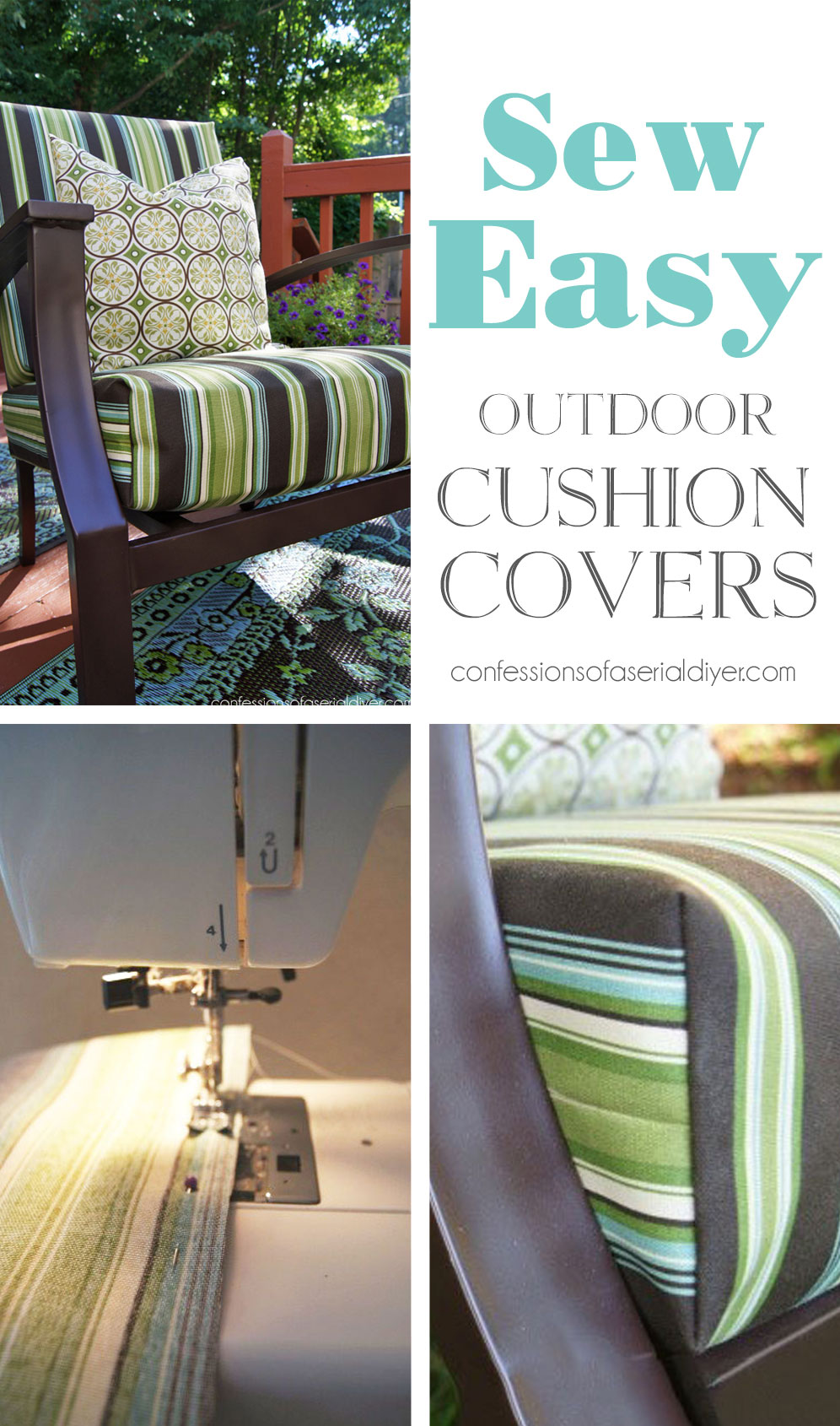
Credit: www.confessionsofaserialdiyer.com
Cutting The Fabric
Cutting the fabric is a key step in making outdoor furniture covers. This part sets the stage for sewing and final fit. Accurate cutting ensures the cover fits well and lasts longer. Take your time and prepare well before cutting the fabric.
Laying Out The Pattern
Start by spreading the fabric on a flat surface. Make sure it is smooth and wrinkle-free. Place the pattern pieces on the fabric carefully. Align them with the fabric grain for strength. Pin the pattern to the fabric to keep it steady. Check that all pieces fit without overlapping.
Marking Seam Allowances
Seam allowance is the extra fabric for sewing edges together. Use a ruler to measure a consistent width around the pattern. Mark the seam allowance with tailor’s chalk or a fabric marker. This guide helps to cut the fabric correctly. Keep the seam allowance even for a neat finish.
Tips For Precise Cutting
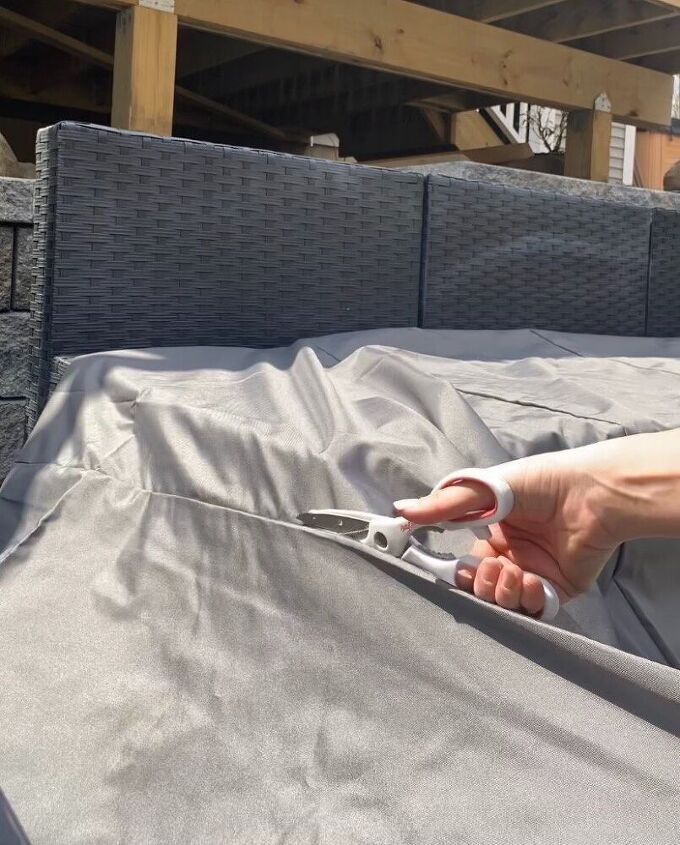
Use sharp fabric scissors for clean edges. Cut slowly and follow the marked lines exactly. Avoid lifting the fabric too much while cutting. Keep your hand steady to prevent jagged edges. Double-check measurements before cutting each piece. Precise cutting makes sewing easier and the cover stronger.
Sewing The Pieces Together
Sewing the pieces together is a key step in making outdoor furniture covers. This stage joins all fabric parts into one strong cover. Taking care during sewing ensures durability and a neat look. Using the right stitch and finishing methods helps the cover last longer against weather.
Stitch Types For Strength
Choose stitches that hold fabric tightly. A straight stitch works well for most seams. Use a longer stitch length to avoid fabric holes. Double stitching adds extra strength. Zigzag stitches help if the fabric stretches. Always sew slowly to keep stitches even and strong.
Seam Finishing Techniques
Finish seams to stop fabric from fraying. Use pinking shears to cut edges in a zigzag. Overlock stitches seal raw edges neatly. Folding seams and sewing again gives a clean finish. Seam tape can be ironed on for extra protection. Good seam finishing makes covers last through rain and sun.
Adding Reinforced Corners
Corners take the most stress and wear. Reinforce corners with extra fabric patches. Sew patches with tight, strong stitches. Use a square or triangle shape for patches. Add an extra row of stitching around edges. Reinforced corners prevent tears and keep covers fitting well.
Credit: www.hometalk.com
Adding Closures And Fasteners
Adding closures and fasteners is key for a good outdoor furniture cover. These help keep the cover tight and secure. They stop the cover from blowing away or letting dirt in. Choosing the right closure makes your cover last longer and fit better. Here are some common options to think about.
Using Zippers Vs. Velcro
Zippers create a strong, tight seal. They keep water and dust out well. They also look neat and last long. Velcro is easier to use. It lets you open and close covers fast. Velcro works best for light covers. Zippers are better for heavy-duty protection.
Incorporating Drawstrings Or Elastic
Drawstrings help you pull the cover tight around the furniture. They work great on covers with open bottoms. Elastic bands stretch and hold the cover snug. Elastic is good for quick fitting. Both keep the cover close to the furniture. They stop wind from lifting the cover.
Installing Grommets For Tie-downs
Grommets are metal rings you add to cover edges. They make strong points to tie ropes or bungee cords. These keep covers from flying off in strong wind. Place grommets evenly around the bottom edge. Use sturdy cords to fasten the cover to furniture legs.
Waterproofing And Maintenance
Outdoor furniture covers face rain, sun, dust, and dirt. Keeping them waterproof and clean helps protect your furniture. Proper maintenance extends the life of your covers. It saves money and keeps your outdoor space neat.
Applying Waterproof Coatings
Use a spray-on waterproof coating made for fabric. Clean the cover before applying the coating. Spray evenly and let it dry fully. Repeat the process every few months. This stops water from soaking in. It helps prevent mold and mildew.
Cleaning Tips For Longevity
Remove loose dirt by shaking or brushing the cover. Use mild soap and water to clean stains. Avoid harsh chemicals that can damage fabric. Rinse thoroughly to remove soap residue. Let the cover dry completely in the sun. Regular cleaning keeps covers fresh and strong.
Storing Covers When Not In Use
Fold covers neatly to avoid creases and damage. Store them in a dry, cool place away from sunlight. Use a breathable bag or container for storage. Do not keep covers in plastic bags. Proper storage prevents mold and fabric wear. This keeps covers ready for the next season.

Credit: www.canvasetc.com
Troubleshooting Common Issues
Troubleshooting common issues is part of sewing outdoor furniture covers. Small problems can make a big difference in how well the cover protects your furniture. Fixing these issues keeps the cover strong and looking good. Here are some simple tips to solve typical problems.
Dealing With Fabric Fraying
Fabric fraying happens when edges start to unravel. Cut fabric edges often fray after sewing. To stop this, use pinking shears to cut the fabric. These scissors cut in a zigzag pattern that reduces fraying.
Another way is to sew a tight zigzag stitch along the edges. This holds the threads together. You can also use fabric glue or fray check liquid. Apply it to the edges to keep them neat.
Repairing Seams And Tears
Seams can come apart or tear during use. Check seams regularly for small holes or loose threads. Fix small tears by sewing them with a needle and thread. Use a strong thread made for outdoor fabrics.
For bigger tears, patch the damaged area with a piece of fabric. Sew the patch tightly around the edges. Reinforce the seams by sewing an extra line of stitches next to the original seam.
Adjusting Fit For Better Coverage
A cover that fits well protects better. Sometimes covers are too loose or tight. Adjust the size by sewing new seams or letting out old ones. Measure your furniture carefully before making changes.
Add elastic bands or drawstrings to improve fit. These help the cover stay in place during wind or rain. Make sure the cover fully covers the furniture to keep it safe from weather.
Frequently Asked Questions
What Materials Are Best For Outdoor Furniture Covers?
The best materials are waterproof fabrics like polyester or vinyl. They protect against rain, UV rays, and dust. Choose breathable fabrics to prevent mold and mildew. Ensure the material is durable and easy to clean for long-lasting protection.
How Do I Measure Furniture For Custom Covers?
Measure length, width, and height of each furniture piece. Add extra inches for seams and ease of fit. Accurate measurements ensure a snug, protective cover. Use a tape measure and record dimensions precisely before cutting fabric.
Can I Sew Waterproof Outdoor Furniture Covers At Home?
Yes, you can sew waterproof covers using a heavy-duty sewing machine. Use waterproof thread and seam tape for extra protection. Choose fabrics designed for outdoor use. Follow a clear pattern to ensure proper fit and durability.
How Do I Maintain And Clean Sewn Outdoor Covers?
Clean covers with mild soap and water using a soft brush. Avoid harsh chemicals that can damage waterproof coatings. Let covers dry completely before storing. Regular cleaning extends fabric life and keeps covers looking fresh.
Conclusion
Sewing outdoor furniture covers protects your items from weather damage. It saves money by avoiding frequent replacements. Using strong, waterproof fabric ensures long-lasting covers. Take your time measuring and cutting for a perfect fit. Simple stitches can hold the cover together firmly.
Personalizing covers adds style to your outdoor space. This project suits beginners and experienced sewers alike. Start sewing today and keep your furniture safe and clean. Easy steps, useful results, and a bit of patience make a big difference.


