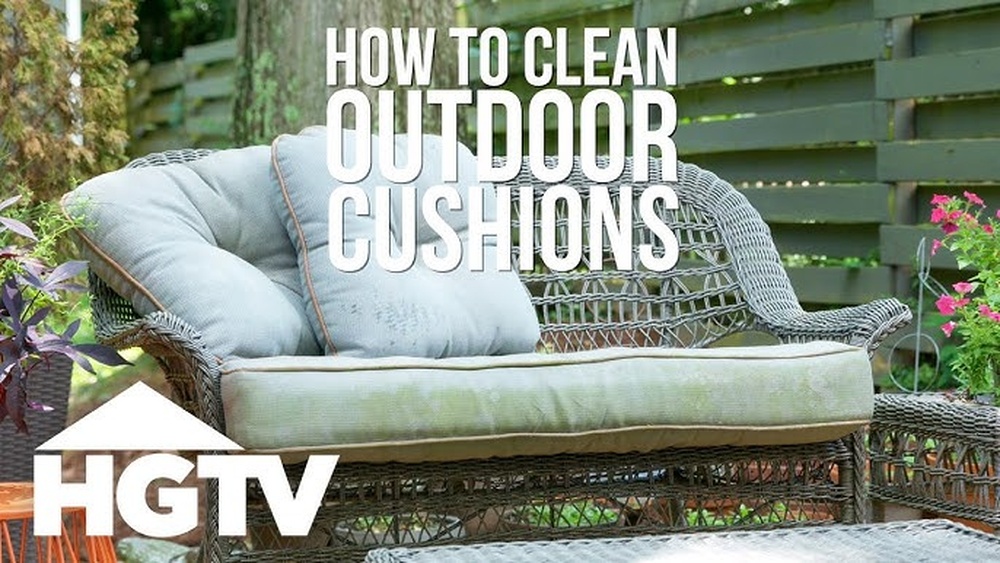
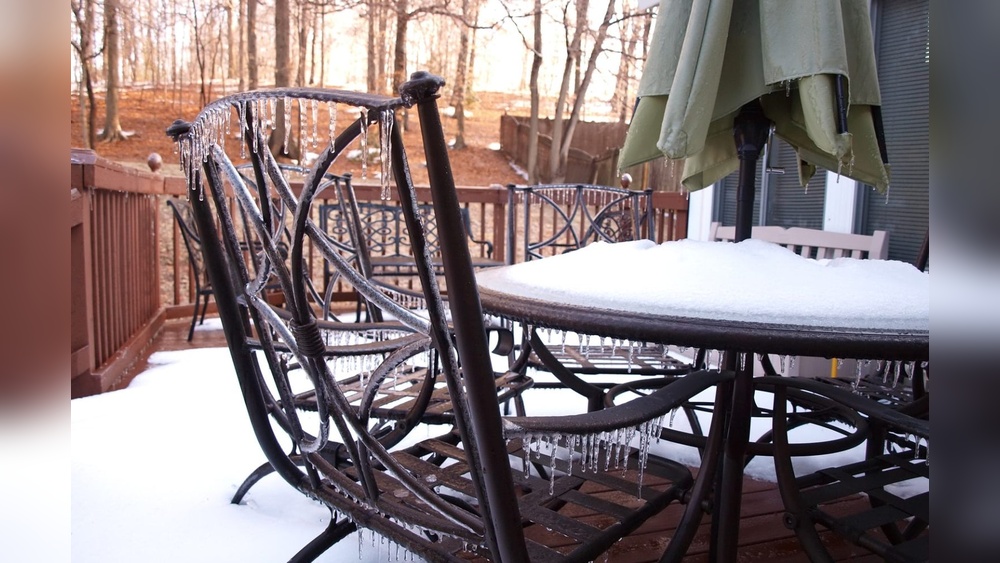
Your outdoor wood furniture adds charm and comfort to your space, but without proper care, it can quickly lose its beauty. If you want your furniture to stay vibrant and strong through sun, rain, and changing seasons, knowing how to stain and protect it is key.
This guide will show you simple, effective steps to bring out the best in your wood and keep it looking great for years. Ready to transform your outdoor furniture into a lasting centerpiece? Let’s dive in.
Choosing The Right Wood
Choosing the right wood is key for outdoor furniture. The wood must handle weather well. It should resist moisture, sun, and bugs. This choice affects how long your furniture lasts. It also changes the look after staining and sealing. Knowing common wood types and durability helps make the right pick.
Common Outdoor Wood Types
Cedar is light, smells nice, and resists rot naturally. Pine is cheaper but needs more protection from water. Teak is very strong and oily, so it handles rain well. Redwood has a rich color and handles decay. Each wood type reacts differently to stain and sealants. Picking the right one depends on budget and style.
Wood Durability Factors
Wood hardness affects scratch and dent resistance. Denser woods last longer but can be heavier. Natural oils in wood fight insects and moisture. Grain tightness helps prevent water soaking in. Some woods absorb stain better for a richer look. Outdoor wood must stand sun, rain, and temperature changes. Proper protection improves durability significantly.
Credit: www.reddit.com
Selecting The Best Stain
Choosing the right stain is key to protecting outdoor wood furniture. The right stain keeps wood safe from weather and wear. It also enhances the wood’s natural look. Picking a good stain means your furniture lasts longer and looks better. Understanding different stain types helps make the best choice.
Oil-based Vs Water-based Stains
Oil-based stains soak deep into the wood. They provide strong protection and rich color. These stains last long and resist water well. Water-based stains dry faster and have less odor. They clean up easily with soap and water. Water-based stains keep color bright but may need more coats.
Color Options And Effects
Stains come in many colors, from natural wood tones to bold hues. Transparent stains show wood grain clearly. Semi-transparent stains add color but keep some grain visible. Solid stains cover the wood completely, hiding imperfections. Choose a color that fits your style and outdoor space.
Uv Protection Features
Sunlight can fade and damage wood over time. Stains with UV blockers protect wood from sun damage. These stains help maintain color and prevent cracking. Look for products that list UV protection on the label. UV protection keeps furniture looking new longer.
Preparing Wood For Staining
Preparing wood for staining is the key step to achieve a smooth, lasting finish. Proper preparation helps the stain soak evenly and protects the wood. It also prevents peeling and blotches. Take time to clean, repair, and remove any old finish from your outdoor furniture. This care sets the foundation for a beautiful result.
Cleaning And Sanding Tips
Start by cleaning the wood surface thoroughly. Use mild soap and water with a soft brush. Remove dirt, dust, and mildew to open the wood pores. Let the wood dry completely before sanding. Sand the surface with medium-grit sandpaper for even texture. Sand along the grain to avoid scratches. Finish with fine-grit sandpaper for smoothness. Wipe off dust using a clean cloth or tack cloth.
Repairing Surface Imperfections
Check for cracks, holes, or dents on the wood. Fill small holes with wood filler or putty. Use a putty knife to smooth the filler flush with the surface. Allow the filler to dry as per instructions. Sand the filled areas lightly until smooth. Remove loose wood fibers or splinters carefully. This step makes the wood surface uniform and ready for staining.
Removing Old Finish
Old paint, varnish, or stain must be removed before staining. Use a chemical stripper or a sanding method. Apply the stripper evenly and wait for it to lift the old finish. Scrape off the softened finish with a plastic scraper. Sand the surface afterward to remove residues. Ensure the wood is clean and dry before staining. Removing old finish ensures better stain absorption and durability.
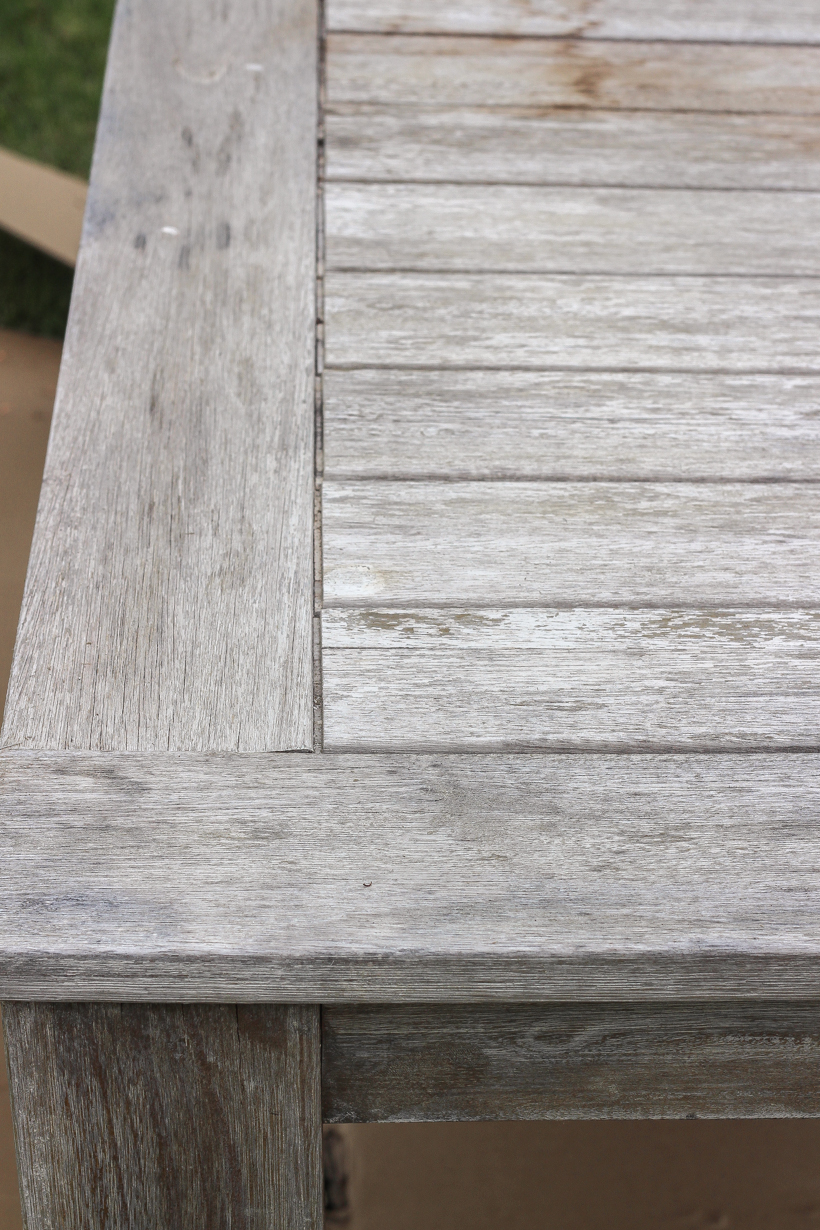
Credit: lovegrowswild.com
Applying Stain Correctly
Applying stain correctly is key to keeping outdoor wood furniture beautiful and durable. The right technique helps the wood absorb the stain evenly. It also protects the wood from weather damage. A good stain job brings out the wood’s natural color and grain. It makes your furniture last longer and look great.
Tools And Materials Needed
- Wood stain suitable for outdoor use
- Sandpaper (medium and fine grit)
- Clean cloths or rags
- Brush or foam applicator
- Protective gloves
- Drop cloth or newspaper to protect the work area
- Wood cleaner or mild soap
- Sealant or topcoat (optional for extra protection)
Step-by-step Application Process
- Clean the furniture thoroughly using wood cleaner or mild soap.
- Sand the surface with medium grit sandpaper to remove rough spots.
- Finish sanding with fine grit sandpaper for smoothness.
- Wipe off all dust with a clean cloth.
- Put on gloves to protect your hands.
- Apply the stain evenly using a brush or foam applicator.
- Follow the wood grain for best results.
- Wipe off excess stain with a clean rag after a few minutes.
- Let the stain dry completely according to the product’s instructions.
- Apply a second coat if needed for deeper color and protection.
- Seal the wood with a clear topcoat for extra durability (optional).
Common Mistakes To Avoid
- Skipping sanding can cause uneven stain absorption.
- Applying too much stain leads to blotchy spots.
- Not wiping off excess stain leaves sticky, uneven surfaces.
- Staining in direct sunlight may cause quick drying and streaks.
- Ignoring drying times weakens the finish and protection.
- Using the wrong type of stain for outdoor wood reduces durability.
- Failing to clean the surface before staining traps dirt under the finish.
Sealing And Protecting Wood
Sealing and protecting wood is a key step in caring for outdoor furniture. It helps keep the wood safe from rain, sun, and dirt. This protection makes the wood last longer and keeps it looking fresh. Without sealing, wood can crack, fade, or rot over time.
Choosing the right sealant is important. The right product can protect wood better and keep its natural beauty. Using good application techniques ensures the sealant works well. Regular maintenance keeps the wood strong and attractive for years.
Choosing The Right Sealant
Pick a sealant made for outdoor wood. Look for one that blocks water and resists UV rays. Some sealants add color, while others are clear. Oil-based sealants soak deep into the wood. Water-based sealants dry faster and have less smell. Choose one that fits your wood type and climate.
Application Techniques
Start with clean, dry wood. Sand the surface smooth to help sealant stick. Use a brush or cloth to apply sealant evenly. Apply thin coats to avoid drips. Let each coat dry before adding the next. Follow the sealant label for drying times and number of coats.
Maintenance Tips For Longevity
Check your furniture every year. Clean dirt and dust before resealing. Lightly sand worn areas to smooth the surface. Apply a fresh coat of sealant as needed. Store furniture in shade or cover it in bad weather. Good care keeps wood strong and beautiful longer.

Credit: osmouk.com
Seasonal Care For Outdoor Furniture
Seasonal care is key to keeping outdoor wood furniture strong and good-looking. Wood faces many challenges from sun, rain, snow, and wind. Each season brings different conditions that can harm your furniture. Simple steps help protect and maintain wood through these changes.
Regular care extends the life of your furniture. It also keeps the wood from cracking, fading, or rotting. This section explains how to care for your wood furniture in winter, summer, and after bad weather.
Preparing For Winter
Winter can be harsh on wood. Start by cleaning the furniture well. Remove dirt, dust, and old stains. Use a soft brush and mild soap. Let the furniture dry completely.
Apply a fresh coat of outdoor wood stain or sealant. This adds a protective layer against moisture and cold. Cover the furniture with a waterproof cover. Store smaller pieces indoors if possible. This reduces exposure to snow and ice.
Summer Maintenance
Summer heat and sunlight can dry out wood. Clean your furniture every few weeks. Remove dust and pollen with a soft cloth. Use a light coat of wood oil or stain to keep moisture in.
Check for cracks or splits caused by heat. Sand rough spots gently and apply stain again. Move furniture to shaded areas if possible. This prevents sun damage and fading.
Handling Weather Damage
Storms and heavy rain can damage wood furniture. After bad weather, inspect the wood carefully. Look for water stains, mold, or loose parts. Clean any mold with a mixture of water and vinegar.
Sand any rough or splintered areas. Apply wood stain or sealant to repair the surface. Tighten screws and fix loose joints. Quick repairs stop further damage and keep furniture safe to use.
Eco-friendly Staining Options
Eco-friendly staining options help protect outdoor wood furniture without harming nature. These choices keep your garden safe while making wood look beautiful. They use natural ingredients and avoid harsh chemicals. This way, your furniture stays strong and the environment stays clean.
Natural And Non-toxic Stains
Natural stains come from plants, fruits, or minerals. They give wood a warm, rich color. These stains do not release bad fumes. They are safe for children and pets around your home.
Non-toxic stains use water or plant oils as a base. They protect wood from sun and rain. You can find these stains in many stores or make your own at home. Natural oils like linseed or tung oil also seal and nourish wood without chemicals.
Sustainable Wood Choices
Using sustainable wood helps the environment. This wood comes from forests that grow back fast. It is harvested in a way that does not damage nature.
Look for wood labeled FSC or PEFC. These labels show the wood is from well-managed forests. Combining sustainable wood with eco-friendly stains keeps your furniture green inside and out.
Frequently Asked Questions
What Is The Best Stain For Outdoor Wood Furniture?
The best stain for outdoor wood furniture is a penetrating oil-based stain. It protects wood from moisture, UV rays, and mildew. Choose a product labeled for exterior use to ensure durability and enhance the wood’s natural beauty.
How Often Should Outdoor Wood Furniture Be Stained?
Outdoor wood furniture should be stained every 1 to 3 years. Frequency depends on weather exposure and wood type. Regular staining maintains protection and keeps the wood looking fresh.
Can I Stain Outdoor Wood Furniture Without Sanding?
Light sanding is recommended before staining outdoor wood furniture. It removes old finishes and smooths the surface for better stain absorption. Skipping sanding may lead to uneven color and poor adhesion.
How Do I Protect Stained Wood Furniture From Weather Damage?
Apply a clear water-repellent sealer after staining to protect wood furniture. It prevents moisture penetration and sun damage. Reapply the sealer annually for ongoing protection and longer furniture life.
Conclusion
Staining and protecting outdoor wood furniture keeps it looking great longer. Clean the wood well before you start. Apply stain evenly to avoid blotches. Let it dry completely between coats. Use a good sealant to protect against weather. Regular care prevents damage from sun and rain.
This simple process saves money on repairs later. Enjoy your beautiful, well-maintained furniture every season. Easy steps make a big difference. Keep your outdoor space inviting and fresh.