Your wooden outdoor furniture can look stunning and last for years if you know the right way to stain it. But how do you make sure the stain goes on evenly and protects your wood from weather damage?
You might feel unsure about the steps or worry about making mistakes. Don’t worry—this guide will walk you through simple, clear steps to stain your furniture like a pro. By the end, you’ll have the confidence to refresh your outdoor space and keep your wood looking great season after season.
Ready to transform your furniture? Let’s get started!
Choosing The Right Stain
Choosing the right stain is key to protecting and beautifying wooden outdoor furniture. The right stain keeps wood safe from sun, rain, and wear. It also brings out the natural grain and color of the wood. Picking the best type and color of stain makes a big difference in how your furniture looks and lasts.
Types Of Wood Stains
Wood stains come in many types. Some soak deep into the wood. Others sit on the surface. Penetrating stains protect wood by soaking in and sealing the fibers. Surface stains create a layer on top that blocks water and sun. Some stains also include sealants for extra protection. Choose a type that fits your wood and weather conditions.
Oil-based Vs. Water-based Stains
Oil-based stains last longer and show wood grain well. They resist water and wear better. They take longer to dry and have a strong smell. Water-based stains dry faster and clean up easily with soap and water. They have less odor and are safer for the environment. They may need more coats over time. Pick the one that suits your needs and comfort.
Selecting Colors For Outdoor Furniture
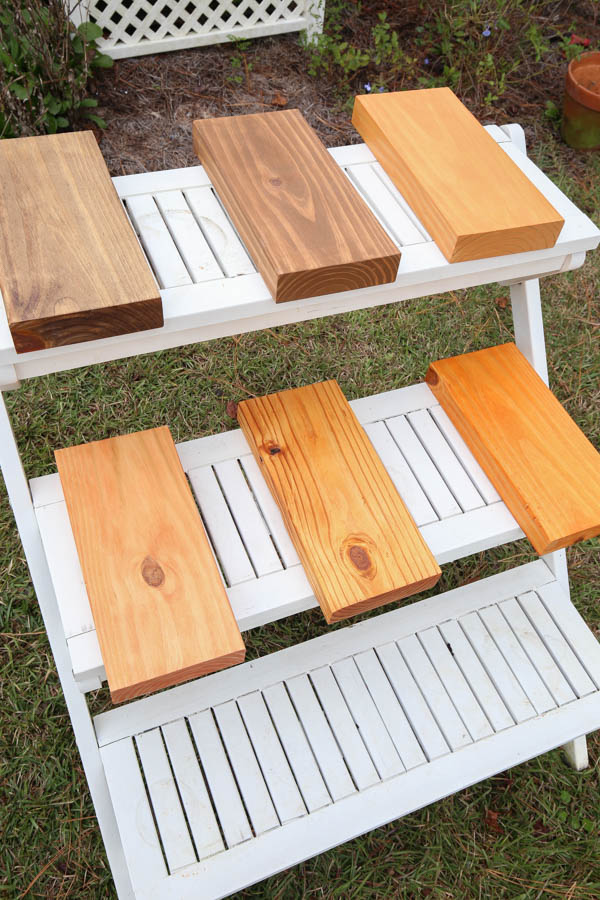
Colors affect the look and feel of your furniture. Light colors hide dust and heat less. Dark colors show scratches but hide stains better. Natural wood tones keep the wood’s original look. Bright colors add personality but may fade faster. Test small areas to see how the color changes in sunlight. Choose a color that fits your style and outdoor space.
Credit: angelamariemade.com
Preparing The Furniture
Preparing wooden outdoor furniture before staining is a key step. It helps the stain stick better and last longer. Proper preparation also brings out the wood’s natural beauty. This process includes cleaning, sanding, and fixing any damage.
Cleaning And Removing Old Finish
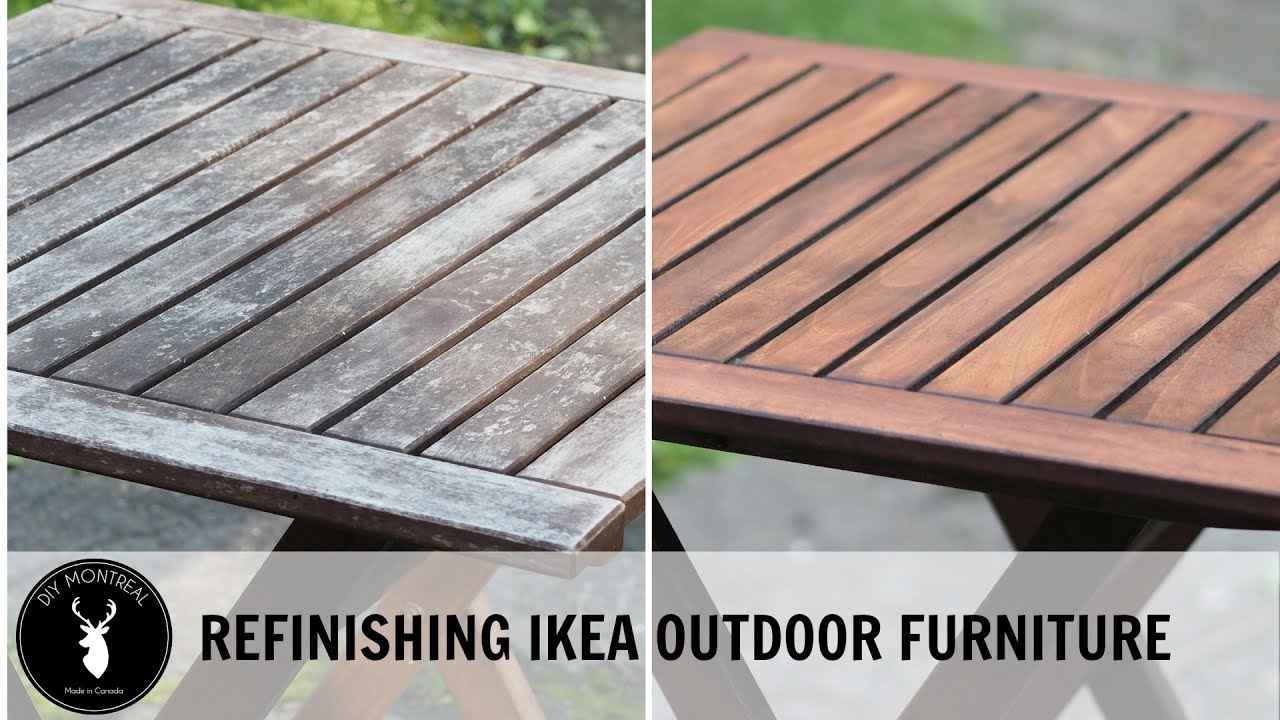
Start by cleaning the furniture to remove dirt and grime. Use a mild soap mixed with water and a soft brush. Rinse well and let the wood dry completely. Old finishes must be removed for the new stain to work well. Use a chemical stripper or sandpaper to take off old paint or varnish.
Sanding Techniques For Smooth Surfaces
Sanding smooths the wood and opens the pores for better stain absorption. Begin with medium-grit sandpaper to remove rough spots and old finish. Follow with fine-grit sandpaper for a smooth surface. Always sand in the direction of the wood grain to avoid scratches. Wipe away dust with a damp cloth before staining.
Repairing Damages And Imperfections
Check the furniture for cracks, holes, or loose joints. Fill small cracks and holes with wood filler. Let the filler dry and sand it smooth. Tighten or glue loose parts to keep the furniture sturdy. Repairing ensures a nice, even finish and longer-lasting furniture.
Applying The Stain
Applying stain to wooden outdoor furniture brings out its natural beauty. It also protects the wood from weather damage. The right technique makes the finish smooth and long-lasting. Follow simple steps to get great results.
Tools And Materials Needed
- Wood stain suitable for outdoor use
- Clean paintbrush or foam brush
- Lint-free cloth or rag
- Sandpaper (medium and fine grit)
- Protective gloves
- Drop cloth or plastic sheet
- Stir stick
- Bucket of clean water (for water-based stains)
Step-by-step Staining Process
- Start by sanding the furniture with medium-grit sandpaper. Smooth the surface with fine-grit sandpaper afterward.
- Wipe off dust using a clean cloth. Ensure the surface is dry before staining.
- Stir the stain well to mix pigment and oils evenly.
- Apply stain with a brush or cloth, following the wood grain direction.
- Work in small sections to keep a wet edge and avoid lap marks.
- Let the stain sit for 5 to 15 minutes. The longer it sits, the darker the color.
- Wipe off excess stain with a clean rag to prevent blotches.
- Allow the furniture to dry fully before applying a second coat if needed.
Tips For Even Application
- Test the stain on a small hidden area first.
- Keep brush strokes smooth and consistent.
- Do not rush; take your time for even coverage.
- Apply thin coats instead of thick layers.
- Work in shade or during cooler parts of the day.
- Check for drips and wipe them immediately.
Credit: www.youtube.com
Protecting The Finish
Protecting the finish on wooden outdoor furniture keeps it looking fresh and new. The right finish stops water, sun, and dirt from damaging the wood. It also helps the stain last longer and keeps colors bright. Proper care extends the life of your furniture and keeps it strong.
Choosing The Right Sealant
Select a sealant made for outdoor wood. Look for water-resistant and UV-blocking features. These protect the wood from rain and sun damage. A clear sealant keeps the wood’s natural look. Tinted sealants add color and extra protection. Use a sealant that matches your stain type. Follow the product instructions for best results.
Applying Protective Coatings
Apply sealant with a brush or sprayer evenly. Cover all surfaces, including edges and corners. Avoid thick layers to prevent peeling or bubbling. Let the first coat dry completely before adding a second. Two coats usually provide the best protection. Work in a well-ventilated area on a dry day.
Maintenance For Longevity
Clean your furniture regularly with mild soap and water. Remove dirt and debris that can wear down the finish. Check for cracks or peeling sealant every few months. Reapply sealant as needed, usually once a year. Store furniture indoors or use covers during harsh weather. Small care steps keep your wood looking great for years.
Troubleshooting Common Issues
Staining wooden outdoor furniture can be tricky. Sometimes the stain does not look right after application. Common problems include uneven color, blotches, and mistakes. These issues can spoil the final look of your furniture. Luckily, most problems have simple fixes. This section helps you solve these common staining challenges quickly.
Dealing With Uneven Stain
Uneven stain happens when wood absorbs stain differently. Some parts look darker or lighter than others. Sanding the surface lightly before staining can help. Use a clean cloth to wipe off extra stain soon after applying. Work in small sections to keep the stain even. Apply a second coat only after the first dries fully.
Fixing Blotches And Streaks
Blotches appear when stain pools in some spots. Streaks show as lines where stain was spread unevenly. To fix blotches, use fine sandpaper to smooth the area. Wipe dust away before restaining. For streaks, apply stain with a soft brush or cloth in long, even strokes. Keep a wet edge while working to avoid marks.
Removing Stain Mistakes
Mistakes like drips or wrong color can happen. Use a stain remover or mineral spirits to clean these spots. Apply with a cloth and rub gently. After removing the stain, sand the area lightly. Reapply stain carefully once the wood is dry. Test stain on a hidden spot first to avoid errors.
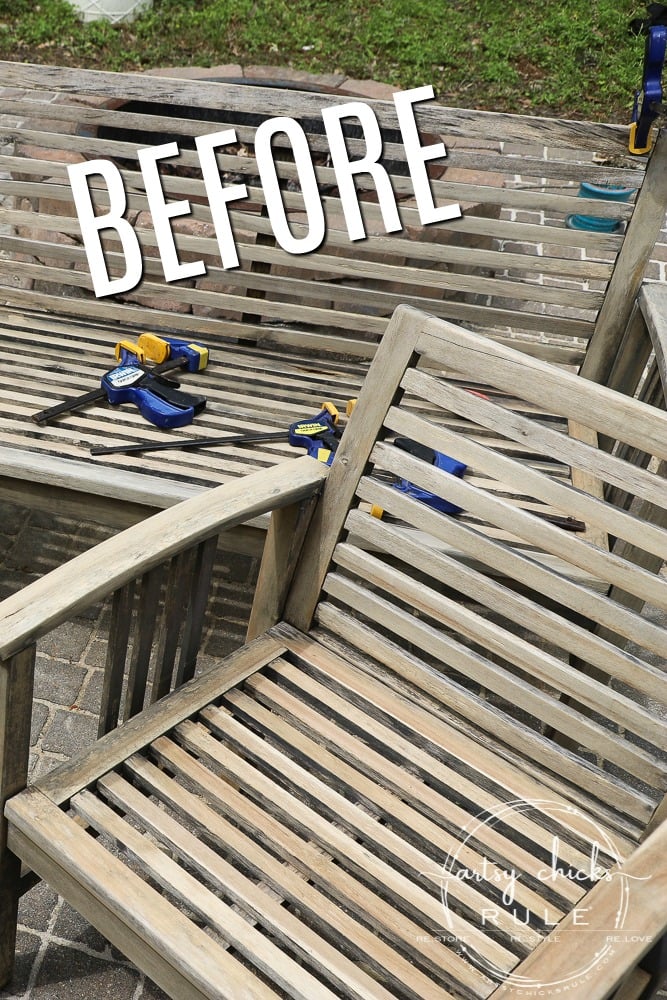
Credit: www.artsychicksrule.com
Seasonal Care Tips
Taking care of wooden outdoor furniture through the seasons helps keep it strong and beautiful. Seasonal care prevents damage and keeps the wood looking fresh. Simple steps can protect your furniture from harsh weather and dirt. Follow these tips to maintain your outdoor pieces year-round.
Preparing Furniture For Winter
Clean the furniture thoroughly before winter arrives. Remove dirt and old stains with a gentle cleaner. Allow the furniture to dry completely to avoid mold. Apply a fresh coat of stain or sealant for protection. Cover the furniture with waterproof covers or move it indoors. Proper preparation stops moisture and cold from damaging the wood.
Cleaning And Touch-ups In Spring
Spring is perfect for a deep clean. Use mild soap and water to remove grime and pollen. Check for any cracks or peeling stain. Lightly sand rough areas to smooth the surface. Apply a new layer of stain where needed. This refreshes the wood and prepares it for sunny days ahead.
Preventing Weather Damage
Place furniture in shaded or sheltered areas to reduce sun damage. Use protective covers during rain or snow. Avoid placing wet items directly on the wood. Regularly inspect for signs of wear or damage. Quick repairs stop small problems from growing. Consistent care keeps your wooden furniture strong and long-lasting.
Frequently Asked Questions
What Is The Best Wood Stain For Outdoor Furniture?
The best wood stain for outdoor furniture is a high-quality, exterior-grade stain. Choose a product with UV protection and water resistance. Oil-based stains penetrate deeply and protect wood better. Semi-transparent stains highlight wood grain while offering good protection. Always select a stain suitable for your wood type.
How Long Should I Wait Before Staining Outdoor Furniture?
Wait at least 24 to 48 hours after cleaning or sanding before staining. The wood must be completely dry for the stain to absorb properly. Moisture can cause uneven color and poor adhesion. Ensure the furniture is dry, clean, and free of dust for best results.
Can I Apply Stain Without Sanding Wooden Furniture?
Sanding is recommended but not always mandatory. Light sanding helps the stain penetrate evenly and removes old finishes. If the surface is smooth and clean, you may apply stain directly. However, sanding improves stain absorption and durability, especially for outdoor wooden furniture.
How Often Should Outdoor Wooden Furniture Be Restained?
Restain outdoor wooden furniture every 1 to 3 years depending on exposure. High sun, rain, and humidity can wear the stain faster. Inspect the wood annually for fading or peeling. Regular maintenance preserves the wood’s appearance and extends furniture life.
Conclusion
Staining wooden outdoor furniture keeps it looking fresh and strong. Clean the wood well before you start. Choose the right stain for your wood type. Apply the stain evenly and let it dry fully. Regular care helps your furniture last longer.
Enjoy your beautiful, protected outdoor pieces every season. Simple steps make a big difference in wood care. Try staining your furniture for a nice, natural finish. Your outdoor space will feel warm and inviting.