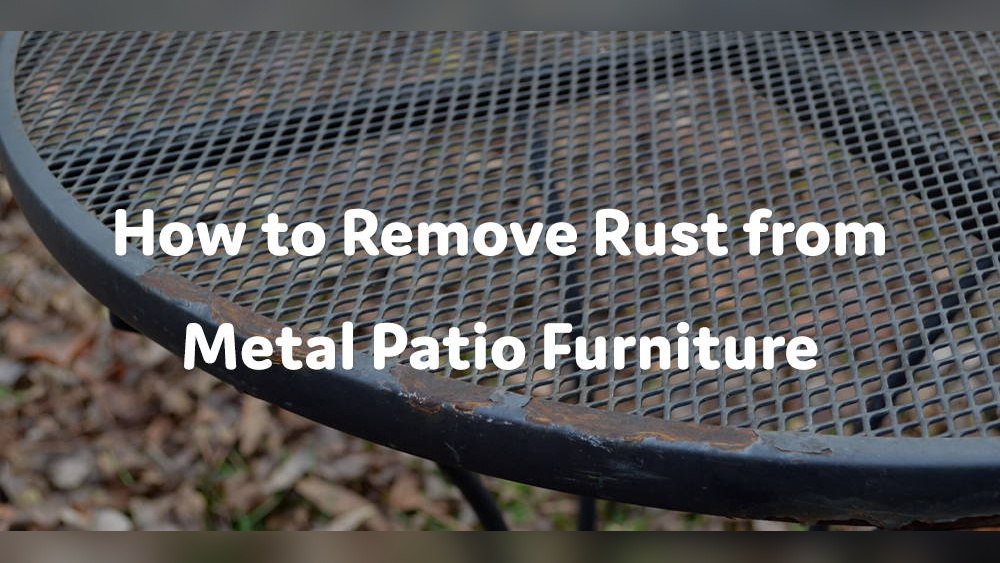
Rust on your outdoor furniture can quickly turn a beautiful patio into an eyesore. You want your space to look inviting and well-kept, but those stubborn rust spots keep spoiling the look.
The good news? You don’t have to replace your furniture or spend a fortune to fix this. With the right steps, you can stop rust in its tracks and keep your outdoor pieces looking great for years. Keep reading to discover simple, effective ways to protect your furniture and enjoy your outdoor space without worrying about rust.
Credit: www.youtube.com
Causes Of Rust On Outdoor Furniture
Rust forms on outdoor furniture due to several common causes. Understanding these causes helps protect your furniture and keep it looking new. Rust damages metal surfaces and weakens the structure. It also lowers the furniture’s lifespan and appeal.
Exposure To Moisture And Humidity
Moisture is the main reason rust develops on outdoor furniture. Rain, dew, and wet air make metal surfaces wet. Water reacts with iron in the metal, starting the rust process. High humidity speeds up rust by keeping surfaces damp for longer periods. Even small water drops cause rust over time.
Impact Of Weather Conditions
Weather plays a big role in rust formation. Sun, rain, snow, and wind all affect metal furniture. Rain and snow bring water that causes rust. Sunlight heats metal, causing it to expand and contract. This creates tiny cracks where rust can start. Wind carries dirt and moisture that settle on furniture, helping rust grow.
Material Vulnerability
Not all outdoor furniture materials resist rust equally. Iron and steel rust easily without protection. Metals with coatings resist rust better but can fail if scratched. Aluminum and stainless steel resist rust but still can corrode in harsh environments. Understanding the metal type helps choose better rust protection.

Credit: www.youtube.com
Signs Rust Is Taking Over
Rust on outdoor furniture starts small but grows fast. Spotting early signs can save your pieces. Watch for changes that show rust is taking over. Acting early keeps your furniture strong and looking good.
Visible Discoloration And Flaking
Rust begins as orange or brown spots on metal surfaces. These spots often spread and darken over time. Flaking paint or metal shows rust beneath the surface. This damage means rust is eating the metal.
Structural Weakness
Rust weakens metal by eating through it. Furniture may feel wobbly or bend easily. Screws and joints can loosen or break. These are signs the rust has gone deep inside.
Surface Roughness
Rust makes metal feel rough and uneven. Smooth surfaces become bumpy or grainy. Running your hand over the metal reveals this texture change. It means rust is damaging the top layer.
Simple Rust Removal Techniques
Rust can damage outdoor furniture and ruin its look. Removing rust early helps keep your furniture strong and nice. Simple methods work well and need few tools. These easy rust removal techniques help restore your metal furniture fast.
Using Vinegar And Baking Soda
Vinegar and baking soda are natural cleaners. Soak a cloth in vinegar and rub it on rust spots. Let it sit for 15 minutes. Then sprinkle baking soda on the area. Use a soft brush to scrub gently. Rinse with water and dry. Repeat if rust is still visible. This method is safe and cheap.
Applying Commercial Rust Removers
Rust removers from stores work fast. Follow the instructions on the product label carefully. Wear gloves to protect your skin. Apply the remover with a brush or cloth. Wait the recommended time, usually a few minutes. Wipe off rust and clean the area with water. These products dissolve rust efficiently on tough spots.
Sanding And Scraping Methods
Sanding and scraping remove rust physically. Use sandpaper or a wire brush on rusty parts. Work gently to avoid scratching the metal too much. Scrape off loose rust flakes with a putty knife. Clean dust and rust bits with a damp cloth. This method prepares the surface for painting or sealing. It works best on heavy rust areas.
Credit: www.sky-linedesign.co.uk
Protective Measures For Prevention
Protecting outdoor furniture from rust requires simple, effective steps. Taking care of your furniture before rust appears saves time and money. These protective measures keep metal surfaces safe from moisture and air. Follow these easy tips to extend your furniture’s life and keep it looking good.
Applying Rust-resistant Paints
Rust-resistant paints act as a shield against moisture and oxygen. Choose paints made for metal surfaces to ensure strong protection. Clean the furniture well before painting. Remove any old rust or dirt for better paint adhesion. Apply at least two coats for full coverage. Allow each coat to dry completely before the next. This layer stops rust from forming under the paint.
Using Protective Covers
Protective covers block rain, dust, and dirt from reaching your furniture. Use covers made of waterproof materials for best results. Make sure the covers fit tightly to avoid water pooling. Remove the covers during sunny days to prevent moisture build-up. Covers also protect from harmful sun rays that can damage paint. Store covers in a dry place when not in use.
Regular Cleaning And Maintenance
Clean your outdoor furniture often to remove dirt and moisture. Use mild soap and water with a soft cloth or brush. Dry the furniture thoroughly after washing to stop rust growth. Check for scratches or chips in the paint regularly. Touch up these spots with rust-resistant paint immediately. Tighten loose screws and bolts to keep the furniture sturdy. These small actions help prevent rust and extend furniture life.
Restoring Rusted Furniture
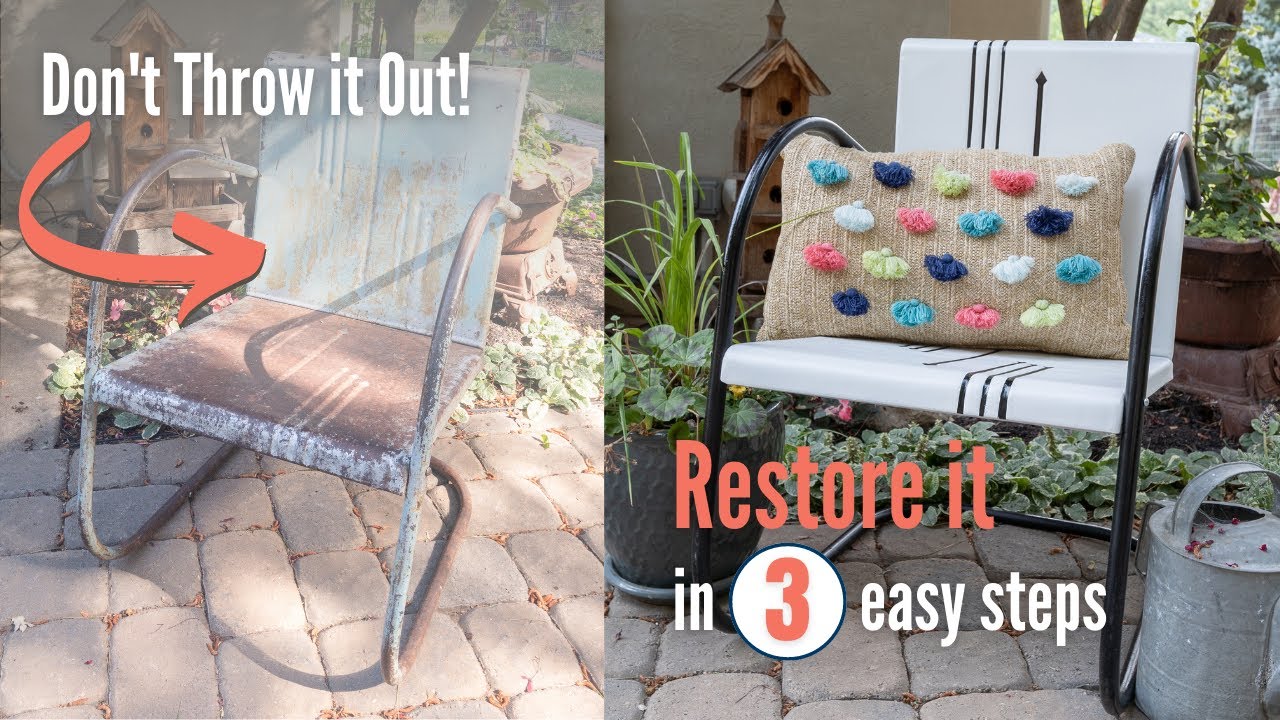
Restoring rusted outdoor furniture brings old pieces back to life. It protects metal from further damage. The process needs care and simple tools. Small steps make big differences. Follow easy tips to make your furniture strong and good-looking again.
Repairing Damaged Areas
Start by cleaning the rusted spots with a wire brush. Scrub away loose rust and dirt. Use sandpaper to smooth rough patches. Apply a rust remover to treat the metal. Let it dry fully before moving on. Repair dents or holes with metal filler. Sand the filler smooth once dry.
Repainting And Sealing
Choose paint made for metal and outdoor use. Apply a primer to help paint stick and block rust. Paint in thin, even layers for best results. Allow each layer to dry well. Finish with a clear sealant to protect paint and metal. This keeps moisture out and stops rust return.
Replacing Severely Affected Parts
Some parts may be too damaged to fix. Remove rusted bolts, screws, or panels carefully. Find matching replacements at hardware stores. Install new pieces to restore strength and look. Check all joints and fasteners during replacement. This ensures safety and longer furniture life.
Choosing Rust-resistant Materials
Choosing rust-resistant materials is key to keeping outdoor furniture looking good. These materials can handle rain, humidity, and sun without damage. This saves you time and money on repairs and replacements. Picking the right material also means less work for you in the long run.
Aluminum And Stainless Steel Options
Aluminum is light and will not rust. It stands up well to rain and moisture. Stainless steel is stronger and also resists rust. Both metals require little care to stay clean and shiny. They are perfect choices for outdoor furniture that lasts.
Synthetic And Coated Materials
Synthetic materials like plastic and resin are rust-free. They do not absorb water or corrode. Coated metals have a special layer that blocks rust. Powder-coated steel is very popular. The coating protects the metal under it from moisture.
Wood Alternatives
Wood can rot and rust nearby metal parts. Wood alternatives like teak or synthetic wood resist water and decay. These materials last long without much care. They offer a natural look without the risk of rust damage.
Seasonal Care Tips
Seasonal care helps keep outdoor furniture rust-free and looking good. Different weather needs different care steps. Follow simple tips each season to protect your furniture from rust and damage. Regular care saves time and money on repairs later.
Preparing Furniture For Winter
Clean furniture with mild soap and water before winter. Dry it completely to stop moisture buildup. Apply a rust-proof spray or paint for extra protection. Cover furniture with waterproof covers to block snow and rain. Store cushions inside to prevent mold and mildew.
Summer Maintenance Practices
Check furniture for rust spots after rain or heavy dew. Sand small rust patches gently, then repaint the area. Wipe furniture regularly to remove dirt and salt. Use a UV-resistant spray to protect paint from sun damage. Keep furniture dry by moving it under shade or cover.
Storage Solutions
Store metal furniture in a dry, covered place during bad weather. Use breathable covers to avoid trapped moisture. Avoid placing furniture directly on damp ground. Elevate items on wooden pallets or shelves. Remove cushions and store them indoors to keep them dry and clean.
Frequently Asked Questions
How Can I Prevent Rust On Outdoor Furniture?
Regularly clean and dry your furniture to remove moisture. Apply rust-resistant paint or sealant to protect metal surfaces. Store furniture in a covered area during rain or winter. Use protective covers when not in use to reduce exposure to humidity.
What Products Work Best To Stop Rust On Furniture?
Rust converters and rust-resistant primers work well to stop rust. Use spray paints designed for metal to create a protective layer. WD-40 or similar lubricants help prevent moisture buildup. Always choose products labeled for outdoor metal use for best results.
How Often Should I Maintain Outdoor Metal Furniture?
Inspect and clean your furniture every 3 to 6 months. Reapply rust-resistant paint or sealants annually or as needed. Promptly remove any rust spots using sandpaper or a wire brush. Regular maintenance extends the life of your outdoor furniture.
Can Rust Damage Outdoor Furniture Permanently?
Yes, rust can weaken metal and cause permanent damage. If untreated, rust spreads and may cause holes or structural failure. Early treatment can save furniture by stopping rust progression. Regular care prevents costly repairs or replacement.
Conclusion
Stopping rust on outdoor furniture takes care and regular attention. Clean your furniture often to keep dirt and moisture away. Apply protective coatings like paint or sealant to block rust. Store furniture in dry places during wet seasons. Small rust spots need quick treatment to prevent spreading.
These simple steps help your furniture last longer and look good. Enjoy your outdoor space without worrying about rust damage. Keep up with these habits and your furniture stays strong and beautiful. Easy to do, worth the effort.