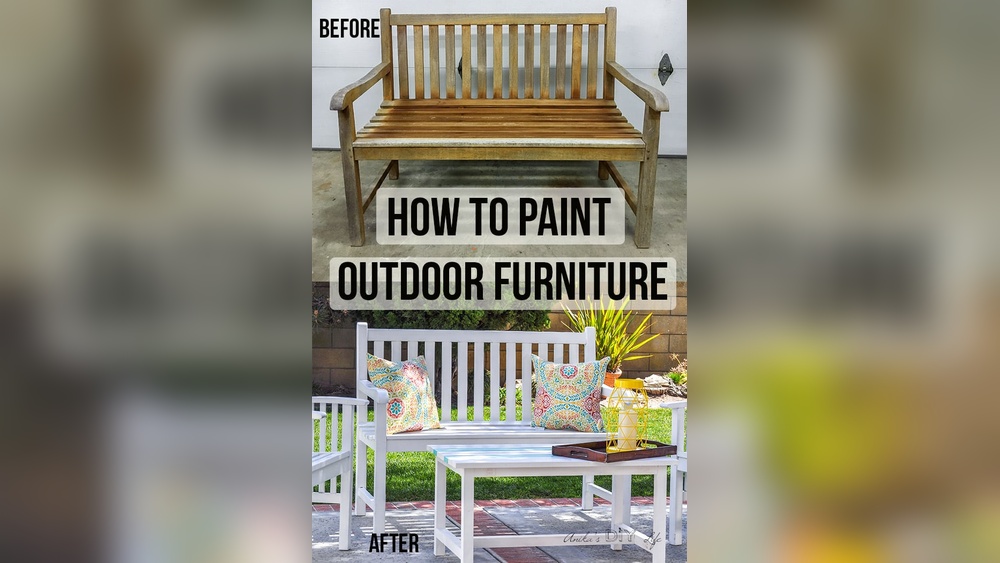
Rust on your outdoor patio furniture can be frustrating to see. It not only makes your favorite spot look old and worn but can also weaken the metal, cutting its life short.
If you’ve noticed those ugly orange spots creeping in, you probably want a quick and easy way to fix them before they get worse. You’ll discover simple steps you can take to remove rust and protect your furniture so it stays strong and beautiful for many seasons to come.
Keep reading—you’ll be surprised how easy it is to bring your patio furniture back to life!
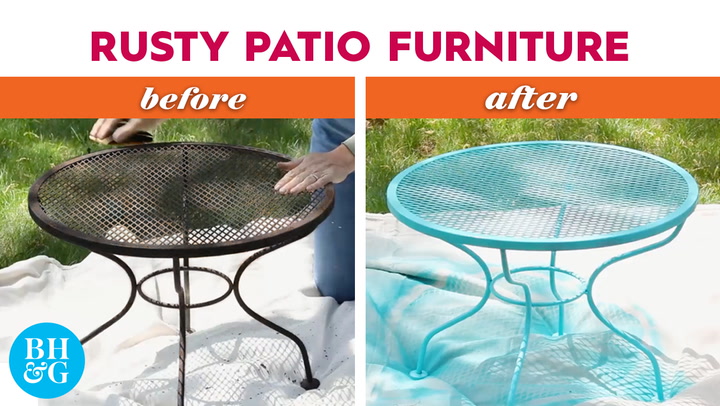
Credit: www.bhg.com
Identify Rust Spots
Identifying rust spots on outdoor patio furniture is the first step to keep it in good shape. Rust can weaken the metal and spoil the look of your furniture. Early detection helps to fix the problem quickly and stops it from spreading.
Look carefully at all metal parts. Rust often starts in small, hidden places. These spots might look like tiny orange or brown marks. Sometimes, they feel rough or flaky to the touch.
Check All Metal Surfaces
Look over every metal surface on your furniture. Focus on joints, bolts, and screws. These parts often trap moisture, making rust more likely. Also, inspect areas where paint or coating has chipped off.
Use A Bright Light
Use a flashlight or work in daylight to see rust clearly. Light helps you spot tiny rust spots that are hard to see. Shine the light at different angles for a better view.
Feel For Texture Changes
Run your hand gently over the metal surface. Rust spots feel rough or bumpy compared to smooth metal. This simple test can find rust you might miss with your eyes.
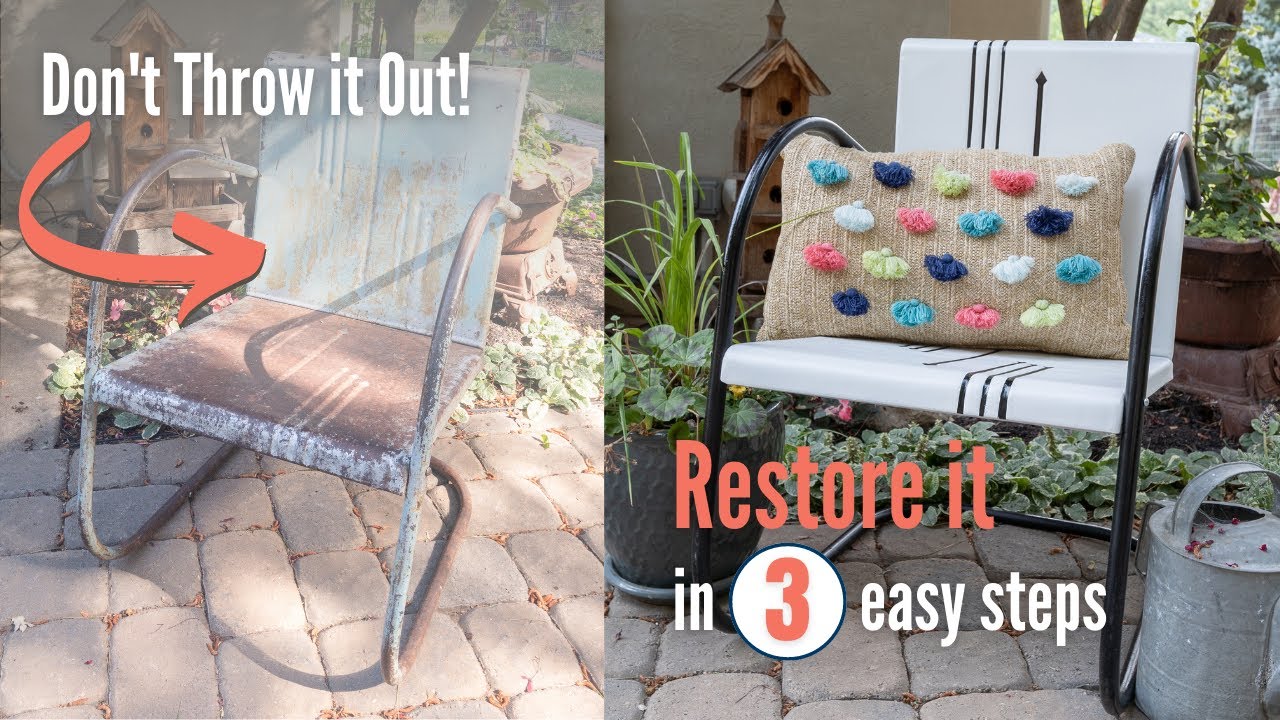
Credit: www.youtube.com
Gather Repair Materials
Gathering the right materials is the first step to fix rust on outdoor patio furniture. Having all tools ready makes the process smooth. It saves time and avoids frustration. Prepare everything before starting the repair.
Focus on quality products that work well on metal surfaces. Choose items that protect and restore your furniture. This section lists the essential materials for rust repair.
Rust Remover
Rust remover helps dissolve the rust on metal parts. Look for a product that is safe for outdoor use. It should be easy to apply and quick to work. A good rust remover prepares the surface for further treatment.
Sandpaper Or Wire Brush
Sandpaper or a wire brush removes loose rust and paint. Select a medium to coarse grit for best results. These tools smooth the surface and expose clean metal. This step is vital for proper rust treatment.
Protective Gloves And Mask
Wear gloves and a mask to protect skin and lungs. Rust remover chemicals can irritate the skin. Dust from sanding can be harmful to breathe. Safety gear keeps you safe during the repair work.
Primer For Metal
Primer creates a strong base for paint to stick. Choose a rust-inhibiting primer to stop rust from returning. It seals the metal and improves paint adhesion. Primer extends the life of your furniture repair.
Outdoor Metal Paint
Use outdoor paint made for metal surfaces. This paint resists weather and prevents rust. Pick a color that matches your furniture. Paint protects and beautifies your patio pieces.
Clean Cloth And Soap
A clean cloth and mild soap remove dirt and grease. Clean surfaces help the rust remover work better. Wipe the furniture before starting the repair. Cleanliness ensures a smoother finish.
Clean The Furniture Surface
Cleaning the surface of your outdoor patio furniture is the first step to fixing rust. Dirt and grime can hide rust spots and make repair harder. A clean surface helps you see the damage clearly. It also prepares the furniture for any treatments or paint you will apply later.
Start by removing loose debris like leaves, dust, and cobwebs. Use a soft brush or cloth to avoid scratching the furniture. A clean surface means better results in the next steps.
Gather Cleaning Supplies
Collect all the materials before you begin. You will need mild soap, water, a bucket, a soft scrub brush, and clean cloths. Avoid harsh chemicals that can damage the furniture’s finish. Simple soap and water work well for most types.
Wash The Furniture Thoroughly
Mix soap and water in a bucket. Use the soft brush to scrub the furniture gently. Pay special attention to rusty areas. Dirt and rust particles must be removed completely. Rinse the furniture with clean water to wash away soap.
Dry The Surface Completely
Use a clean cloth or towel to dry the furniture. Make sure no water remains on the surface. Moisture can cause new rust spots to form quickly. Let the furniture air dry if possible, especially in warm sunlight.
Remove Rust Effectively
Removing rust from outdoor patio furniture is key to keeping it strong and looking good. Rust can cause damage and make metal parts weak. Act fast to stop rust from spreading and ruining your furniture.
Use the right tools and methods to remove rust safely and completely. Clean surfaces help paint or sealant stick better later on. Follow simple steps to get rid of rust and protect your furniture for years.
Use Sandpaper Or Wire Brush
Start by scrubbing the rusty areas with sandpaper or a wire brush. Sandpaper with medium grit works well for small spots. A wire brush is better for bigger, tougher rust patches. Scrub until you see clean metal under the rust.
Wear gloves to protect your hands from sharp edges. Work in a well-ventilated space to avoid dust buildup. Remove all loose rust flakes before moving to the next step. Clean the surface with a damp cloth to clear away dust and rust particles.
Apply Rust Remover Solutions
Use rust remover products to dissolve remaining rust. Choose a remover made for metal furniture. Follow the instructions on the label carefully for best results. Apply the solution with a brush or sponge.
Let the rust remover sit on the metal for the recommended time. This breaks down rust and makes it easier to wipe away. Rinse the area with water and dry it completely. Check for any rust left and repeat if needed.
Treat The Metal To Prevent Rust
Rust can quickly damage your outdoor patio furniture. Treating the metal stops rust from spreading. It also protects the furniture from future rust. Simple steps can make your furniture last longer. Let’s explore two key treatments to prevent rust.
Apply Rust Converter
Rust converter changes rust into a safe surface. It stops rust from growing more. Apply it with a brush or spray. Let it dry fully before the next step. This treatment prepares the metal for better protection. It also saves time by avoiding sanding.
Use Primer For Protection
Primer adds a strong layer on metal. It blocks water and air, the main causes of rust. Choose a primer made for metal surfaces. Spread it evenly and let it dry well. Primer helps paint stick better too. This step keeps your furniture safe longer.

Credit: www.youtube.com
Paint And Seal The Furniture
Painting and sealing outdoor patio furniture stops rust from coming back. It creates a strong barrier against water and air. This barrier protects metal surfaces from damage and extends furniture life. Proper painting and sealing make your furniture look fresh and new again.
Choose Rust-resistant Paint
Select paint made for metal and rust protection. These paints contain special chemicals to stop rust growth. Use spray paint or brush-on paint designed for outdoor use. Pick a color that fits your patio style. Clean and dry the furniture before painting. This helps paint stick better and last longer.
Apply Protective Sealant
After paint dries, apply a clear sealant over the surface. Sealants block moisture and air from reaching the metal. Use a sealant that works with your paint type. Apply thin, even coats with a brush or spray. Let each coat dry fully before adding the next. Sealants keep paint from chipping and prevent rust from starting again.
Maintain Rust-free Furniture
Maintaining rust-free outdoor patio furniture keeps your space looking fresh and inviting. Rust weakens metal and can ruin the furniture’s appearance quickly. Prevent rust by caring for your furniture regularly and storing it properly. This care extends the life of your outdoor pieces and keeps them safe from damage.
Regular Cleaning Tips
Clean your furniture often to remove dirt and moisture. Use a soft brush or cloth to wipe away dust and debris. Mild soap and water work well for most metals. Dry the furniture completely after washing to stop rust from forming. Check for small scratches or chips in the paint. Touch up these spots with rust-resistant paint to protect the metal underneath.
Proper Storage Methods
Store your furniture in a dry, covered place during bad weather. Use furniture covers that allow air to flow and prevent moisture buildup. Avoid placing furniture directly on wet grass or soil. Elevate pieces slightly to keep them dry. During winter or long periods of no use, move the furniture indoors if possible. Good storage lowers the chance of rust and keeps your furniture strong.
Frequently Asked Questions
How Do I Remove Rust From Outdoor Patio Furniture?
Use a wire brush or sandpaper to scrub off rust. Apply a rust remover or white vinegar for stubborn spots. Rinse and dry thoroughly before repainting or sealing.
What Materials Are Best To Prevent Rust On Patio Furniture?
Choose rust-resistant materials like aluminum, stainless steel, or treated wood. Regularly apply protective coatings or sealants to metal surfaces to prevent oxidation.
Can I Fix Rust Without Sanding My Furniture?
Yes, use rust converters or chemical rust removers. They neutralize rust and create a paintable surface without sanding, making the process quicker and easier.
How Often Should I Treat Patio Furniture To Prevent Rust?
Treat metal furniture every 6 to 12 months. Regular maintenance includes cleaning, applying protective coatings, and inspecting for early signs of rust to extend its life.
Conclusion
Rust on patio furniture can ruin your outdoor space. Cleaning and treating rust early keeps your furniture strong. Use simple tools and safe products to remove rust. Regular care prevents rust from coming back quickly. Enjoy your patio longer by acting fast and staying consistent.
Taking small steps now saves money and effort later. Keep your outdoor area looking fresh and inviting all year. Rust doesn’t stand a chance with proper care and attention.