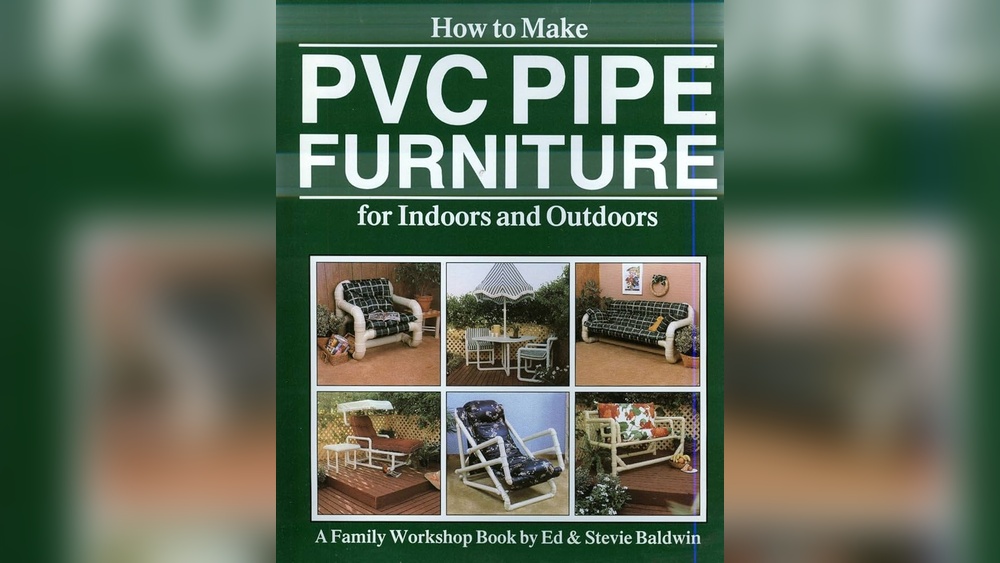
Are you looking for a simple, budget-friendly way to create your own outdoor furniture? Making outdoor furniture with PVC is easier than you might think.
With just a few materials and some basic tools, you can build sturdy, weather-resistant pieces that fit your style perfectly. Imagine relaxing on a chair you crafted yourself or enjoying a picnic at a table made by your own hands.
Keep reading, and you’ll discover step-by-step tips that will help you turn plain PVC pipes into stylish, durable outdoor furniture you’ll love. Your perfect backyard makeover starts here!

Credit: www.jacksonville.com
Choosing The Right Pvc Material
Choosing the right PVC material is key for making strong outdoor furniture. It affects how long the furniture lasts and how well it stands up to the weather. Picking the right type of PVC pipe makes your project easier and gives better results. Learn about different PVC types, their strength, and what tools you need to work with them.
Types Of Pvc Pipes
There are several types of PVC pipes used in outdoor furniture. Schedule 40 PVC pipes are thick and strong, ideal for heavy furniture. Schedule 80 pipes are even thicker and can hold more weight. Thin-walled pipes are lighter but less durable. Choose pipes that match your furniture’s design and weight needs.
Durability And Weather Resistance
PVC is naturally resistant to water, making it good for outdoor use. It does not rot, rust, or corrode like metal or wood. Some PVC pipes are treated to resist UV rays. This treatment stops the material from getting brittle under sun exposure. Choose UV-resistant PVC for longer-lasting furniture outdoors.
Tools And Supplies Needed
Working with PVC pipes needs a few simple tools. A saw or PVC cutter trims pipes to the right length. Sandpaper smooths rough edges after cutting. PVC cement or glue joins pieces tightly. Measuring tape and marker help with precise cuts. These basic tools make building easier and safer.
Planning Your Outdoor Furniture
Planning your outdoor furniture project is the first step to success. Good planning saves time and materials. It helps create furniture that fits your space and style. Take your time to think about what you want. A clear plan makes building easier and more fun.
Selecting Furniture Styles
Choose furniture styles that match your outdoor space. Think about chairs, tables, or benches. Simple designs work best with PVC pipes. Consider comfort and use. Pick styles that suit your needs and taste. Classic or modern, keep it easy to build.
Measuring And Designing
Measure the area where your furniture will go. Write down the exact dimensions. Sketch your design on paper or use a computer. Make sure the size fits the space well. Check that the furniture will be stable and strong. Planning size helps avoid mistakes later.
Creating A Material List
List all materials needed for your project. Include PVC pipes, connectors, screws, and paint. Count how many pieces of each item you need. Add any tools required for cutting and assembling. A complete list helps you buy everything at once. It keeps the project organized and smooth.
Cutting And Preparing Pvc Pipes
Cutting and preparing PVC pipes is the first important step in making outdoor furniture. This process sets the stage for a sturdy and well-built project. Precise cuts and clean edges help pipes fit together smoothly. Proper preparation also ensures your furniture lasts longer and looks neat.
Safe Cutting Techniques
Use a sharp saw designed for PVC to make clean cuts. Mark the pipe with a pencil or tape before cutting. Hold the pipe firmly on a stable surface. Cut slowly and steadily to avoid cracking the pipe. Always wear safety goggles and gloves to protect eyes and hands.
Sanding And Smoothing Edges
After cutting, the edges may be rough or sharp. Use sandpaper or a file to smooth these edges. Sand gently to remove burrs and splinters. Smooth edges help the connectors fit better and prevent injuries. Clean the pipes with a damp cloth to remove dust.
Fitting Pvc Connectors
Check each pipe end and connector for a snug fit. Apply PVC primer and cement for stronger joints. Push the pipe firmly into the connector and hold for a few seconds. Make sure the pieces are aligned correctly before the glue dries. Proper fitting avoids leaks and improves furniture strength.
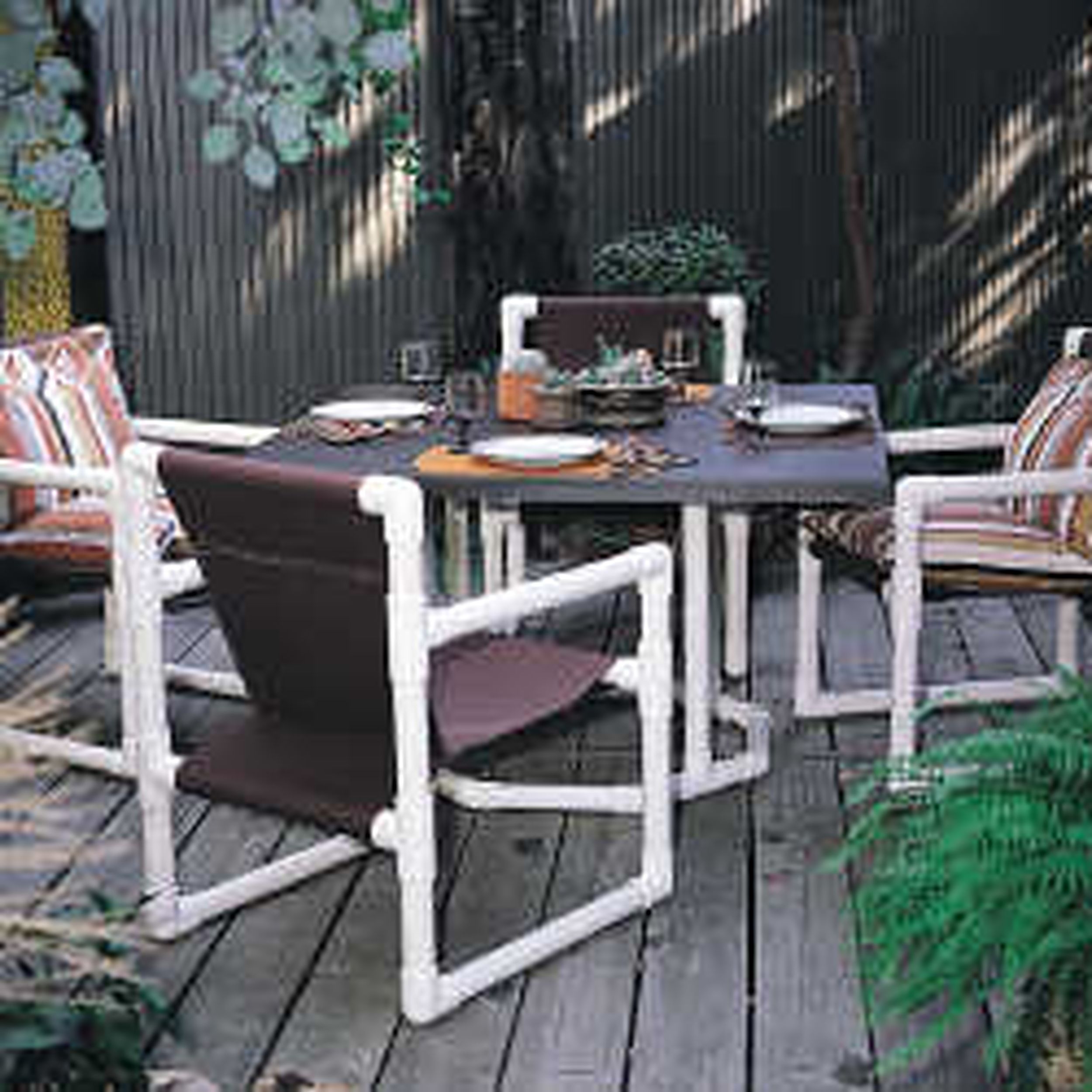
Credit: www.spokesman.com
Assembling The Furniture Frame
Assembling the furniture frame is the next step in creating your outdoor PVC furniture. This part sets the shape and strength of the piece. A well-built frame ensures the furniture lasts long and stays stable.
Start with clear measurements and plan how each part fits together. Work carefully and check each connection for tightness. This process makes sure the frame holds up well outside.
Building The Base Structure
Begin by cutting PVC pipes to the right length. Use a saw with clean, straight cuts. Lay out the pipes on a flat surface in the shape of your furniture base. Connect the pipes using PVC connectors like elbows or tees. Make sure each pipe fits snugly into the connectors. This base will support the whole furniture frame.
Securing Joints And Connections
Apply PVC cement inside each joint for a strong bond. Push the pipes fully into the connectors before the cement dries. Hold the parts together for a few seconds to set. Avoid loose joints; they weaken the frame. Double-check every connection for strength and tightness.
Adding Support And Stability
Add extra pipes diagonally across corners for support. These braces stop the frame from wobbling. Attach additional horizontal bars to spread weight evenly. Use strong connectors at all support points. Test the frame by pressing gently to check for movement. Reinforce weak spots with more pipes or connectors.
Adding Comfort And Style
Adding comfort and style to your outdoor PVC furniture makes it inviting and attractive. Plain PVC can feel hard and cold. Soft cushions and bright colors bring warmth. They also show your personal taste. Small touches can change the whole look and feel of your furniture. This section explains easy ways to boost comfort and style.
Choosing Cushions And Fabrics
Select cushions that fit your furniture perfectly. Thick cushions add comfort and support. Use fabrics made for outdoor use. They resist fading from the sun. Water-resistant fabrics keep cushions dry after rain. Pick colors and patterns that match your space. Bright colors can make your furniture pop. Neutral tones create a calm, classic look.
Painting And Decorating Pvc
Paint PVC furniture with special spray paint for plastic. This paint sticks well and lasts long. Clean the PVC surface before painting. Use light, even coats to avoid drips. Add patterns or stripes for extra style. Use painter’s tape for sharp lines. Stencils can create fun designs. Let the paint dry fully between coats.
Waterproofing Tips
Protect cushions and paint from water damage. Use waterproof sprays on fabrics to repel water. Apply a clear sealant to painted PVC for extra protection. Check cushions regularly and dry them if wet. Store cushions indoors during heavy rain or winter. Waterproof covers also keep furniture safe. These steps help your furniture last longer outside.
Maintenance And Care Tips
Taking care of your outdoor PVC furniture keeps it looking fresh and lasting longer. Regular maintenance stops dirt buildup and damage. Simple care steps save money and effort over time.
Cleaning Pvc Furniture
Use mild soap and water to clean PVC furniture. A soft cloth or sponge works best. Avoid harsh chemicals that can damage the surface. Rinse with clean water and dry with a towel. Clean furniture regularly to prevent stains and dirt buildup.
Repairing Common Issues
Small scratches and cracks can appear on PVC furniture. Use a fine sandpaper to smooth scratches gently. For cracks, apply a PVC adhesive or glue made for plastics. Follow the product instructions carefully. Repair damage quickly to avoid it getting worse.
Extending Furniture Lifespan
Keep your furniture out of strong sunlight for long periods. Use covers to protect it from rain and dust. Store furniture indoors during harsh weather or winter. Tighten screws and check joints regularly. Proper care helps your furniture stay strong and beautiful for years.

Credit: www.youtube.com
Frequently Asked Questions
What Materials Are Needed For Pvc Outdoor Furniture?
You need PVC pipes, connectors, saw, measuring tape, sandpaper, and PVC glue. Optional items include cushions and paint. These materials are affordable and easy to source. Using the right materials ensures durable and weather-resistant furniture for outdoor use.
How Do I Cut Pvc Pipes Accurately?
Measure the pipe length carefully and mark it with a pencil. Use a fine-toothed saw or PVC pipe cutter for clean cuts. Cut slowly to avoid cracking. Sand the edges smooth to ensure safety and better fitting of connectors.
Can Pvc Furniture Withstand Outdoor Weather?
Yes, PVC furniture is highly resistant to water, rust, and UV rays. It does not rot or corrode easily. Proper sealing and painting enhance its durability. This makes PVC ideal for long-lasting outdoor furniture in various climates.
How To Assemble Pvc Outdoor Furniture?
Join pipes using PVC connectors and glue at the joints for strength. Follow your design plan step-by-step. Allow glue to dry fully before use. Assembly is simple and does not require advanced skills, making it a great DIY project.
Conclusion
Creating outdoor furniture with PVC is simple and affordable. You can build strong, weatherproof pieces easily. PVC materials resist rain, sun, and wear well. With basic tools, anyone can start this project. Enjoy customizing your furniture to fit your space.
This DIY approach saves money and adds personal touch. Try making your own PVC furniture today. You’ll love the results and satisfaction.