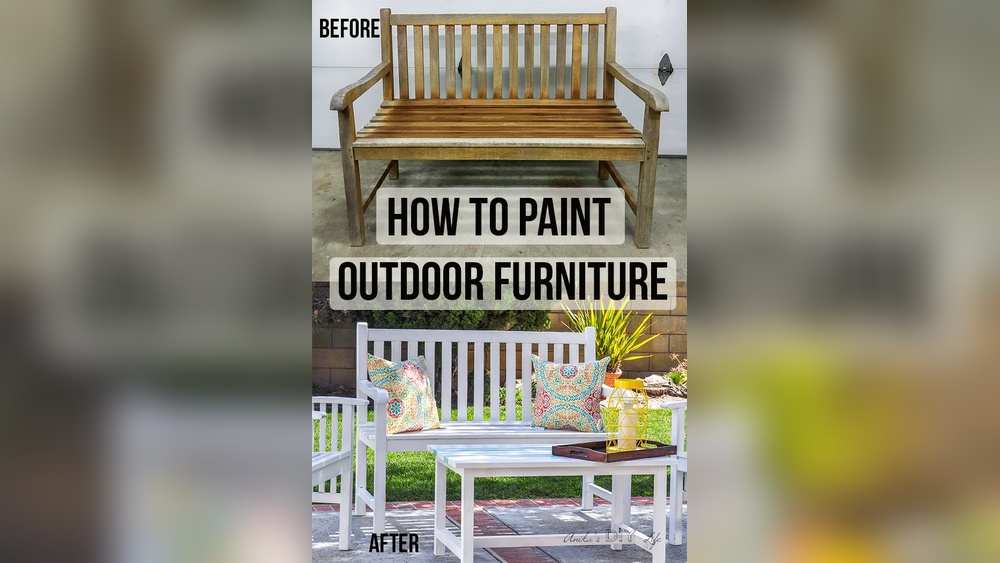
Are you tired of finding your outdoor furniture chewed up by pesky squirrels? You’re not alone.
These little creatures can turn your beautiful garden setup into a mess in no time. But don’t worry—there are simple, effective ways you can protect your furniture and keep squirrels at bay. Keep reading, and you’ll discover easy tips that actually work to save your outdoor space from unwanted nibbling.
Your furniture deserves better, and so do you.
Credit: fj-outdoors.com
Why Squirrels Chew Furniture
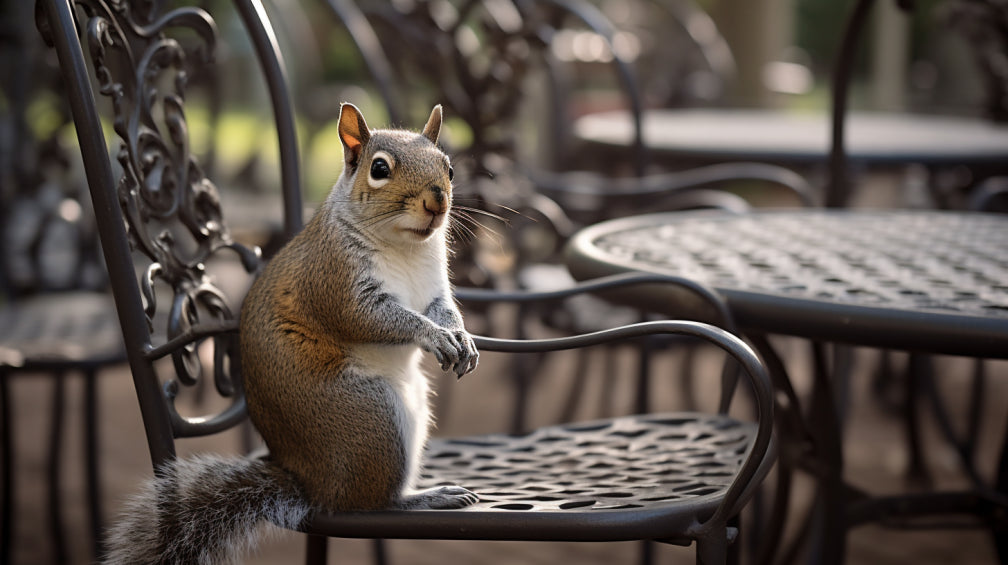
Squirrels chewing on outdoor furniture can be frustrating. Understanding why squirrels chew helps find better solutions. These animals have natural habits that lead to chewing. Their behavior is linked to survival and comfort. Knowing what they target on furniture reveals how to protect it.
Squirrel Behavior And Habits
Squirrels chew to keep their teeth sharp. Their teeth grow non-stop and need constant wear. Chewing stops their teeth from becoming too long. They also chew to find food or build nests. Outdoor furniture looks like good material for nests. Squirrels are active during the day and explore often. They test many objects with their teeth.
Common Targets On Outdoor Furniture
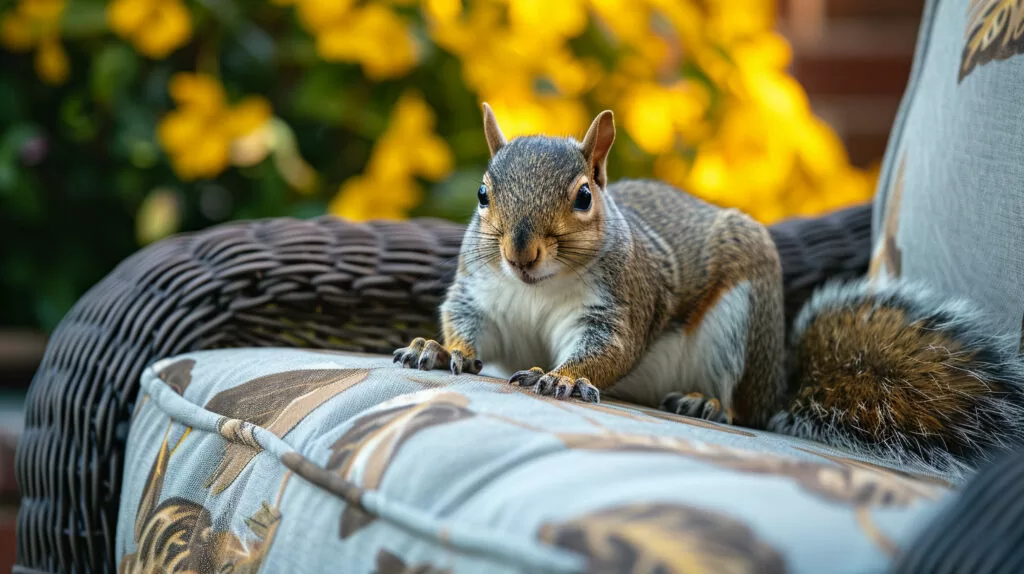
Wooden parts are the most common chewing spots. Soft wood is easy for squirrels to bite. Cushions and fabric attract squirrels too. They look for nesting material in cushions. Plastic parts may get chewed for texture and curiosity. Metal furniture is less attractive but not safe from damage. Squirrels focus on anything they can break or shred.
Materials That Attract Squirrels
Squirrels are curious creatures. They explore and chew on many things outdoors. Certain materials catch their attention more than others. Knowing which materials attract squirrels helps protect your furniture better.
Squirrels like to chew for several reasons. It helps keep their teeth sharp and healthy. Some materials feel good to chew on and provide comfort. Understanding this behavior can guide your choice of outdoor furniture.
Wood And Its Appeal
Wood is a natural favorite for squirrels. Its texture is easy to grip and chew. Softwoods like pine or cedar are especially inviting. Wood also holds the scent of food or nests, attracting squirrels further. Many squirrels use wood for building nests or sharpening teeth.
Wood can show clear chew marks quickly. Small holes or gnawed edges appear after a short time. This damage affects both the look and strength of your furniture. Treating wood surfaces may reduce damage but rarely stops squirrels completely.
Plastic And Rubber Vulnerabilities
Plastic and rubber may seem safe but have their risks. Squirrels often chew on plastic to test texture and find food. Soft rubber parts attract them because they feel like natural materials. These materials can trap heat, making them attractive in cold weather.
Chewing plastic and rubber can cause serious damage over time. Pieces may break off or crack, leading to costly repairs. These materials do not heal or recover like wood. Keeping squirrels away helps protect plastic and rubber furniture parts.
Preventive Measures To Protect Furniture
Protecting outdoor furniture from squirrels starts with smart preventive steps. These measures help keep your furniture safe and your yard enjoyable. Taking action early stops damage before it begins. Use simple methods that work well and are easy to apply.
Using Repellents And Deterrents
Repellents make furniture less attractive to squirrels. Many sprays use natural oils like peppermint or citrus. These smells squirrels dislike and avoid. Apply repellent regularly, especially after rain. Some products use sound or motion to scare squirrels away. These keep squirrels moving and away from your furniture.
Physical Barriers And Covers
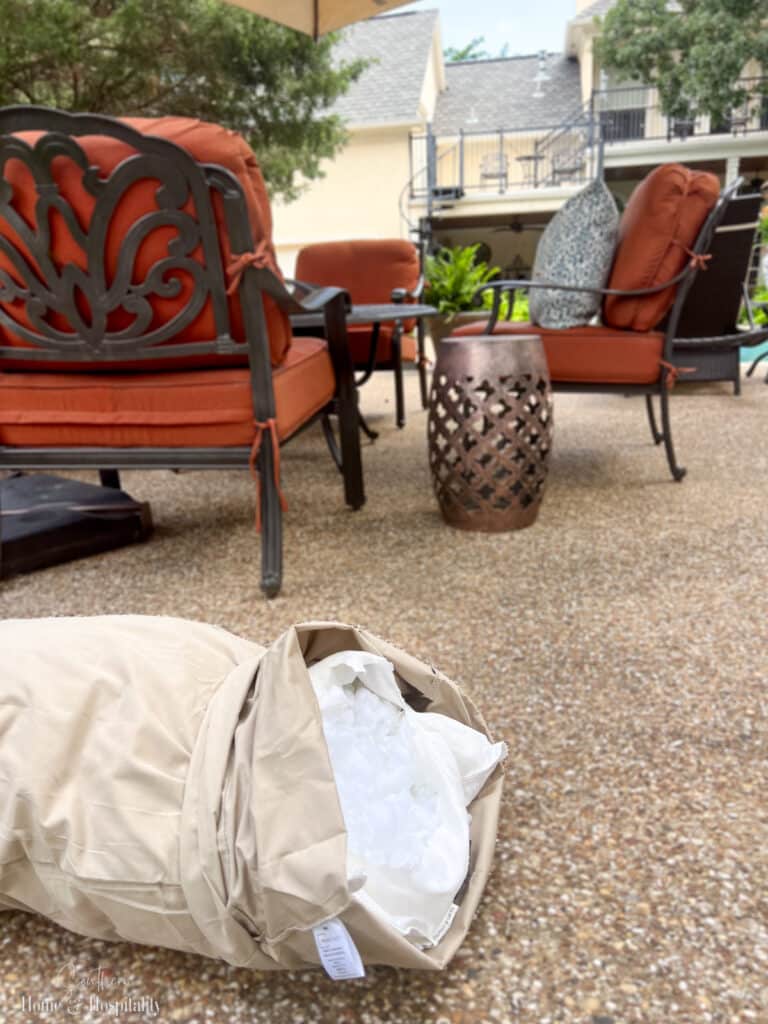
Physical barriers block squirrels from reaching furniture. Covers made of tough fabric or plastic protect surfaces. Wrap cushions and wooden parts to stop chewing. Mesh or netting can surround furniture legs. This prevents squirrels from climbing or gnawing. Barriers work best combined with repellents for full protection.
Credit: southernhomeandhospitality.com
Natural Remedies To Deter Squirrels
Squirrels can cause damage by chewing on outdoor furniture. Using natural remedies helps protect your furniture without harming animals or the environment. These methods are safe, easy, and often use things you already have at home. Natural remedies focus on smells and tastes squirrels dislike, keeping them away without traps or chemicals.
Plant-based Solutions
Certain plants repel squirrels naturally. Planting mint, garlic, or rosemary near your furniture can keep squirrels at bay. These plants emit strong smells squirrels find unpleasant. You can also use chili pepper plants, as squirrels avoid spicy scents. Place small pots of these plants around your outdoor space for a natural barrier. This method works well and adds beauty to your garden.
Homemade Sprays And Scents
Homemade sprays are simple to make and effective. Mix water with garlic powder or hot sauce to create a spray. Spray this mixture on your furniture regularly. Another option is using vinegar or lemon juice sprays. These scents are sharp and discourage squirrels from chewing. Reapply often, especially after rain. These sprays protect your furniture without using harsh chemicals.
Behavioral Techniques To Discourage Chewing
Stopping squirrels from chewing outdoor furniture often means changing their behavior. Squirrels chew because they seek food, shelter, or to keep their teeth healthy. Using behavioral techniques helps teach squirrels to avoid your furniture. These methods guide squirrels to better chewing choices without harm.
Removing Food Sources Nearby
Squirrels chew more when food is easy to find. Remove bird feeders, pet food, and fallen fruit near your furniture. Clean up nuts and seeds on the ground. Less food means less reason for squirrels to stay near your furniture. This reduces their chewing habit over time.
Creating Alternative Chewing Options
Offer squirrels safe items to chew on. Place untreated wood blocks or branches in your yard. These alternatives satisfy their need to chew and keep their teeth sharp. Redirecting their attention helps protect your outdoor furniture. Squirrels learn to chew on these items instead.
Regular Maintenance And Inspection
Regular maintenance and inspection play a key role in protecting outdoor furniture from squirrels. Keeping an eye on your furniture helps catch damage early. It also stops small problems from turning into big repairs.
Checking furniture often lets you fix spots before squirrels cause more harm. A little care keeps your outdoor space neat and free from unwanted chewing marks.
Repairing Damage Quickly
Fix damaged areas as soon as you notice them. Small holes or scratches invite squirrels to chew more. Use wood filler or outdoor sealant to cover cracks. Replace broken parts to keep furniture strong. Quick repairs reduce the chance of further damage.
Routine Furniture Checks
Make it a habit to inspect your furniture weekly. Look closely at corners and edges where squirrels like to chew. Check under cushions and inside crevices. Early detection helps you act fast. Regular checks keep your furniture in good shape longer.
Credit: www.patioproductions.com
Frequently Asked Questions
How Can I Naturally Deter Squirrels From Furniture?
Use natural repellents like peppermint oil or garlic spray. These scents repel squirrels without harming them. Reapply after rain for lasting effect.
What Materials Resist Squirrel Chewing Best?
Metal, plastic, and treated wood are tougher for squirrels to chew. Using these materials can protect outdoor furniture effectively.
Are Squirrel Repellents Safe For Pets And Kids?
Most commercial squirrel repellents are pet-friendly but always check labels. Opt for natural options like essential oils for safer use around kids.
How Does Motion-activated Deterrents Help Stop Squirrels?
Motion-activated sprinklers or lights startle squirrels, discouraging them from approaching furniture. These devices offer a humane and effective solution.
Conclusion
Stopping squirrels from chewing your outdoor furniture takes patience and care. Use simple barriers and natural repellents to keep them away. Regularly check your furniture for any new damage. Try changing the area’s appeal by removing food or shelter sources.
Small actions can make a big difference over time. Protect your outdoor space and enjoy it without worry. Keep these tips in mind to maintain your furniture’s look and life. Squirrels can be tricky, but you can handle it step by step.