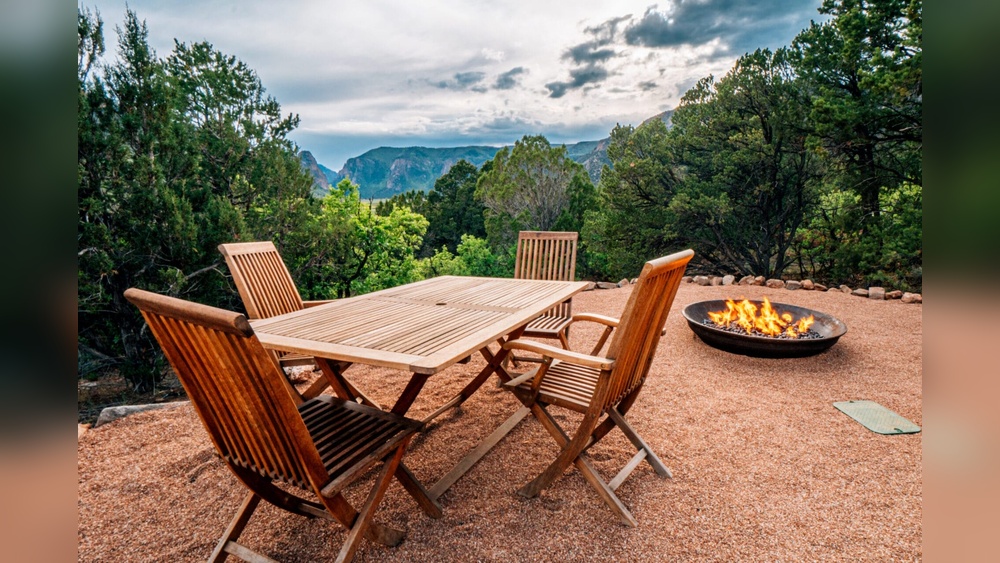
Your wooden outdoor furniture adds charm and comfort to your outdoor space. But without the right care, it can quickly lose its beauty and strength.
You want your furniture to last through all seasons, looking great year after year. You’ll discover simple, effective ways to protect and maintain your wooden pieces. By following these easy tips, you’ll save money, avoid frustration, and enjoy your outdoor oasis to the fullest.
Keep reading to learn how to make your wooden furniture stand the test of time.

Credit: www.thisoldhouse.com
Choosing The Right Wood
Choosing the right wood is key to keeping your outdoor furniture strong and beautiful. Wood type affects how well the furniture lasts and how much care it needs. Some woods handle weather better, while others need more protection. Picking the right wood helps save time and money on repairs.
Hardwood Vs Softwood
Hardwoods come from slow-growing trees. They are dense and strong. Examples include oak, teak, and mahogany. Hardwoods resist dents and scratches well. They last longer outdoors with less damage.
Softwoods come from faster-growing trees like pine and cedar. They are lighter and easier to work with. Softwoods often cost less but need more care. They can wear down faster in harsh weather.
Weather-resistant Wood Types
Some woods handle sun, rain, and wind better than others. Teak is famous for its natural oils that repel water. Cedar resists insects and decay. Redwood also stands up well to moisture. These woods reduce the need for constant sealing or painting.
Sustainable Wood Options
Choosing wood from sustainable sources helps protect forests. Look for FSC-certified wood. Bamboo is a fast-growing, eco-friendly choice. Reclaimed wood gives old wood a new life. Sustainable wood supports the planet and lasts long.

Credit: woodcare.guide
Preparing Furniture For Outdoor Use
Preparing wooden furniture for outdoor use is key to making it last longer. Wood faces sun, rain, and wind outside. Without proper care, it can crack, fade, or rot. Taking time to prepare the furniture helps protect it from damage. This process makes sure the wood stays strong and beautiful through all seasons.
Cleaning Before Treatment
Start by cleaning the furniture well. Remove dirt, dust, and old finishes. Use a mild soap with water and a soft brush. Rinse thoroughly and let the wood dry completely. Clean surfaces allow treatments to stick better. This step helps avoid peeling or uneven protection.
Sanding And Smoothing Surfaces
Sanding smooths the wood and removes rough spots. Use fine-grit sandpaper to avoid scratches. Sand along the grain for the best finish. Smooth surfaces absorb sealants evenly. Wipe off dust after sanding with a clean cloth. This step prepares the wood for a strong, even coat.
Applying Sealants And Primers
Sealants protect wood from water and sun damage. Choose a product made for outdoor wood. Apply a primer first to help seal the pores. Then add one or two coats of sealant or paint. Allow each layer to dry fully before adding the next. This creates a strong barrier against weather harm.
Regular Cleaning Tips
Regular cleaning keeps wooden outdoor furniture looking fresh and lasting longer. Dirt and dust can wear down the wood over time. Cleaning removes grime that can cause stains or damage. Simple care helps preserve the wood’s natural beauty and strength.
Removing Dirt And Debris
Start by brushing off loose dirt with a soft brush. Use a dry cloth to wipe dust from surfaces. Clean corners and crevices where debris collects. This basic step prevents buildup that can scratch or harm wood. Do this regularly to keep furniture neat and clean.
Using Mild Cleaners
Mix a small amount of mild soap with warm water. Use a soft cloth or sponge to gently clean the wood. Avoid soaking the furniture; use just enough liquid to remove dirt. Mild cleaners clean effectively without stripping the wood’s oils. Rinse with clean water and dry with a soft towel.
Avoiding Harsh Chemicals
Harsh chemicals can damage wood fibers and finish. Skip bleach, ammonia, or strong detergents that cause discoloration. These chemicals dry out wood and weaken its surface. Choose gentle products made for wood care. Protect your furniture by using safe cleaning methods only.

Credit: www.gardenista.com
Protecting Against Weather Damage
Wooden outdoor furniture faces many weather challenges. Sun, rain, and cold can cause damage. Protecting your furniture helps it last longer and look better. Simple steps can keep wood strong and fresh.
Applying Water-repellent Finishes
Water can soak into wood and cause swelling or rotting. Use a water-repellent finish to stop this. Choose a finish made for outdoor wood. Apply it evenly with a brush or cloth. Let it dry fully before using the furniture. Reapply every year to maintain protection.
Covering Furniture During Rain
Rain can damage wood over time. Cover furniture with waterproof covers during wet weather. Make sure covers fit well and allow air to flow. Avoid plastic covers that trap moisture. Remove covers when the sun is out to prevent mold.
Storing Furniture In Winter
Cold and snow can harm wooden furniture. Store your furniture indoors or in a dry shed during winter. If indoor space is limited, use breathable covers outside. Clean and dry furniture before storage. This prevents cracks and mold growth.
Repairing And Maintaining Wood
Wooden outdoor furniture needs regular care to last long. Repairing and maintaining wood keeps it strong and beautiful. Small problems can turn into big damage without proper attention. Fixing issues early saves time and money later.
Fixing Cracks And Splits
Cracks and splits happen due to weather changes and dryness. Fill small cracks with wood filler or glue. Use a putty knife to smooth the surface. Let it dry completely before sanding. For bigger splits, clamp the wood pieces tightly. Use waterproof glue to hold them together. Sand the area smooth after the glue dries.
Reapplying Stains And Paints
Stains and paints protect wood from sun and rain. Remove old paint or stain with a scraper or sandpaper. Clean the surface of dust and dirt. Apply a fresh coat of stain or paint using a brush. Choose a product made for outdoor use. Let it dry fully before using the furniture again. Reapply every 1-2 years for the best protection.
Replacing Damaged Parts
Sometimes parts of the furniture break beyond repair. Remove the damaged pieces carefully with a screwdriver or saw. Measure the size and shape for new parts. Use the same type of wood for replacement. Attach the new pieces firmly with screws or nails. Sand and finish to match the rest of the furniture. This keeps your set safe and attractive.
Preventing Pest Infestations
Wooden outdoor furniture adds charm to any garden or patio. Protecting it from pest infestations keeps it looking great. Pests can damage wood and shorten furniture life. Taking steps to prevent these pests helps maintain beauty and strength.
Identifying Common Pests
Termites are a major threat to wooden furniture. They eat wood from the inside out. Carpenter ants can also cause damage by hollowing out wood. Beetles like powderpost beetles create tiny holes and dust. Look for small holes, sawdust, or weak spots. Early spotting helps stop bigger problems.
Using Natural Repellents
Natural repellents keep pests away without harsh chemicals. Cedarwood oil is a good option for repelling insects. It smells nice and protects wood. Neem oil also works well to deter many bugs. You can spray these oils directly on the furniture. Reapply after rain or every few weeks for best results.
Regular Inspections
Check your wooden furniture often for signs of pests. Look under seats, joints, and corners carefully. Catching pests early allows quick action. Remove any nests or webs you find. Tighten loose screws and fix cracks where pests hide. Regular care keeps your furniture safe and strong.
Enhancing Longevity With Accessories
Wooden outdoor furniture faces sun, rain, and dirt. Accessories help protect and extend its life. Small additions can keep wood looking fresh and strong. These simple steps reduce damage and wear.
Using Cushions And Covers
Cushions add comfort and protect wood from scratches. Choose cushions with water-resistant fabric for outdoor use. Covers shield furniture from rain and sun. Use covers during bad weather or long breaks. This prevents fading and moisture damage.
Choosing Furniture Placement
Place furniture in shaded or covered areas. Avoid direct sun to reduce fading and drying. Keep furniture away from wet spots or puddles. Good placement stops wood from rotting or warping. Move furniture occasionally to prevent uneven wear.
Elevating Furniture Off Ground
Raise furniture slightly using pads or blocks. This stops contact with wet ground and dirt. Elevation improves airflow under the furniture. Better airflow helps wood dry faster after rain. It lowers the risk of mold and decay.
Frequently Asked Questions
How Often Should I Clean Wooden Outdoor Furniture?
Clean wooden outdoor furniture every few weeks to remove dirt and debris. Use mild soap and water for best results. Regular cleaning prevents damage and keeps the wood looking fresh and vibrant.
What Is The Best Sealant For Wooden Outdoor Furniture?
Use a high-quality outdoor wood sealant or varnish. Look for products with UV protection and water resistance. Proper sealing protects wood from moisture, sun damage, and extends furniture life.
How Do I Prevent Wood From Cracking Outdoors?
Keep wooden furniture sealed and avoid prolonged exposure to direct sunlight. Regularly apply protective oils or sealants. Store furniture in a shaded area or cover it during harsh weather conditions.
Can I Use Furniture Oil On All Wooden Outdoor Furniture?
Yes, but choose oils specifically designed for outdoor wood. Teak oil and linseed oil are popular options. These oils nourish the wood and enhance its natural beauty while providing protection.
Conclusion
Caring for wooden outdoor furniture keeps it beautiful and strong. Clean it regularly to remove dirt and dust. Apply protective oil or sealant to prevent damage. Store furniture in a dry place during bad weather. Small repairs help avoid bigger problems later.
With simple steps, your furniture lasts many years. Enjoy your outdoor space with well-kept wood pieces. Take care today, and your furniture will thank you tomorrow.


