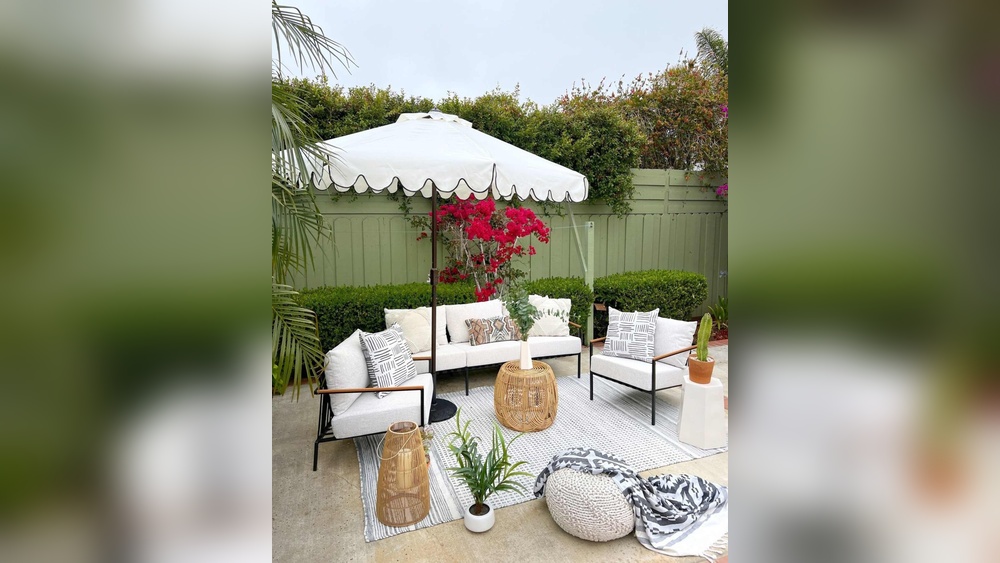
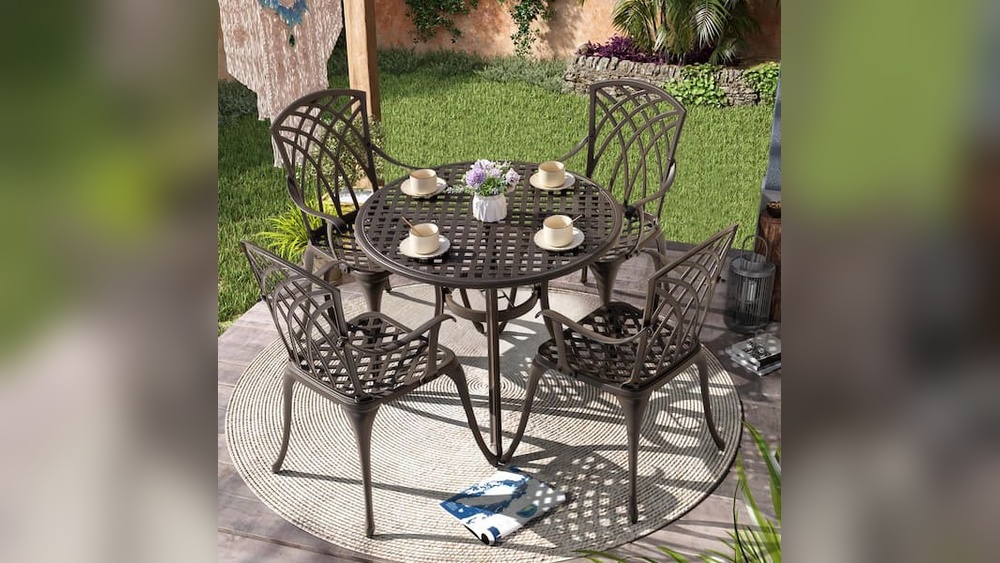
Winter can be tough on your outdoor furniture. If you want to keep your pieces looking great year after year, protecting them from snow, rain, and freezing temperatures is key.
You might wonder how to tarp outdoor furniture the right way so it stays safe and lasts longer. In this guide, you’ll discover simple steps to cover your furniture properly, avoid damage, and save money on repairs or replacements. Keep reading to learn easy tips that anyone can follow—your furniture will thank you when spring arrives!

Credit: www.youtube.com
Choosing The Right Tarp
Choosing the right tarp protects outdoor furniture through cold months. It stops rain, snow, and dirt from causing damage. Picking the best tarp needs attention to material, size, and water protection. These factors keep furniture safe and dry all winter long.
Material Types
Tarp materials vary in strength and durability. Polyethylene tarps are common and affordable. They resist water and tears well. Canvas tarps breathe better but may soak through. Vinyl tarps are heavy-duty and last long. Choose a material that fits your climate and budget.
Size And Coverage
Select a tarp large enough to cover all furniture parts. Too small a tarp leaves areas exposed to weather. Measure your furniture’s width, length, and height. Add extra feet to wrap sides and secure the tarp. Proper coverage stops water from pooling and seeping in.
Waterproof Vs Water-resistant
Waterproof tarps block all moisture. They keep furniture dry even in heavy rain or snow. Water-resistant tarps repel water but may soak after long exposure. For winter, waterproof tarps offer better protection. Check product labels to confirm water resistance or proofing level.

Credit: tarps.com
Preparing Furniture For Tarping
Preparing outdoor furniture for tarping is an important step to protect it during winter. Proper preparation helps prevent damage from moisture, dirt, and cold weather. This process includes cleaning, drying, disassembling parts, and applying protective coatings. Each step ensures your furniture stays in good shape until spring.
Cleaning And Drying
Start by removing dirt, dust, and debris from your furniture. Use a mild soap and water solution for cleaning. A soft brush or cloth works well for scrubbing. Rinse off the soap with clean water. Make sure to dry every part completely. Moisture left on furniture can cause mold and damage under the tarp.
Disassembling Parts
Take apart removable pieces such as cushions, table legs, or chair arms. This reduces stress on joints and helps avoid breakage. Store cushions indoors or in a dry place. Keep screws and small parts in labeled bags. Disassembling also makes it easier to cover furniture tightly with the tarp.
Applying Protective Coatings
Use a protective spray or sealant suited for your furniture material. Wood furniture benefits from waterproof sealants. Metal pieces can get rust-resistant sprays. Follow product instructions carefully. Protective coatings add a layer against moisture and cold damage. Let the coatings dry fully before covering with the tarp.
Securing The Tarp Effectively
Securing the tarp effectively is crucial for protecting outdoor furniture during winter. A loose tarp can let in moisture and cold air, damaging the furniture. Proper wrapping and fastening keep the tarp tight and stable. This stops water and snow from getting underneath. Strong anchoring prevents the tarp from blowing away on windy days. Follow these steps to secure your tarp well and protect your furniture all winter long.
Wrapping Techniques
Start by covering the furniture fully with the tarp. Pull the tarp tight around the edges to avoid loose spots. Fold excess tarp underneath the furniture to create a snug fit. Use smooth, even folds to keep the cover neat. Avoid gaps where snow or rain can enter. Wrapping tightly helps keep moisture and cold out.
Using Bungee Cords And Straps
Use bungee cords or adjustable straps to hold the tarp firmly. Hook the cords through tarp grommets for strong grip. Stretch the cords around the furniture base for a secure hold. Tighten the cords without over-stretching to avoid tearing. Straps with buckles work well for extra strength. These tools keep the tarp from shifting or coming loose.
Anchoring To Prevent Wind Damage
Anchor the tarp to the ground or heavy furniture parts to stop wind damage. Use stakes or weights at tarp corners and sides. Drive stakes into the soil near the furniture base. Place heavy bricks or sandbags on tarp edges if stakes aren’t possible. Ensure all anchor points are tight and secure. Good anchoring keeps the tarp stable during strong winds.
Additional Winter Protection Tips
Protecting outdoor furniture during winter goes beyond just covering it with a tarp. Extra steps can help keep your furniture safe from harsh weather. These tips reduce damage from moisture, cold, and dirt. Follow simple habits to extend your furniture’s life and keep it ready for spring.
Elevating Furniture Off Ground
Keep furniture off the ground to avoid water damage. Use wooden blocks or bricks under legs. This stops moisture from pooling around the base. Elevation also prevents rust on metal parts. It helps air flow under the furniture, reducing mold growth.
Ventilation To Avoid Moisture
Good air flow stops moisture buildup under the tarp. Avoid wrapping furniture too tightly. Leave small gaps for air to move freely. Moisture trapped inside can cause mold and mildew. Use breathable tarps or cover with a tarp and add vents.
Regular Inspection And Maintenance
Check your furniture regularly during winter months. Look for tears in the tarp or signs of water damage. Remove snow or heavy ice from the cover. Clean any dirt or debris that collects around your furniture. Early care prevents bigger problems later on.
Common Mistakes To Avoid
Covering outdoor furniture for winter protects it from harsh weather. Many people try tarping but make common mistakes. These errors can cause damage instead of protection. Avoid these mistakes to keep your furniture safe and dry.
Using Incorrect Tarp Size
Choosing the wrong tarp size is a frequent error. Too small tarps leave furniture exposed to rain and snow. Too large tarps can catch wind and tear easily. Measure your furniture before buying a tarp. Pick a tarp that fits snugly but allows some air.
Ignoring Moisture Traps
Covering furniture tightly without ventilation traps moisture inside. Moisture causes mold and mildew growth. Always leave space for air to flow under the tarp. Use breathable tarps or add small vents. This helps furniture stay dry and mold-free.
Neglecting Secure Fastening
Failing to secure the tarp properly causes it to blow away. Use strong ropes or bungee cords to fasten it well. Tie the tarp tightly around the furniture legs or base. Check the fastenings regularly during winter storms. A secure tarp protects better and lasts longer.

Credit: www.youtube.com
Frequently Asked Questions
How Do I Prepare Outdoor Furniture Before Tarping?
Clean and dry furniture thoroughly to prevent mold. Remove cushions and store them indoors. Ensure furniture is completely dry before covering.
What Type Of Tarp Is Best For Outdoor Furniture?
Use a breathable, waterproof tarp. It protects against moisture and prevents condensation. Avoid plastic tarps that trap humidity and cause damage.
How Should I Secure A Tarp On Outdoor Furniture?
Use bungee cords or rope to tightly secure the tarp. Ensure it covers all sides to block wind and rain. Avoid loose ends that can flap in the wind.
Can Tarping Damage Outdoor Furniture?
If done incorrectly, tarping can trap moisture and cause mold. Use breathable tarps and ensure furniture is dry before covering. Proper tarping protects and extends furniture life.
Conclusion
Protecting outdoor furniture with a tarp saves it from harsh winter weather. A good cover keeps rain, snow, and dirt away. Secure the tarp tightly to avoid wind damage. Check the cover now and then for tears or loose spots.
Dry furniture before covering to stop mold and mildew. Taking these simple steps helps your furniture last longer. Ready for next summer without extra repairs or costs. Winter care matters. Keep your outdoor space neat and protected.